10 Best Yoga Retreats in India: Authentic Programs for Every Level and Budget
You're drawn to India. Maybe you've been practicing yoga for years and feel the pull to study closer to the source. Or perhaps you're new to the practice and want to learn from teachers who carry lineage and depth. Either way, choosing a retreat in India can feel overwhelming—there are dozens of established programs, each claiming authenticity, each with different costs, schedules, and teaching styles. This guide cuts through that noise and presents ten retreats we trust, with honest details about what each one actually offers.

Why Study Yoga in India
Yoga didn't originate in a California studio or a boutique fitness center. It emerged in the Indus Valley over five thousand years ago, documented in texts like the Rig Veda and later systematized in the Yoga Sutras of Patanjali. When you practice in India, you're learning in the place where these teachings took shape—in the same cultural and spiritual context that birthed the practice. You'll study under teachers trained in unbroken lineages, work with Sanskrit terminology in its native language, and practice in ashrams designed specifically for this work. That matters if you're serious about understanding yoga as a complete philosophical system, not just asana.
Rishikesh: The Yoga Capital
Parmarth Niketan
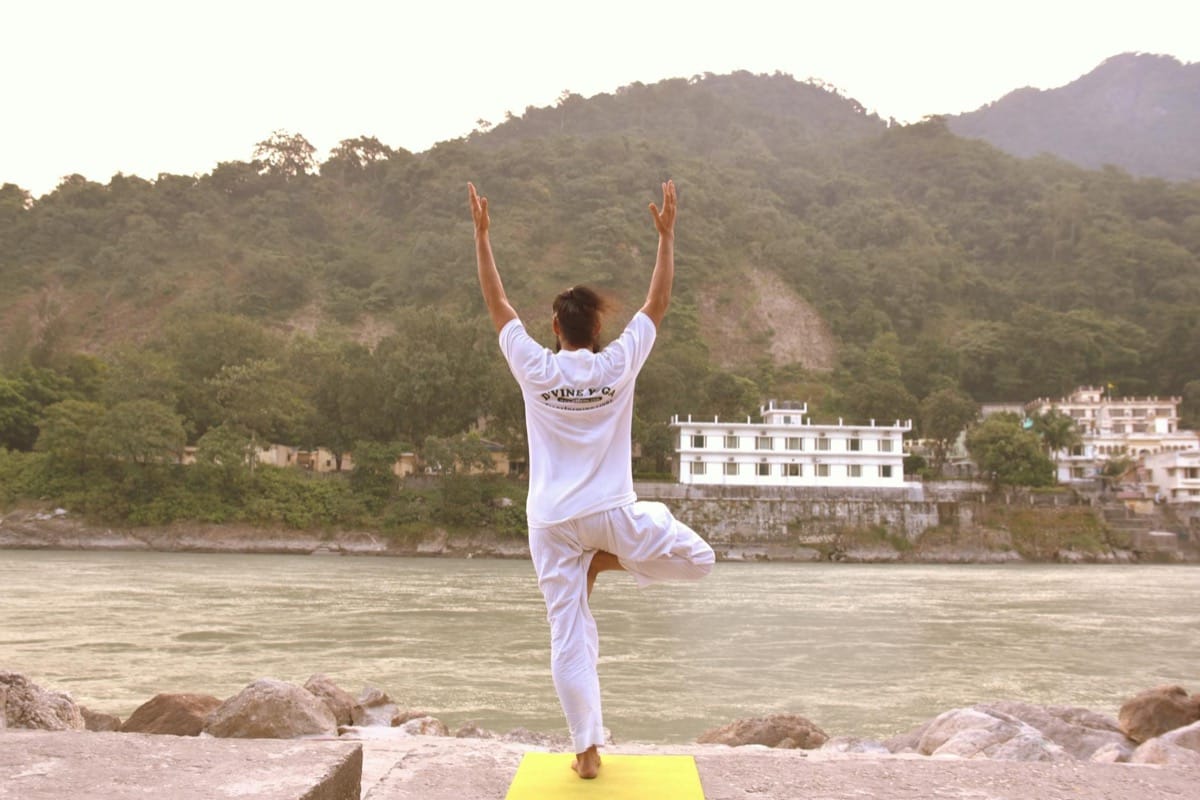
Parmarth Niketan sits on the banks of the Ganges in Rishikesh, founded in 1942 and now one of India's largest ashrams. They offer 200-hour yoga teacher training certification (Yoga Alliance recognized) for roughly $1,200-$1,500 for a month-long immersion. Classes run daily at 5:00 AM and include pranayama, asana, meditation, and philosophy. The ashram holds 1,000 residents, so expect community over retreat silence. Meals are vegetarian, included, and prepared in the ashram kitchen. The Ganga Aarti ceremony happens each evening at sunset—a ritual fire offering that's genuinely moving if you're open to it. This works best if you want structure, other Western students, and a grounded, non-commercialized teaching environment.
Yoga Niketan
Yoga Niketan has operated since 1969 and focuses on Hatha yoga and Raja yoga philosophy. A 28-day 200-hour teacher training runs around $1,000, all-inclusive. The ashram is smaller and quieter than Parmarth Niketan—maybe 200 residents total—so if you want more solitude alongside serious study, this fits better. Teachers here emphasize the Yoga Sutras of Patanjali heavily. You'll spend time on meditation, pranayama techniques like Nadi Shodhana and Bhastrika, and the philosophical framework that Patanjali outlined. Classes begin at 5:30 AM. The ashram sits about 15 minutes from central Rishikesh, which means less tourist foot traffic but less access to restaurants and amenities if you need them.
Goa: Coastal Vinyasa and Ayurveda
The Yoga Forest
The Yoga Forest sits in North Goa, nestled in actual forest land overlooking rice paddies. The retreat offers short programs (7-14 days) and longer teacher trainings (200-hour certification around $1,600). The teaching leans modern—Vinyasa flows alongside traditional Hatha—which appeals to people who want rigor without pure traditionalism. Accommodation is comfortable (private rooms available), meals include both vegetarian and fish options, and the setting feels genuinely restorative. They integrate Ayurveda education into longer programs, teaching you how yoga philosophy connects to Ayurvedic constitutional theory. Classes run morning and evening. The Goa location appeals if you want to combine practice with some beach time but still maintain a serious study environment.
Shreyas Retreat
Shreyas operates near Gokarna in Karnataka, close to Goa's southern border. This luxury retreat centers on personalized programs rather than group teacher trainings. You can book 5-day, 7-day, or longer wellness retreats ranging from $200-$400 per day all-inclusive. Each guest gets a customized practice schedule based on their level, needs, and constitution. The retreat includes daily yoga classes, meditation, Ayurvedic consultations, massage therapies, and ayurvedic cooking demonstrations. The staff speaks English fluently, the food is excellent, and accommodations are genuinely comfortable—this is retreat, not ashram austerity. If you have the budget and want individualized attention, this works. It's less about becoming a teacher and more about experiencing yoga as medicine for your particular body and mind.
Kerala: Ayurveda and Restoration
Ananda in the Himalayas (Himalayan foothills, Kerala nearby practices)
While technically in Uttarakhand, many yoga students combine Ananda with Kerala Ayurveda studies. Ananda runs 7-21 day wellness programs at $300-$500 per day. The focus here is yoga therapy paired with Ayurvedic treatment—particularly useful if you come with specific physical imbalances. Each morning includes gentle asana practice and pranayama. Afternoons feature Ayurvedic consultations, massage, and herbal treatments. The retreat sits in the foothills with views of the Himalayas. This appeals to people recovering from injury, managing chronic conditions, or wanting preventive wellness work rather than intense training programs.
Vaidyagram Ayurvedic Healing Village
Vaidyagram operates in Coimbatore, Tamil Nadu, near Kerala. The entire village operates as a healing center, with yoga and Ayurveda as equal partners, not yoga with Ayurveda as an add-on. Programs run 7-28 days, typically $250-$350 per day all-inclusive. You'll practice yoga in the mornings (gentle, restorative styles), receive daily Ayurvedic treatments and consultations, eat Ayurvedic meals, and participate in Ayurvedic education workshops. The village aesthetic is peaceful—gardens, simple cottages, minimal Western influence. This suits practitioners who want to address a specific health pattern (joint pain, digestion, sleep, hormonal imbalance) through yoga and Ayurveda together, not as separate practices.

Himalayas: High-Altitude Practice
Sivananda Yoga Vedanta Dhanwantari Ashram
Sivananda's main ashram sits in Rishikesh, but their Himalayan center in Uttarkashi offers higher-altitude practice for serious students. The ashram follows a strict daily schedule: pranayama and meditation at 5:00 AM, asana at 6:30 AM, karma yoga (service work) in the afternoon, and philosophy lectures in the evening. Teacher trainings run 200 hours for about $1,300. The teaching follows the Sivananda method: classical Hatha, emphasis on the six points (asana, pranayama, relaxation, diet, meditation, philosophy). The mountain setting is genuinely meditative. This appeals to students who thrive with structure and don't need comfort amenities. Food is sattvic (simple, pure), rooms are basic, and the schedule is non-negotiable. It's rigorous and rewarding if you commit to it fully.
Tamil Nadu: Classical Lineage
Krishnamacharya Yoga Mandiram
Krishnamacharya Yoga Mandiram (KYM) operates in Chennai, founded by T. Krishnamacharya, often called the father of modern yoga. Krishnamacharya taught B.K.S. Iyengar, K. Pattabhi Jois, and Indra Devi—so studying here connects you directly to major yoga lineages. KYM offers month-long teacher trainings for roughly $1,500, all-inclusive. The teaching is precise, detailed, and rooted in Krishnamacharya's philosophy of individualizing practice. Classes are smaller than big ashrams, so you get real attention. The retreat center itself is simple but peaceful. This appeals to students who care deeply about technique and lineage transmission, who want to understand not just how to do a pose but why you're doing it for your specific constitution and needs.
What to Pack and Prepare
Regardless of which retreat you choose, bring cotton clothing for the heat, a quality yoga mat if you prefer your own (many ashrams provide them), sunscreen, and basic toiletries—some retreats have limited Western brands. Learn a few Sanskrit terms before you arrive; it shows respect and helps you understand teaching. Bring your yoga mat if you have a favorite; many ashrams provide mats, but they're often thin. Book your flights to arrive a day or two before your retreat starts—jet lag is real, and you'll practice better after a night of sleep.
Check visa requirements early. Most Western students get a 90-day tourist visa. Be honest with yourself about dietary restrictions and communicate them during booking—ashrams take diet seriously, and misfits cause problems.
Choosing Your Retreat
Your choice depends on three things: what you want to study (Hatha philosophy, Vinyasa flow, Ayurveda, or teacher training), how much you want to spend, and what environment supports your learning (large ashram community, small quiet center, luxury retreat, high-altitude intensity). If you're new to India, Rishikesh makes sense—it's the yoga capital with the most established infrastructure. If you want Ayurveda integrated, head south to Kerala or Karnataka. If you want classical lineage study with precision, Chennai's Krishnamacharya Mandiram delivers that directly. If you have specific health concerns, Shreyas or Vaidyagram address that explicitly.
Start with what calls you most, not what you think you should do. A month in an austere ashram following a 5:00 AM wake-up might transform you, or it might make you miserable. A week at a comfortable retreat might feel superficial, or it might plant seeds that change your practice for years. Trust your instinct. Research the teachers and their lineages. Read recent student reviews. Email the retreat directly with questions. Then commit, show up, and practice.
Subscribe to my newsletter to get the latest updates and news