The Solar Plexus Chakra: Finding Your Right to Act

The solar plexus chakra (Manipura) is where ego identity and personal power develop. Learn how to work with this fire center through yoga practice and breath work.
You've noticed something real when you watch a toddler insist on independence. That fierce determination to tie their own shoes, to feed themselves, to prove they can carry something heavy without your help—that's Manipura waking up. The solar plexus chakra, the third energy center in the traditional seven-chakra system, develops between 18 months and three and a half years old. This is when the ego identity forms, when a child discovers their separate will. It's messy, it's loud, and it's absolutely necessary. If you're working with your own Manipura energy now, whether you're reclaiming it after years of suppression or learning to channel it more skillfully, you're essentially revisiting that developmental stage with adult awareness.
What Manipura Actually Is
Manipura means 'lustrous gem' or 'city of jewels' in Sanskrit. Located at the solar plexus, behind the navel center and in front of the spine, this chakra governs your right to act. Not your right to be told what to do, not your right to comply, but your right to take deliberate action in the world. The Yoga Upanishads describe Manipura as the seat of the fire element (Tejas), which transforms. Fire doesn't ask permission—it burns, it digests, it transmutes. When your solar plexus is balanced, you move through life with healthy assertion. You know what you want and you act on it. You can digest difficult experiences without being consumed by them. You have presence.
The classical texts associate Manipura with the sense of sight and the motor organs of action. Visually, this chakra appears as a yellow, ten-petaled lotus with a downward-pointing triangle at its center. The triangle points down because it represents the fire element moving through the physical body. When people talk about 'gut feelings' or 'solar plexus tension,' they're describing real physical and energetic phenomena happening in this exact location.
Why Your Solar Plexus Might Feel Blocked
Most of us didn't get to complete that toddler stage healthily. Maybe your caretakers said no too often, or yes to everything. Maybe you were told your desires were inconvenient, selfish, or wrong. Maybe you learned early that asserting yourself meant punishment or abandonment. Over years, the solar plexus learns to dim itself. You become overly accommodating, perpetually exhausted by suppressing what you actually want. Or the opposite happens: the chakra gets inflated and rigid. You push hard, you control, you dominate, but there's no real warmth or flexibility underneath. The fire burns aggressively rather than transformatively.
Physical signs of blocked Manipura show up as chronic digestive issues, fatigue, low back pain, or feeling powerless in your own life. Emotionally, you might experience shame, chronic self-doubt, or explosive anger that seems to come from nowhere. Some people describe it as feeling simultaneously too small and too big—either completely invisible or obnoxiously loud, with no middle ground.
Agni Sara: The Core Fire Practice
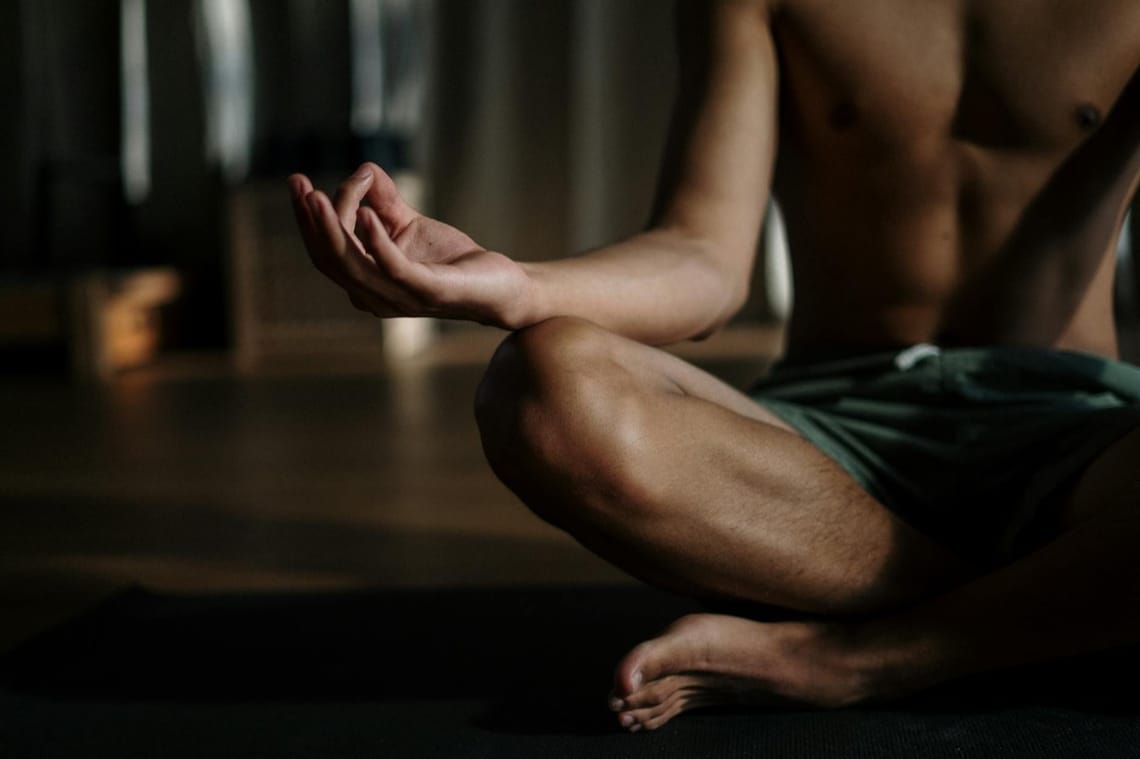
Agni Sara means 'fire washing' or 'cleansing with fire.' This is one of the most direct ways to work with Manipura energy. The practice involves rapid abdominal contractions that massage the organs and stoke the digestive fire. Here's how to do it: Sit comfortably in a cross-legged position or in a chair with your spine tall. Inhale fully. On the exhale, draw your navel in toward your spine sharply, then release it back out. Repeat this in-and-out motion 15-20 times on one exhale, working at your own pace. When you need to inhale, do so naturally. Then exhale and repeat. Start with 2-3 rounds.
The sensation is genuinely heating. You'll feel the fire building in your core. This isn't theoretical—your digestive organs are literally being stimulated, your abdominal muscles are strengthening, and your relationship to your own power center is being rekindled. Many yoga practitioners report that regular Agni Sara practice creates a felt sense of inner stability and presence that shows up off the mat. Do this 3-4 times per week, and notice how your digestion, mood, and sense of agency shift over four weeks.
Breath Work: Ram and Bellows Breath
The seed mantra for Manipura is RAM, pronounced with a short 'a' sound (rahm). Seed mantras are single-syllable sounds that correspond to each chakra's vibrational frequency. When you chant RAM, you're not claiming intellectual truth—you're working with sound frequency that resonates directly with your solar plexus. Sit with your spine upright, close your eyes, and inhale through the nose while silently mentally chanting RAM. Exhale through the mouth with an audible 'hhhh' sound while chanting RAM again. Continue for 5-10 minutes. You may feel tingling, heat, or sudden clarity. This is working.
Bhastrika, or Bellows Breath, is another powerful technique. This pranayama involves rapid, rhythmic breathing through the nose—equal inhale and exhale, 30-60 breaths per minute, for 30 seconds to a few minutes. It's intense. Your nervous system gets activated, your metabolism speeds up, your mind becomes crystalline. Never practice Bellows Breath if you're pregnant, have high blood pressure, or experience anxiety disorders. But for someone with a chronically dimmed solar plexus who needs to reclaim their fire? This practice can be life-changing. A 7-minute session with Bellows Breath can shift your entire nervous system state and your sense of personal capacity.
Asana Sequences for Manipura
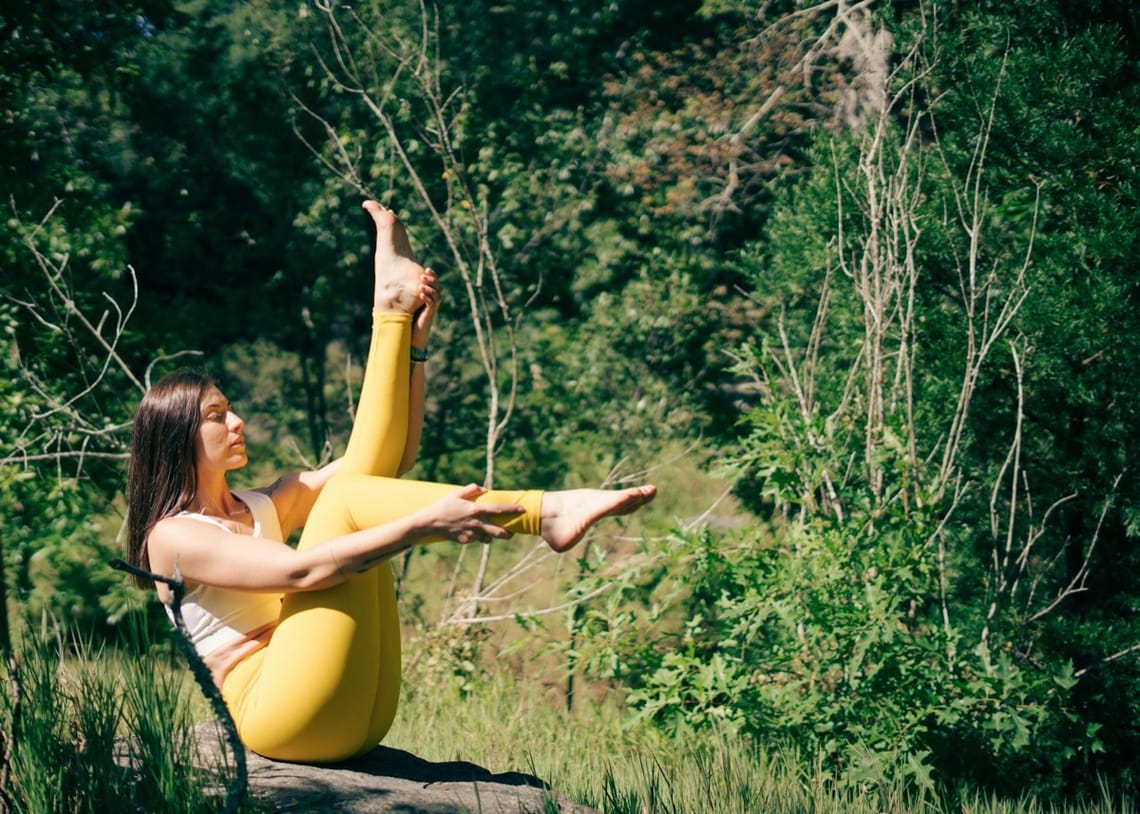
Certain poses directly activate the solar plexus region. Navasana (boat pose) is non-negotiable—holding your body in that V-shape requires serious core engagement and generates immediate heat and presence in the navel center. Warrior poses, particularly Warrior III, demand that you find your center of gravity and hold it steady against gravity's pull. Chaturanga Dandasana (four-limbed staff pose) builds authentic core strength—not surface tension, but integrated power.
Dhanurasana (bow pose) opens the front body and the solar plexus region. When you lie on your belly, bend your knees, reach back to grab your ankles, and lift your chest by using your leg strength to create length, you're directly stimulating Manipura. Hold for 5-8 breaths, rest, repeat. Twists are also crucial because they wring out stagnation from the digestive organs and solar plexus region. Parvritta Trikonasana (revolved triangle) and simple seated twists both work.
The key is consistent practice. Online Yoga Planet offers solar plexus-focused sequences for $14.99/month that link breath, mantra, and asana together. If you practice 20 minutes 4-5 times per week for 8 weeks focusing on these poses, combined with the pranayama and mantra work described above, most practitioners report a tangible shift in their sense of personal power and agency.
Working with the Shadow: Healthy vs. Inflated Power
There's a shadow side to Manipura work. As your solar plexus wakes up, you have to be honest about the difference between healthy assertion and domination. Healthy Manipura energy creates boundaries, takes action aligned with your values, and digests challenges into wisdom. Inflated Manipura becomes controlling, dominating, aggressive. The person becomes addicted to winning, to being right, to proving their superiority.
As you practice, notice what arises. If you feel suddenly irritable or aggressive, that's your body releasing stored energy—but it's also information. Where is that anger actually coming from? What do you feel powerless about underneath the bravado? True Manipura work includes psychological honesty. The yoga philosophy texts describe this as svadhyaya—self-study. You're not just doing the practices. You're witnessing what they reveal about yourself.
Practical Next Steps
Start with Agni Sara. One week of daily practice, first thing in the morning. Notice how your digestion feels, how your energy shifts, how your mood changes. Then add the RAM mantra chanting—5-10 minutes after your Agni Sara work. By week three, add one of the asana sequences described above, held 3-4 times per week. By week eight, you'll have a lived understanding of your solar plexus that no article can give you. You'll feel it. The theoretical knowledge becomes embodied knowledge.
Keep a simple journal. Note what you notice physically, emotionally, and in your daily interactions. Are you able to say no more easily? Does your digestion feel clearer? Do you feel more present? Do you notice old shame patterns loosening? These are real measurements of real work. Your solar plexus is a jewel, and it's already inside you, waiting to be polished.
Subscribe to the newsletter
Subscribe to my newsletter to get the latest updates and news