The Heart Chakra's Love Without Fear: Finding Anahata's Balance


The heart chakra (Anahata) is where love meets courage. Explore how to release fear and access the unconditional compassion at your center.
You're learning to navigate relationships—with classmates, friends, family, and eventually romantic partners. Maybe you're noticing how fear shows up: the hesitation to speak your truth, the contraction when someone doesn't reciprocate, the walls you've built to protect yourself from hurt. If this resonates, your heart chakra might be calling for attention. Anahata, the fourth chakra, isn't about effortless love. It's about love that coexists with boundaries, discernment, and the courage to stay open anyway.
What Anahata Actually Means: Love and the Unstruck Sound
Anahata translates to "unstruck" or "unhurt" in Sanskrit. The ancient texts describe it as the sound that exists without two things striking together—the eternal vibration that underlies existence. This isn't poetic abstraction. When you sit in meditation and feel the subtle pulse of your own being, independent of external stimulus, you're approaching Anahata consciousness. The heart chakra governs the thymus gland, your lungs, and the cardiac plexus. It's the bridge between the three lower chakras (concerned with survival, power, and will) and the three upper chakras (concerned with expression, intuition, and unity). Anahata literally holds the tension between these realms. You can't access universal love while ignoring your own survival needs. You can't speak your deepest truth while closing your heart. This is why heart chakra work feels so vital—and sometimes so difficult.
Fear in the Heart: Recognizing What Blocks Anahata
Fear contracts the heart. When you've been rejected, betrayed, or made to feel unlovable, your nervous system learns to protect that tender center. This isn't weakness. It's survival intelligence. But when this protection becomes your default, Anahata closes. You might recognize this as: Emotional numbness or difficulty feeling anything deeply. A pattern of superficial relationships where real vulnerability never happens. Holding grudges or resentment that sits heavy in your chest. Difficulty saying no or yes authentically—people-pleasing instead of heart-choosing. A sense of isolation even when surrounded by others. These are signs that your Anahata needs gentle, grounded work. Not toxic positivity. Not forced forgiveness. Real, embodied practices that help your nervous system recognize safety again.
Pranayama for the Heart: Ujjayi and Anuloma Viloma
The breath is where abstract chakra theory becomes felt experience. Two pranayama practices work directly with Anahata: Ujjayi breath (the victorious breath) creates a subtle ocean sound in the back of your throat, like the sound of distant waves. As you inhale and exhale through a slightly constricted throat, you generate internal heat and a grounding vibration. Practice for 5 minutes: sit upright, constrict the back of your throat slightly, breathe audibly for 6-8 counts in and out. Many students report feeling immediately more anchored in their chest, less scattered in their thinking. Anuloma Viloma (alternate nostril breathing) balances the ida and pingala nadis—the subtle energy channels that spiral around the central channel, the sushumna. This directly regulates your nervous system and creates symmetry in how you receive and give. Sit comfortably, close your right nostril with your thumb, inhale through your left for a count of 4, close your left nostril, exhale through your right for a count of 4. Continue for 10 rounds. Research published in the International Journal of Yoga shows this practice reduces anxiety and enhances emotional regulation.
Mudra and Mantra: Anjali and Yam
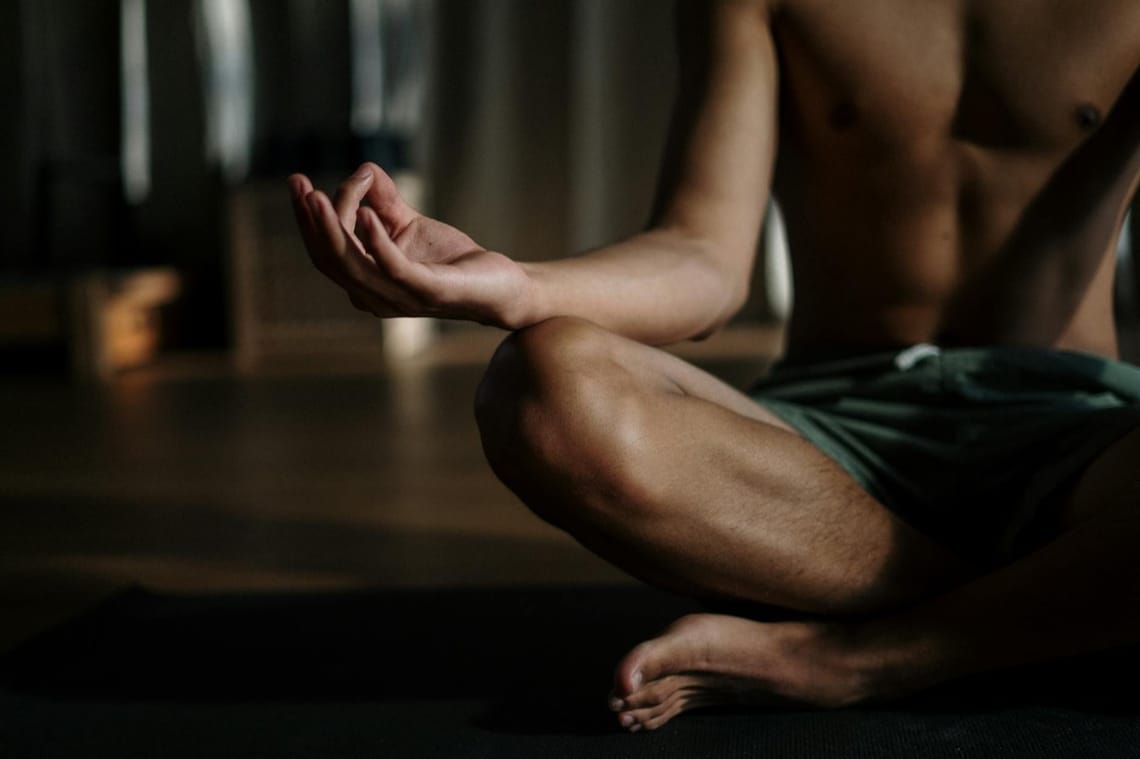
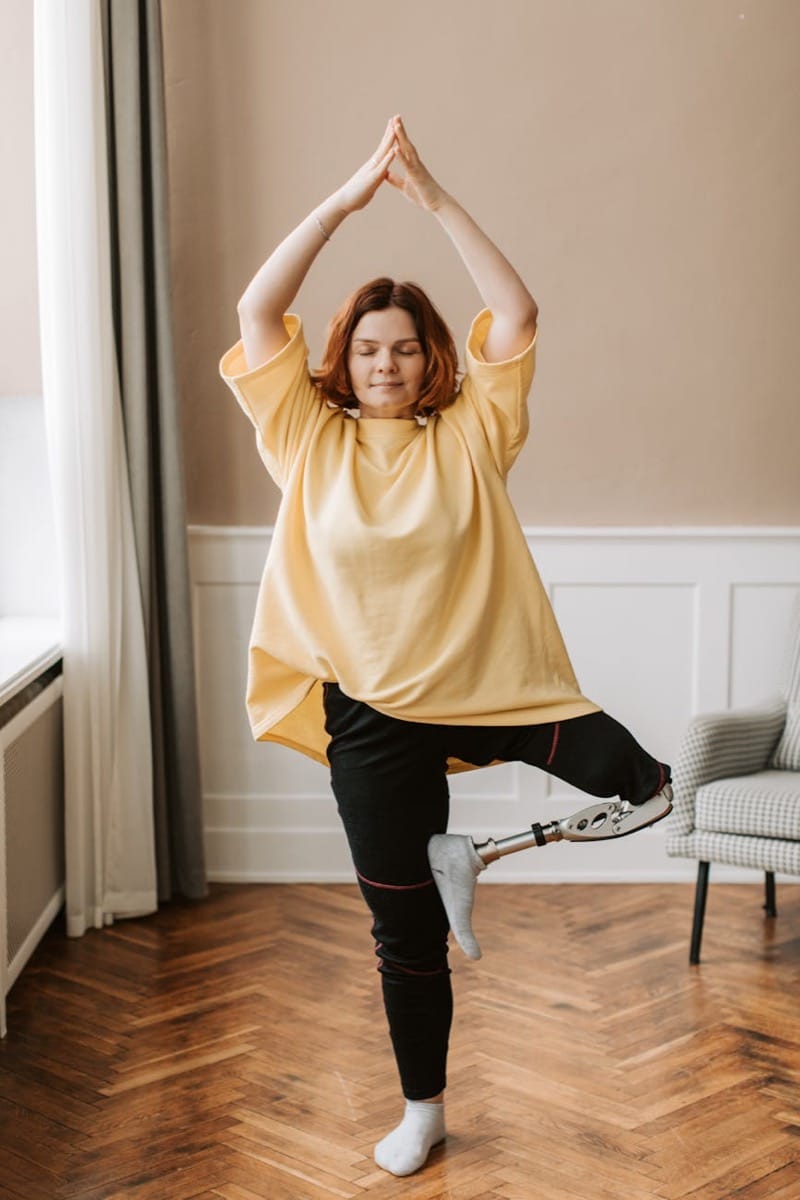
Anjali Mudra—the prayer hands position you likely know from yoga class—isn't just a gesture. It represents the meeting of your left and right sides, your give and receive, your individual self and universal love. When you press your palms together at your heart center, you're creating a circuit. Hold it for 10 breaths and feel the energy consolidate rather than scatter. The seed mantra for Anahata is Yam. It's the vibrational essence of air, lightness, and movement. Unlike Ram (fire chakra) or Lam (earth chakra), Yam is expansive and permeable. Chant it for 108 times—a full mala cycle—and notice how the vibration reverberates in your chest cavity. This can feel strange at first. You might feel emotion surface. That's the practice working. Many students do this practice in the early morning, between 6-10 AM, when Vata energy (air and space) is naturally dominant. Apps like Insight Timer (free tier available) and Spotify have recorded Yam mantras from teachers like Deva Premal if you prefer to follow along rather than chant alone.
Asana for Anahata: Heart-Opening Without Force
Back bends activate Anahata, but here's what many yoga teachers don't say: forcing yourself into deep heart openers when your nervous system is defended doesn't heal. It reinforces the pattern of pushing through discomfort. Start with supported, restorative poses. Supported Fish Pose using a yoga block under your upper back (priced $15-30 at most retailers) for 3-5 minutes allows your chest to gradually open without strain. Your nervous system learns: it's safe to be exposed here. Cow Pose (Bitilasana), moving gently with your breath, builds mobility and safety. Sphinx Pose holds gentle engagement without deep backbend intensity. As your capacity builds, add Bhujangasana (Cobra) or Urdhva Mukha Svanasana (Upward Dog), coordinating the expansion with your exhalation. The exhale activates your parasympathetic nervous system—your safety system. By opening your heart on the exhale, you're pairing expansion with relaxation signals. Hold each pose for 5-8 breaths. Notice sensation without judgment. If your chest feels tight or emotion surfaces, that's data. Stay present. Breathe. Your heart remembers how to open.
The Role of Forgiveness: Not Bypassing, But Processing
Spiritual bypassing is real, especially with heart chakra work. You might hear: "Just forgive and let it go." But real Anahata opening requires processing what actually happened. You can't love without fear if you haven't acknowledged the fear. Sit with your journal. Write to the person who hurt you. Not to send—for your own nervous system. Let yourself feel angry, betrayed, sad. Your body holds the story. Pranayama and asana create the safety to feel what you've been protecting against. Once you've acknowledged the wound, forgiveness becomes a choice rather than a spiritual obligation. Some teachers recommend the practice of Metta (loving-kindness meditation), but only after you've grieved. Begin by directing compassion toward yourself—"May I be safe, may I be happy, may I be free from suffering." Then extend it outward. This matches the actual timeline of nervous system healing.
Anahata in Daily Life: Boundaries That Come From the Heart
An open heart doesn't mean a permeable one. Boundaries aren't walls; they're containers. They say: I love you AND I need rest. I care about you AND I can't fix this for you. I'm open AND I know my limits. When your Anahata is genuinely activated, saying no becomes possible. It stops coming from fear or resentment. It comes from clarity. You're not protecting yourself from love; you're protecting your capacity to love authentically. Notice where you're people-pleasing this week. One small place where you could tell the truth instead. Feel into it. What happens in your chest? A contraction? A release? Stay curious. This is Anahata learning to speak.
Starting Your Anahata Practice: A Simple Framework
You don't need expensive classes or intense retreats to work with your heart chakra. Begin here: Daily: 5 minutes Anuloma Viloma breath work, preferably in the morning. This regulates your baseline nervous system tone. 3-4 times weekly: One gentle heart-opening asana sequence (Cow Pose, Sphinx, supported Fish, Child's Pose). 15 minutes total. Weekly: One 10-minute Yam mantra chanting session. Many teachers offer this free on YouTube or through apps like Insight Timer ($15/month or free with ads). As needed: Journaling around specific relationships or patterns that feel stuck. No structure required—just honest expression. This framework respects your actual life. It doesn't demand 2-hour practices or weekend retreats. It meets Anahata where you are: in your body, in your real relationships, in your capacity to stay present with both love and fear.
Your heart chakra didn't close because it's weak. It closed because it's intelligent. It protected you when you needed protection. Now, through gentle pranayama, mantra, and asana, you're teaching it that safety exists again. That love without fear isn't about forcing positivity. It's about staying present with your own tenderness, and from that grounded place, extending it outward. This is the real work of Anahata.
Subscribe to the newsletter
Subscribe to my newsletter to get the latest updates and news