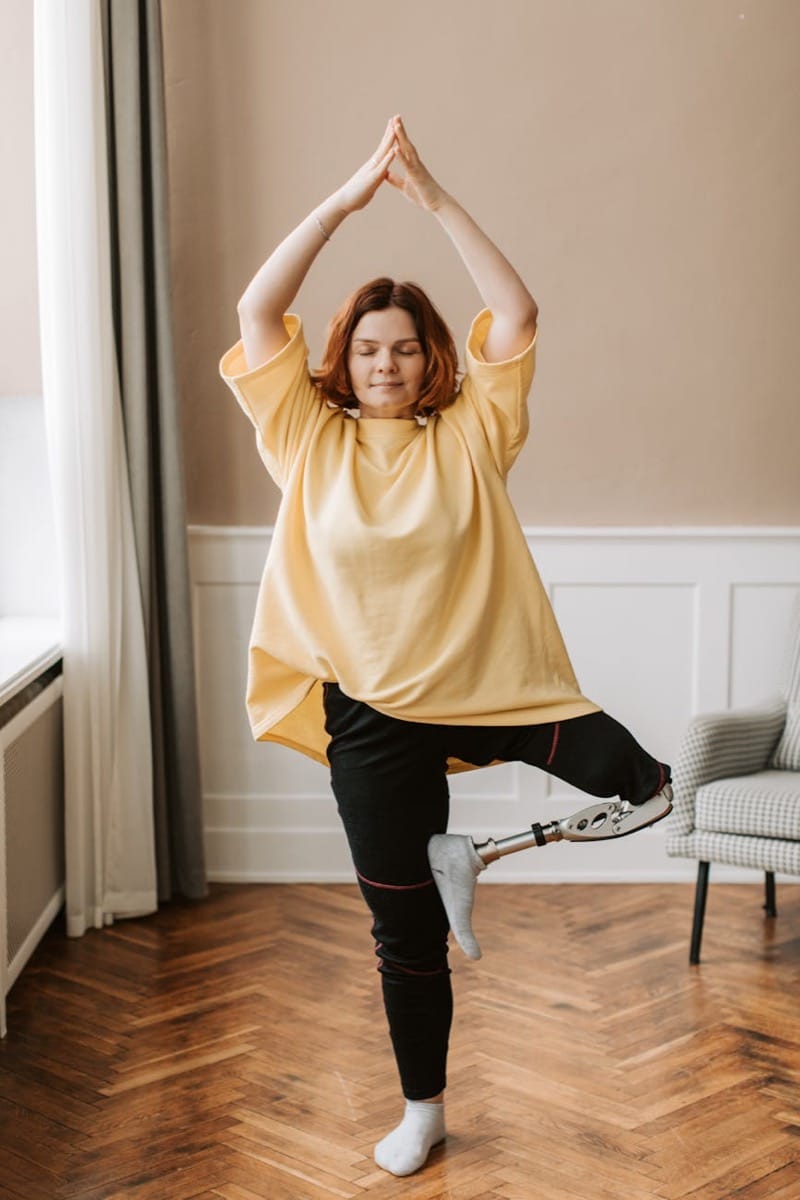
Best Hatha Yoga Teacher Training Online: Real Programs, Costs, and Accreditation
You're considering online hatha yoga teacher training. Maybe you're already a regular student and want to deepen your practice. Maybe you teach other styles and want to add hatha specificity to your toolkit. Or maybe you're building a teaching career from scratch. Whatever your situation, you know that not all online programs are created equal—and you're right to be skeptical. This guide cuts through the marketing language to show you what actual hatha teacher training programs cost, what their curriculum covers, and which ones have real accreditation behind them.

What Makes Hatha Yoga Teacher Training Different From Other Styles
Hatha yoga is often used as an umbrella term in Western studios, but authentic hatha teacher training is specific. It emphasizes precise alignment in asanas (physical postures), holds poses longer than vinyasa or flow-based styles, and prioritizes the biomechanical foundation of each pose. A real hatha training program spends significant time on anatomical positioning, modifications for different bodies, and the philosophical underpinnings of the Hatha Yoga Pradipika—a 15th-century Sanskrit text that forms the actual foundation of hatha practice.
This matters because hatha training requires different teaching skills than flow-based styles. You need to understand how to cue alignment verbally and hands-on, how to use props effectively, and how to sequence for students who may hold poses for 5-10 breaths rather than moving continuously. If a program doesn't explicitly mention alignment training, the Hatha Yoga Pradipika, or props integration in its curriculum description, it's probably generic yoga training with 'hatha' slapped on as a label.
Understanding Yoga Alliance Accreditation and Why It Matters
The Yoga Alliance, founded in 1999, maintains the only widely recognized standards for yoga teacher training in the United States. A Registered Yoga Teacher (RYT) credential requires completion of a 200-hour training from a Yoga Alliance-registered school (RYS). This isn't legal certification—yoga teaching isn't regulated by the government—but RYT status matters if you plan to teach in studios, gyms, or corporate settings. Many studios and insurance providers require it.
For hatha specifically, look for programs that list 'RYS 200' or 'RYS 500' registration. This means the school has submitted its curriculum, instructor credentials, and policies to the Yoga Alliance for review. It's not a guarantee of quality, but it's a baseline. Programs without this registration aren't necessarily bad—some excellent teachers train outside this system—but you should know what you're getting. An unregistered program can't list graduates as RYT-200 or RYT-500, which limits your job options.
There's also the International Association of Yoga Therapists (IAYT), which accredits yoga therapy training. This is different from teacher training, but if you're interested in the therapeutic applications of hatha yoga—working with trauma, specific injuries, or populations with health conditions—IAYT accreditation indicates more clinical rigor.
Real Hatha Teacher Training Programs: Names, Costs, and What You Get
Yoga Alliance Registered Online Hatha Programs
Iyengar Yoga Online (officially through registered Iyengar schools offering online modules) costs between $3,500 and $5,200 for a 200-hour program. Iyengar yoga is a specific lineage within hatha that obsesses over alignment and props. These programs require in-person intensives, so they're hybrid models, not fully remote. But the online portions use recorded classes you can repeat, which works well for learning alignment cues.
Down Dog Yoga (RYS-200) offers a fully online hatha program at $2,800 for 200 hours. Their curriculum includes 80 hours of asana alignment, 40 hours of pranayama and meditation, 30 hours of philosophy and yoga history, and 50 hours of teaching methodology. Classes are recorded, so you watch live or on-demand. They're clear about their accreditation status and require no in-person component, which is genuinely useful if you're working or geographically isolated.
Yoga U Online (RYS-200) runs $2,400 to $3,100 for 200 hours of hatha-focused training. They include the Hatha Yoga Pradipika in the philosophy module, which is rare and good. Their teaching methodology section emphasizes modifications and hands-on assist techniques, though obviously you can't practice assists on screen. They use Zoom live classes with recorded options.
Non-Registered but Solid Programs
Kaivalya Yoga's online 200-hour hatha training costs $1,995 and isn't Yoga Alliance-registered, but their curriculum is actually specific. They spend substantial time on pranayama techniques like nadi shodhana and ujjayi, covered props use, and the eight limbs of yoga (ashtanga, meaning the eight-fold path—not to be confused with Ashtanga Vinyasa style). Their instructors are trained in the traditional approach. Graduates won't be RYT-200 eligible, but if you're teaching independently or supplementing existing credentials, the training itself is legitimate.
Samadhi Yoga Online offers a 200-hour program at $2,200 that focuses heavily on pranayama and meditation alongside asana. It's not Yoga Alliance-registered, but it includes senior teachers with decades of experience. Good if you want deeper philosophy and pranayama knowledge, less good if you need the RYT credential for job eligibility.
What to Evaluate in the Curriculum
Asana and Alignment Training
Real hatha training allocates significant hours to teaching you how to teach poses, not just how to do them. Look for programs that break down individual asanas—Tadasana (mountain pose), Uttanasana (forward fold), Warrior poses, seated poses—with cuing strategies, common misalignments, and modifications. A vague curriculum section saying 'asana training' isn't specific enough. You want to see at least 60-80 hours of asana work in a 200-hour program.
Check whether the program addresses props. Hatha teaching relies on blocks, straps, bolsters, and blankets to make poses accessible. If props aren't mentioned, the program is probably generic. Also ask: does the training cover hands-on adjustments? Many online programs skip this because they can't supervise practice, which is a real limitation you should know about upfront.
Philosophy and Traditional Texts
Legitimate hatha training covers at least one or two primary texts. The Hatha Yoga Pradipika is the obvious choice. The Yoga Sutras of Patanjali (a different, older text) is also foundational. Some programs cover the Bhagavad Gita's yoga references. The point: you should learn yoga philosophy in Sanskrit-grounded terms, not just wellness language. If the curriculum says 'yoga philosophy' without naming texts, you don't know what you're actually getting.
A 200-hour program should allocate 30-40 hours to philosophy and history. That sounds like a lot, but it covers the eight limbs (yama, niyama, asana, pranayama, pratyahara, dharana, dhyana, samadhi), yoga's historical development, and how traditional hatha differs from modern studio yoga. This matters for your credibility as a teacher.
Pranayama and Meditation
Hatha training emphasizes pranayama (breath practices) and meditation more than flow-based styles do. A solid program teaches specific techniques: nadi shodhana (alternate nostril breathing), ujjayi (ocean breath), kapalabhati (skull-shining breath), and bhastrika (bellows breath). It also covers the philosophy behind pranayama—how it connects prana (life force) and mind according to traditional texts. Look for 20-30 hours of pranayama and meditation combined.
Teaching Methodology
How much time does the program spend on actual teaching skills? You need modules on how to sequence a class, how to cue alignment verbally, how to modify poses for different students, and how to manage common problems (tight hamstrings, shoulder issues, low back pain). Ideally, you'll teach practice classes to peer teachers or instructors and receive feedback. Some online programs do this via video submission; others use live Zoom teaching practice sessions. This part is crucial and easy to overlook.

Online Learning Limitations and What You Really Need In-Person
Here's what online hatha training can't replicate: hands-on adjustments (assists), feeling someone else's body in a pose to understand resistance and flexibility, and practiced hands-on corrections. You can watch videos of assists all day, but you need to feel them. Some online programs require a short in-person intensive—usually 2-5 days—to address this. Others skip it and acknowledge the limitation.
If assists and hands-on teaching matter to you—and they should, since they're core hatha skills—ask programs directly: 'Do you require or offer in-person components for learning adjustments?' A program that pretends you can learn advanced assist work over Zoom is being dishonest. A program that acknowledges the limitation and offers workarounds (video submission for feedback, partner exercises you can do with friends, extra mentoring) is being realistic.
Cost Breakdown and Hidden Expenses
The program tuition is just the starting point. Most online programs cost $1,995 to $5,200 for 200 hours. But then add: Yoga Alliance registration fee ($95 initially, then $65 annually to maintain RYT status). Books (often $100-200 for required texts like translations of the Hatha Yoga Pradipika or Yoga Sutras). Props for practicing at home (blocks, straps, bolster: $50-150). Insurance if you plan to teach (yoga teacher liability insurance: $150-300 annually, though not always required starting out).
Total realistic cost to start teaching with full credentials and insurance: $2,500 to $5,700. Some programs bundle books or props with tuition; ask. Some offer payment plans (usually 3-6 installments interest-free). Don't assume the lowest price is the best deal—a $2,000 program might cut corners on curriculum depth or instructor feedback. A $4,500 program might include more teaching practice, better mentorship, or hybrid in-person components.
Red Flags to Avoid
Program claims you can finish in under 200 hours (you can't if you want RYT credential). No names for instructors or their credentials listed. Curriculum descriptions are vague (avoid 'comprehensive yoga training' or 'transform through yoga'—you want specifics). No clear answer about Yoga Alliance status. No mention of philosophy, pranayama, or meditation modules. Promises of job placement or guaranteed income after graduation. No feedback or mentorship structure during training.
Also: ask whether the program is genuinely live or all pre-recorded. Some pre-recorded programs are excellent and allow flexible schedules. But if you're paying premium prices and the entire program is old video with no instructor interaction, that's worth knowing. You should have access to at least some live classes or instructor feedback on practice teaching.
What to Do After You Choose a Program
Before you enroll, email the program director with specific questions: 'What percentage of your instructors have at least 10 years of teaching experience?' 'Can you name one student-taught class structure from your curriculum?' 'How do you handle feedback for practice teaching assignments?' 'Are there any in-person requirements?' Programs that answer directly and specifically are more transparent. Programs that give you marketing fluff in response are less trustworthy.
Once enrolled, treat it seriously. Block 15-20 hours per week minimum. Do the philosophy readings, not just watch videos. Practice teaching assignments outside of class. Ask instructors questions—good programs have office hours or email mentorship. And be honest with yourself: if you realize a program isn't meeting your expectations, many have 14-30 day money-back policies. It's better to switch early than to finish a weak program and start your teaching career with a shaky foundation.
Go Deeper
Compare real programs in the OYP YTT Database:
Related programs in our directory:
Subscribe to my newsletter to get the latest updates and news