
The Best Online Yoga Retreats for Every Yogi: Weekend to Month-Long Programs


Looking for a retreat that fits your life? We've tested online yoga programs from weekend intensives to month-long immersions. Here's what actually works.
You're looking for a real break from your routine. Maybe you can't get away for a week-long retreat at an ashram in Costa Rica, or the cost feels out of reach. But you still want the focus, the structure, the sense of stepping away that a retreat offers. Online yoga retreats give you exactly that—without the plane ticket. The best ones feel less like watching a YouTube video and more like joining a committed group. There's live instruction, guided practices, philosophy talks, and often a community thread or forum where you're practicing alongside others. Some run for a weekend; others span a month. Costs range from $50 to $500+, and quality varies widely. We've spent time in several of these programs—as students and as teachers—to understand what actually works. Here's what we found.
Why Online Retreats Work (and When They Don't)
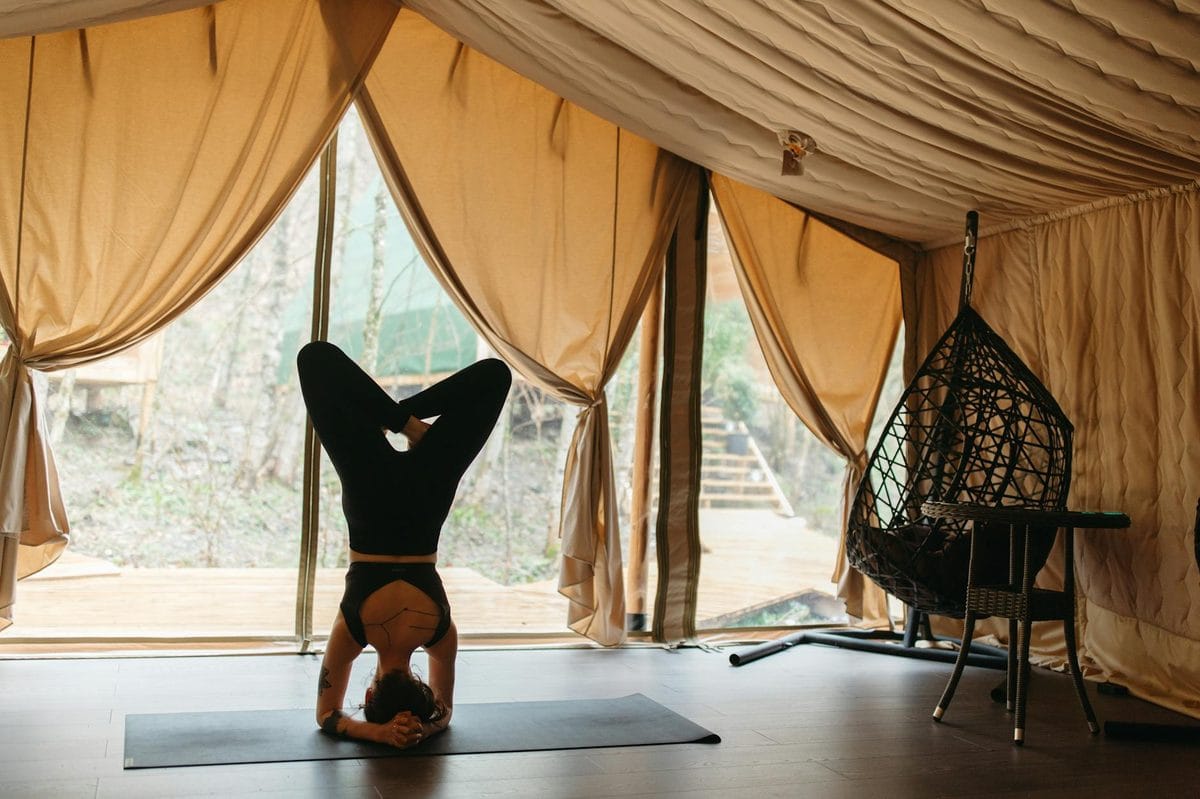
A retreat isn't about luxury or location. It's about stepping out of your ordinary rhythm long enough to notice something new. The Sanskrit word pratyahara—withdrawal of the senses—doesn't require a beach. It requires permission and structure. Online retreats work best when they offer three things: a clear schedule you commit to, live interaction with a teacher (not just recordings), and some sense of group practice, even if you're alone in your living room.
They work less well if you treat them like a course you can do whenever. A retreat is a commitment. If you're checking in between work emails, it's not a retreat—it's an add-on class. The programs worth your money understand this. They hold a container. They ask you to show up at specific times. They create a beginning and an end.
Weekend Intensives: 2–3 Days of Focused Practice
If you have a free weekend and want to taste what a structured retreat feels like, weekend intensives are your entry point. These typically run Friday evening through Sunday, with 3–5 hours of practice daily. You'll often have asana classes, pranayama, meditation, and one philosophy or adjustment workshop.
Yoga Alliance-Accredited Options
Yoga Alliance recognizes continuing education through approved providers. If you're a registered teacher (RYT-200 or higher), weekend intensives from accredited programs count toward your renewal requirements. Look for the Yoga Alliance logo on the retreat page. Many programs offer 8–16 contact hours per weekend.
Notable Programs to Consider
Alo Moves (formerly Alo Yoga's digital studio) runs monthly weekend challenges—three days of themed practice (e.g., hip openers, strength, yin) with live sessions and recorded backups. Cost is typically $15–$20 if you're a subscriber, $50–$75 as a standalone purchase. The structure is light; it's more for practitioners who want accountability than those seeking deep retreat work.
Yoga Journal's live retreats, held quarterly, pair weekend-long online programming with optional pre-recorded material. Teachers like Baron Baptiste and Nikki Vilella lead sessions. Pricing runs $100–$200 depending on the program. The quality of instruction is reliable because Yoga Journal vets their teachers—you're getting established voices, not unknown streamers.
Kinoyoga, founded by Eka Niehaus and based on classical Hatha philosophy, offers weekend intensives focused on alignment and pranayama. These are more technical, less trendy. Costs $75–$150. The community is small, engaged, and questions-welcome. If you're interested in the Yoga Sutras or want a teacher who can explain why a pose matters beyond Instagram, Kinoyoga's retreats repay close attention.
The Yoga Sanctuary (various teachers) runs 2-day workshops on specific topics—yin yoga, chakra philosophy, vinyasa fundamentals—usually Friday evening to Sunday. Pricing: $95–$125. These are beginner-friendly and shorter-term commitment than month-long programs, making them ideal if you're new to retreats.
Week-Long Programs: Deep Dives Into Practice and Philosophy
A full week gives you real momentum. By day three, you've settled into the rhythm. The practice deepens. Your mind stops planning dinner and actually rests. Week-long retreats typically include 1–2 asana classes daily, pranayama, meditation, and daily philosophy talks or adjustment sessions. You're looking at 20–35 contact hours total.
What to Expect Schedule-Wise
Most 7-day programs run Monday through Sunday, with live sessions in the morning (usually 6–9 a.m. EST) and evening (6–8 p.m.). This lets you work a day job if needed, though the best retreat experience happens when you block the week off entirely. Some programs offer asynchronous options—recorded sessions you can access if you miss live—but the magic lives in the live room, in real time.
Quality Programs at Different Price Points
Yoga Sanctuary International offers week-long online intensives led by experienced teachers like Jaivant Paramanananda (Hatha philosophy background). Expect pranayama deep dives, meditation instruction, and daily satsangs (philosophy talks). Cost: $150–$250. Teachers are often trained in traditional lineages, so teachings are grounded rather than watered down.
The Ashton Yoga Collective runs 5-day intensive workshops quarterly, many of which are online. Teachers include specialists in yin yoga, Tantra philosophy, and alignment. Pricing: $175–$300. This is aimed at serious practitioners, not beginners. The philosophy component is substantial—expect readings from the Bhagavad Gita or Tantra texts.
Yoga International (part of the Yoga Alliance ecosystem) offers week-long online retreats with established teachers. Costs range $200–$400. Sessions are Zoom-based, live. You get video recordings afterward, so you can revisit the work. The teaching is conservative in the best sense—rooted in lineage, not chasing trends.
If budget is tight, many independent teachers (found through Instagram or teacher directories) offer 5–7 day online retreats for $75–$150. Quality varies. Ask if they offer a detailed schedule in advance, if sessions are live, and if there's any community component. A retreat should feel bounded and intentional, not improvised.
Month-Long Programs: Immersion and Real Transformation
A month changes you differently than a weekend. You move through phases: the excitement phase, the plateaus, the moments when the practice finally softens you. Month-long retreats are often structured around a theme—the Yoga Sutras, chakras, a specific asana focus, or a philosophy study. They typically include 4–6 live sessions per week, with recorded alternatives, allowing flexibility while maintaining commitment.
Philosophy-Heavy Programs
If you want to actually study yoga philosophy, not just practice asana, month-long programs are where this happens. Many include assigned readings from the Yoga Sutras, Bhagavad Gita, or Hatha Yoga Pradipika, with discussion sessions led by teachers who have spent years with these texts. This isn't light engagement.
Kinoyoga's 30-day programs dive deep into classical texts. One popular option: 'The Yoga Sutras: A 30-Day Study' with multiple teachers rotating through sessions. Cost: $200–$300. You'll receive a translation of the Sutras, reading assignments, and daily practice sessions anchored to the philosophy. This attracts serious students—people who want to understand why yoga matters beyond physical practice.
Yoga International also runs month-long structured programs. Their 'Yoga Fundamentals' month covers history, philosophy, basic asana, and pranayama for newer students. Cost: $150–$250. If you're relatively new to yoga but want context—where did this come from? What's the bigger picture?—this fills that gap without being overwhelming.
Asana-Focused Month Programs
Other month-long programs emphasize physical practice. A common model: '30 Days of Vinyasa' or 'Yin Yoga: A Month of Softening.' These include daily live or recorded classes, typically 45–75 minutes. You're building consistency and deepening your asana knowledge. Cost ranges $100–$200.
Down Dog Yoga offers month-long challenges with daily practices, typically around $30 total if you're a subscriber, $60–$80 standalone. These are accessible but less personal than programs with live teachers. Best if you already have a home practice and want external structure and community check-ins.
Teacher Training–Style Programs
Some month-long programs function as lighter versions of yoga teacher trainings. You learn to teach basics, understand anatomy, study sequencing, and practice philosophy. If you're exploring whether teacher training appeals to you, these offer a testing ground. Cost: $300–$500. They don't count as official 200-hour trainings—that requires 200 contact hours with a Yoga Alliance-registered school—but they deepen your own practice and teaching clarity.
How to Choose the Right Online Retreat for You
Assess Your Schedule and Energy
Be honest about how much time you can protect. A weekend retreat needs a full weekend. A month-long program needs 3–5 sessions weekly. If you're working full-time and can only commit to occasional evening practice, a month-long program will frustrate you. A weekend or short week intensive is more realistic and far more satisfying than abandoning a month-long one halfway through.
Know What You're Seeking
Are you burned out and needing rest? Look for yin or restorative programs. Want to study philosophy? Go for Sutras-based or Tantra-focused offerings. Seeking fitness and strength work? Vinyasa or power programs. Don't pick 'well-rounded' generically. A retreat is a focused container. Focused is the whole point.
Check the Teacher's Background
Does the teacher have at least 10 years of practice? Do they cite lineage or tradition, or just vibes? Are they Yoga Alliance registered? Have they led groups before, or is this their first retreat? A good retreat leader holds a container with clarity. You can usually tell within the first session if someone's doing this work or just making money. Read reviews. Ask in yoga communities. The teacher matters more than the platform.
Verify Live Components
If the program advertises live sessions, confirm the timezone and exact meeting times before paying. Some programs say 'live' but mean you can watch a previously recorded video anytime. That's fine—it's just not the same as a live retreat. Clarify expectations upfront so you're not disappointed.
Check if There's Community Built In
Do they have a private forum, WhatsApp group, or Discord where participants connect? This shifts the experience from solo practice to shared practice. You'll stay more committed, get support, and feel less isolated. If there's no community component, the program better have exceptionally good teaching to justify it.
Cost Reality and Value
A weekend intensive at $75–$150 is reasonable. A week-long program at $200–$350 is mid-range and typical. A month at $150–$400 is accessible and fair. Programs charging $500+ for a month better include significant one-on-one access, detailed written materials, or post-program support. Don't equate cost with quality—a $100 program from an experienced teacher beats a $400 program from a newer instructor. But very cheap programs often feel unfinished. Below $40 for a full week? Probably recordings, not live.
Yoga Alliance accreditation is a mark of structure and teacher training, but it's not a guarantee of the best experience. It means the program meets baseline standards—hours tracked, lessons documented, teacher qualifications verified. Many excellent online retreats aren't officially accredited. Just know what accreditation does and doesn't tell you.
What to Prepare Before Your Retreat
Treat an online retreat like an offline one. Clear your calendar. Let friends and family know you're unavailable. Set up a quiet practice space—even a corner of a room works. Have props ready (blocks, straps, blankets). Tell your boss or partner: I'm doing this. This makes the difference between a retreat and just taking online classes.
Read any pre-retreat materials sent. If philosophy is covered, read the assigned texts beforehand or at least skim them. Show up five minutes early to each live session. These small acts of preparation honor the retreat and your own commitment to it.
After the Retreat: Integration
The retreat doesn't end when the program finishes. In fact, the real work often begins then. You've stepped out of your normal life and touched something quieter, steadier. Now you return to a world that hasn't changed, but you have. The teaching term pravritti—'continuation'—refers to integrating practice into daily life. If the program offers a community after it ends, stay engaged. If they offer a discount for advanced study, consider it. Most importantly, protect one or two practices from the retreat that actually changed something. That becomes your anchor.
Online retreats aren't inferior to in-person ones. They're different. You save time and money. You practice in your own sanctuary. You skip the overwhelm of group living. What you gain is freedom and accessibility. What you trade is the energetic field of group presence and the enforced rest of being away. Both have value. Choose knowing what you need.
Subscribe to the newsletter
Subscribe to my newsletter to get the latest updates and news