Santosha Yoga Institute Review: Online Teacher Training Programs, Costs, and Accreditation

Detailed review of Santosha Yoga Institute's online teacher training programs, pricing, accreditation status, and whether their courses are right for your yoga teaching goals.
You're considering online yoga teacher training, and Santosha Yoga Institute keeps appearing in your search results. Maybe you're drawn to their Australian roots, or perhaps you've heard good things from other yoga teachers. Before you commit time and money to any training program, you need real details: what you'll actually learn, how much it costs, whether it's properly accredited, and if the teaching style matches what you're looking for. This review gives you exactly that.
About Santosha Yoga Institute and Sunny Richards
Sunny Richards founded Santosha Yoga Institute in 2008 in Australia, building a school grounded in the principle of santosha—contentment and acceptance—one of the Niyamas in the Yoga Sutras. The institute started as a physical space in Brisbane and has since expanded to offer both in-person intensives in stunning locations and comprehensive online teacher training programs. Richards' approach centers on creating a judgment-free environment where students feel welcomed as family, not just paying customers. That philosophy shapes how the school structures its classes and teacher training curriculum.
The school has grown into a recognizable name in the online yoga education space, attracting students from across the globe who want a training program with genuine philosophical depth rather than purely commercial packaging. Understanding the founder's vision matters because it informs what you'll encounter in their courses—whether that aligns with your own practice and teaching goals.
Santosha's Online Teacher Training Programs
200-Hour Yoga Teacher Training
Santosha's 200-hour online program is structured to meet Yoga Alliance standards, making graduates eligible for RYT-200 certification. The curriculum covers asana (physical postures), pranayama (breath work), meditation, yoga philosophy grounded in classical texts like the Yoga Sutras and Bhagavad Gita, anatomy and alignment, and practical teaching skills. The program is typically delivered through a combination of live online sessions and recorded modules, allowing flexibility for students in different time zones. Most participants complete the 200-hour program over 6-12 months, though you can often move at your own pace depending on the specific cohort structure.
The philosophy component distinguishes Santosha from more asana-heavy programs. Rather than treating yoga history as background information, the institute integrates the Yamas and Niyamas—ethical and personal observances—throughout the training. This means you'll spend real time on concepts like ahimsa (non-harm), satya (truthfulness), and the santosha principle itself, exploring how these apply to your teaching and personal practice.
300-Hour Advanced Teacher Training
Santosha also offers 300-hour advanced programs, typically designed for teachers who've completed their initial 200 hours and want deeper study. These programs go further into yoga philosophy, advanced teaching methodology, specializations like prenatal yoga or restorative yoga, and the business side of running a yoga teaching practice. A 300-hour completion, combined with your 200-hour credentials, makes you eligible for RYT-500 status with Yoga Alliance—a significant credential in the professional yoga world.
Continuing Education and Specialty Courses
Beyond the main certification tracks, Santosha offers standalone continuing education modules. These shorter courses let existing teachers refresh their knowledge, explore specific topics like pranayama or yoga therapy, or earn Continuing Education Units (CEUs) for maintaining their Yoga Alliance standing. These are useful if you're already teaching and want focused study without the commitment of a full 200 or 300-hour program.
Accreditation and Yoga Alliance Status
Santosha Yoga Institute is registered with Yoga Alliance as a Registered Yoga School (RYS). This matters because Yoga Alliance accreditation is the closest thing the yoga world has to standardized credentials. When schools register with Yoga Alliance, they agree to teach a minimum number of hours in specific subject areas—philosophy, anatomy, teaching methodology, and practice. Yoga Alliance doesn't regulate quality, but accreditation does indicate the school meets baseline standards and that graduates can use the RYT (Registered Yoga Teacher) designation.
Check Santosha's current RYS status directly on the Yoga Alliance website before enrolling. Accreditation details can change, and you want confirmation that your graduation will be recognized by studios, insurance providers, and other yoga organizations that reference Yoga Alliance credentials.
Program Costs and Payment Options
Online yoga teacher training typically ranges from $2,000 to $5,000 for a 200-hour program, depending on the school's reputation, instructor experience, and included materials. Santosha's pricing sits within this range, though exact costs should be confirmed on their current website as fees adjust over time. Most programs offer payment plans, allowing you to split tuition across 3, 6, or 12 monthly installments rather than paying the full amount upfront—a practical option if you're funding training yourself.
When evaluating cost, consider what's included: recorded lectures, live mentoring sessions, access to a student community, study materials, and assessment or final teaching practicum. Santosha's emphasis on philosophy and personalized feedback suggests stronger support than bare-minimum programs, which typically justifies higher tuition. You're paying for experienced teachers and curriculum depth, not just access to videos.
Teaching Methodology and Philosophy
What makes Santosha distinct is its integration of traditional yoga philosophy with modern teaching skills. Many online programs prioritize asana and business training; Santosha weights philosophy more heavily. You'll encounter the actual texts—Yoga Sutras, Bhagavad Gita, Upanishads—not simplified summaries. This approach appeals to teachers who want to understand yoga as a complete system, not just a physical fitness practice.
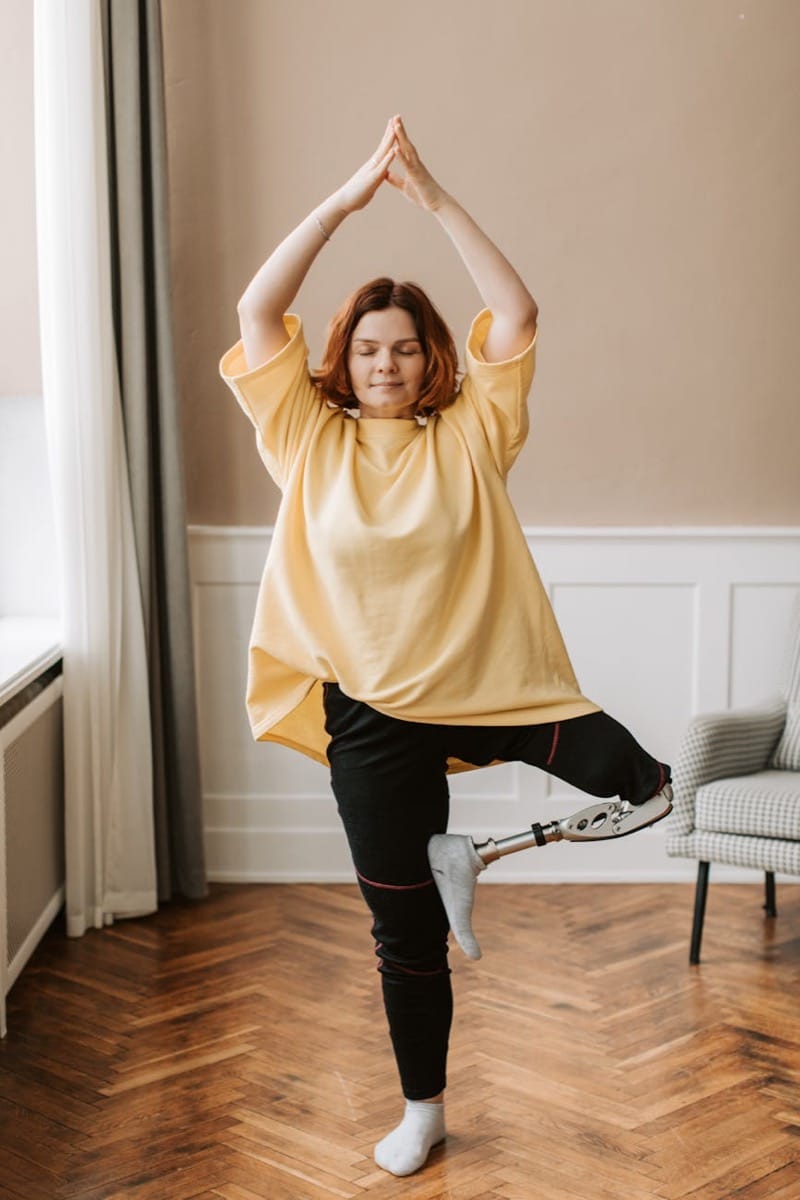
The principle of santosha itself becomes a teaching tool. In a Santosha-trained classroom, acceptance and contentment aren't abstract concepts—they're woven into how you cue students, create space, and respond to different body types and abilities. This translates to more inclusive teaching, which matters in a field that has historically centered thin, flexible bodies and Western aesthetics.
Live interaction with instructors is emphasized. Online programs can feel isolating; Santosha builds in group sessions, mentoring, and peer feedback to simulate the community aspect of in-person training. This slows your progress slightly—you can't sprint through the material—but creates stronger foundational teaching skills.
Online Delivery and Schedule Flexibility
Santosha's online programs use a hybrid model: some content is recorded and self-paced, while live sessions happen on set schedules. This balances flexibility with structure. You can watch lectures when convenient, but you'll attend group sessions at assigned times, which keeps you accountable and connected to instructors and classmates. Time zone considerations matter if you're outside Australia; confirm session times before enrolling to ensure they work with your schedule.
The platform itself—whether Santosha uses Zoom, their own learning management system, or another tool—affects your experience. Direct this question to their admissions team. You want a platform that's reliable, intuitive, and lets you access recorded sessions if you miss live ones.
What Former Students Say
Reviews and testimonials from graduates are worth investigating, though take them with appropriate skepticism. Look for specific feedback: Did teachers respond to questions? Was the philosophy content accessible or overwhelming? How prepared did graduates feel to teach their first classes? Did the program support finding teaching opportunities afterward? School websites typically feature positive testimonials, so supplement those by searching independent review sites or asking directly if the school can connect you with recent graduates for informal conversations.
Pay attention to patterns. If multiple reviews mention strong teaching relationships or rigorous philosophy study, that's meaningful. If complaints center on poor communication or vague scheduling, those are red flags.
Is Santosha Right for You?
Santosha Yoga Institute suits you if you're serious about understanding yoga as philosophy and practice, not just fitness instruction. If you want a training program grounded in classical texts and the Yoga Sutras rather than modern yoga culture, this school's approach aligns. The emphasis on creating inclusive, judgment-free teaching spaces also appeals to teachers interested in accessibility and community care.
Consider alternatives if you need maximum scheduling flexibility, prefer asana-focused training, or want the lowest possible tuition. Santosha's deliberate pace and integration of philosophy take time; that's a feature, not a flaw, but it means the program demands genuine commitment.
Next Steps
If Santosha interests you, request their detailed curriculum outline and current program schedule directly from their website. Ask specific questions: How much of the program is live versus recorded? Who are the primary instructors, and what are their credentials and teaching experience? What's included in tuition, and what costs extra? How does the school support graduates finding teaching work? What's their refund policy if you need to withdraw?
Reputable schools answer these questions thoroughly and don't pressure you to enroll immediately. If an intake counselor pressures you or dodges specifics, that's useful information too. A good training program is an investment in your career and practice; take time to choose carefully.
Subscribe to the newsletter
Subscribe to my newsletter to get the latest updates and news