Your Guide to the Chakra System: Seven Energy Centers Along Your Spine

The chakra system is mapped in the oldest yogic texts. Here's how to understand and work with each of the seven energy centers.
You sit down to meditate and feel something is off. Your mind won't settle, or your chest feels tight, or you notice old emotions surfacing without reason. You might be sensing imbalance in your energetic body—the network of chakras that the Vedas have mapped for thousands of years. The chakra system isn't mystical decoration added to yoga later. It appears in the oldest yogic texts, from the Upanishads to the Yoga Sutras of Patanjali. These texts describe chakras as real energy centers you can learn to sense, balance, and work with using pranayama, mantra, and conscious attention.
This guide meets you where you are—whether you're new to chakras or ready to deepen your understanding—and shows you how to actually use this knowledge in your body, not just read about it. Each chakra governs specific physical systems, emotional patterns, and ways of relating to the world. When you understand what each one does and how it feels when it's open or blocked, you gain a practical toolkit for self-awareness and healing.
What Is a Chakra?
The Sanskrit word cakra means wheel or circle. In yogic anatomy, chakras are spinning vortexes of energy located along the central energy channel, or nadi, that runs from the base of your spine to the crown of your head. The primary channel is called the sushumna nadi. Two other major nadis—ida (lunar, on the left) and pingala (solar, on the right)—spiral around it.
The chakra system first appears in the Vedas, India's oldest spiritual texts, and is elaborated in later texts like the Yoga Upanishads and the Hatha Yoga Pradipika. The Hatha Yoga Pradipika, written by Svatmarama in the 15th century, describes chakras with anatomical precision: specific locations, associated elements, colors, sounds, and functions. These aren't poetic metaphors. They're descriptions of energetic anatomy that practitioners report experiencing directly through sustained meditation and pranayama practice.
When a chakra is balanced, prana—life force energy—flows freely through it. When blocked by tension, trauma, or unconscious patterns, you might feel physical symptoms (fatigue, digestive issues, pain) or emotional symptoms (anxiety, grief, difficulty expressing yourself). Learning to sense and work with chakras gives you a language for these experiences and techniques to restore flow.
The Seven Chakras: Location, Element, and Function
1. Muladhara: Root Chakra
Location: Base of the spine, at the perineum. Element: Earth. Color: Red. Seed mantra: LAM. Muladhara translates as root support. This chakra is your foundation. It governs survival instincts, physical safety, grounding, and your sense of belonging to the body and the physical world. When muladhara is balanced, you feel safe, stable, and present. When blocked, you might experience anxiety, financial instability, poor grounding, or disconnection from your body.
To activate muladhara: Practice standing poses like Tadasana (Mountain Pose) with feet firmly rooted. Use grounding pranayama like Bhramari (Bee Breath) or simple root lock practices (Mula Bandha). Chant LAM while visualizing a red glowing sphere at the base of your spine. Stomp your feet, walk barefoot on earth, and eat grounding foods like root vegetables and protein.
2. Svadhisthana: Sacral Chakra
Location: Lower abdomen, just below the navel. Element: Water. Color: Orange. Seed mantra: VAM. Svadhisthana means one's own place. This chakra governs creativity, sexuality, sensuality, emotional flow, and pleasure. It's the seat of the life force before it condenses into reproductive energy. When balanced, you're creative, emotionally fluid, and able to enjoy life. When blocked, you might feel creatively stuck, emotionally numb, or disconnected from pleasure and your own desires.
To activate svadhisthana: Practice hip-opening poses like Baddha Konasana (Bound Angle Pose) and Anjaneyasana (Low Lunge). Use Uddiyana Bandha (upward lock) to build heat and awareness in the lower belly. Chant VAM. Dance, create art, or move your hips in free, flowing ways. Work with your emotions through journaling or therapeutic practice rather than suppressing them.
3. Manipura: Solar Plexus Chakra
Location: Behind the navel, in the solar plexus region. Element: Fire. Color: Yellow. Seed mantra: RAM. Manipura means lustrous gem or city of jewels. This chakra is your power center. It governs willpower, discipline, metabolism, self-esteem, and your ability to act in the world. When balanced, you feel confident, purposeful, and capable. When blocked, you might feel powerless, lack motivation, struggle with digestion, or battle low self-worth.
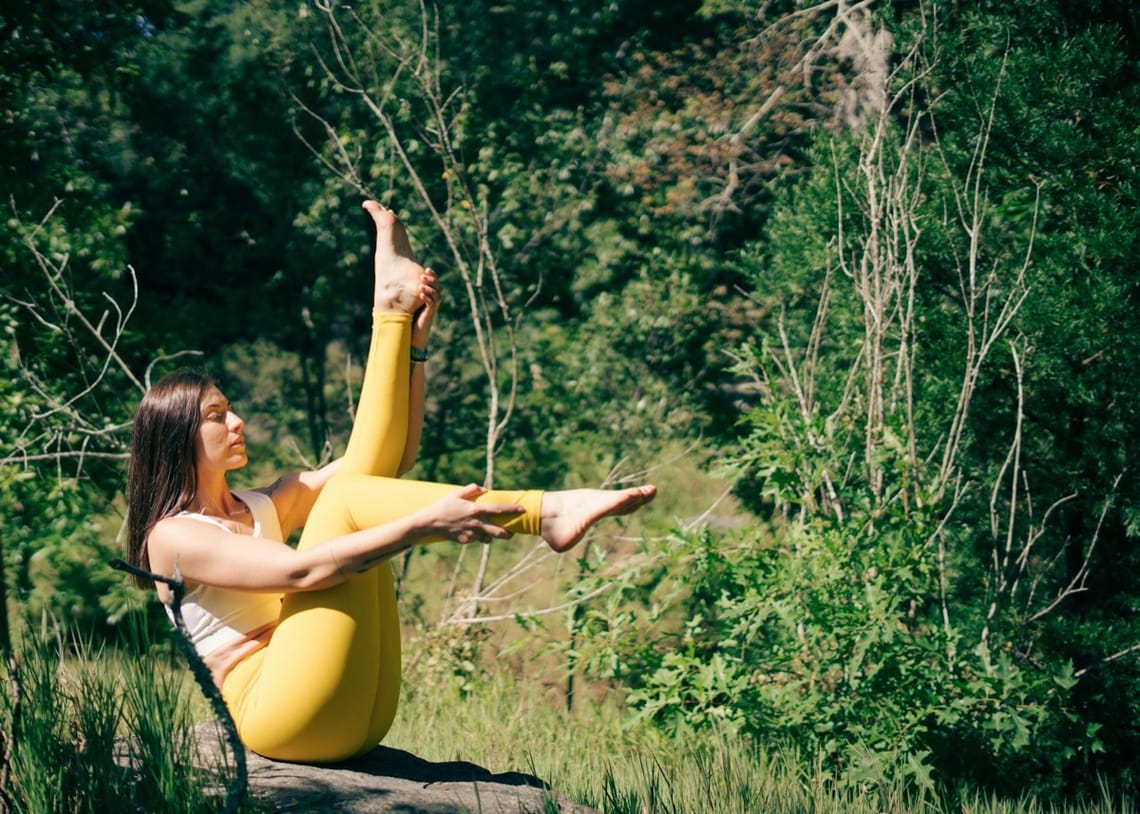
To activate manipura: Practice core-strengthening poses like Navasana (Boat Pose) and Bhujangasana (Cobra Pose). Use Agni Sara—fire-cleansing breathwork that stokes digestive and metabolic fire. Chant RAM while visualizing a yellow or golden flame at your solar plexus. Practice Kapalabhati (Skull-Shining Breath), a vigorous pranayama that activates inner fire. Work with your personal power and boundaries through affirmations and assertive communication.
4. Anahata: Heart Chakra
Location: Center of the chest, at the heart. Element: Air. Color: Green or pink. Seed mantra: YAM. Anahata means unstruck sound—the sound that vibrates without being struck, the eternal vibration underlying all existence. This is the bridge between the lower three (survival, creativity, power) and upper three (communication, intuition, transcendence) chakras. It governs love, compassion, grief, forgiveness, and interconnection. When balanced, you love freely, feel compassion, and are open to giving and receiving. When blocked, you might feel emotionally guarded, unable to grieve, or struggling with loneliness.
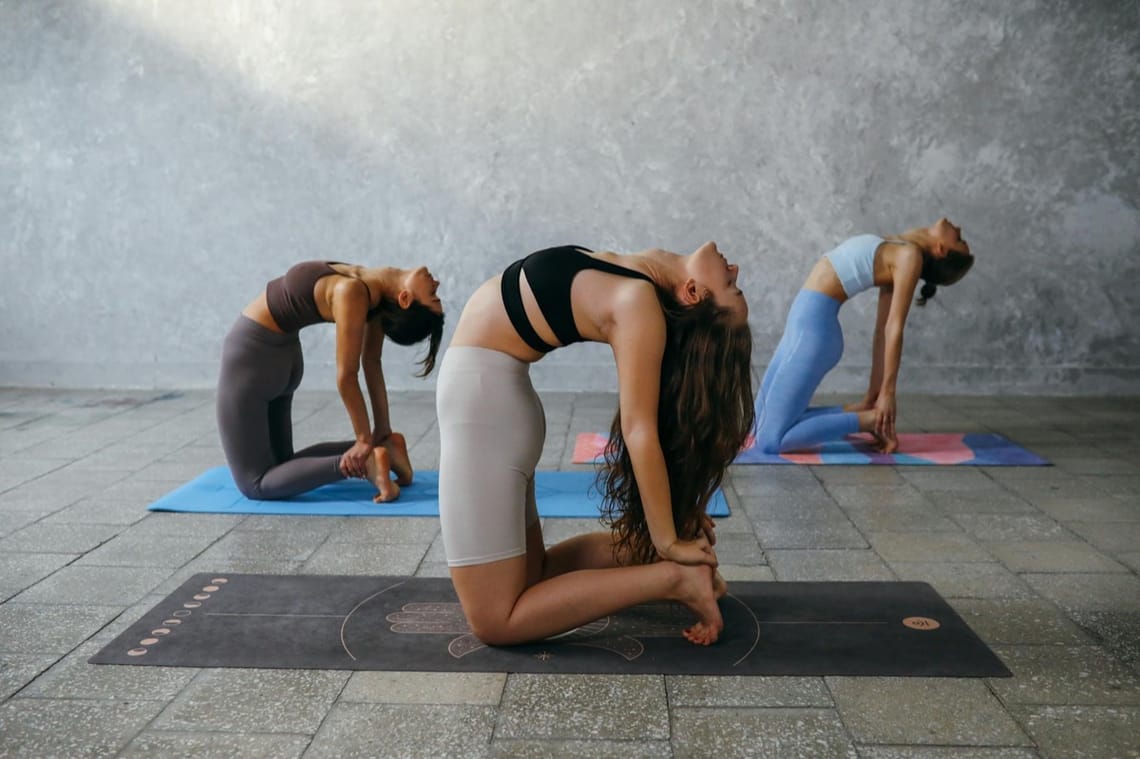
To activate anahata: Practice heart-opening backbends like Urdhva Mukha Svanasana (Upward-Facing Dog) and Ustrasana (Camel Pose). Use Ujjayi Pranayama (Ocean Breath) to create resonance in the heart space. Chant YAM. Practice loving-kindness meditation (Metta). Work consciously with grief—sadness is the intelligence of the heart telling you what matters. Self-compassion practices and forgiveness work deeply here.
5. Vishuddha: Throat Chakra
Location: Throat, at the larynx. Element: Ether or space (Akasha). Color: Light blue. Seed mantra: HAM. Vishuddha means purification. This chakra governs communication, self-expression, authenticity, and listening. It's where you translate your inner truth into sound and word. When balanced, you speak truthfully, listen deeply, and express yourself clearly. When blocked, you might struggle to speak up, feel unheard, or speak without thinking.
To activate vishuddha: Practice neck rolls and gentle neck stretches. Use Lion's Breath (Simhasana pranayama), which releases tension in the throat. Chant HAM. Sing, hum, or use nada yoga (sound practices). Journal your truths. Practice conscious listening in conversations. Ujjayi pranayama, which creates sound in the throat, is especially useful here. Throat chakra work often involves finding and speaking your authentic voice.
6. Ajna: Third Eye Chakra
Location: Between the eyebrows, at the center of the forehead. Element: Light. Color: Indigo. Seed mantra: OM. Ajna means to perceive or command. This is the seat of inner vision, intuition, and higher knowing. It's where you perceive beyond the physical senses. When balanced, you trust your intuition, access insight, and see the bigger picture. When blocked, you might feel disconnected from intuition, live too much in your thinking mind, or struggle to see solutions.
To activate ajna: Practice Trataka (candle-gazing meditation), which strengthens the inner eye. Meditate on the space between the eyebrows. Chant OM. Use visualization practices. The Yoga Sutras of Patanjali describe practices in Samadhi (absorption) that naturally open this chakra as your meditation deepens. Work with your intuition by noticing subtle knowing, dreams, and inner guidance. Limit external stimulation (especially screens) to create space for inner perception.
7. Sahasrara: Crown Chakra
Location: Top of the head or just above it. Element: None (transcendence). Color: Violet or white. Sahasrara means thousand-petaled. This chakra is less about functioning and more about integration and transcendence. It's the gateway to states beyond individual consciousness—to samadhi (absorption), enlightenment, and direct experience of the divine. Unlike the other chakras, sahasrara doesn't really get blocked; rather, we gradually access it through sustained spiritual practice.
To access sahasrara: Deep meditation, especially practices that cultivate Kundalini energy (shakti), naturally lead to crown activation. Study of the Upanishads and Vedanta philosophy supports this opening. Chant OM. Practice advanced pranayama like Nadi Shodhana (alternate nostril breathing) to prepare the nervous system. The crown opens not through forcing but through releasing individual identity and resting in unity consciousness. This is the fruit of long-term practice.
How to Sense and Work with Your Chakras
Meditation and Direct Sensation
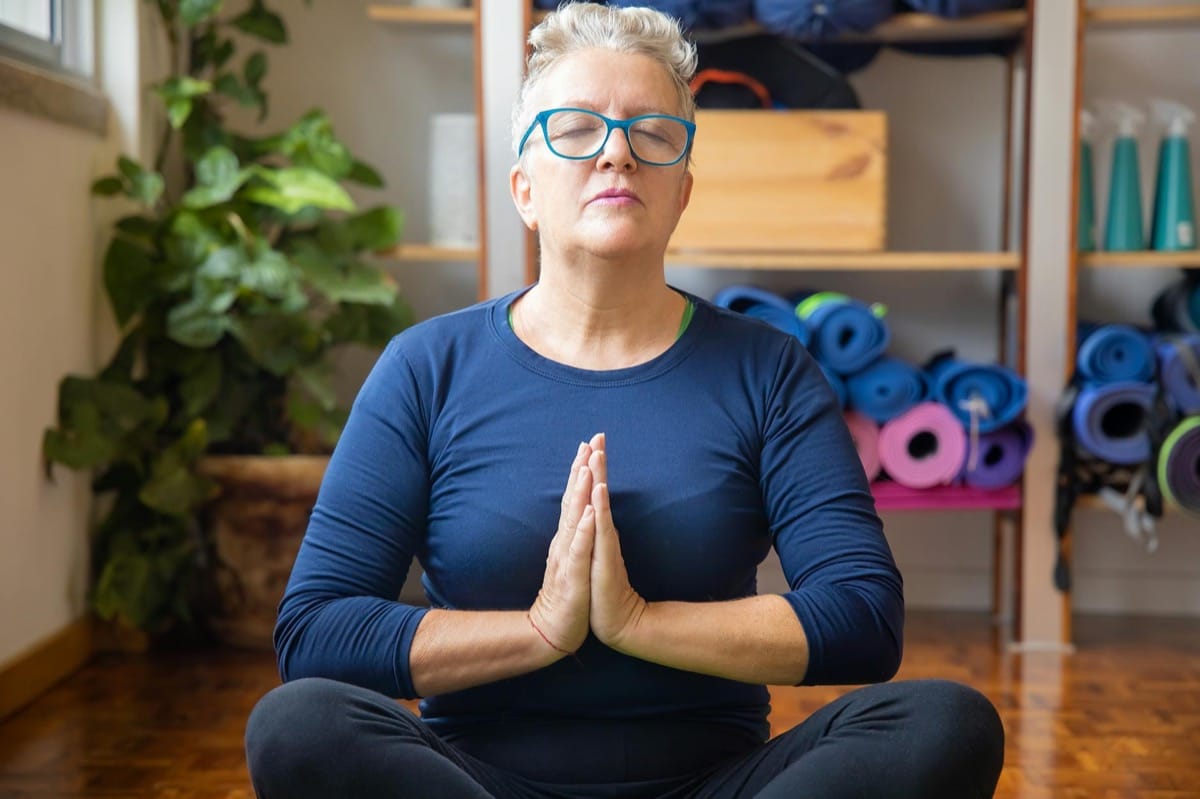
The most direct way to learn chakras is through felt experience in meditation. Sit in a comfortable upright posture—Sukhasana (Easy Pose), Ardha Padmasana (Half Lotus), or even a chair works. Close your eyes and bring your attention to the base of your spine. Don't force anything. Simply notice: Is there warmth? Tingling? Heaviness? Lightness? Color? Movement? After a few minutes at the root, move your attention up to the sacral area, then the solar plexus, and continue. You're learning the language your nervous system uses to communicate with you.
Mantra and Sound
Each chakra has a seed mantra (bija mantra) that contains the vibrational essence of that center. Chanting the mantra while focusing on the chakra's location creates resonance. For example, sitting in meditation, you might chant LAM for muladhara, feeling the vibration at the base of your spine. Chant slowly, feel each syllable. The sound itself is a tool; you're not thinking about anything, just riding the vibration. Many practitioners find that after a few rounds of a mantra, that chakra becomes noticeably more alive and accessible.
Pranayama and Energy Movement
Different breathing techniques activate different chakras and move energy through the nadi system. Kapalabhati stokes manipura. Ujjayi grounds the mind in vishuddha. Nadi Shodhana (alternate nostril breathing) balances ida and pingala, preparing the sushumna for energy to rise. When you practice pranayama with conscious intention at specific chakras, you're literally working with prana flow. The Hatha Yoga Pradipika describes these techniques with specificity, including bandhas (locks) that direct energy.
Asana and Embodiment
Yoga poses activate and balance chakras through physical work and energetic focus. Forward folds calm the nervous system and turn attention inward toward ajna and sahasrara. Hip openers activate svadhisthana. Backbends open anahata and lift energy upward. As you practice asana, you're not just stretching muscles; you're creating space for prana to flow. Many teachers now offer chakra-focused yoga sequences that work with specific centers. If you're drawn to this, look for classes that combine asana with pranayama and meditation rather than purely physical practice.
Common Chakra Imbalances and How to Address Them
A chakra can be either deficient (blocked, under-functioning) or excessive (over-stimulated, depleted). Muladhara deficiency feels like anxiety and rootlessness; muladhara excess feels like stagnation and greed. Svadhisthana deficiency creates creative block and sexual shutdown; excess creates addiction and emotional chaos. Learning to recognize these patterns in your own experience is the real work of chakra practice.
If you feel chronically anxious, unstable, or disconnected from your body, muladhara work (grounding, earth connection, safety practices) is essential before moving to higher chakras. If your throat chakra is blocked and you're unable to speak your truth, no amount of heart work will resolve that; you need to practice authentic expression. The chakras don't work in isolation. They're an integrated system. But you can identify where imbalance lives in your system and work skillfully with that specific center.
The Real Purpose of Chakra Practice
Chakra practice isn't about collecting psychic experiences or proving the system works. It's about integrating your physical, emotional, and spiritual being into wholeness. When you understand that anxiety might be held in your root, grief in your heart, and repressed creativity in your sacral, you stop treating these as random problems and start seeing them as messages from your energetic body asking for attention.
The goal of most classical yoga traditions is kundalini awakening—the rise of dormant shakti energy from muladhara through the nadi system to sahasrara, where individual consciousness merges with universal consciousness. But this isn't something you force. You prepare the system through asana, pranayama, meditation, and ethical living. The energy rises naturally when the channels are clear and the psyche is ready. This is why the yoga texts emphasize gradual, systematic practice under skilled guidance rather than chasing peak experiences.
Getting Guidance and Going Deeper
If chakra work calls you, consider studying with a teacher trained in Kundalini yoga or Tantra traditions, where chakra anatomy is part of the core curriculum. Yoga Alliance-certified teachers with specialization in pranayama and energy work are equipped to offer safe, grounded guidance. Online programs like the Yoga Alliance (yogaalliance.org) database let you search for teachers with specific training. Some teachers offer chakra-focused workshops or ongoing classes that combine philosophy, pranayama, asana, and meditation into an integrated practice.
Books like the Hatha Yoga Pradipika and the Sat Chakra Nirupana (a classical text on the chakra system by Swami Satyananda Saraswati) offer depth. David Frawley's 'Yoga of the Subtle Body' translates these teachings into modern language without losing precision. But remember: the ultimate teacher is your own body and experience. The texts and teachers are mirrors. You learn chakras by feeling them, working with them, and noticing what shifts when you do.
Start where you are. If you're new to chakras, a simple daily practice of sitting quietly, bringing attention to each center, and chanting the seed mantras will teach you far more than reading. If you're experienced, deepening pranayama and meditation practice will naturally deepen chakra awareness. The system itself is designed to meet you exactly where you are and lead you forward.
Related programs in our directory:
- a spiritually-oriented yoga school in New Delhi — 4.99★ · 154 reviews
- a spiritually-focused yoga retreat in Greece — 4.89★ · 630 reviews
Related Reading
chakra training courses online
LEARN WITH BE WELL ACADEMY
Chakra Balancing 101
Understanding the chakra system is one thing — working with it is another. Amber Helms' course gives you a practical framework: guided meditations, breathwork, and balancing techniques for each of the seven chakras. Self-paced, no prior experience needed.
Explore the Course →$99 · One-time · Lifetime accessChakras and astrology are deeply connected — explore how planetary energies map to the chakra system on Online Astrology Planet.
Go Deeper
Compare real programs in the OYP YTT Database:
Subscribe to the newsletter
Subscribe to my newsletter to get the latest updates and news