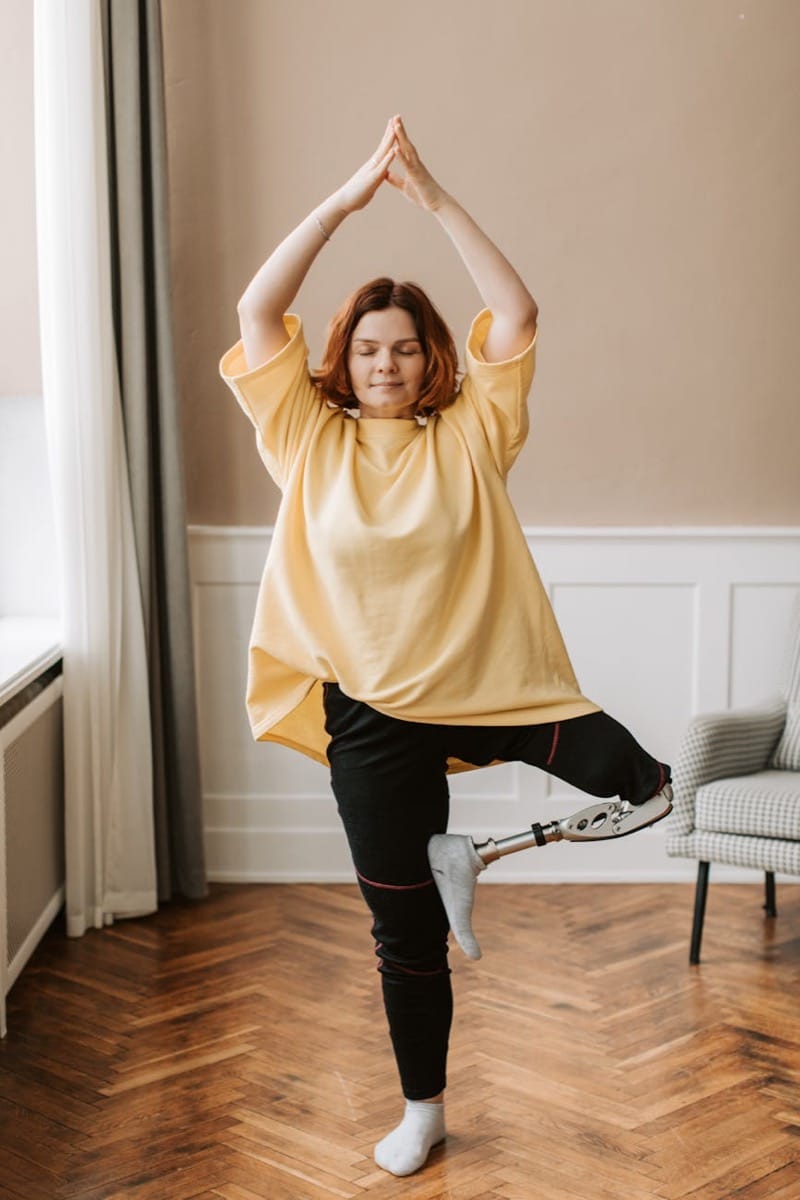
Best Breathwork Teacher Trainings: Find Your Certification Path

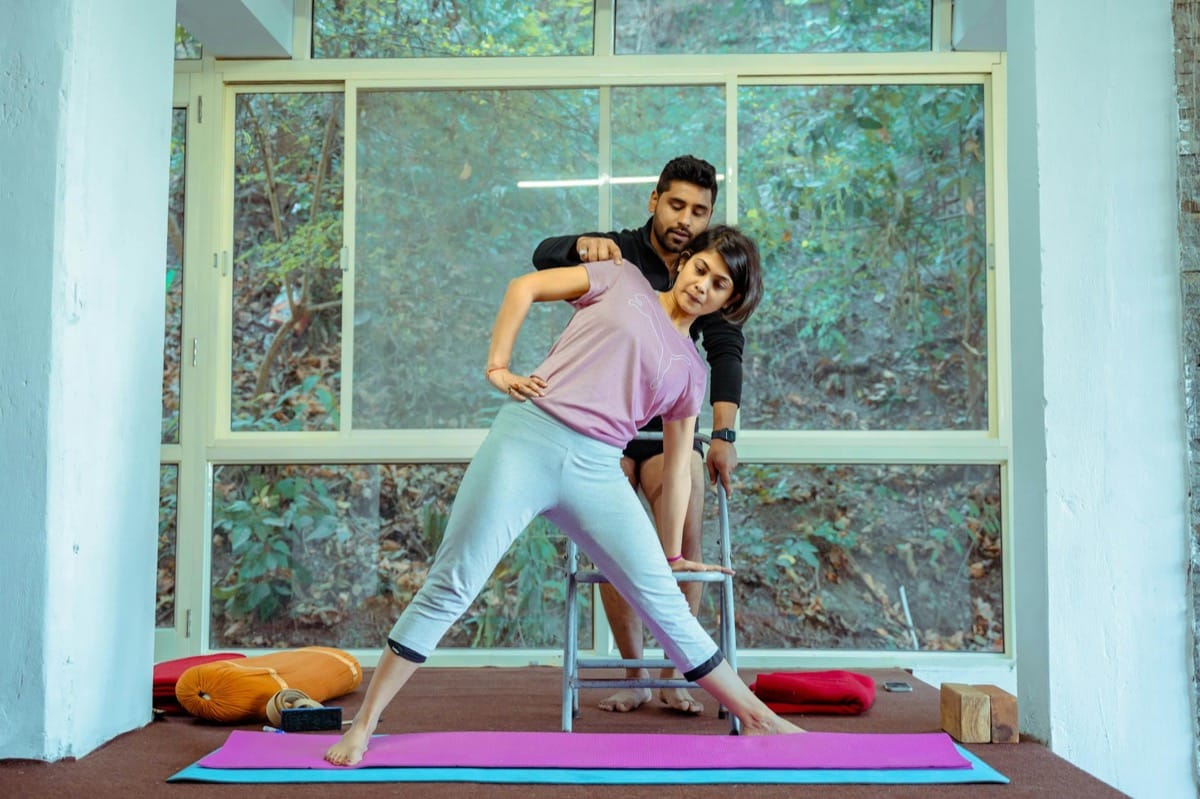
Ready to teach breathwork? Here's what you need to know about certifications, costs, and real programs that fit your life.
You've felt it. That moment when a few conscious breaths shifted something inside you. Now you're thinking: could I guide others through this? Teaching breathwork is real work—it requires training, credibility, and a solid foundation. But the good news? You don't need to quit your job or spend six figures. There are legit pathways that fit actual lives.
Why Breathwork Certification Actually Matters
Breathwork isn't yoga teacher training lite. You're teaching nervous system regulation, potentially working with trauma responses, and guiding people through intense somatic experiences. That requires knowledge. A real certification teaches you anatomy, contraindications, how breath affects the vagus nerve, what to do when someone gets triggered during a session. It's the difference between sharing what worked for you and being equipped to hold space safely for others.
Most yoga teacher trainings don't go deep enough into pranayama and breathwork mechanics. If you're serious about specializing in breath, a dedicated program matters. Plus? Clients notice. Insurance companies might cover sessions from certified practitioners. Yoga studios often require credentials before hiring.
What Accreditation Actually Means for Breathwork
Here's the tricky part: breathwork certification isn't as standardized as yoga. There's no single governing body like Yoga Alliance for breath training. That said, look for programs affiliated with IAYT (International Association of Yoga Therapists), registered with state boards, or backed by established yoga institutions. These programs have actual standards and accountability.
Some breathwork trainings are created by individual practitioners with deep experience but no institutional backing. That doesn't automatically mean they're bad—sometimes the most innovative work happens outside institutions. But ask questions. How long have they been teaching? What's their background? Can they give you references? Do they address safety and contraindications?
Top Breathwork Teacher Training Programs
Breath Alchemy (Holotropic Breathwork Focus)
If you're drawn to deeper somatic work, Breath Alchemy offers comprehensive breathwork facilitator trainings starting around $3,000-$5,000 for foundational certs. Their programs combine Holotropic breathwork with somatic psychology. Most people complete in 6-12 months with flexible scheduling. They're well-regarded for trauma-informed approaches and have actual clinical oversight.
The Wim Hof Method Instructor Training
Want something specific and accessible? The Wim Hof Method offers official instructor certification. It's $900-$1,500 for the course and roughly 200 hours of self-paced learning plus live components. The training focuses on his three pillars: breathing, cold exposure, and mindset. It's not deep mystical breathwork, but it's legitimate, well-structured, and hugely popular. Clients recognize the brand, and the technique is repeatable and measurable.
Yoga Alliance Approved: Pranayama Specializations
If you're already a registered yoga teacher (RYT) or working toward one, look at pranayama specializations through Yoga Alliance registered schools. Programs like Yoga International, Yoga Journal Academy, and local studios offer 50-300 hour pranayama-focused trainings. Costs range from $1,200-$4,000. The advantage? You build on existing yoga knowledge and maintain clear accreditation pathways.
Harvard Mind & Life Institute Breath Training
For science-backed credibility, Harvard's Mind & Life programs offer evidence-based breathwork trainings. They're pricier ($3,000-$6,000) but come with serious institutional weight and research backing. If you want to work in clinical settings or hospital programs, this opens doors. The training emphasizes the neuroscience behind breath practices and how they regulate your nervous system.
Rebirthing Breathwork (Conscious Connected Breathing)
Rebirthing trainings teach conscious connected breathing—continuous breathing without pauses. Programs like The International Breathwork Foundation offer 200-500 hour trainings ($2,000-$4,500). It's older-school breathwork, deeply personal, and requires real self-work. Not for everyone, but there's a dedicated clientele that swears by it.
How to Choose the Right Training for You
Consider Your Starting Point
If you're already a yoga teacher, adding pranayama depth might be enough. If you're starting fresh, you might want a standalone program. If you've got a day job and limited time, look for online or modular trainings you can pace yourself through. No shame in that—it's realistic.
Know Your Target Client
Are you teaching breathwork to stressed professionals? Athletes? People with trauma? Someone in grief? Different trainings emphasize different applications. Holotropic breathwork trainings prepare you for deep emotional work. Wim Hof Method is performance and resilience-focused. Pranayama traditions lean spiritual and meditative. Know who you want to serve before you choose.
Check the Curriculum Details
A solid program includes: anatomy (actual respiratory and nervous system anatomy, not just vibes), contraindications (who shouldn't do certain techniques), safety protocols, how to recognize and support someone through difficult releases, and ethics. If the course description is all poetic language and no specifics? Red flag. Email them and ask exactly what anatomy they cover.
Look at Live Training Components
Fully online programs are convenient, but breathwork trainings benefit from in-person or live video components. You need to experience techniques in real time with a teacher who can adjust you, ask questions, and practice facilitating with others. Pure recorded courses might teach you information, but they can't give you the embodied knowing you need.
Real Costs and Time Commitment
Breathwork certifications typically range $1,200-$6,000. Here's what you're usually getting: 100-500 hours of training across 3-12 months. Some programs are intensive weekends ($1,500-$3,000), others are modular ($200-$400 per module over several months). A few things to ask: Is there a payment plan? Do they offer scholarships or sliding scale? What's included in that price—materials, recordings, ongoing mentorship?
Budget extra for: practice sessions you'll want to do beyond the curriculum, any follow-up trainings, maybe therapy for yourself (you'll process stuff while learning breathwork), and marketing once you're certified.
What Happens After Certification
You've got your certificate. Now what? Most breathwork facilitators do hybrid work—they might teach at yoga studios, run private sessions, offer corporate wellness programs, or work alongside therapists. The market exists, but you'll need to build it. No certification automatically brings clients.
Consider: Do you want to teach group classes or private sessions? Online or in-person? Will you specialize or stay general? These questions shape how you'll market yourself and what kind of additional training might help. Some teachers add somatic therapy training. Others get certified in specific modalities like Trauma Release Exercises. Breathwork is often a foundation, not an island.
The Real Talk Before You Commit
Teaching breathwork is meaningful and underpaid. Don't expect yoga teacher wages—they're often lower. Do it because you genuinely want to help people access their own nervous systems. Do it because you love the work, not because you think it's your path to financial freedom. Most breathwork teachers also teach yoga, do therapy, or have another income stream. That's okay.
Also: your own nervous system work is non-negotiable. You can't guide others through deep breathing and somatic release if you haven't done it yourself. Most good programs require this. Expect to have breakthroughs, emotions, realizations. That's the work.
Start with one training that resonates. Talk to people who've completed it. Try a sample session with the facilitator if possible. Trust your gut. The best breathwork training is the one you'll actually finish and that aligns with how you want to teach.
Go Deeper
Compare real programs in the OYP YTT Database:
Related programs in our directory:
Subscribe to the newsletter
Subscribe to my newsletter to get the latest updates and news