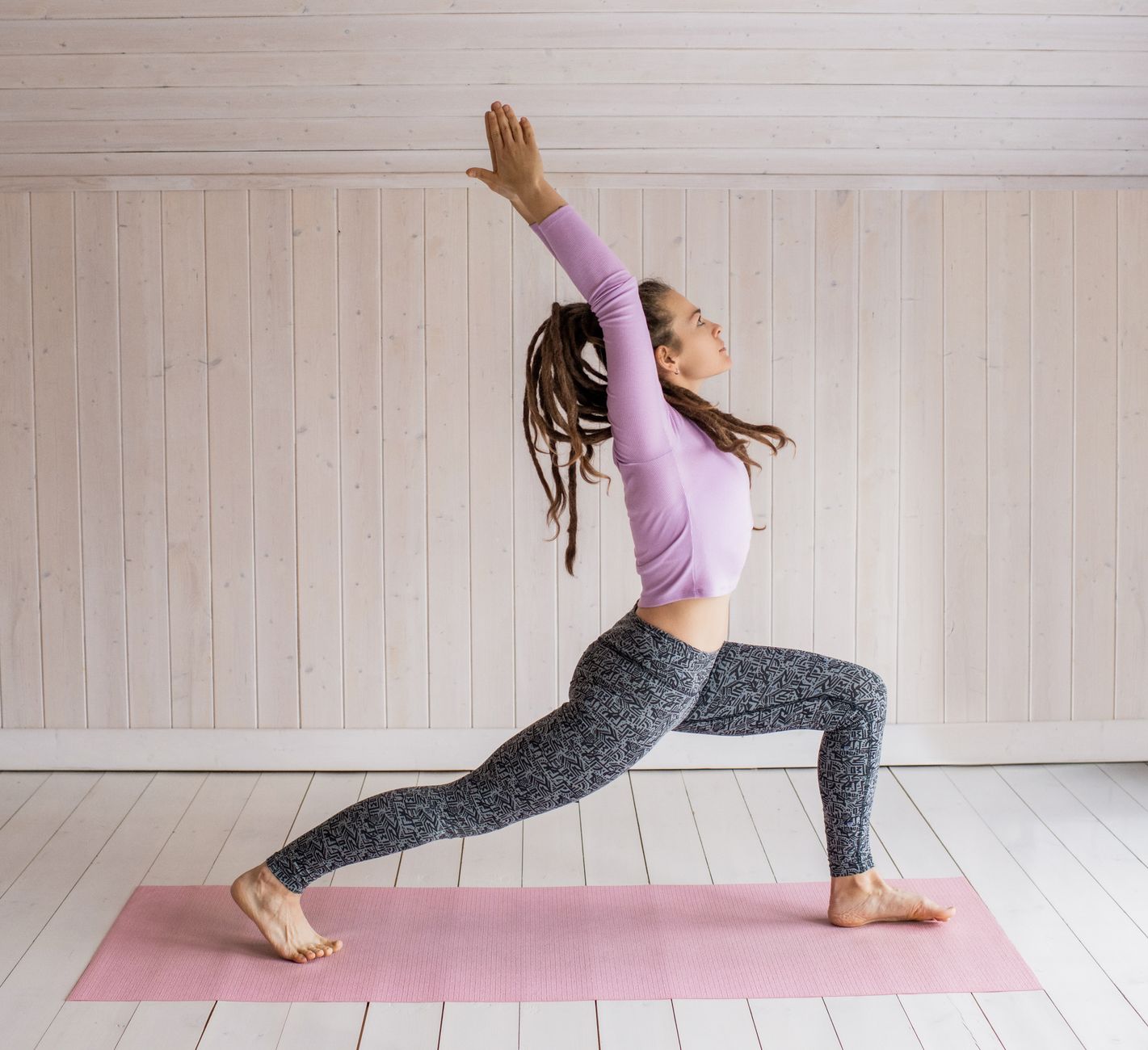
Yoga Before or After Workout? What the Research Says
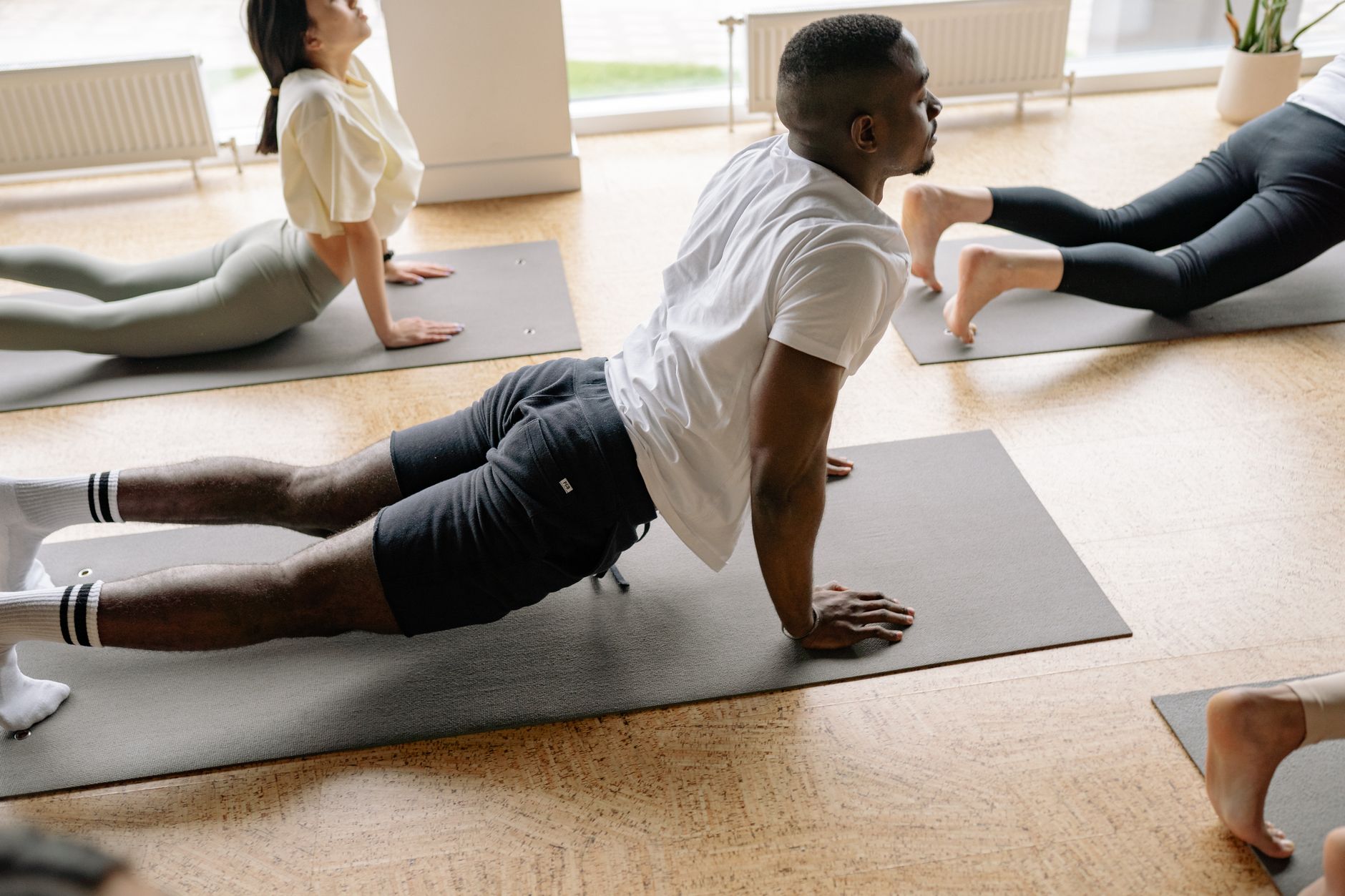
One of the most common questions I hear from students is: "Should I do yoga before or after my workout?" It's a practical question that deserves a thoughtful answer—and the truth is, there's no one-size-fits-all response. The timing of your yoga practice depends on your fitness goals, energy levels, and what you're actually trying to achieve with your body.
After years of teaching and practicing alongside athletes, runners, weightlifters, and fitness enthusiasts, I've learned that the answer isn't about following strict rules. It's about understanding what each timing approach offers your body and mind. Let me walk you through what the research says and share some practical strategies to help you decide what works best for you.
The Case for Yoga Before Your Workout
There's a compelling reason many coaches and trainers recommend yoga before strength training or cardio: it primes your body for movement.
When you practice yoga before your main workout, you're essentially warming up your joints, activating stabilizer muscles, and creating neural pathways that improve coordination. A study published in the Journal of Strength and Conditioning Research found that dynamic yoga poses performed before resistance training actually enhanced performance and reduced injury risk. This happens because yoga increases blood flow to your muscles and nervous system, essentially saying "wake up, we're about to move."
Pre-workout yoga also helps with proprioception—your body's awareness of itself in space. This is especially valuable if you're lifting weights or doing high-intensity interval training. Better body awareness means better form, which means safer, more effective workouts.
Best poses for pre-workout yoga:
- Downward Dog — opens the hamstrings and shoulders
- Cat-Cow flows — mobilizes the spine and warms core muscles
- Warrior II — builds lower body stability and engagement
- Lunges and hip openers — prepare your legs for explosive movement
- Shoulder rolls and arm circles — mobilize the upper body
The key is to keep pre-workout yoga dynamic and flowing. Hold poses for shorter periods—about 3 to 5 breaths each—and focus on movement rather than deep stretching. You're not trying to increase flexibility here; you're preparing your body to perform.
The Case for Yoga After Your Workout
Here's where yoga truly shines: the post-workout window. And honestly, this is where I personally see the most benefit for my students.
After an intense workout, your muscles are warm, your nervous system is activated, and your body is primed for the kind of deep stretching and recovery work that yoga offers. Post-workout yoga helps with:
- Flexibility gains: Warm muscles stretch more safely and effectively. Research in the Journal of Sports Medicine shows that post-exercise stretching, especially when held for 20-30 seconds, produces greater long-term flexibility improvements than stretching cold muscles.
- Muscle recovery: Gentle yoga poses help remove metabolic waste from your muscles (like lactic acid) and reduce delayed-onset muscle soreness (DOMS).
- Nervous system regulation: After an intense workout, your sympathetic nervous system (your "fight or flight" response) is elevated. Slow, mindful yoga and meditation help activate your parasympathetic nervous system, bringing your heart rate down and initiating the recovery process.
- Mental clarity: A post-workout yoga session gives you time to process the workout, calm your mind, and transition back to your day with intention.
Best poses for post-workout yoga:
- Pigeon Pose — deeply stretches the hips and glutes
- Child's Pose — calms the nervous system and gently stretches the back
- Reclined Figure Four — targets tight hip external rotators
- Supine twists — release spinal tension and aid digestion
- Forward folds — lengthen the hamstrings and lower back
- Savasana — the ultimate recovery pose, allowing your nervous system to fully settle
Post-workout yoga sessions should be slower, more restorative, and focused on longer holds. This is where Yoga Nidra or gentle yin-style practices are especially powerful.
Combining Both: The Optimal Approach
Here's what I recommend for most of my students: use both.
A 10-15 minute dynamic yoga warm-up before your workout, followed by a 15-20 minute restorative yoga cool-down after, is genuinely the gold standard. This gives you the benefits of both approaches without requiring double the time commitment.
Your full sequence might look like this:
- Pre-workout (10-15 minutes): Gentle warm-up, Cat-Cow, standing poses, lunges, and dynamic stretches
- Main workout: Your chosen fitness activity (strength training, running, HIIT, cycling, etc.)
- Post-workout (15-20 minutes): Deep stretching, restorative poses, and Savasana
If you're pressed for time, prioritize post-workout yoga. The recovery benefits are more significant, and you can always do a quick 5-minute self-guided warm-up before your main workout.
Special Considerations by Workout Type
If you're strength training: Pre-workout yoga is especially valuable here. It activates stabilizer muscles and improves mind-muscle connection, leading to better form and safer lifting. Follow with post-workout stretching to prevent muscle tightness.
If you're running or doing cardio: A quick dynamic yoga warm-up prevents injury, but the post-workout session is critical. Running creates tightness in the hips, hamstrings, and calves—areas where yoga excels.
If you're doing HIIT or explosive training: Pre-workout yoga helps with body awareness during fast movements. Post-workout yoga is essential for bringing your nervous system down from the intensity.
Creating Your Own Practice
The best yoga timing is the one you'll actually stick with. If you hate waking up early for pre-workout yoga, don't force it. If you're too exhausted after working out, a gentler post-workout approach might be better than nothing.
For help designing a sustainable practice that fits your schedule, check out our guide on building a home yoga practice. You can also explore what to wear to yoga and invest in a quality yoga mat that supports both your pre- and post-workout sessions.
The Bottom Line
The research is clear: yoga both before and after workouts offers real benefits. Pre-workout yoga primes your body for peak performance and injury prevention. Post-workout yoga accelerates recovery, builds flexibility, and helps your nervous system reset.
If you're looking for the single biggest advantage, post-workout yoga delivers more transformative results for most people. But if you can weave both into your routine, you're giving your body the complete recovery and performance optimization it deserves.
Remember, consistency matters more than perfection. Even a short 10-minute yoga session before or after your workout will serve you better than occasionally doing a longer practice. Start where you are, listen to your body, and adjust as needed. Your body will thank you for the care you're investing in it.
Related programs in our directory:
- a fitness yoga school in Texas — 5★ · 104 reviews
- an alignment-focused fitness yoga studio — 4.95★ · 100 reviews
Related Reading
Subscribe to the newsletter
Subscribe to my newsletter to get the latest updates and news