Child's Pose: The Rest Posture Every Yoga Student Needs
Child's Pose: The Rest Posture Every Yoga Student Needs

If there's one pose that deserves a standing ovation for doing absolutely nothing, it's Child's Pose. Known as Balasana in Sanskrit, this gentle resting posture is the yoga equivalent of a full reset button—a place where your body, mind, and nervous system can finally exhale.

Child's Pose is far more than just a "break" between more challenging sequences. It's a therapeutic posture with real, measurable benefits backed by both ancient yoga wisdom and modern science. Whether you're a brand-new student taking your first class or an experienced practitioner looking for deeper grounding, understanding why and how to practice Child's Pose can transform your entire yoga journey.

In this guide, we'll explore the physical and mental benefits of Child's Pose, show you how to practice it with proper alignment, and share practical tips to make it work for your unique body.

What Is Child's Pose and Why Is It So Important?

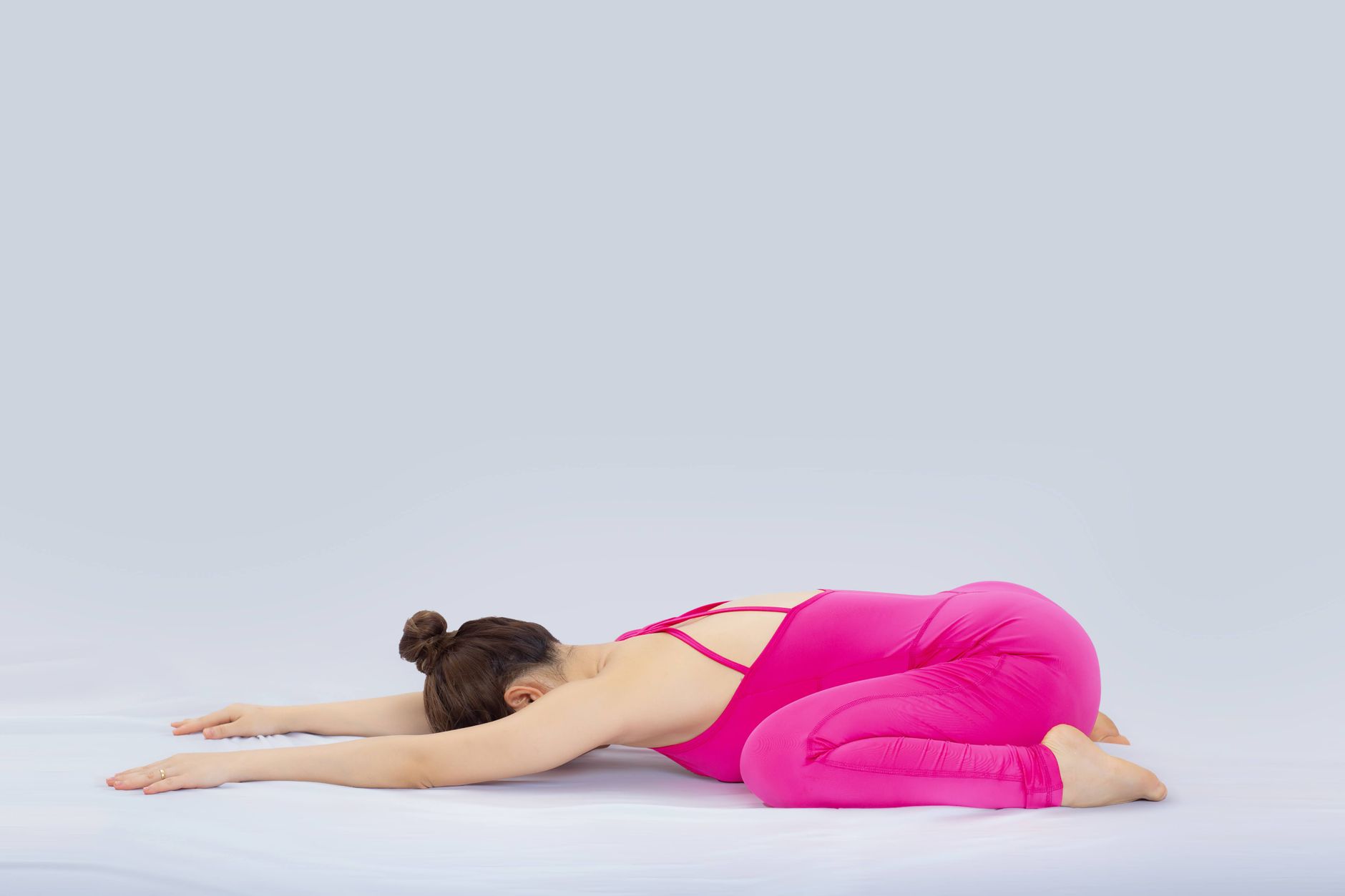
Child's Pose is a forward fold performed on your knees, with your torso folded forward onto your thighs and your forehead resting on the mat. Your arms can extend forward or rest alongside your body—there are several variations, which we'll cover later.

Unlike more active poses like Warrior II or Downward Dog, Child's Pose is classified as a restorative pose. This means its primary purpose is to calm the nervous system, release physical tension, and create a sense of safety in the body.

In traditional yoga, Child's Pose is considered a position of surrender and introspection. It's literally a posture that turns us inward—both physically and mentally. This inward-facing quality makes it especially valuable during times of stress, fatigue, or emotional heaviness.

What makes Child's Pose truly special is its accessibility. Almost every yoga student can practice it, regardless of age, fitness level, or flexibility. From kids in a first yoga class to older adults maintaining mobility, Child's Pose works for everyone.

The Physical Benefits of Child's Pose

While Child's Pose looks simple, it delivers profound physical benefits when practiced regularly and with awareness.

Stretches the Back Body

Child's Pose gently lengthens the entire back of your body—your spine, shoulders, and hips all receive a mild stretch. This is especially valuable for people who spend hours sitting at desks. The forward fold decompresses the vertebrae and creates space between the discs, which can ease chronic tightness.

If you sit all day, releasing tight hip flexors through poses like Child's Pose is crucial for maintaining healthy posture and spinal alignment.

Relieves Tension in the Shoulders and Neck

The shoulder and neck area holds stress for most of us. When your arms extend forward in Child's Pose, your shoulders naturally roll back and open, releasing knots of tension. For those dealing with chronic neck and shoulder pain, regular Child's Pose practice can be a gentle yet effective part of a recovery routine.

Massages Internal Organs

The gentle compression of your abdomen against your thighs in Child's Pose creates a mild internal massage. This can stimulate digestion, support healthy elimination, and improve overall abdominal function. This is one reason Child's Pose is sometimes recommended as part of a balanced yoga practice for digestive health.

Calms the Nervous System

Here's where the real magic happens. Child's Pose activates your parasympathetic nervous system—your body's "rest and digest" mode. Research shows that restorative poses like this can lower cortisol (stress hormone), reduce heart rate, and lower blood pressure. The inward-facing nature of the pose naturally encourages introspection, which helps quiet mental chatter.

If you struggle with anxiety or racing thoughts, incorporating Child's Pose into your evening routine can create measurable calm.

Improves Flexibility and Range of Motion

With consistent practice, Child's Pose increases flexibility in your hips, spine, and ankles. Unlike aggressive stretching, the gentleness of this pose means you can hold it longer without triggering your body's protective tension response.

The Mental and Emotional Benefits

The benefits of Child's Pose extend far beyond the physical body. This pose is a powerful tool for emotional regulation and mental clarity.

Creates a sense of safety: The enclosed, inward-facing position naturally signals safety to your nervous system. Your head is supported, your front body is protected, and you're literally in a smaller, more contained space. This can be especially grounding during anxious or overwhelming moments.

Encourages mindfulness: When you're folded forward with your eyes closed or softly gazing downward, distractions fade away. This naturally deepens your awareness of breath and present-moment sensation—the foundation of a meditation practice.

Supports emotional release: Many students find that Child's Pose is the perfect place for emotions to surface and move through. The pose is gentle enough to allow vulnerability, and many teachers encourage staying here longer specifically to process stress or sadness.

Builds a restful sleep foundation: If you practice Child's Pose regularly, especially in the evening, you're training your body to recognize it as a signal to relax. Including Child's Pose in a bedtime yoga sequence can dramatically improve sleep quality.

How to Practice Child's Pose with Proper Alignment

The beauty of Child's Pose is that there's flexibility in how you practice it—literally. Here's the basic setup, plus modifications for different bodies.

Basic Child's Pose (Balasana)

  • Start on your hands and knees, with wrists under shoulders and knees under hips.
  • Bring your big toes to touch, and widen your knees to about hip-width apart or wider.
  • Exhale and fold your torso forward, resting it between or on top of your thighs.
  • Extend your arms forward, or bring them alongside your body with palms up.
  • Rest your forehead on the mat, or turn your head to one side if that's more comfortable.
  • Breathe deeply and stay for 1–5 minutes, or as long as feels good.

Key Alignment Points

Keep your hips heavy: Press your hips toward your heels. This creates more length in your spine and prevents strain in your lower back.

Relax your shoulders: Let them drop away from your ears. There's no need to force anything here.

Find your breath: Breathing should feel easy and natural. If your breath is shallow or restricted, you may need to widen your knees or adjust your position.

Support your head: If your forehead doesn't comfortably reach the mat, place a block or folded blanket under your head. This prevents neck strain and makes the pose more restful.

Child's Pose Modifications for Different Bodies

Not every body folds the same way, and that's completely normal. Here are common modifications:

Wide-Knee Child's Pose

If you have tight hips or a larger belly, widen your knees as much as needed. Your knees can be as wide as your mat. This gives your torso more space and makes the pose genuinely restful rather than forced.

Child's Pose with a Bolster or Pillow

Place a bolster, yoga pillow, or stack of blankets lengthwise between your knees and rest your torso on it. This is incredibly supportive and allows you to stay in the pose much longer without effort.

Child's Pose with Head Support

Use a yoga block, blanket, or even a yoga ball under your head and forehead. This removes strain from your neck and spine, making the pose more therapeutic.

Arms-Back Child's Pose

For those with shoulder or wrist issues, bring your arms alongside your body with palms up. This is equally restorative and removes any strain from the shoulders.

How Long Should You Stay in Child's Pose?

There's no universal "right" amount of time. In a yoga class, you might hold Child's Pose for 30 seconds to 2 minutes. But if you're practicing at home for stress relief or relaxation, you can stay much longer—even 10–15 minutes.

The key is that the pose should feel good. If you experience any pain (rather than gentle sensation), come out and try a modification. Listen to your body's wisdom.

When to Practice Child's Pose

During a yoga class: Child's Pose makes an excellent transition between standing poses or as a cool-down. It's also the perfect place to rest between rounds of more intense

Subscribe to the newsletter

Subscribe to my newsletter to get the latest updates and news