Warrior II Pose: Alignment, Benefits, and Common Mistakes
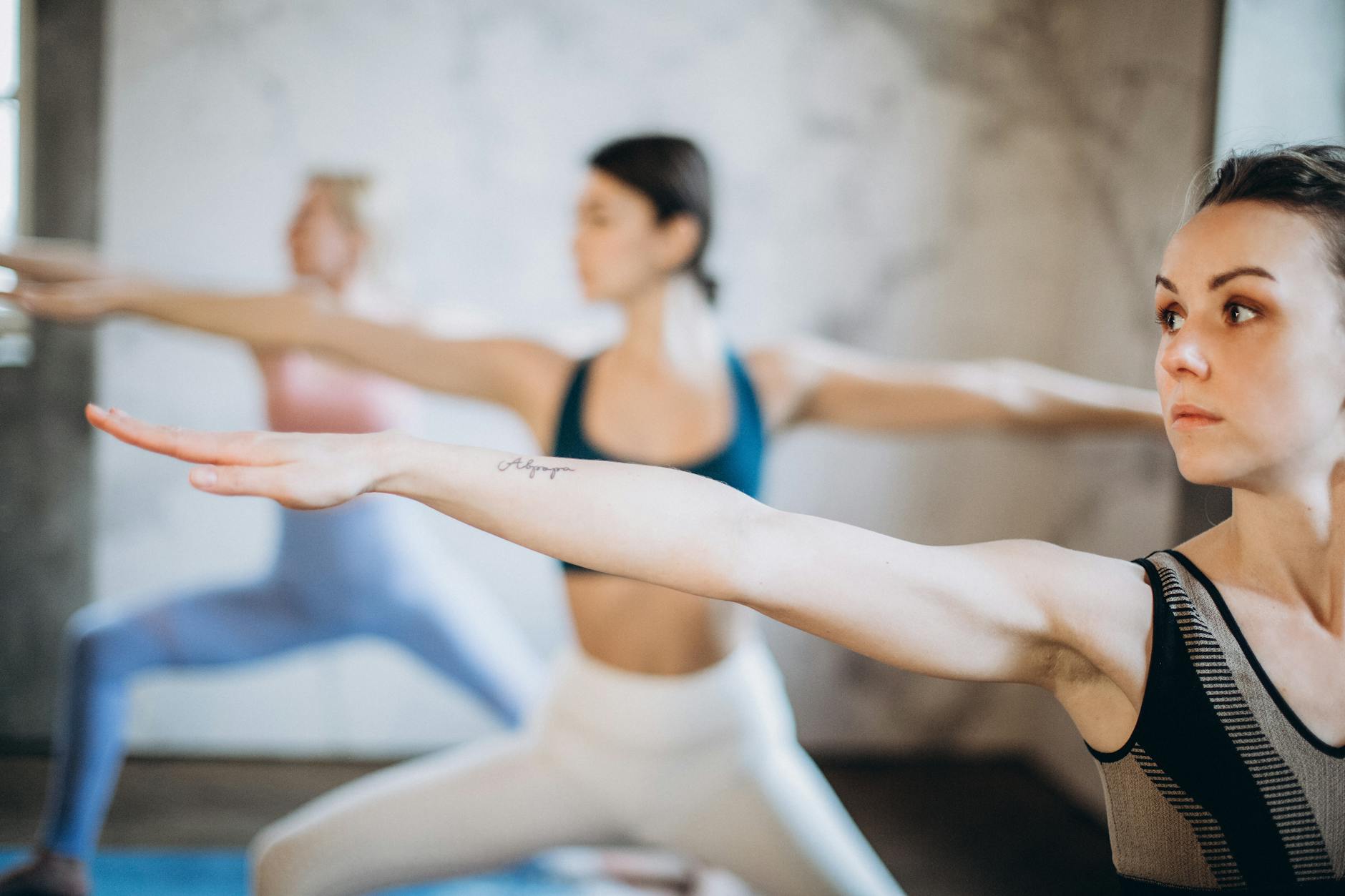
Warrior II pose—or Virabhadrasana II—is one of the most iconic standing poses in yoga. It's powerful, energizing, and when aligned properly, deeply transformative for both body and mind. Yet it's also one of the most commonly misaligned poses in studios and home practices. Whether you're a beginner just learning the foundations or an experienced practitioner looking to refine your technique, understanding the nuances of Warrior II can elevate your entire yoga practice.
In this guide, we'll walk through proper alignment, explore the profound benefits of this warrior pose, identify common mistakes, and give you practical cues you can use immediately—whether you're teaching or practicing.
Understanding Warrior II: The Foundation
Warrior II is named after a fierce incarnation of Shiva in Hindu mythology. Unlike some yoga poses that emphasize surrender or introspection, Warrior II channels strength, stability, and focused intention. It's a standing pose that requires balance, strength, and mental clarity—making it a cornerstone of most yoga styles, from vinyasa to yin.
This pose belongs to the category of standing poses that build heat, activates the legs, and develop lower body strength. It's also accessible enough for beginners yet offers enough complexity that advanced practitioners can continually deepen their understanding and refinement.
Step-by-Step Warrior II Alignment
Proper alignment is everything in Warrior II. A well-aligned pose feels stable and energizing; a misaligned one feels unstable and can lead to injury. Let's break this down into manageable sections.
Starting Position
Begin in Tadasana (Mountain Pose) at the top of your mat. From here, step your left foot back about 3 to 4 feet. Your feet should be on two parallel lines, as if you're standing on railroad tracks. This is crucial—many students turn their back foot too far in or out, which compromises hip alignment.
For now, keep your weight distributed evenly between both feet. You'll adjust this once you fold into the full pose.
Foot and Leg Alignment
Front foot: Your right foot (the front foot) should point forward, toward the top of your mat. Root down through all four corners of your foot—the inner and outer heel, and the base of the big and pinky toes. This creates a stable foundation.
Back foot: This is where alignment often breaks down. Your back foot should be turned out approximately 45 degrees—not 90 degrees, and not less than 45. The outer edge of your back foot should be grounded firmly. Think of it as anchoring yourself to the earth. Press down through the pinky-toe mound to engage the outer edge.
Front knee: Bend your front knee until your thigh is as parallel to the ground as possible. Ideally, your front knee stacks directly over your ankle—not diving inward and not splaying outward. This requires engagement of the inner thighs and glutes. Your front knee should track over your second toe, creating a straight line from hip to ankle.
Back leg: Keep your back leg straight and engaged. Press firmly through the outer edge of your back foot. Many students let the back leg become lazy, which causes the torso to collapse forward or twist. Your back leg is as important as your front leg in maintaining stability.
Hip and Torso Alignment
Open your hips toward the long edge of your mat. Your hips should face roughly perpendicular to your front leg—neither collapsed forward nor rotated too far back. This requires internal and external hip rotation working in balance.
Stack your shoulders over your hips. Your torso should be upright and vertical, not leaning forward or back. Square your shoulders as much as possible toward the long edge of the mat, though complete squaring is impossible due to your hip position. The goal is a balanced twist between your hips and shoulders.
Arms and Hands
Extend both arms out to your sides at shoulder height, parallel to the ground. Your shoulders should be relaxed away from your ears. Spread your fingers wide, as if pressing energy out through your fingertips. Some teachers cue "warrior fingers"—imagine drawing energy from the earth through your back foot, up through your body, and out through your hands.
Your gaze (drishti) should be soft, focused forward, toward your front middle finger or slightly beyond. This helps maintain focus and enhances the energetic quality of the pose.
The Benefits of Warrior II
When practiced with proper alignment, Warrior II offers a remarkable spectrum of benefits.
Physical Benefits
Leg and glute strength: This pose activates and strengthens the quadriceps, hamstrings, glutes, and calves. Regular practice builds endurance and power in the lower body, which translates to improved balance, posture, and everyday functional movement.
Hip opening: Warrior II requires external rotation of the back hip and internal rotation of the front hip. Over time, this helps release tension in the hip flexors and lateral hip, areas where many of us carry stress and tightness.
Core engagement: Maintaining an upright torso while the legs work requires constant core activation. This strengthens your abdominal muscles and deep stabilizers without the intensity of planks or crunches.
Improved circulation: The sustained muscular engagement in Warrior II increases heart rate and circulation, warming the body and enhancing cardiovascular health. This is why it's often part of vinyasa flows.
Mental and Energetic Benefits
Mental focus: Warrior II demands presence. Maintaining alignment while holding the pose requires mental discipline and concentration, which calms a scattered mind and anchors you in the present moment.
Confidence and grounding: There's something inherently empowering about standing in a strong, grounded pose. Many students report feeling more confident and centered after practicing Warrior II regularly. Energetically, this pose activates the root chakra and Manipura chakra (solar plexus), associated with stability, willpower, and personal power.
Stress relief: The focused breathing and mental clarity required in Warrior II help calm the nervous system. Though the pose is "strong," it's also meditative when practiced mindfully.
Common Alignment Mistakes and How to Fix Them
Understanding what goes wrong helps you recognize these patterns in your own practice or in your students' bodies.
Mistake 1: Front Knee Caving Inward (Valgus Collapse)
This is incredibly common, especially in students with tight hips or weak glutes. When the front knee dives inward, it stresses the knee joint and reduces the effectiveness of the pose.
Fix: Cue external rotation of the front hip. Try: "Press your outer right hip back and slightly away from center. Imagine you're widening your stance by pressing your right knee outward, stacking it over your ankle." You can also place a yoga block between the thighs to provide proprioceptive feedback—the student squeezes the block with their inner thigh while pressing their front knee outward.
Mistake 2: Back Foot Turned Too Far or Too Little
Angles matter. If the back foot is nearly at 90 degrees, the back hip collapses and the front knee caves. If it's turned in too much, the back heel lifts and stability is compromised.
Fix: Use the "railroad tracks" cue. Your feet should be on parallel lines as if you're standing on railroad tracks—approximately 45 degrees for the back foot. Check your student's alignment from the side to ensure the back foot angle is correct. If needed, use tape on the mat to show the correct foot placement.
Mistake 3: Front Knee Extending Beyond the Ankle
This happens when the back foot is too close to the front foot or when students aren't bending deeply enough. This puts excessive stress on the knee joint.
Fix: Widen the stance. Step the back foot further back, ensuring adequate distance between the feet. Cue: "Step your back foot far enough back that your front knee stacks over your ankle when your thigh is parallel to the ground." Have students check their alignment in a mirror or use the stacked knee-ankle visual.
Mistake 4: Torso Leaning or Twisting Too Much
Many students either lean their torso too far forward or twist their shoulders too far back, throwing off the alignment of the entire pose.
Fix: Stack shoulders over hips. Cue: "Imagine your ribs are in a box. Don't let that box tip forward or rotate too far back. Stay upright and centered over your hips." You can also have students practice against a wall to feel the proper torso alignment.
Mistake 5: Collapsing in the Back Hip
When the back hip collapses inward, the pose loses its power and stability. This often happens when students focus too much on their front leg and forget about the back leg.
Fix: Activate the back leg. Cue: "Press firmly through the outer edge of your back foot. Feel like you're pushing the earth away. Engage your back glute—this creates stability in your entire pose." Remind students that the back leg is just as important as the front leg.
Warrior II in a Complete Practice
Warrior II works beautifully in a well-rounded yoga sequence. It often flows naturally into other poses like Extended Side Angle or Reverse Warrior. Many teachers also sequence Warrior II with Warrior I, which builds leg strength and stability in a different way.
If you're teaching or practicing vinyasa, Warrior II can anchor a standing sequence. If you're guiding students through a more restorative session, it's a powerful pose to practice early in class when energy is highest, then follow with gentler poses to balance the intensity.
Modifications and Variations
Not every body is the same, and Warrior II should be accessible to everyone. Here are some helpful modifications:
Wider stance: For students with limited hip flexibility, stepping the feet farther apart reduces the demand on hip rotation and makes the pose more accessible.
Hands on hips: If shoulder tension is an issue, having students rest their hands on their hips reduces upper-body strain while they focus on lower-body alignment.
Against a wall: Beginners and students working on alignment can practice with their back heel against a wall. This provides feedback and helps them feel grounded.
Shorter hold: For students building strength or endurance, shorter holds with frequent breaks are perfectly acceptable. Building up to 5-8 breath cycles is a healthy progression.
Final Thoughts
Warrior II is far more than just a pose—it's an invitation to embody strength, stability, and presence. When you understand the alignment principles and practice them consistently, Warrior II becomes not just a physical exercise but a moving meditation. The benefits ripple far beyond your time on the mat, offering you a renewed sense of confidence, grounding, and clarity.
Whether you're a teacher refining your cueing or a student deepening your practice, returning again and again to the fundamentals of Warrior II will deepen your understanding of yoga as a whole. Every time you step into this pose, you're building not just physical strength, but mental resilience and spiritual connection—the true essence of yoga practice.
Related programs in our directory:
- an alignment-focused yoga school — 4.97★ · 352 reviews
- a specialized alignment-oriented yoga training — 4.95★ · 114 reviews
Related Reading
Warrior I Pose (Virabhadrasana I): How to Do It and Why It Matters — Explore the foundational Warrior I pose and learn how it complements Warrior II in building lower-body strength and hip stability.
Yoga for Hip Flexors: Release Tightness from Sitting All Day — Deep dive into hip flexor anatomy and discover complementary poses that help release the tension that can limit your Warrior II alignment.
Root Chakra Stability: Ground Down and Build a Solid Foundation — Learn how Warrior II activates your root chakra and discover other grounding practices to enhance your sense of stability and security.
The 20 Best Online Yoga Teacher Training Programs: What Actually Works — If you're passionate about teaching Warrior II and other poses to students, explore comprehensive teacher training options to deepen your knowledge and credentials.
Subscribe to the newsletter
Subscribe to my newsletter to get the latest updates and news