What to Wear to Yoga: A No-Fuss Guide to Yoga Clothing
Walking into a yoga class for the first time—or the hundredth time—can bring up a surprising amount of self-doubt about what to wear. Will these pants slip down during downward dog? Is this shirt too loose? Too tight? Will anyone notice if I've worn the same leggings three days in a row?
Here's what I've learned after teaching hundreds of students over the years: the best yoga outfit is the one that lets you forget about your clothes and focus on your practice. There's no dress code, no judgment, and honestly, most of us are too focused on our own alignment to notice what anyone else is wearing.
That said, choosing thoughtful clothing can make a real difference in how comfortable, confident, and present you feel on the mat. Let's break down exactly what works—and what doesn't—so you can show up to class feeling ready.
The Golden Rules of Yoga Clothing
Before we get into specific pieces, let's establish the principles that matter. Your yoga clothes should serve three main purposes: allow freedom of movement, manage moisture, and keep you from feeling self-conscious.
Freedom of movement comes first. You're folding your body into positions that might feel foreign at first. Tight waistbands dig into your belly during forward folds. Stiff fabric restricts your shoulders during chaturangas. Clothes that ride up or down distract your mind from your breath and your body.
Moisture management matters more than you'd think. Even in a gentle flow class, you'll likely sweat. Fabric that absorbs moisture (rather than clinging to your skin) keeps you comfortable and prevents that cold, clammy feeling when you move into savasana.
Confidence is underrated. When you feel good in what you're wearing, you're more likely to show up, try harder, and actually enjoy yourself. That matters.
Bottoms: The Most Important Decision
Your lower half works harder than your upper half during yoga. You're constantly bending, twisting, and balancing, which means your bottoms need to be your MVP.
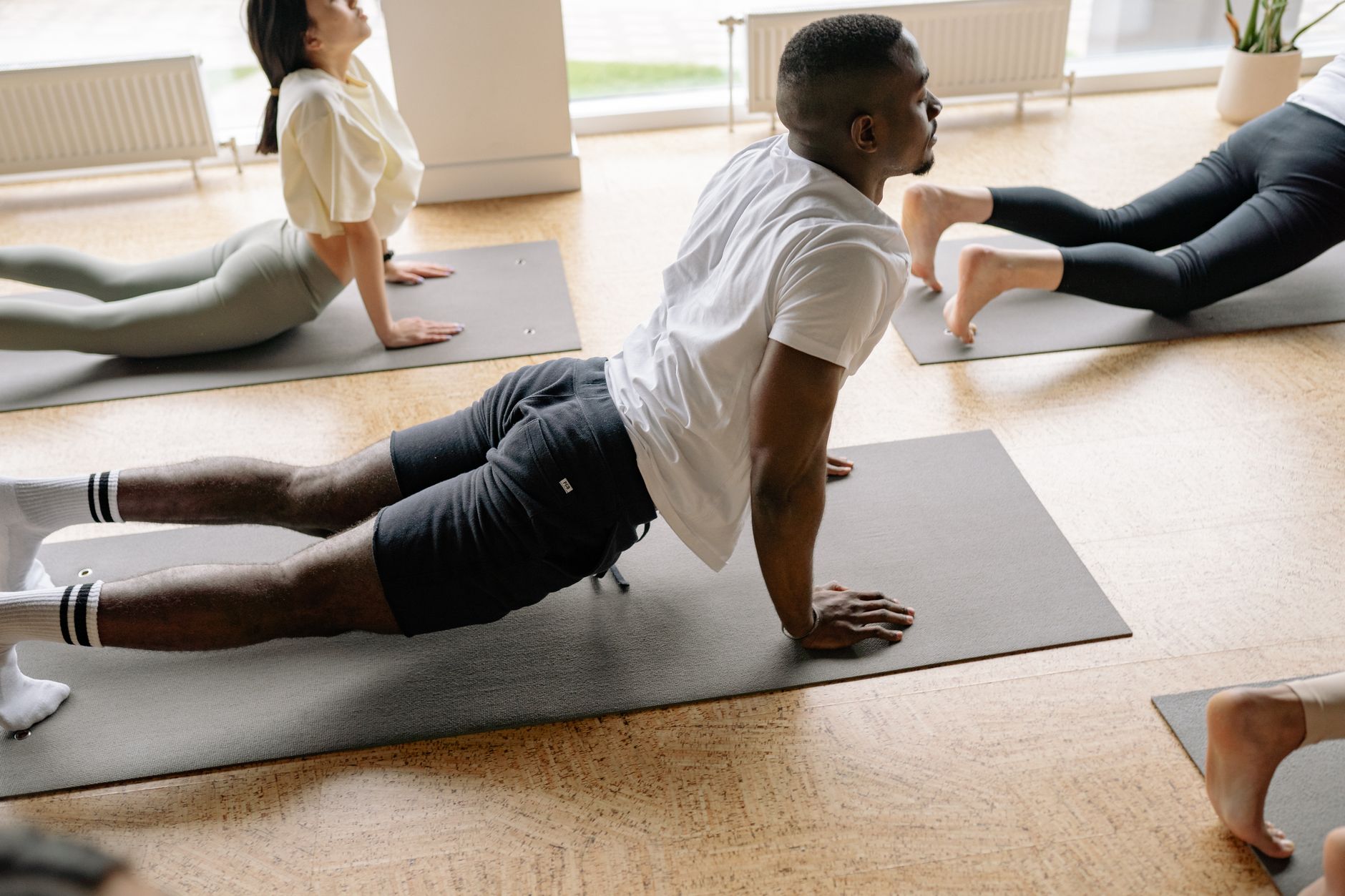
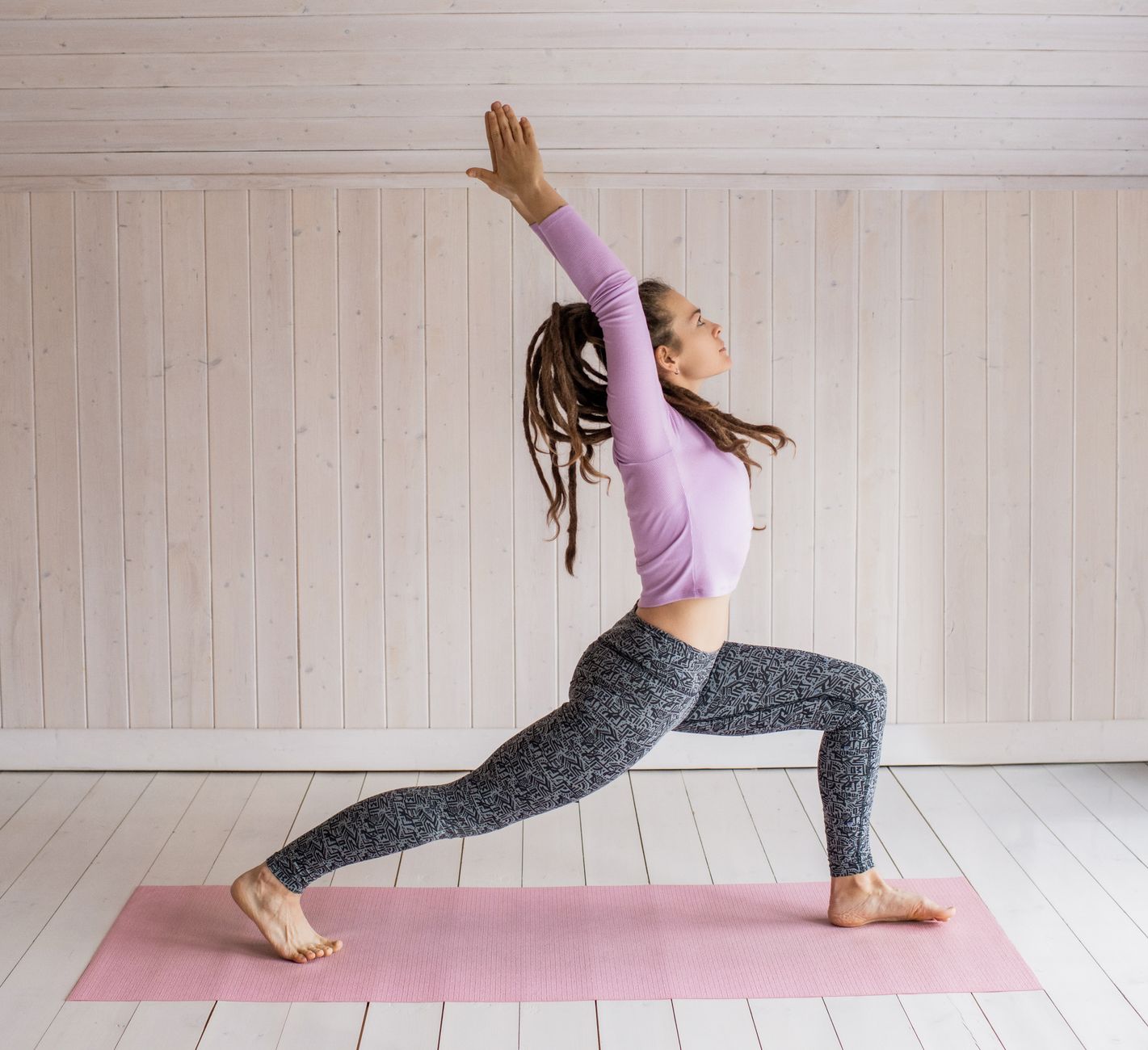
High-waisted leggings are typically the safest bet. They stay in place during forward folds and inversions. They're forgiving without being shapeless. The high waist prevents that awkward gap-at-the-back feeling that happens with low-rise pants. Look for thick, stretchy fabric (usually a mix of nylon and spandex) that has a bit of compression but still breathes.
Capris and cropped pants are excellent if you run warm or prefer a lighter feel. They give you freedom in your hips and legs without the extra fabric around your ankles. Some people find them cooler during more vigorous practices.
Yoga-specific shorts work well for hot yoga or power flows. The key is finding ones with good coverage—you don't want to worry about exposure when you're in intense poses. Look for inseams of at least 4-5 inches.
What to avoid: Cotton sweatpants trap moisture and lose their shape. Jeans restrict movement completely. Anything with zippers, buttons, or rough seams will be uncomfortable when you're lying on your mat. Loose, baggy pants can get in your way during flows.
If you're looking for high-quality options, check out the best yoga pants on Amazon or explore yoga pants with pockets if you prefer to keep your keys and phone close.
Tops: Support Without Restriction
Your upper body needs different things depending on the type of yoga you're doing. In a gentle, slower practice, you have more flexibility. In a vigorous vinyasa flow, support matters more.
Fitted tank tops and t-shirts are classics for a reason. They move with your body, don't ride up during forward folds, and won't hang in your face during inversions. A fitted but breathable cotton-blend or moisture-wicking fabric works beautifully.
Sports bras or supportive tanks become more important if you have a larger chest or you're doing a more dynamic practice. You want enough support that you can move without distraction. Look for adjustable straps so you can customize the fit.
Loose, flowy tops can work in gentler practices like yin yoga or restorative sessions. Just be aware that they might shift during poses where your head is below your heart. If you love this style, pair it with fitted leggings so you have one anchored piece.
Avoid: Anything with thick seams or embellishments that dig into your skin when you're lying on your back. Tops with loose sleeves that hang over your hands during downward dog. Anything that makes you feel exposed or uncomfortable.
For specific recommendations, browse the best yoga tops on Amazon.
Fabric Matters More Than You Think
The material your yoga clothes are made from directly impacts your comfort and longevity of the piece. Here's what works:
Nylon and spandex blends are the gold standard for yoga bottoms. They're stretchy, durable, moisture-wicking, and they retain their shape wash after wash. They feel buttery soft against your skin.
Polyester-based performance fabrics excel at moisture management. They pull sweat away from your skin and dry quickly. If you sweat a lot or practice hot yoga, this is your friend.
Cotton and cotton blends feel great against your skin and are breathable, but they absorb moisture and can lose shape over time. They work fine for gentle practices but can feel heavy and clingy during vigorous flows.
Avoid 100% cotton and heavy materials. They're heavy when wet and don't have enough stretch for yoga movement.
The Layering Strategy
Temperature control matters, especially if you're doing a morning yoga practice when your body is still warming up, or an evening wind-down session where you'll cool down significantly during savasana.
Start with a fitted base layer that breathes and wicks moisture. This could be your tank top or fitted tee.
Add a light layer on top that you can remove once you're warm. A thin hoodie or lightweight jacket works perfectly. You'll shed it by the time you get into your flow, but it keeps you cozy during the first few minutes.
Have a blanket or sweater nearby for savasana. This is non-negotiable. Your body cools down significantly during the final relaxation pose, and staying warm helps you actually relax. Many studios provide blankets, but having your own ensures comfort.
Accessories and Other Considerations
Skip the jewelry. Rings, bracelets, and watches get in the way, create pressure points when you're lying on your mat, and can distract you. Leave them in your bag.
Wear minimal jewelry or none at all. If you feel naked without something, a simple pendant or thin bracelet might work, but test it first. The last thing you want is to be self-conscious about your accessories during practice.
Socks are optional. Most people practice barefoot, which makes sense for balance work and helps you feel connected to the earth. If your feet get cold easily, keep socks in your bag and slip them on during savasana. Many studios have cold floors, and cold feet make it hard to relax.
Consider a mat towel. This isn't clothing, but it's worth mentioning. If you sweat a lot, a thin towel that covers your mat prevents slipping and keeps your practice more hygienic.
Hair management matters. If you have long hair, bring a hair tie. Hair in your face during downward dog is genuinely distracting. A secure ponytail or bun keeps everything in place and prevents you from constantly adjusting.
The Bottom Line: Comfort Over Perfection
Here's what I tell every new student who asks this question: wear clothes that make you feel comfortable and confident. That might be matching, expensive yoga sets from a premium brand, or it might be old gym shorts and a t-shirt you've had for years. Both are equally valid.
What matters is that you show up, that you feel free to move your body fully, and that you're not distracted by what you're wearing. The best yoga outfit is the one that gets out of your way and lets you focus on what actually matters: your breath, your body, and your practice.
If you're building a consistent practice and want to go deeper, consider exploring resources like how to build a home yoga practice, where comfort and familiarity with your space matter even more.
You don't need perfect gear to have a perfect practice. You just need to show up.
Related programs in our directory:
- a welcoming yoga studio in Chicago — 4.95★ · 177 reviews
- an alignment-focused yoga school in New Jersey — 4.95★ · 114 reviews
Related Reading
- What Are Yoga Blocks: A Practical Guide to Using Props for Better
- How to Build a Home Yoga Practice: A Practical Guide
- Downward Dog: Everything You Need to Know About This Foundational Pose
Subscribe to the newsletter
Subscribe to my newsletter to get the latest updates and news