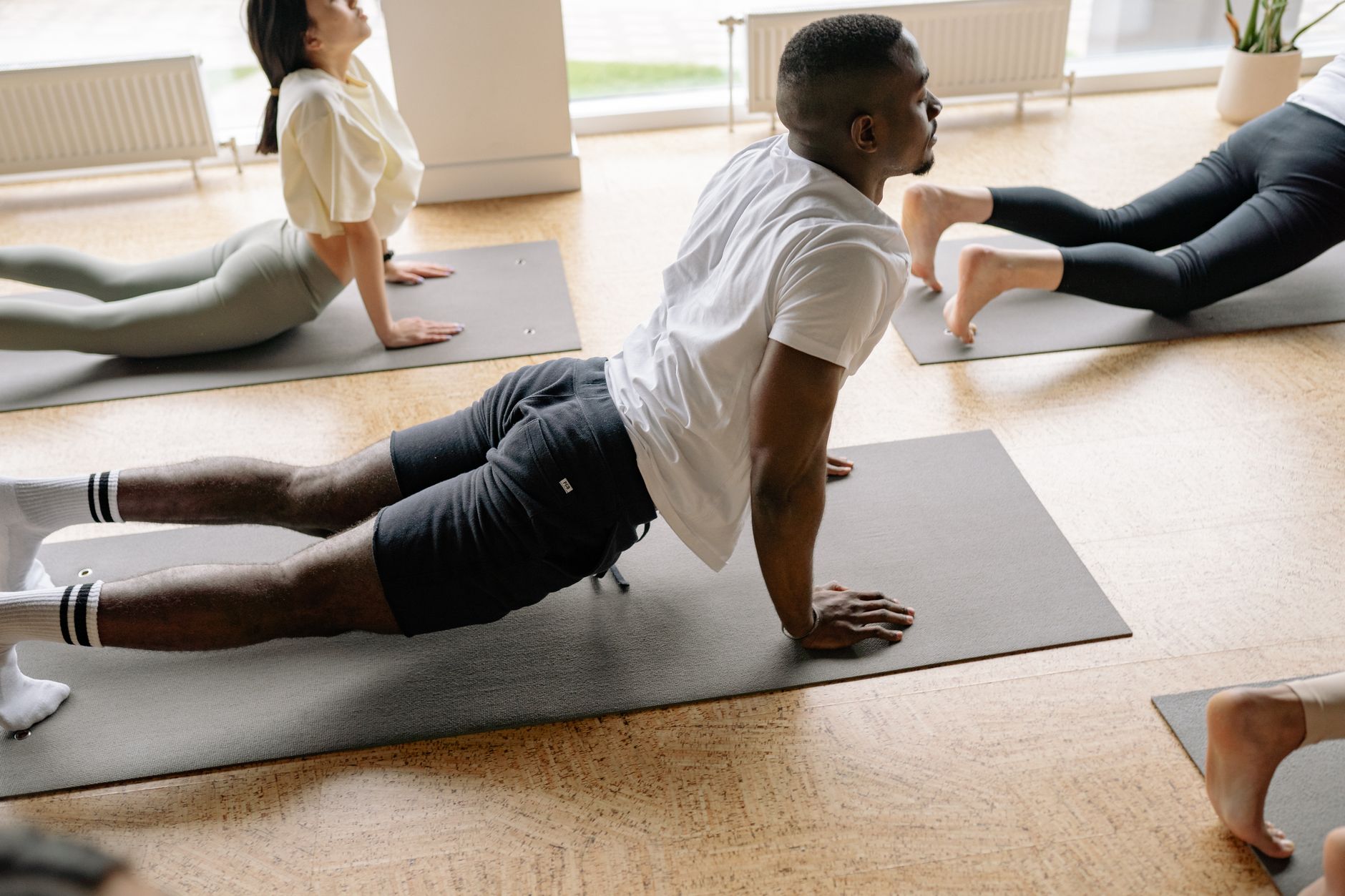
Yoga and Meditation: How to Combine Both for Maximum Benefit

If you've ever finished a yoga class feeling calm but wished that peace would linger a little longer, you're not alone. Many practitioners are discovering that combining yoga with meditation creates a deeper, more transformative experience than either practice alone. The two disciplines complement each other beautifully—yoga prepares your body and mind for meditation, while meditation amplifies the mental clarity you've cultivated on the mat.
In this guide, I'll show you exactly how to weave these practices together and why doing so creates benefits that go far beyond what you might expect.
Why Yoga and Meditation Work So Well Together
Yoga and meditation aren't separate practices competing for your time—they're complementary techniques that enhance each other. Here's what makes them such a powerful pair:
Yoga prepares the body for meditation. When you move through asanas (yoga poses), you're releasing physical tension, improving circulation, and calming your nervous system. By the time you sit down to meditate, your body is already in a more receptive state. You're less distracted by aches, restlessness, or fidgeting.
Meditation deepens the benefits of yoga. Without meditation, yoga can become purely physical. But when you add meditation, you start accessing the mental and spiritual dimensions that yoga is actually designed for. You're no longer just stretching muscles—you're cultivating awareness, equanimity, and inner peace.
Both practices quiet the mind through different pathways. Yoga uses movement and breath to settle the nervous system. Meditation uses stillness and focused attention. Together, they create a more complete approach to mental clarity.
Research supports this intuition. Studies show that combining yoga with meditation produces measurable reductions in cortisol (the stress hormone), lower blood pressure, and improved emotional regulation compared to either practice alone.
The Anatomy of a Combined Practice
A successful yoga-and-meditation session doesn't require hours of your day. The key is strategic sequencing. Here's the ideal structure:
1. Opening (2-3 minutes)
Start seated or in a comfortable position. Take 5-10 conscious breaths. Set an intention—this could be something simple like "I practice with compassion" or "I'm open to what arises." This transition signals to your mind and body that you're shifting into sacred time.
2. Pranayama (Breathwork) (3-5 minutes)
Before moving into poses, establish a conscious breathing pattern. Try alternate nostril breathing (nadi shodhana) or extended exhale breathing (where your exhale is longer than your inhale). This activates your parasympathetic nervous system—your body's "rest and digest" mode.
3. Asana Practice (20-45 minutes)
Move through yoga poses mindfully. The length and intensity depend on your schedule and experience level. If you're short on time, even a 20-minute morning yoga practice can be perfect. Or, if you prefer winding down, an evening yoga sequence prepares you beautifully for meditation and sleep.
Focus on synchronizing movement with breath. Each inhale and exhale becomes an anchor for your attention. This is already a form of meditation—you're just doing it in motion.
4. Savasana (5-10 minutes)
This often-skipped pose is crucial for your combined practice. Savasana is where your nervous system integrates all the benefits of your practice. Lie flat, relax completely, and simply observe what arises without judgment.
5. Meditation (10-20 minutes)
Move into a seated position (or stay lying down if that serves you better). Begin your meditation practice. This could be breath awareness, body scanning, loving-kindness meditation, or any technique that resonates with you. Your body is now warm, relaxed, and receptive. Your mind is already somewhat settled from the physical practice.
Practical Techniques for Combining the Practices
Option 1: The Full Integration
If you have 45-60 minutes, move through all five phases as described above. This is ideal for deepening your practice and experiencing the full synergy.
Option 2: The Quick Morning Ritual
Pressed for time? Try this streamlined approach:
- 5 minutes of gentle stretching and breathing
- 15 minutes of flowing asanas (sun salutations and a few standing poses)
- 5 minutes of meditation
Even this 25-minute investment creates noticeable shifts in focus, mood, and stress levels throughout your day. Learn more about building a sustainable home yoga practice that fits your schedule.
Option 3: The Evening Wind-Down
Combine gentle, restorative poses with meditation before bed:
- 10 minutes of slow, supported poses (forward folds, gentle twists, child's pose)
- 15 minutes of meditation or yoga nidra (yogic sleep)
This combination helps regulate sleep cycles and improves sleep quality more effectively than either practice alone.
Option 4: Focus on Specific Poses
If you have a particular area of tension or a mental state you're working with, combine targeted poses with relevant meditation. For example:
- For anxiety: Hip openers like pigeon pose (where we store emotional tension) followed by grounding meditation
- For focus and clarity: Tree pose and warrior poses followed by concentration meditation
- For self-compassion: Gentle, supported poses followed by loving-kindness meditation
The Science Behind the Benefits
What happens in your brain and body when you combine these practices? The research is fascinating:
Brain wave changes: Yoga shifts your brain from beta waves (active thinking) toward alpha and theta waves (calm, meditative states). Adding meditation deepens this shift, promoting sustained alpha and theta activity that persists even after practice.
Nervous system regulation: The combination of physical movement and mental focus creates a more complete parasympathetic activation. Your heart rate variability improves, your HPA axis (stress response system) becomes less reactive, and cortisol levels drop more significantly than with either practice alone.
Neuroplasticity: Regular combined practice literally rewires your brain. The amygdala (fear center) shrinks while the prefrontal cortex (reasoning and emotional regulation) grows stronger. This means you become naturally less reactive and more resilient over time.
Emotional processing: Yoga moves stuck emotional energy through movement, while meditation gives your brain time to process and integrate these shifts. Together, they create psychological healing that talk therapy alone might not access.
Common Mistakes to Avoid
Skipping savasana. This pose isn't a "cool down"—it's essential integration time. Your nervous system needs it to lock in benefits.
Practicing with the wrong intention. If you're doing yoga and meditation to "fix" yourself or achieve some perfect mental state, you're missing the point. These practices are about acceptance and presence, not self-improvement.
Forcing meditation too soon. If you sit down to meditate without first moving your body, your mind and nervous system might not be ready. The physical practice primes the pump.
Over-complicating it. You don't need special music, incense, or perfect conditions. Simplicity and consistency beat perfection every time.
Getting Started With Your Practice
If you're new to combining these practices, here's how to begin:
Week 1-2: Choose one time of day (morning or evening) and commit to 20 minutes, three times per week. Use the quick option described above.
Week 3-4: Extend to 30 minutes and add one more session per week. Introduce a specific breathing technique like alternate nostril breathing.
Week 5+: Gradually increase duration and frequency as it feels natural. Listen to your body—more isn't always better. Consistency trumps intensity.
If you're interested in deepening your understanding of yoga philosophy and teaching others, consider yoga teacher certifications or specialized trainings in breathwork techniques.
Related programs in our directory:
- a spiritually-oriented yoga school in New Delhi — 4.99★ · 154 reviews
- a comprehensive yoga and wellness center in Massachusetts — 4.87★ · 1602 reviews
Related Reading
Subscribe to the newsletter
Subscribe to my newsletter to get the latest updates and news