How to Build a Home Yoga Practice: A Practical Guide

Building a home yoga practice is one of the most rewarding decisions you can make for your physical health, mental clarity, and emotional well-being. Unlike gym memberships or studio classes, a home practice gives you complete freedom: you choose when to practice, what style resonates with you, and how long you want to spend on your mat. The barrier to entry is surprisingly low, yet the transformation can be profound.
Whether you're a complete beginner or someone returning to yoga after years away, creating a sustainable home practice requires intention, the right setup, and a realistic approach. This guide will walk you through everything you need to know to start—and stick with—a yoga practice that actually fits your life.
Start With Your Why
Before you roll out a mat, get clear on why you want to practice yoga. Are you seeking stress relief? Better flexibility? Strength building? Pain management? A spiritual connection? Your motivation will shape your practice style, duration, and consistency.
Research supports multiple benefits of regular yoga practice. Studies show that consistent yoga reduces cortisol (stress hormone) levels, improves flexibility and balance, strengthens muscles, and can ease chronic pain. If you're recovering from an injury or managing a specific condition, knowing your goal helps you choose appropriate poses and avoid movements that could set you back.
Write down your intention. Keep it specific and honest. "I want to be more flexible" is better than "I want to do yoga." Your why becomes your anchor when motivation dips.
Choose Your Space Wisely
You don't need a dedicated yoga studio room. A corner of your bedroom, living room, or even a spot on your porch works beautifully. What matters is that your space feels calm and is free from major distractions.
Here's what to look for:
- Clean, flat surface: Hardwood floors or tiles are ideal. Carpet works but can be uneven for balance poses.
- Good lighting: Natural light is wonderful. If practicing at night, avoid harsh overhead lights; soft ambient lighting reduces strain on your eyes.
- Quiet environment: Silence isn't necessary, but minimize notifications. Turn off your phone or put it in another room.
- Comfortable temperature: A slightly cool room is better than warm, as you'll heat up during practice.
- Good air circulation: Open a window if possible. Fresh air enhances your practice.
Clear the space of clutter. A tidy environment signals to your mind and body that this time is sacred and separate from daily chaos.
Invest in Essential Props
A yoga mat is your foundation. You don't need to spend a lot—a basic non-slip mat from any sporting goods store costs $20–40 and will serve you well. Look for one that's about 1/4 inch thick for cushioning without being too squishy.
Beyond a mat, consider adding:
- Yoga blocks: These are game-changers for props and modifications. If you're new to props, learn how to use yoga blocks for better alignment and deeper poses. Blocks make standing poses more accessible and help you maintain proper form.
- Yoga strap: Essential for stretching and deepening poses safely. A belt or towel works in a pinch.
- Comfortable clothing: Anything you can move freely in works. You don't need special yoga clothes. Quality yoga tops on Amazon are affordable if you prefer dedicated gear.
- Water bottle: Stay hydrated, especially during longer or more vigorous sessions.
Start minimal and add props as your practice grows. You don't need everything at once.
Establish a Consistent Schedule
Consistency beats intensity in yoga. A 20-minute practice five times a week creates more lasting change than a 90-minute session once a month. Your body and mind benefit from regular, manageable doses of movement and breath work.
When deciding on timing:
- Practice when you're most likely to follow through. For some, this is early morning before life gets busy. For others, it's evening wind-down time.
- Start with a realistic commitment. Three times per week is more sustainable than six if you're new to practice.
- Put it in your calendar like an appointment you can't miss.
- Prepare the night before: lay out your mat, wear comfortable clothes to bed if morning practice appeals to you.
The first three weeks are hardest. After that, your nervous system recognizes the rhythm and actually craves it. You'll find yourself naturally gravitating toward your mat.
Choose Your Yoga Style and Resources
Yoga has many flavors. Hatha is slower and great for beginners. Vinyasa flows poses together for cardiovascular benefit. Yin holds passive stretches for deep release. Restorative uses props for relaxation. Yoga Nidra, or yogic sleep, guides you into profound relaxation without movement.
For home practice, online resources are invaluable. YouTube offers thousands of free classes. Subscription platforms like Yoga with Adriene, Down Dog, or specialty sites provide structured sequences. Some people thrive with in-person teacher training—if you're interested in deepening your knowledge, exploring what's included in yoga teacher training can inspire and educate even non-teachers.
Start by exploring different teachers and styles. Watch 10-minute samples before committing to longer classes. Your intuition will tell you who resonates with you. A teacher's voice, pacing, and approach matter more than fancy production value.
Build Your First Practice Sequence
A balanced home practice includes four elements:
- Warm-up (3–5 minutes): Gentle movement like cat-cow stretches and shoulder rolls.
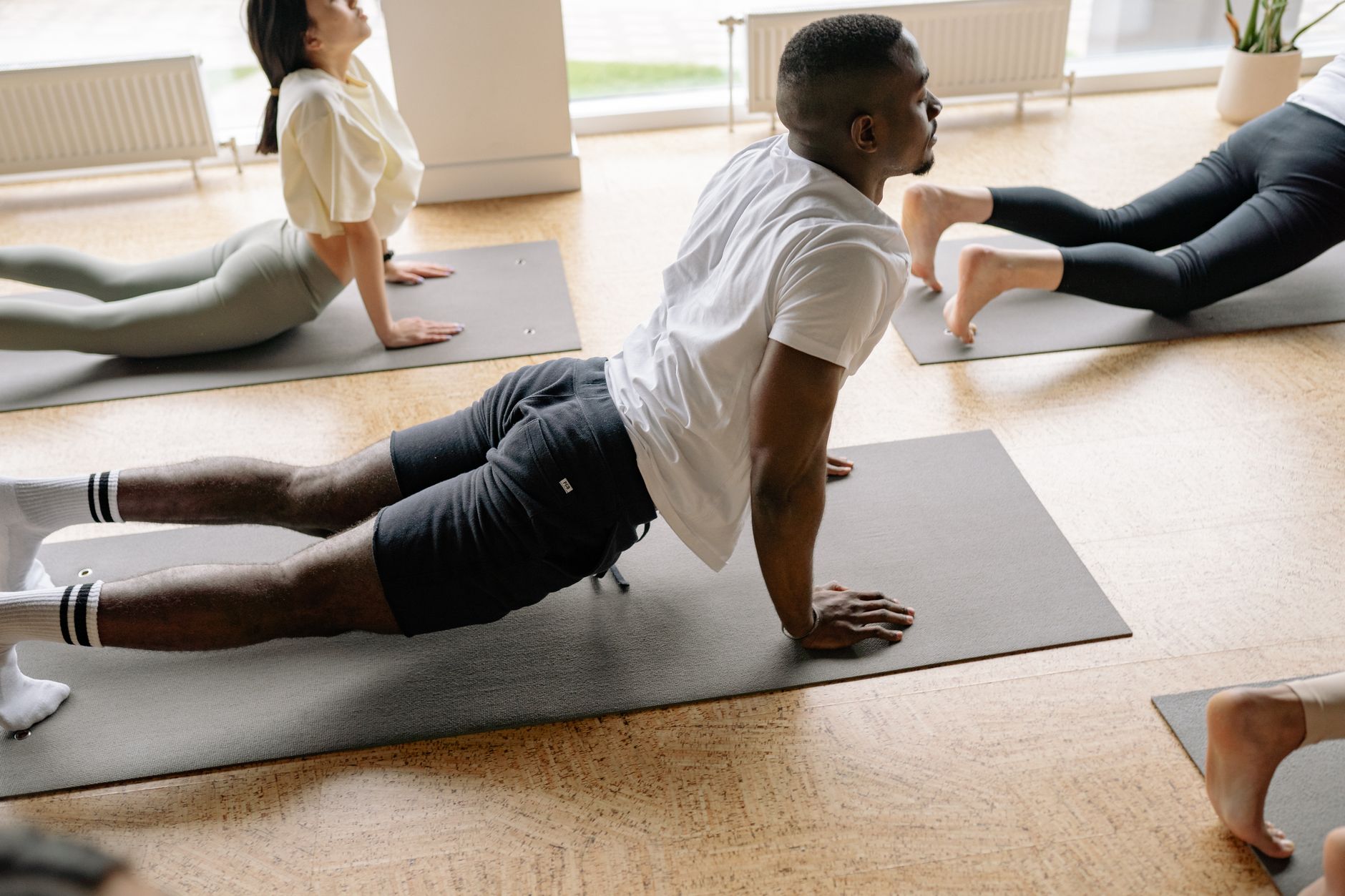
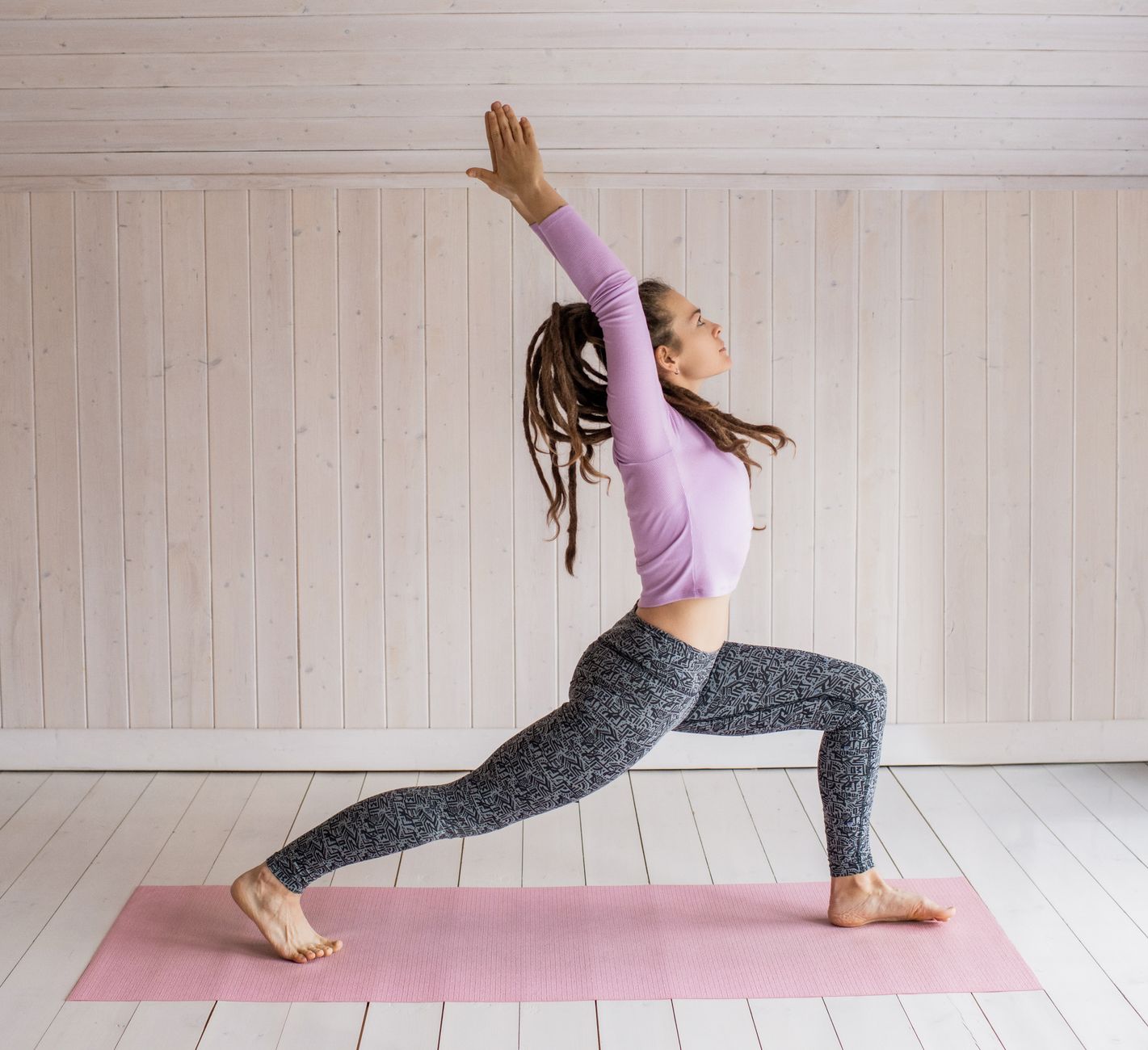
- Standing poses (10–15 minutes): Build strength and stability. Downward Dog, Warrior I, and Warrior II are foundational. Work with one or two poses per session rather than trying everything at once.
- Floor work (5–10 minutes): Seated or supine stretches. Pigeon Pose and Child's Pose are gentle yet effective.
- Savasana (5–10 minutes): Final relaxation. Savasana is the most important pose—don't skip it, even in short sessions.
A complete beginner practice might look like: 5 minutes warm-up, 10 minutes of two standing poses with transitions, 8 minutes of stretches, and 10 minutes of savasana. That's 33 minutes total, which is realistic for building habit.
Master the Fundamentals First
Resist the urge to chase advanced poses early. Alignment matters. Poor alignment can cause injury and breed frustration. Spend 2–3 weeks on a pose before advancing.
Video yourself or practice in front of a mirror to check alignment. Common mistakes include:
- Knees caving inward in lunges
- Shoulders hunching toward ears
- Lower back arching excessively in backbends
- Wrists hyperextending in plank pose
Props prevent injury and deepen awareness. Using a block in a standing pose feels less "advanced" but actually teaches proper alignment better than forcing a deeper expression of the pose without it.
Incorporate Breathwork
Pranayama (yogic breathing) is half of yoga practice. It calms your nervous system, oxygenates your body, and anchors your mind.
Start with basic ujjayi breath: slightly constrict the back of your throat to create an ocean-wave sound. Inhale for four counts, exhale for four counts. This synchronizes breath and movement and quiets mental chatter.
For relaxation, practice 4-7-8 breathing: inhale for four counts, hold for seven, exhale for eight. This activates your parasympathetic nervous system—your body's natural relaxation response.
Never force breath. If you feel dizzy or lightheaded, return to normal breathing. Your lungs are learning.
Track Your Progress Without Obsessing
Keep a simple practice journal. Write the date, duration, which poses or style you practiced, and how you felt. After two weeks, you'll notice patterns: you sleep better on nights you practice, or you feel calmer during stressful work moments.
Progress in yoga isn't always visible. You might not touch your toes for months, but your hip flexibility is improving. Your mood stabilizes. Stress feels less overwhelming. These wins are real even if Instagram-worthy splits aren't happening yet.
Troubleshoot Common Obstacles
Too sore to practice: Soreness is normal
Related programs in our directory:
- alignment-focused yoga training — 4.95★ · 114 reviews
- spiritually-oriented yoga school — 4.94★ · 125 reviews
Related Reading
create your own unique practice
Subscribe to the newsletter
Subscribe to my newsletter to get the latest updates and news