What Are Yoga Blocks: A Practical Guide to Using Props for Better Alignment

Yoga blocks aren't gimmicks—they're functional props that help you access poses safely, find proper alignment, and build strength with integrity.
You're in downward dog. Your shoulders are hunched. Your hands slip slightly on the mat. You glance around the studio and notice someone using a block under their hands, their spine noticeably straighter. You wonder: is that actually helping them, or is it just making the pose easier? The answer isn't simple, and it's also not what most people assume.
If you're new to yoga, or you've been practicing for years but have never picked up a block, you might see them as beginner modifications—something to graduate past once you get "stronger." The truth is more nuanced. Yoga blocks are legitimate teaching tools that help you understand alignment, access poses you might otherwise avoid, and build strength from a place of integrity rather than compensation.
What Exactly Is a Yoga Block?
A yoga block is a rectangular, solid prop made of foam, cork, or wood. Standard dimensions are about 9 inches long, 6 inches wide, and 4 inches tall. They're lightweight, durable, and designed to bring the floor closer to your body—or to provide a stable support surface under your hands, hips, back, or head.
Most studios have foam blocks available for free use. If you practice at home, blocks typically cost between $12 and $35 depending on material. Foam blocks are the most affordable and portable. Cork blocks (brands like Manduka and Jade Yoga) cost more but last longer and have better grip. Wood blocks are durable but less common in home practice.
The Real Function of Blocks: Bridging the Gap
The fundamental job of a yoga block is to meet your body where it is, not where you imagine it should be. In a seated forward fold, your hands might hover 12 inches above your shins. A block placed under your hands closes that gap, allowing you to feel what a genuine forward fold actually feels like—spine lengthening, hamstrings engaging—rather than rounding your back just to reach the floor.
This is not cheating. This is practicing with integrity. The Yoga Sutras never mention forcing your body into shapes. What they do emphasize is sthira sukham asanam—a pose should be steady and easeful. A block helps you find that balance.
Common Uses for Yoga Blocks
Under Hands in Standing Poses
In Triangle Pose (Trikonasana), if your bottom hand doesn't naturally reach your shin or block, placing a block on the inside of your front foot gives you a stable surface to press into. This prevents your torso from collapsing and keeps your chest open toward the ceiling. Your legs work harder. Your spine stays neutral. The pose becomes stronger, not weaker.
Under Hips in Seated and Reclined Poses
In Easy Pose (Sukhasana), if your hips sit lower than your knees, your spine naturally rounds and your shoulders collapse forward. Sitting on a block elevates your hips, tilting your pelvis forward and allowing your spine to extend. Suddenly your posture improves without any conscious effort. This is especially important for people with tight hips or longer femurs.
Under Your Back in Reclined Poses
In a supported backbend like Supported Bridge Pose (Setu Bandha Sarvangasana), placing a block horizontally under your sacrum gives you a gentle chest opening without the muscular effort of holding the pose. Your shoulders relax. Your breathing deepens. For people recovering from tight chest muscles or forward-rounded posture, this is therapeutic.
Under Your Head for Alignment
In Shoulderstand (Sarvangasana) or Supported Headstand prep, a block under your shoulders (not your neck—this matters) elevates your chest and reduces pressure on your cervical spine. It's the difference between a shape that looks like a headstand and one that actually protects your neck.
Blocks for Different Levels
Beginners
New practitioners benefit most from blocks because they provide permission to practice at your actual range of motion rather than the range you see on Instagram. This removes shame and prevents injury from compensation patterns. You can stay in poses longer, feel the target muscles, and build genuine strength.
Intermediate Practitioners
As you progress, blocks shift from "modification tools" to "refinement tools." You might use a block to find subtle alignment cues you've missed, or to access deeper variations of poses you thought you'd mastered. A block under your hand in Low Lunge can help you recognize when your pelvis is tilting, for instance.
Advanced Practitioners
Experienced teachers and dedicated practitioners often use blocks for precise alignment work, to explore asymmetries in their practice, or to access arm balances and inversions that require stable hand placement. Blocks are tools for problem-solving, not crutches.
How to Choose the Right Block
Foam blocks are ideal if you're starting out or traveling. They're cheap, forgiving, and available in most studios. Brands like Gaiam and BalanceFrom make solid foam blocks in the $12–$20 range. The downside: foam degrades over years and can feel less stable.
Cork blocks are the investment choice. Manduka Cork Yoga Blocks ($30–$35) are the studio standard—they don't compress, they grip better when your hands are sweaty, and they'll last a decade. Jade Yoga Cork Blocks are similar quality at the same price point. If you practice regularly and own your own blocks, cork is worth it.
Wood blocks are beautiful but unnecessary for most home practitioners. They're expensive, heavy, and the grip is unreliable. Skip them unless aesthetics matter to you more than function.
Most teachers recommend buying two blocks so you can place one under each hand in poses like Pyramid or use one under each hip in Cow Face Pose (Gomukhasana). A pair of cork blocks costs around $60–$70.
What Blocks Won't Do
Blocks won't make you more flexible. Flexibility comes from consistent practice and time—blocks just help you practice safely while you develop it. Blocks won't fix structural issues like leg length discrepancies or spinal curvatures, though they can help you work around them. And blocks won't replace proper instruction. A teacher who can see your alignment and suggest prop use is far more valuable than owning the fanciest blocks.
The Philosophy Behind Props
In the traditional Ashtanga system, props were rarely used. Modern yoga, influenced by teachers like B.K.S. Iyengar, embraced props as legitimate teaching aids. Iyengar himself said that props don't weaken practice—they deepen it by allowing you to practice with awareness rather than force.
This matters. The yama of ahimsa (non-harm) starts with your own body. Using a block to protect your lower back in a forward fold is an act of ahimsa. Forcing yourself to the floor without one violates it.
Practical Tips for Block Use
Place blocks thoughtfully. If you're using a block under your hands in a standing pose, ensure it's supporting your weight evenly—not wobbling or unstable. If a block feels wrong, adjust its position or try a different height. Your nervous system knows when something is off.
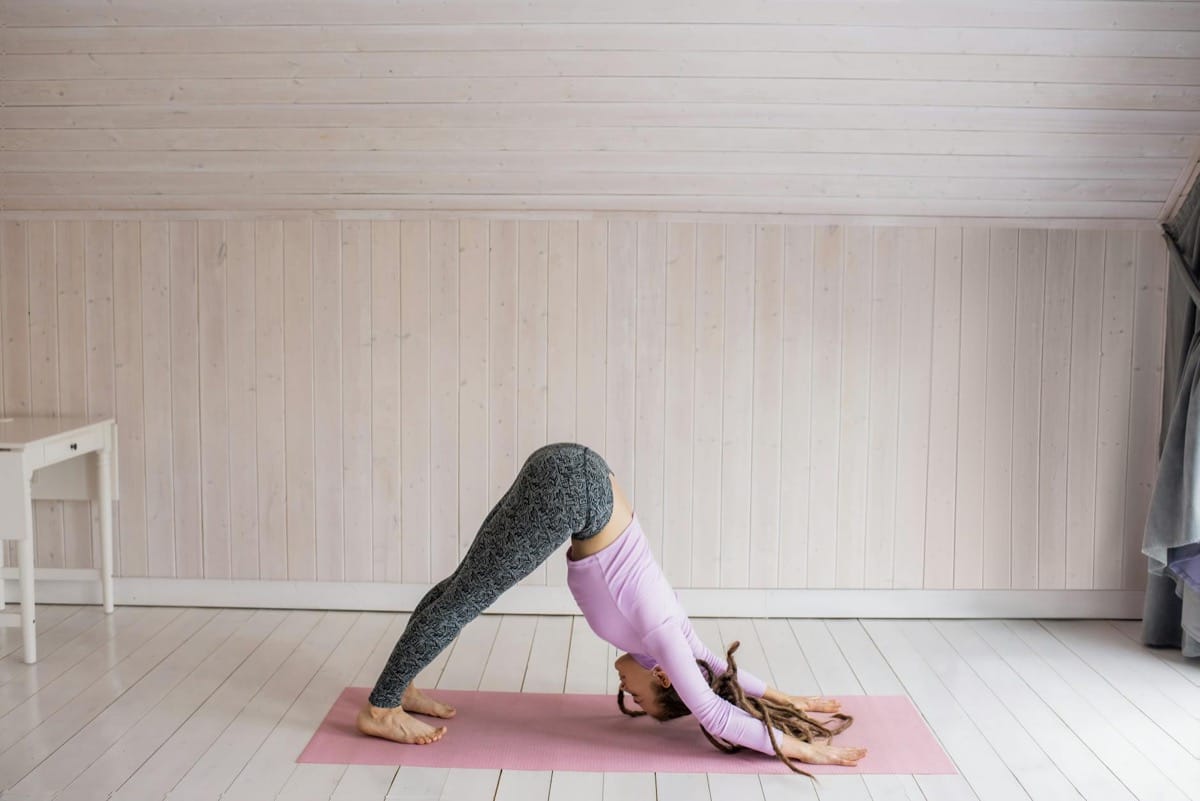
In a class, if a teacher suggests using a block, use it without embarrassment. The studio is full of advanced practitioners using props; you're in good company. And if you practice at home without a teacher, experiment. Try a block under your hands in Downward Dog. Notice what happens to your shoulders. That feedback is real data about your body.
Don't assume you're "too advanced" for blocks. If a block would improve your alignment or let you access a pose safely, use it. Props are tools, not training wheels. They're tools you'll likely use for your entire practice.
Blocks Are Alignment Teachers
The deepest value of a yoga block isn't that it makes poses easier. It's that it teaches you what good alignment actually feels like. A block under your hands in Triangle Pose shows you what an open chest feels like. A block under your hips in Easy Pose demonstrates how spinal extension should feel. Once your body knows that feeling, you can recreate it—with or without the block.
Props don't diminish your practice. They accelerate your understanding. And understanding, not the appearance of the pose, is what yoga is actually about.
Related programs in our directory:
- an alignment-focused yoga school in Princeton — 4.95★ · 114 reviews
- an alignment-oriented yoga university in North Carolina — 4.97★ · 352 reviews
Related Reading
5 Tips for Using Yoga Blocks for Beginners: Build Better Alignment — Essential strategies for new yoga practitioners to maximize blocks for foundational poses and posture improvement.
7 Popular Uses of a Yoga Bolster: Support Your Practice — Explore how bolsters complement blocks as restorative props for deeper relaxation and alignment work.
Yoga for Beginners: Everything You Need to Start a Home Practice — A complete guide to setting up your home yoga practice with essential props and foundational poses.
Iyengar Yoga: Precision-Based Practice for Real Bodies and Lasting Results — Learn about the yoga system that revolutionized prop use and alignment-focused teaching in modern yoga.
Subscribe to the newsletter
Subscribe to my newsletter to get the latest updates and news