Tree Pose (Vrksasana): How to Balance, Build Focus, and Grow Roots
If you've ever watched a tree sway in the wind without losing its footing, you've witnessed the essence of Vrksasana—or Tree Pose. This deceptively simple standing balance isn't just about standing on one leg; it's a gateway to deeper stability, mental clarity, and a sense of grounded presence that extends far beyond your yoga mat.
Tree Pose has become a staple in yoga classes worldwide, and for good reason. It's accessible to beginners yet infinitely refinable for advanced practitioners. Whether you wobble through your first attempt or hold the pose with ease, there's always something to learn from this humble asana. In this guide, we'll explore how to practice Tree Pose safely, why it matters for your body and mind, and how to troubleshoot common challenges.
What Is Tree Pose and Why Practice It?
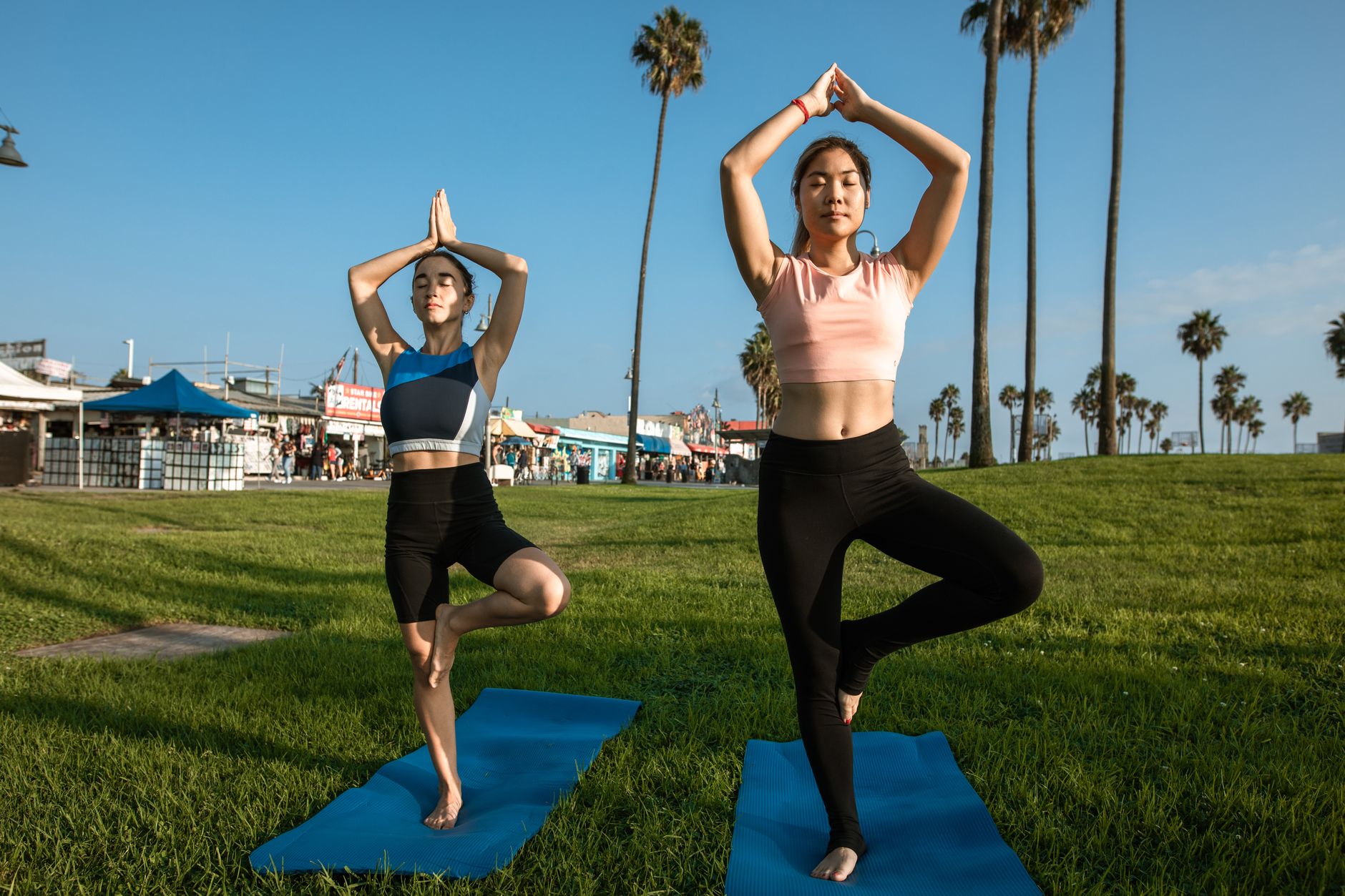
Vrksasana comes from the Sanskrit words vrksa (tree) and asana (pose). In this standing balance, you ground one foot while placing the other foot high on the inner thigh or calf, creating a triangular base of support. Your hands typically meet at heart center, though variations exist for different skill levels and intentions.
Tree Pose is far more than a test of physical balance. It's a metaphor for the yoga journey itself: to grow tall while staying rooted, to remain flexible in challenging conditions, and to find stillness amid movement. Practitioners often describe the pose as meditative, anchoring their attention to the present moment in a way that stills the constant chatter of the mind. This meditative quality connects deeply to the broader practice of yoga as a movement meditation.
From a functional perspective, Tree Pose strengthens the stabilizer muscles in your legs and core, improves proprioception (your body's sense of where it is in space), and enhances ankle stability—all crucial for injury prevention in daily life and athletic pursuits.
The Physical Benefits of Tree Pose
When you practice Tree Pose regularly, your body responds in measurable ways. Research in yoga and balance training shows that consistent practice of standing balances improves proprioceptive awareness and neuromuscular control, particularly in the ankles and knees. This isn't just theoretical; people who practice balance poses often report fewer falls and greater confidence in movement. These benefits align with what we know about benefits of daily yoga practice.
Leg and Hip Strengthening: Tree Pose activates your quadriceps, glutes, and hip abductors—the muscles responsible for stability and power in your lower body. The standing leg works intensely to maintain balance, while the lifted leg's inner thigh and hip flexors engage to keep the foot pressed against your inner thigh.
Core Engagement: Your deep core muscles, including the transverse abdominis and pelvic floor, activate to support your upright posture. This engagement builds functional strength that translates to better posture and reduced lower back pain.
Ankle and Foot Stability: The balancing foot must stabilize through its small intrinsic muscles and proprioceptors. Over time, this strengthens your arches and stabilizes your ankles, reducing the risk of sprains and improving your foundation.
Mental Focus and Nervous System Regulation: The concentration required for balance stimulates the prefrontal cortex, the brain region responsible for focus and executive function. Additionally, the grounded nature of the pose activates your parasympathetic nervous system, promoting a calm, alert state—the yoga equivalent of "rest and digest."
How to Practice Tree Pose Step by Step
Begin in Mountain Pose (Tadasana) at the top of your mat, feet hip-width apart and arms at your sides. Take a moment to ground all four corners of your feet into the earth. Feel the connection between your body and the ground beneath you.
Step 1: Shift Your Weight
Inhale and shift your weight gradually onto your left foot. Press all four corners of your left foot down, imagining roots growing from your sole into the earth. Keep your gaze steady (this is called your drishti or focal point), as a wavering gaze often leads to wobbling.
Step 2: Lift Your Right Foot
Exhale and slowly lift your right foot off the ground. Bend your right knee and reach down with your right hand to place your right foot on your inner left thigh, as high as comfortably possible. Your right knee should point outward, opening your right hip. If the full position feels unstable, place your foot on your inner calf instead—this is a legitimate and effective variation.
Step 3: Align Your Hips and Spine
Square your hips forward as much as possible. Your pelvis should remain level, not tilting toward the lifted leg. Lengthen your spine upward, imagining a string pulling the crown of your head toward the ceiling. Avoid leaning forward or backward; stay centered over your standing foot.
Step 4: Position Your Hands
Bring your hands to heart center in prayer position (Anjali Mudra), or extend your arms overhead with palms facing each other. If balance feels precarious, keep one or both hands on your hip or rest your fingertips lightly on a wall or chair. There is no weakness in using props; they're tools for deepening your practice safely.
Step 5: Hold and Breathe
Maintain the pose for 5–30 seconds, breathing steadily. Focus on your drishti—a fixed point at eye level—to anchor your balance. When you're ready, exhale and return your foot to the ground with control. Rest for a breath or two, then repeat on the opposite side.
Common Challenges and How to Overcome Them
Wobbling or Falling Out of Balance
If you're shaking or can't hold the pose, you're not alone. The trembling actually indicates that your stabilizer muscles are working hard—it's a sign of engagement, not failure. Start with your foot lower on the calf rather than the thigh. Press your foot firmly into your thigh to create traction, and maintain a steady gaze at a fixed point. Practicing near a wall or chair also builds confidence while you develop balance.
Hip Pain or Discomfort
If your lifted hip feels pinched, your foot may be placed too low on your inner thigh. Move it higher, or place it on your calf instead. Additionally, ensure that your standing leg isn't locked; keep a micro-bend in your knee to allow fluid movement and prevent joint stress.
Lower Back Arching
If your lower back dips excessively, you're likely leaning backward. Engage your deep core muscles and imagine tipping your pelvis slightly forward, as if you're standing against a wall. This will lengthen your lower back and create a more neutral spine.
Difficulty Finding Your Drishti
Your focal point should be at eye level, unmoving, and ideally about 3–4 feet away. If you're gazing down or to the side, your balance will suffer. Try focusing on a mark on the wall, a point in a window frame, or even a specific spot on the floor (though eye-level is preferable).
Variations to Deepen Your Practice
Once you're comfortable with basic Tree Pose, explore these variations to challenge yourself further or adapt to your current capacity.
Tree Pose with Hands Overhead: Extend your arms above your head with palms facing each other or touching. This shifts your center of gravity and demands greater core stability.
Twisted Tree: Bring your hands to heart center, then twist your torso toward your standing leg, hooking your opposite elbow outside your thigh. This adds a gentle spinal twist and increases the challenge for your balance and oblique muscles.
Dancer's Pose Hybrid: From Tree Pose, lean slightly forward and wrap your lifted leg's foot around your standing leg's upper calf, creating a more advanced bind. This variation demands exceptional balance and hip flexibility.
Eyes Closed: Practice Tree Pose with your eyes gently closed to eliminate visual feedback and deepen your proprioceptive awareness. This significantly increases the difficulty and is a wonderful way to challenge advanced practitioners.
Tree Pose for Different Life Stages and Abilities
Tree Pose can be adapted for nearly any body or ability level. Yoga for seniors emphasizes Tree Pose as a safe way to build balance and prevent falls, often practiced with fingertip support on a wall. Yoga for kids introduces Tree Pose as a playful way to develop focus and body awareness, often imagining themselves as different types of trees.
For athletes, Tree Pose offers injury prevention benefits. Yoga for runners includes Tree Pose to strengthen the stabilizing muscles that prevent ankle and knee injuries during high-impact running.
Integrating Tree Pose Into Your Practice
Tree Pose works beautifully in the middle of a yoga sequence, after your body is warmed up but before you fatigue. It pairs well with other standing balances like Half Moon Pose or Warrior III, and its grounding nature makes it an excellent transition before seated or supine poses.
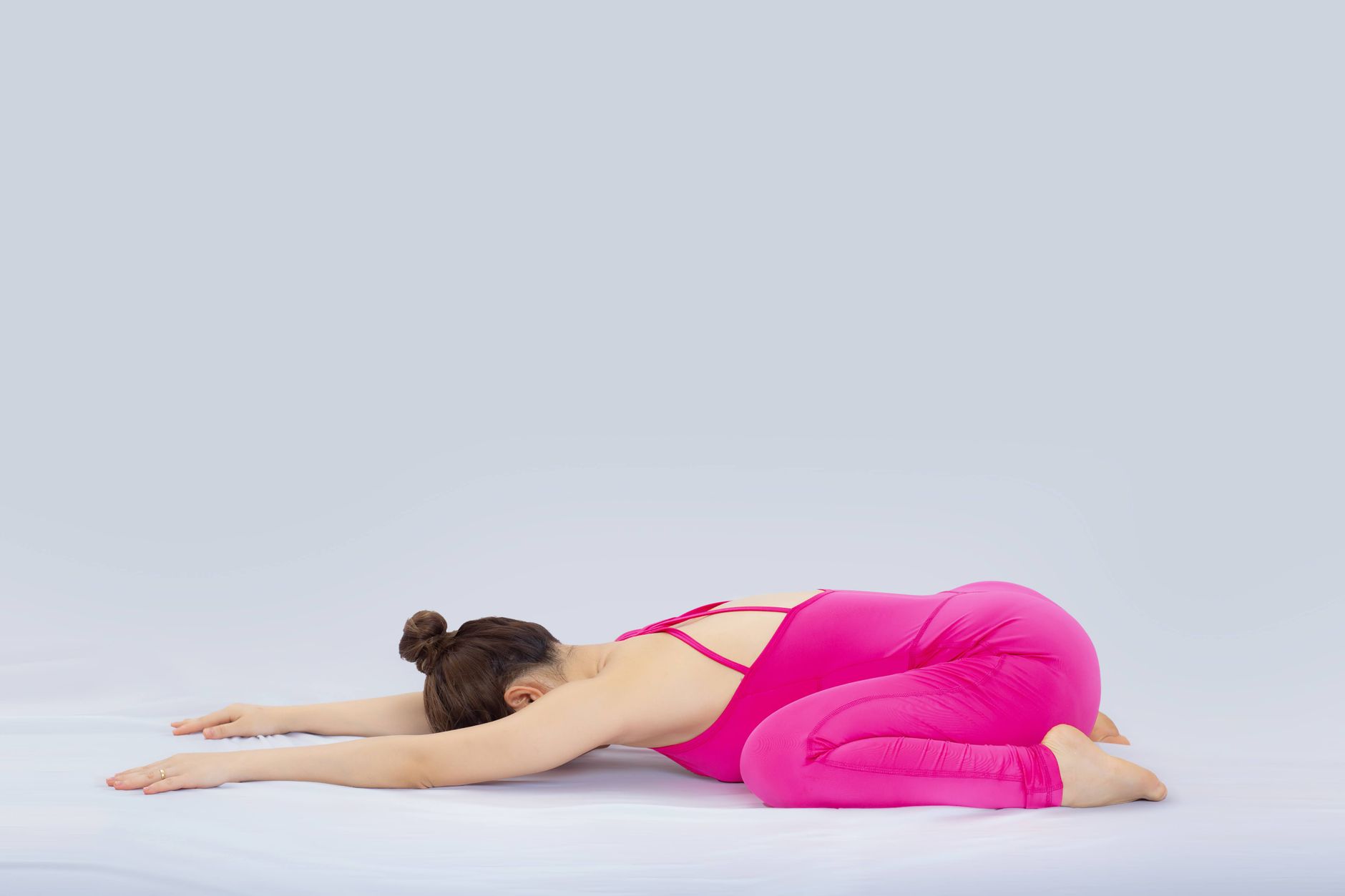
For a focused balance practice, string together 3–5 standing balance poses, holding each for 30 seconds on both sides. Follow with restorative poses like Child's Pose to cool down and integrate the nervous system benefits of your practice.
Tree Pose as a Mindfulness Tool
Beyond the physical, Tree Pose serves as a powerful mindfulness practice. The instability demands presence; your mind cannot wander while your body learns to balance. This quality makes it especially valuable for those looking to deepen their meditation or manage stress. The pose teaches us that balance—like in yoga and life—isn't about perfect stillness; it's about constant, gentle adjustment.
Related programs in our directory:
- an alignment-focused yoga school in Boulder — 4.98★ · 171 reviews
- an alignment-oriented yoga university in North Carolina — 4.97★ · 352 reviews
Related Reading
Mountain Pose (Tadasana): Foundation for All Standing Poses — Learn the foundational standing pose that serves as the base for Tree Pose and all upright yoga postures.
Half Moon Pose (Ardha Chandrasana): How to Build Strength and Balance — Explore another challenging standing balance that builds on the stability and focus developed in Tree Pose.
10 Benefits of Daily Yoga Practice: Physical, Mental, and Spiritual — Discover how consistent practice, including balance poses like Tree Pose, transforms your body and mind.
Yoga for Stress Relief: Simple Poses for Everyday Overwhelm — Learn how grounding poses like Tree Pose calm your nervous system and reduce daily stress.
Subscribe to the newsletter
Subscribe to my newsletter to get the latest updates and news