Peacock Pose for Yogis with Weak Wrists: Strengthening Path
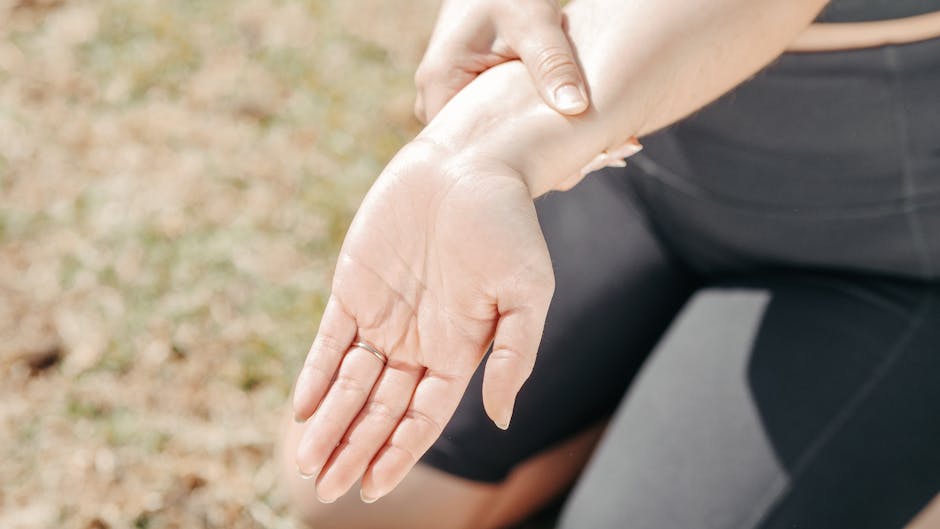
You've watched someone glide into Peacock Pose like it's nothing. Their forearms vertical, their body floating parallel to the floor, balanced on two pressed-together palms. And you've thought: my wrists would snap before I got an inch off the ground.
That fear is honest. It's also the reason most yogis quietly skip Mayurasana, even when it shows up in advanced sequencing. Weak wrists, tight forearms, a history of typing eight hours a day — these aren't moral failings. They're real conditions that shape what the body can hold today.
Here's the thing nobody says clearly: Peacock Pose isn't a wrist trick. It's a whole-body integration that passes through the wrists. When your wrists feel like the weak link, it usually means the rest of the chain hasn't been built yet. So we build it. Slowly. Without bravado.
This is a Week 1, Day 1–7 strengthening path. No rushing. No "by Friday you'll be in full Mayurasana." Just the foundation that makes the pose possible — and safer — when your body's ready to meet it.
Why Peacock Pose Feels Impossible With Weak Wrists
Mayurasana asks the wrists to do something unusual. The fingers point back toward the feet, the palms press into the floor, and the elbows tuck into the soft belly to create a kind of forearm shelf. Then you balance the entire torso on that shelf.
If your wrists already complain in Down Dog or Plank, the reversed-finger orientation can feel sharp, electric, even threatening. That's not weakness — that's information.
A few things tend to be true at once when wrists feel fragile:
- The forearm flexors (the muscles on the inside of your forearm) are tight from gripping phones, mice, and steering wheels.
- The forearm extensors (top of the forearm) are underused and weak.
- The shoulders aren't loading properly, so the wrists take force that should be distributed.
- The core isn't yet strong enough to lift the pelvis off the elbow shelf, leaving more weight in the hands.
Mind is the master here. Before strength, there's a clear-eyed assessment: where exactly does my body need support? The answer is rarely just "wrists."
What Actually Happens in the Wrists During Mayurasana
In most weight-bearing yoga poses — Down Dog, Plank, Chaturanga — the wrist is in roughly 90 degrees of extension with fingers pointing forward. That's already a lot to ask of a joint not designed for full body load.
In Peacock Pose, the fingers reverse direction. The wrist is still in extension, but now the forearm flexors are stretched while bearing weight. It's a loaded stretch under compression. For tight or untrained wrists, this combination is the issue.
The path forward isn't to muscle through. It's to build:
- Tissue tolerance in the forearm flexors and wrist joint.
- Strength in the forearm extensors, shoulders, and serratus anterior.
- Awareness of how to distribute weight across the whole hand instead of dumping into the heel of the palm.
If you've ever worked through a similar challenge in poses like Astavakrasana or watched someone progress through Firefly Pose preparation, you know this principle: arm balances are built in the off-ramp, not the moment of takeoff.
Day 1–3: The Wrist Conditioning Foundation
The first three days are quiet. No upside-down anything. No ambitious shapes. We're just teaching the wrists they're safe to load.
Morning wrist warm-up (5 minutes)
Do this on your hands and knees, before any other practice:
- Forward palm presses: Fingers pointing forward, gently rock weight into the hands and back off. 10 slow reps.
- Sideways palm presses: Fingers pointing out to the sides. 10 slow reps each side.
- Reversed fingers (the Peacock orientation): Fingers pointing toward your knees. Start with almost no weight. Lean in millimeters, not inches. 10 very slow reps.
- Top-of-hand press: Flip the hands so the back of the hand rests on the mat, fingers pointing back. Lean lightly. 8 reps.
If the reversed-finger version feels sharp, back off. The goal isn't intensity. It's teaching the joint that this position exists and is survivable.
Forearm strengthening (4 minutes)
Sit comfortably with a light weight in your hand — a water bottle works. Forearm rests on your thigh, palm up.
- Wrist curls (palm up): 12 slow reps each side.
- Reverse wrist curls (palm down): 12 slow reps each side. This trains the often-neglected extensors.
Three days of this, twice daily. That's it. No Peacock attempts. No "let me just see if I can lift up." This is sadhana — the consistent practice that creates a strong foundation.
Day 4–5: Building the Elbow Shelf
Now we introduce the structural shape of Peacock without the full balance. The elbows-into-belly position is its own skill.
Elbow shelf practice
Come to a kneeling position. Place hands on the mat about hip-width apart, fingers pointing back toward your knees. Bend the elbows and slowly draw them in toward your navel, stacking them just below your ribs.
This is uncomfortable. It's supposed to feel firm but not pinching. Breathe here for 5 slow breaths. Come out. Repeat 3 times.
Many practitioners discover their elbows don't easily come together — that's a shoulder mobility piece, not a wrist one. Spend a beat on chest-opening work. The poses that release neck and shoulder tension overlap meaningfully with what Peacock prep needs.
Forearm plank holds
Forget hand planks for now. Drop to forearms. Hold for 20 seconds. Rest. Repeat 4 times. This builds the deep core and shoulder stability you'll need to keep the pelvis lifted in the full pose.
Crocodile press (low chaturanga, on wrists this time)
Plank with fingers pointing forward, lower halfway down keeping elbows squeezing the ribs. Hold 5 breaths. The elbow-to-ribs squeeze is exactly the action Peacock demands. 3 rounds.
Day 6–7: Introducing Load Without Lift-Off
By now your wrists have had nearly a week of careful preparation. They're not transformed, but they're more aware, more loaded, more ready.
The Peacock prep position
Kneel. Place hands flat on the mat with fingers pointing back toward your knees, hands close together (thumbs may or may not touch — depends on your shoulder width). Bend elbows and tuck them into your lower belly, stacking your ribcage on top.
Lean forward slowly. Keep your knees on the floor. Let your forehead come toward the mat in front of your hands. Most of your weight is still in your knees and feet. Maybe 30% goes into the hands.
Breathe here. 5 breaths. Come out. Repeat twice more.
The toe-tipped lean
Same setup. This time, walk your knees back so you're more in a tucked-elbow plank with the wrist orientation reversed. Tip onto the balls of your feet. Lean forward until you feel the load shift into the hands and elbow shelf — but don't lift the feet.
If your wrists protest sharply, back off. Mild stretch and load is the territory. Sharp pain is not.
Hold 3-5 breaths. 2-3 rounds.
This is your Day 7. You haven't "done" Peacock. You've built the chassis. Most people who rush past this stage end up with wrist injuries that quietly sideline their practice for months. The slow path is the fast path.
What to Watch Out For Along the Way
A few things deserve real attention as you move through this week.
Sharp pain in the wrist crease
Stop. This is different from the stretchy, full sensation of forearm flexors lengthening. Sharp pinching at the front of the wrist usually means too much load too soon, or a tendency to dump weight into the heel of the palm. Spread your fingers wide. Press more through the knuckles and fingertips.
Numbness or tingling in the fingers
This can signal carpal tunnel irritation or simply over-compression. Take a longer rest. If it persists across days, it's worth checking with a movement professional before continuing.
Existing wrist conditions
If you've had a wrist fracture, carpal tunnel surgery, or active tendinopathy, a Peacock progression isn't appropriate without one-on-one guidance. Yoga therapy may be a better path — and if you're curious about that field generally, the path toward becoming a certified yoga therapist includes exactly this kind of nuanced injury work.
The ego pull
Peacock Pose looks impressive. That's part of why we want it. But the wanting can pull you past the body's actual readiness. Satya — truthfulness — is a quiet ally here. Honesty about what your wrists can hold today protects what they'll be able to do in a year.
Where This Fits in a Longer Arc
Week 1 is foundation. If your wrists feel meaningfully more capable by Day 7, the next phases involve loaded leans with feet lifting briefly, then knee-tucked Peacock, then the full extended pose. That's typically a 6-12 week arc, depending on your starting point.
If you're working on multiple arm balances at once, give yourself permission to pace. The body that's also progressing through Handstand Scorpion work or a Scorpion progression after 40 doesn't need to add Peacock urgency on top.
For context, the global yoga education ecosystem reflects this slow-build philosophy more than most marketing suggests. Of the 2,389 yoga teacher training schools tracked in our directory, the 110 full RYS-500 schools — the most advanced credential — almost universally teach arm balance progression as a multi-month curriculum, not a weekend workshop. The skill of patience is itself part of the lineage.
Caring for the Wrists Between Sessions
The work happens in practice. The recovery happens between practices. A few small habits make an outsized difference:
- Daily forearm stretching, even on rest days. Hold each side 30 seconds.
- Self-massage with your opposite thumb along the forearm flexors. 2 minutes per side.
- Reduce gripping load when you can. Type with lighter fingers. Loosen the death-grip on the steering wheel.
- Sleep hand position matters. If you wake with tingling fingers, you're likely sleeping with wrists deeply flexed. A loose wrist brace at night can help.
And — this part is gentle but real — pay attention to the systemic stuff. Tight wrists don't exist in isolation. Stress, dehydration, poor sleep, and chronic inflammation all show up in the small joints first. Building a home yoga practice that addresses the whole nervous system tends to do more for your wrists than any number of forearm curls alone.
When Peacock Pose Isn't the Pose for You — and That's Fine
Some bodies, even after thoughtful preparation, won't find Peacock to be a comfortable home. Wrist anatomy varies. Some people have a smaller range of wrist extension that makes the reversed-finger position genuinely unsuitable, no matter how much strengthening they do.
That's not failure. That's information. The pose isn't the point. The capacity to listen to your body, build slowly, and choose practices that actually serve you — that's the point.
If Peacock continues to feel wrong after a fair attempt, there are arm balances that may suit your structure better. Crow Pose, Side Crow, Eight-Angle, and Firefly all have different wrist demands. The path is wide.
Mind is the master. Not the asana. Not the photo. Not the timeline.
Related Reading
- Asana: The Health Benefits of a Physical Practice On and Off the Mat
- 7 Easy Tips for Nurturing Your Yoga Practice
- 7 Real Benefits of Daily Yoga Practice
If this Week 1 path resonates, take it at your own pace. Come back to Day 1 if your wrists tell you so. The pose will still be there.
Subscribe to the newsletter
Subscribe to my newsletter to get the latest updates and news