7 Easy Tips for Nurturing Your Yoga Practice

Your yoga practice grows when you show up consistently and treat yourself with kindness. Here are seven grounded ways to nurture what you've started.
You've rolled out your mat a few times. Maybe you're feeling stronger, or calmer, or just a little more present in your body. But sustaining that feeling—keeping your practice alive without it becoming another obligation—that's where most of us hit a wall. Nurturing a yoga practice isn't about perfection or progress that looks like someone else's Instagram feed. It's about meeting yourself where you are, showing up with patience, and building habits that actually stick.
Commit to a Realistic Schedule
The most common mistake is deciding to practice every day, then quitting after a week. Instead, choose a frequency you can genuinely maintain. Three times a week is sustainable for most people. One session of 45 minutes beats five sessions you skip. Block it on your calendar like any other appointment. Many students find morning practice easier—the mind hasn't collected distractions yet, and there's less chance something will pull you away. If mornings don't work, pick the time that feels most natural. Consistency matters more than duration.
Create a Dedicated Practice Space
You don't need a studio or much room. Even a corner of your bedroom works. Roll out a yoga mat—standard ones cost $30–$80 from brands like Manduka, Liforme, or Lululemon. Keep props nearby: a block, strap, and folded blanket. This signals to your mind and body that this place is for practice. Over time, simply stepping into that space triggers a shift in your nervous system. The ritual matters. If you practice in the same spot, your body begins to anticipate the work before you even begin.
Practice Ahimsa—Kindness Toward Yourself
Ahimsa, the first yama in Patanjali's Yoga Sutras, means non-harm. Apply it to how you practice. Pushing into pain or forcing deeper stretches violates ahimsa toward your own body. Skipping a week doesn't make you a failure. Practicing at Level 1 when you could technically do Level 3 is wise, not weak. The yogi who practices with self-compassion for ten years surpasses the one who burns out in months. Notice where you tend toward self-criticism—your breath, your alignment, your flexibility—and practice softening there instead.
Track Your Progress Without Comparison
Keep a simple practice journal. Write the date, style (Hatha, Vinyasa, Yin), duration, and how you felt. Not to prove anything, but to notice patterns. After a month, you might realize you sleep better after evening practice, or that certain poses feel more accessible. This is real progress. Comparison kills practice because yoga isn't competitive. Your Downward Dog doesn't need to look like your teacher's or your friend's. Your body has its own geometry, its own timeline. When you catch yourself comparing, gently return to your own mat, your own breath, your own truth.
Explore Pranayama and Meditation
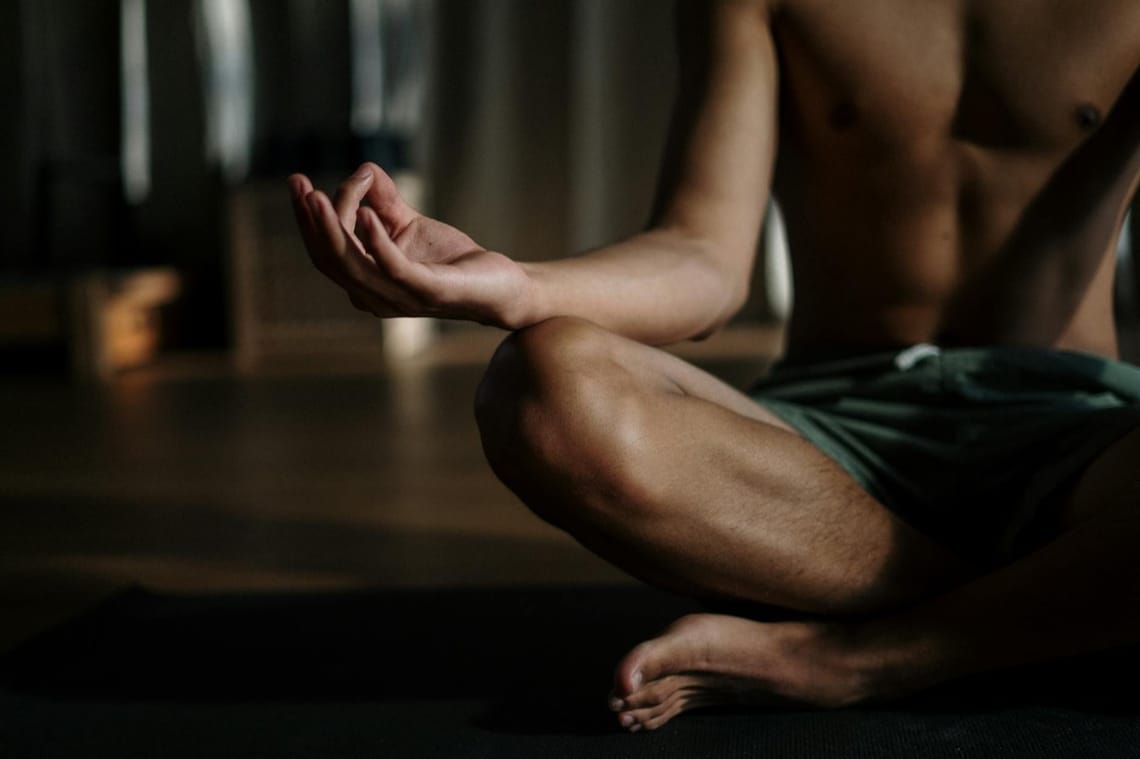
Physical postures are just one of eight limbs of yoga. Pranayama (breathing practices) and meditation anchor your practice in the nervous system. Simple practices like nadi shodhana (alternate nostril breathing) for five minutes calm the mind before seated practice. Apps like Insight Timer or Calm offer free guided meditations. Even three minutes of savasana (final relaxation) at the end of practice shifts you from doing to being. These practices don't require flexibility or strength. They're available to everyone and often feel more nourishing than any asana.
Invest in Online Learning or Group Classes
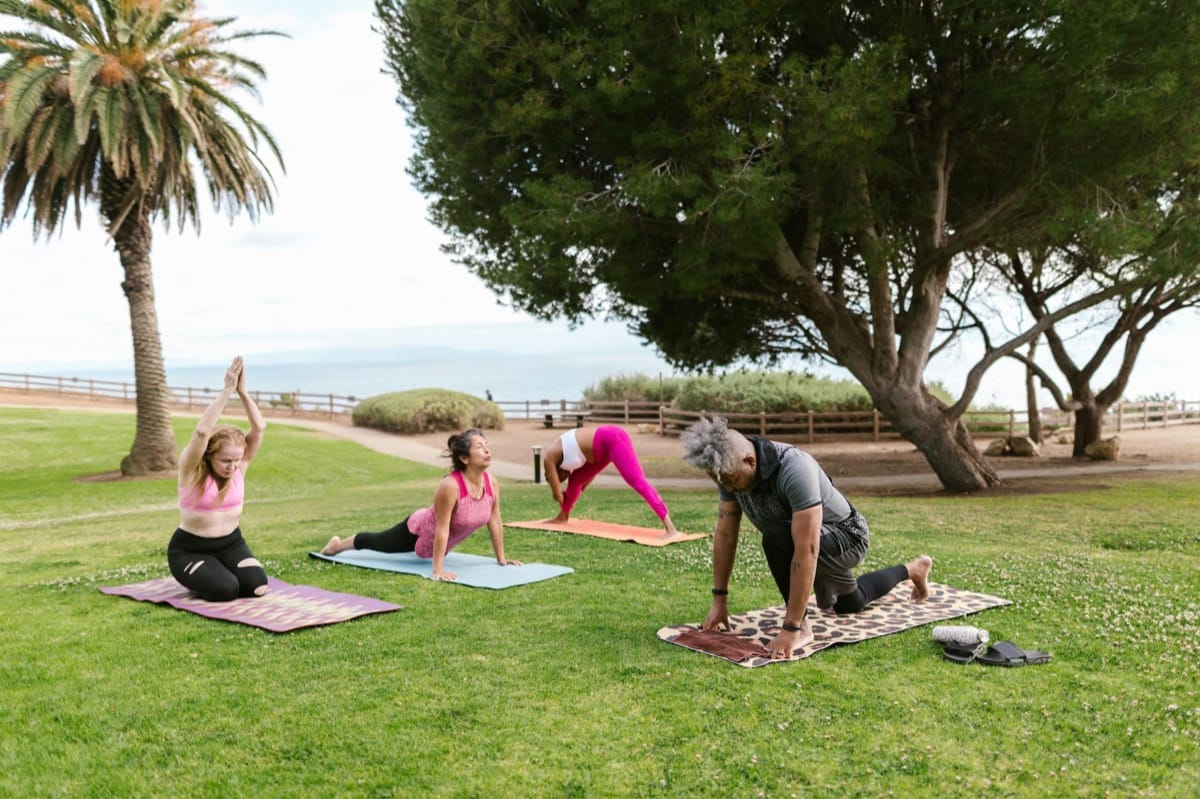
A teacher—in person or online—accelerates your practice and helps prevent injury. Platforms like Yoga with Adriene (free on YouTube), Down Dog ($12/month), or OnlineYogaPlanet offer programs for all levels. Many studios offer introductory rates: eight classes for $50–$80 is typical. A teacher can watch your alignment, suggest modifications, and answer questions that solo practice can't. Group classes also build accountability and community. Both matter. Online classes give flexibility; live classes create connection. Many students benefit from both.
Honor Rest and Niyama
Saucha (cleanliness), satya (truthfulness), tapas (commitment), and santosha (contentment) are niyamas—personal practices. They apply here. Keep your mat clean. Be honest about whether you're practicing for yourself or for someone else's approval. Commit without obsession. Be content with small steps. Rest days aren't laziness; they're part of yoga. Your body needs recovery. Burnout isn't dedication. Notice if you're practicing from a place of genuine care or from perfectionism. That distinction changes everything.
Adjust as Life Changes
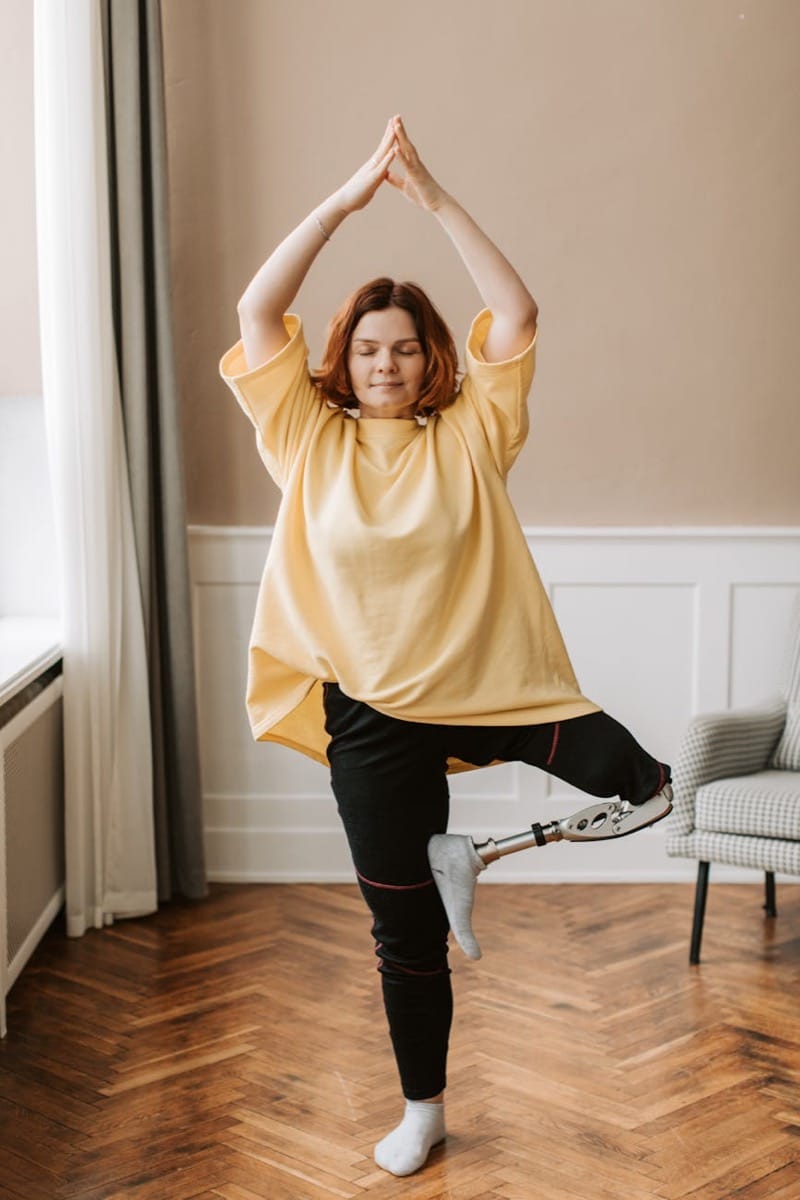
Your practice will evolve. Pregnancy, injury, grief, moving, changing jobs—these all affect what your body needs and what your schedule allows. A practice that works for you at 30 may not work at 40. Yin yoga might suit you during a stressful phase; Vinyasa might feel right when you need strength. This isn't failure; it's maturity. The yogis call this ahimsa in motion. You're not abandoning your practice; you're letting it meet you in real time. Check in every few months: Does this still serve me?
Nurturing a yoga practice is an act of self-respect. You're saying: I matter enough to show up. Not perfectly. Not heroically. But genuinely, again and again. That consistency—humble and patient—is where the real work happens. Not on Instagram. Not in comparison to anyone else. On your mat, in your body, with your breath. That's where yoga lives.
Subscribe to the newsletter
Subscribe to my newsletter to get the latest updates and news