7 Real Benefits of Daily Yoga Practice


A consistent yoga practice changes how you feel and move. Learn the seven genuine benefits of practicing yoga daily, from better breathing to deeper sleep.
You've probably noticed yoga everywhere—studios on every corner, apps on your phone, friends talking about their practice. Maybe you've tried a class or two and felt something shift. But you're wondering: what happens if you actually practice every day? Not someday when life settles down, but genuinely, regularly, as a real part of your week. This article is for you.
A yoga practice means showing up consistently to poses, breathwork, and meditation. It's not about being flexible or Instagram-worthy. It's about creating a relationship with your body and mind through deliberate, repeated engagement with the teachings of yoga. The Yoga Sutras of Patanjali call this abhyasa—steady, devoted effort over time. That consistency is where the real benefits live.
What a Real Yoga Practice Looks Like
A yoga practice doesn't require hours of commitment. It might be 15 minutes of sun salutations before breakfast, a weekly studio class, or 10 minutes of pranayama and meditation in the evening. The form matters less than the repetition. Your nervous system, your muscles, your breath—they all respond to patterns. Daily practice, even brief, creates patterns that stick.
You might practice asana (poses), pranayama (breathing techniques), meditation, or all three. Some people use a Yoga with Adriene video or a Peloton Digital subscription. Others join a studio like Yoga Alliance-certified locations in their area. Many use apps like Down Dog or Insight Timer. The path is less important than the walking.
Benefit 1: Steadier, Deeper Breathing
Your breath is the bridge between body and mind. Most of us breathe shallowly, especially under stress. Pranayama practices like nadi shodhana (alternate nostril breathing) or ujjayi (ocean breath) train your nervous system to breathe more fully. After a few weeks of daily practice, you'll notice you naturally breathe deeper, even outside your sessions. Your oxygen intake improves. Your mind feels less scattered.
This isn't mystical. It's physiology. Deeper breathing activates the parasympathetic nervous system—your rest-and-digest mode. Shallow breathing keeps you in fight-or-flight. Daily breath practice literally rewires your default state.
Benefit 2: Better Sleep and Rest
Insomnia and restlessness are often rooted in an activated nervous system. Yoga nidra (guided body-scan meditation) and yin yoga (long-held gentle poses) activate the vagus nerve, which tells your body it's safe to rest. An evening practice 3-4 times a week shows measurable results within two weeks. Many people practicing daily yoga report falling asleep faster and sleeping more deeply.
Poses like supported child's pose (balasana) or legs-up-the-wall (viparita karani) signal safety to your system. Add a practice of yoga nidra—20 minutes of guided relaxation—and you're giving your body permission to genuinely restore. Classes on YouTube or apps like Yoga Nidra Network cost nothing or $10-15 monthly.
Benefit 3: Stronger, More Flexible Body
Yoga builds functional strength. Holding warrior poses, chaturanga push-ups, and arm balances strengthens stabilizer muscles that gym workouts often miss. The repetition of daily practice means gradual, sustainable gains. You'll notice improved posture, less back pain, and easier movement in daily life—reaching for something high, bending to pick up your child, standing for longer periods.
Flexibility comes too, but not the way many think. Regular gentle stretching and active movement in poses like downward dog (adho mukha svanasana) and forward folds release tension your body holds from stress and habit. Within a month of daily practice, most people move with noticeably more ease.
Benefit 4: Clearer, Calmer Mind
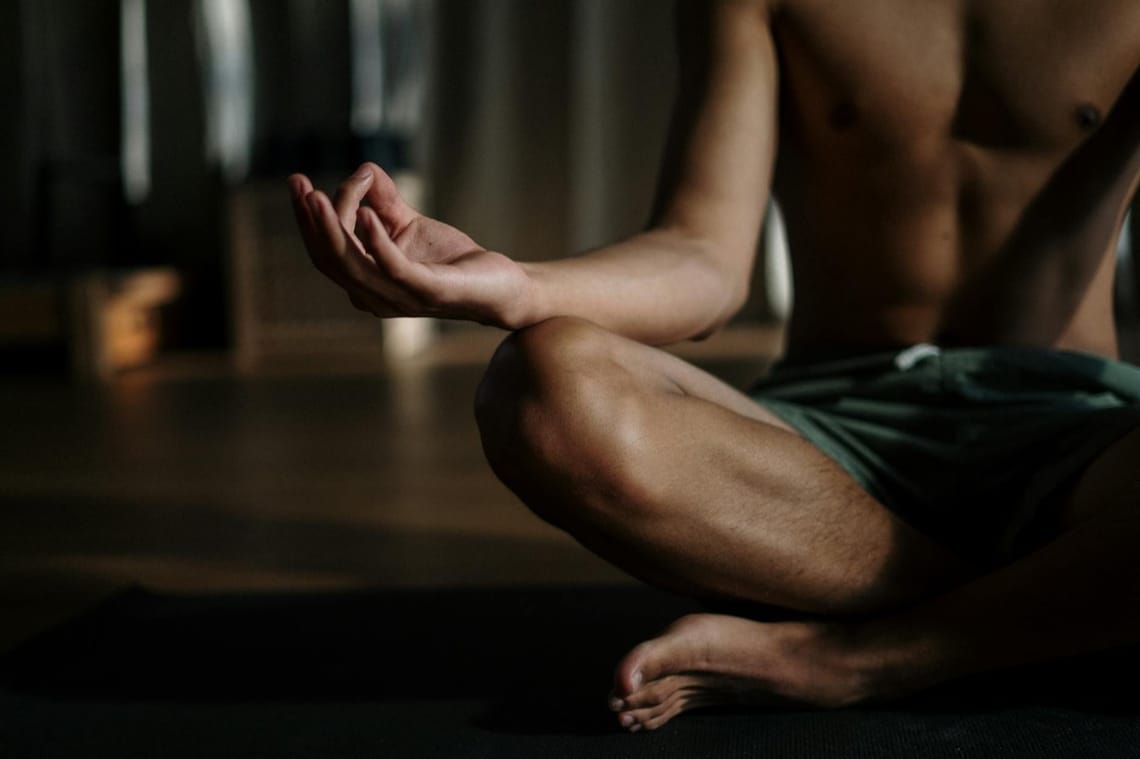
Meditation is the heart of yoga, though many people think yoga is just the poses. Daily meditation, even 5-10 minutes, changes your relationship to your thoughts. You begin to notice: you are not your anxious thoughts. You can observe them without acting on every impulse. This mental space is called witness consciousness in classical yoga texts.
Regular meditators show measurably lower cortisol (stress hormone) and higher GABA (calming neurotransmitter). You'll feel less reactive, more able to respond thoughtfully. Anxiety softens. Decisions come clearer. This isn't positive thinking—it's genuine neurological change from consistent practice.
Benefit 5: Better Digestion and Immunity
Twisting poses (like ardha matsyendrasana) and forward folds massage your digestive organs. Breathing practices increase blood flow to your gut. The calm state yoga creates allows your body to digest food properly instead of in a state of stress. Many people find daily practice helps with bloating, constipation, or irregular digestion.
The immune benefit is real too. A consistent practice lowers inflammation, reduces cortisol, and activates lymphatic drainage. Studies show regular yoga practitioners get fewer colds and recover faster. Your body's repair systems work better when you're not in chronic stress.
Benefit 6: Genuine Self-Awareness
The Niyamas—yoga's second ethical pillar—include svadhyaya, self-study. A daily practice becomes a mirror. You notice which poses are hard, where you hold tension, what emotions arise. You begin to see patterns: you always tense your shoulders in anxiety, you breathe shallowly when rushed, you avoid certain movements because of old injuries or beliefs.
This awareness spreads off the mat. You catch yourself tensing before meetings. You recognize your patterns in relationships. You make choices from awareness instead of habit. This is the real gift of daily practice—not transcendence, but honest, grounded knowledge of yourself.
Benefit 7: Connection to Something Larger
Yoga is a spiritual practice, though you don't need to believe anything to benefit. Simply moving with intention, breathing consciously, and sitting in stillness creates space for perspective. Many practitioners find daily practice opens them to gratitude, interconnection, or a sense of meaning they were missing. You don't force this—it emerges naturally when your nervous system settles and your mind quiets.
How to Start a Daily Practice
Begin where you are. If you're new, try 10-15 minutes most mornings: 5 minutes of gentle poses, 5 minutes of breathwork, 5 minutes of meditation. Apps like Down Dog ($0-10/month), YouTube channels like Yoga with Adriene (free), or a studio membership ($80-200/month) all work. The best practice is the one you'll actually do.
Set a specific time. Morning practice anchors your whole day. Evening practice prepares you for rest. Consistency matters more than duration. Two weeks of daily practice is when you'll feel the shift. Your body will start craving it. Your mind will feel different without it. That's when yoga moves from a to-do to a genuine practice—something you choose because it makes your life better.
The benefits are real and measurable, but they're not magic. They're the result of your nervous system learning to regulate, your muscles learning to move freely, your mind learning to rest. That's worth showing up for, every day.
Subscribe to the newsletter
Subscribe to my newsletter to get the latest updates and news