7-Day Silent Yoga Retreats in Koh Phangan Under $800
You've been refreshing the same retreat tab for an hour. The prices keep climbing past $1,500. The "luxury wellness escape" packages feel less like rest and more like another performance you'd need to budget for. And somewhere underneath all that scrolling is the actual reason you started looking: you're tired of talking. Tired of thinking. Tired of being reachable.
Koh Phangan hears you.
This small Thai island in the Gulf of Siam has quietly become one of the most accessible places on earth for serious silent practice. Not silent as in "polite restaurant noise level." Silent as in noble silence — no speaking, no eye contact, no phone, no journaling for an audience of future you. And the wild part? You can do a full week of it for under $800, accommodation and meals included.
Let's talk about how that's possible, what to actually expect, and how to choose a retreat that matches where you are right now.
Why Koh Phangan for Silence (and Not Just the Full Moon Party)
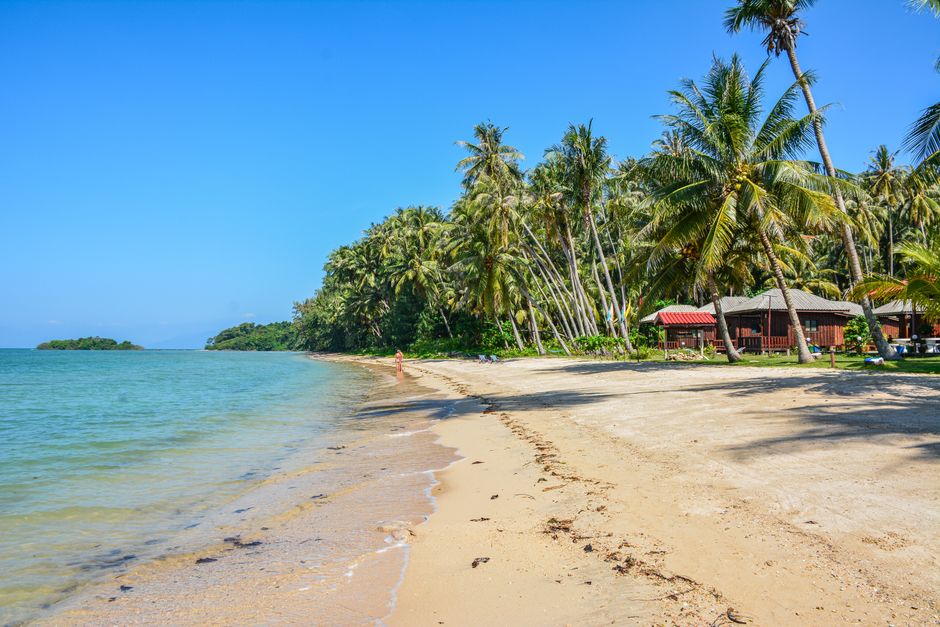
Koh Phangan has a split personality. The southwestern beaches host the famous parties. But the north and northeast — Sri Thanu, Haad Yuan, Bottle Beach, Chaloklum — have been a quiet hub for yoga, vipassana, and energy work since the late 1990s.
The island ecosystem rewards low-overhead operations. Bungalows are simple. Food is local. Land is still affordable enough that small retreat centers can charge fair prices without cutting corners on teachers or food quality.
That's the structural reason silent retreats here stay under $800. The cultural reason is just as important: the local Thai context honors monastic silence. You're not asking a beach town to suddenly understand why you won't talk for seven days. You're stepping into a place where silent practice is already woven into the landscape.
Mind is the master. The island makes that easier to remember.
What Noble Silence Actually Feels Like (Days 1–7)
People often imagine silence as peaceful. It's not, at first. Here's a more honest map of how the week tends to unfold.
Day 1: The Settling
You arrive, surrender your phone (or lock it in your bungalow), and meet your room. You'll likely have an orientation circle where speaking is still allowed. After dinner, silence begins. Most people sleep oddly that first night. The brain is still buffering.
Day 2: The Noise Underneath
This is the day people often want to leave. Without conversation, your internal monologue gets loud. Old arguments replay. To-do lists bloom. You'll sit for meditation and feel like you're failing. You're not. You're meeting your own mind without its usual distractions, possibly for the first time.
Day 3: The Body Speaks
Around day three, the nervous system starts to drop. You may cry during savasana for no reason you can name. You may sleep ten hours. Tension you didn't know you were carrying in your jaw, hips, and shoulders begins to release. This is also when restorative practices for anxiety become genuinely useful — not as a workout, but as a doorway.
Days 4–5: The Quiet Spaciousness
Something shifts. Meals taste different. Walking feels different. Time stretches. You'll notice the sound of your spoon against your bowl. You'll watch a gecko on the wall for ten minutes and not feel weird about it. This is what people actually come for.
Days 6–7: The Re-entry Prep
Most retreats break silence on the morning of the final day. The first words feel strange in your mouth. A good retreat structures this carefully — usually with a closing circle, integration guidance, and time before you fly out.
What Under $800 Actually Includes (and What It Doesn't)
Transparency matters here, because retreat pricing is famously slippery. At the under-$800 tier on Koh Phangan, here's what's typically included for seven nights:
- Shared or simple private accommodation — fan-cooled bungalows, sometimes with shared bathrooms
- Two or three vegetarian meals daily — usually buffet-style, often with Thai and international options
- Two daily yoga sessions — typically a morning vinyasa or hatha and an evening yin or restorative
- Two to three daily meditation sittings — guided at first, then silent
- Pranayama or breathwork sessions — sometimes daily, sometimes a few times in the week
- Optional dharma talks — given by the lead teacher in silence-respecting format (no group discussion)
What's usually not included: airport transfers, the ferry from Koh Samui or Surat Thani, massages, private rooms with AC (often a $100–200 upgrade), and laundry. Build a $100–150 buffer for these.
If you see a retreat under $400 for the full week, look closely. Either it's genuinely bare-bones (which can be perfect for some) or something is being substituted — a less experienced teacher, fewer sessions, or a setting that's more guesthouse than retreat space. Neither is automatically bad. Just know what you're choosing.
How to Vet a Silent Retreat Before You Book
Not every retreat calling itself "silent" actually holds the container. Some allow whispered conversations during meals. Some let phones stay accessible. Some pack the schedule so tight you never get the spaciousness silence is meant to create.
Here's what to look for:
Teacher Lineage and Credentials
Ask who's leading the silence and meditation portions specifically. A 200-hour yoga teacher is qualified to teach asana. Holding silent space is a different skill, usually built through extended personal practice in vipassana, Zen, or a dedicated meditation lineage. OYP's database tracks 2,389 yoga teacher training schools globally, with 1,617 carrying Yoga Alliance accreditation — useful context, but Yoga Alliance doesn't certify meditation teaching. Look for biography depth, not just credential count.
The Schedule Itself
A grounded silent retreat schedule has built-in unstructured time. If every hour from 6am to 9pm has a led activity, that's not silence — that's a yoga vacation in mute mode. You want at least two or three hours of free time daily for walking, resting, and letting your mind actually settle.
Honest Reviews
Search the retreat name plus "review" on Reddit and dedicated retreat forums, not just the testimonials on their site. Look for patterns. One bad review is noise. Five reviews mentioning the same thing — too noisy, food was thin, teacher canceled sessions — is signal.
Group Size
For silence to hold, the group can't be too big. Sweet spot is 8–20 participants. Above 25 and the energetic container starts leaking. If a retreat is advertising 40+ people, ask how they hold the silence.
Three Types of Silent Retreats You'll Find on Koh Phangan
1. Yoga-Forward Silent Retreats ($550–$780)
These center the asana practice with silence as the holding container. You'll move through two practices a day — often a morning vinyasa and an evening restorative session — with meditation woven between. Best for practitioners who feel grounded through movement and want their physical practice to deepen alongside the mental quiet.
2. Meditation-Forward Silent Retreats ($400–$700)
These look closer to traditional vipassana. Multiple long sittings daily, gentle morning yoga more as preparation than practice, and dharma talks each evening. Best if you've already got an established sadhana and want to go deeper into meditation specifically.
3. Hybrid Silent + Pranayama Retreats ($600–$800)
A growing category. These pair silence with serious pranayama work — sometimes including more advanced techniques like nadi shodhana sequences and kapalabhati. Best for practitioners curious about energy work and breath as a meditation tool. Worth noting: some of these incorporate kundalini-influenced practices, which can be intense if you're new to them. Ask in advance.
Practical Logistics: Getting There, Packing, Eating
Getting to Koh Phangan
Most travelers fly into Bangkok (BKK), then take a domestic flight to Koh Samui (USM) or Surat Thani (URT). From Samui, it's a 30-minute ferry. From Surat Thani, a longer combined bus-and-ferry that's cheaper. Total travel from Bangkok runs $80–200 depending on your route. Build in a buffer day before the retreat starts. Arriving frazzled defeats the purpose.
What to Pack
- Two sets of comfortable practice clothes (it's hot — light fabrics)
- A light shawl or layer for evening meditation
- Insect repellent (DEET-free works fine on Koh Phangan most of the year)
- A reusable water bottle
- A small notebook for the post-retreat integration period
- Your own mat if you're particular — most centers provide them, but quality varies. Here's a mat guide if you're choosing one for travel
Food
Expect vegetarian or vegan, mostly Thai-influenced with Western options. If you have allergies or strict dietary needs, message the retreat before booking. Most can accommodate gluten-free and nut-free with notice. Strict ketogenic or carnivore diets won't work in this setting.
Best Time to Go
December through March is dry season — beautiful but the most expensive and crowded. June through August is shoulder season with occasional rain and the best prices. September through November is the rainy season; some retreats close, but the ones that stay open are gloriously quiet.
What Actually Changes After Seven Days of Silence
Let's be honest about this part. You won't come home enlightened. You won't have figured out your career or your relationship. The Instagram-friendly "retreat glow" wears off in about ten days.
What does tend to last:
- A reset baseline for nervous system arousal. You'll notice when you're spinning out earlier than you used to.
- A stronger relationship to your own attention. You'll realize how often you reach for your phone out of pure restlessness.
- An embodied sense that silence is available. Even five minutes of intentional quiet hits differently after you've spent a week there.
- A clearer sense of your actual practice. Many people return and finally build a real home practice, because they've felt what consistency does.
The goal isn't to escape your life. It's to come back with a quieter, more honest relationship to it.
If Koh Phangan Isn't Quite Right, Consider These
Silence is universal but the location matters for how you'll receive it. Some honest comparisons:
- If you want more cultural immersion alongside the silence, look at longer retreats in India or compare India vs Thailand for retreat style.
- If you'd rather pair silence with surfing or jungle settings, Bali vs Thailand is worth reading.
- If you want a shorter introduction first, a weekend retreat can be a smart entry point before committing to seven days of noble silence.
A Soft Invitation
If you've made it this far, something in you is already leaning toward this. You don't need permission to need quiet. You don't need to justify a week away from being reachable. The fact that you've spent your scrolling time researching silent retreats instead of beach resorts is its own kind of answer.
Take your time choosing. Read the actual schedule. Email the teacher. Trust the place that answers your questions like a human, not a sales funnel.
And when you go — really go. Lock the phone away. Let the first two days be hard. Let day three crack you open a little. The quiet is waiting on the other side, and Koh Phangan will hold it for you better than almost anywhere else on the planet for the price.
Related reading
Subscribe to the newsletter
Subscribe to my newsletter to get the latest updates and news