14-Day Yoga Retreats in India: What to Expect and How to Choose
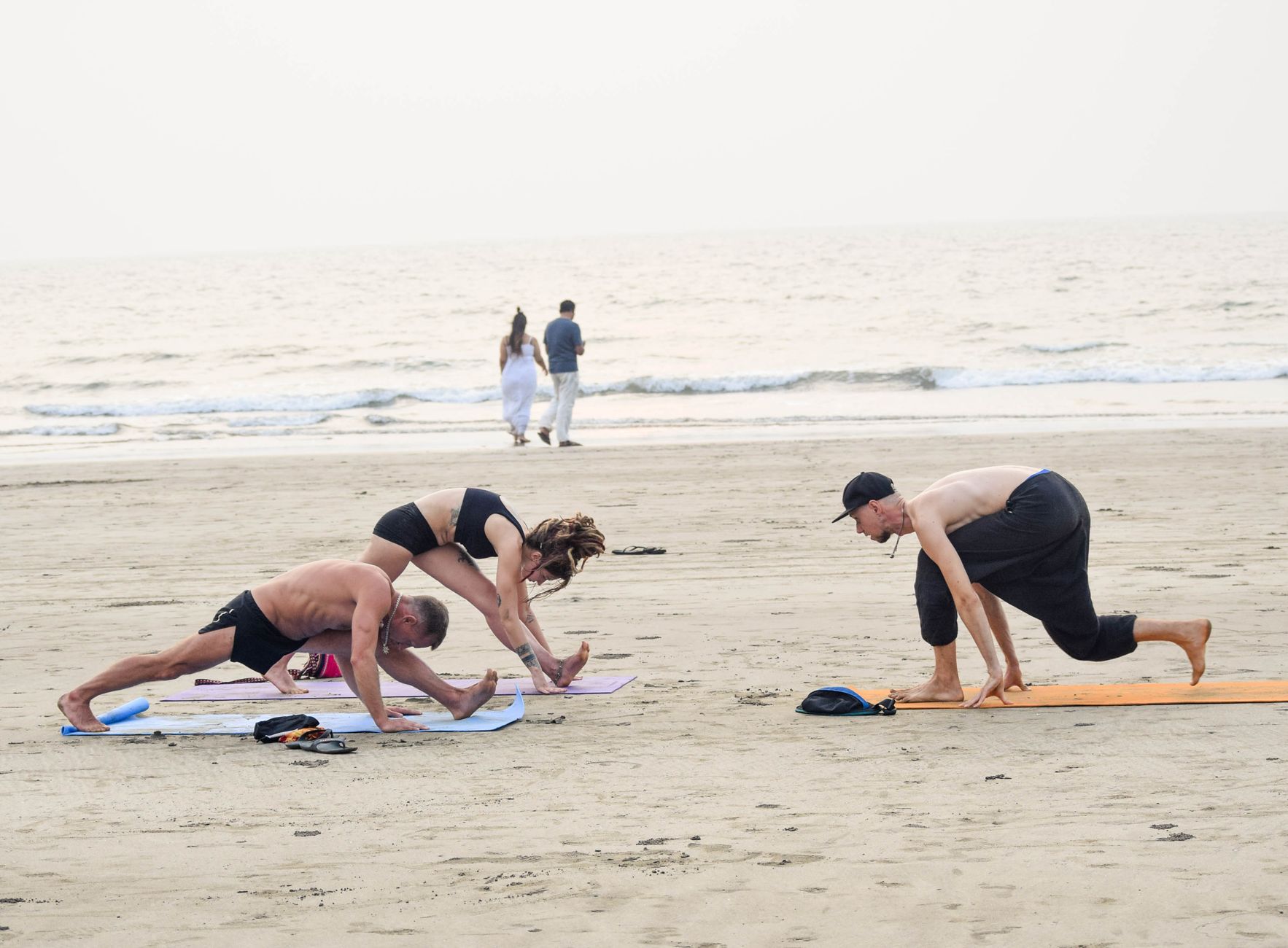
A 14-day yoga retreat in India is one of the most transformative experiences a dedicated practitioner can undertake. Whether you're seeking deeper spiritual understanding, wanting to advance your physical practice, or simply needing to step away from the demands of daily life, India offers the perfect setting—and centuries of wisdom—to support your journey.
The beauty of a two-week retreat is that it gives you enough time to move beyond the novelty phase and truly settle into the work. You're not rushing through poses or trying to squeeze in as much as possible. Instead, you have space to breathe, reflect, and let the teachings integrate at a cellular level.
In this guide, I'll walk you through what a typical 14-day yoga retreat in India looks like, what physical and mental benefits you can realistically expect, and how to choose the right program for your needs and level.
Understanding the Structure of a 14-Day Yoga Retreat
Most traditional yoga retreats in India follow a rhythmic daily schedule designed to balance practice, learning, and rest. A typical day usually begins before sunrise with pranayama (breathing exercises) and meditation, followed by a main asana (physical posture) class. Many programs offer two sessions daily—one in the morning and one in the late afternoon—with philosophical teachings woven throughout.
What distinguishes a 14-day retreat from shorter programs is the pacing. With two full weeks, you're not cramming content. Instead, teachers can introduce concepts gradually, allow your body time to adapt to deeper stretches and stronger poses, and give your mind the opportunity to genuinely settle into meditation practice.
You'll typically have meals together with other participants—usually vegetarian and sattvic (pure, calming) in nature—which creates community and supports the retreat's energy. Many retreats also include time for self-study, journaling, or optional workshops on specific topics like yama (ethical principles) or yoga philosophy.
Physical Benefits: What Your Body Will Experience
Two weeks of consistent yoga practice produces measurable physical changes. Research shows that regular yoga practice increases flexibility, improves muscular strength, and enhances balance and proprioception (your sense of where your body is in space). By day 14, practitioners often report:
- Significant increases in spinal mobility and flexibility, especially in hamstrings, hip flexors, and shoulders
- Improved posture and alignment habits that carry over into daily life
- Reduced muscle tension and chronic pain, including relief from issues like neck and shoulder pain
- Better sleep quality due to parasympathetic nervous system activation
- Increased awareness of your body's signals and movement patterns
The key is consistency. Practicing daily for two weeks, rather than sporadically at home, allows your body to develop genuine structural changes. Your connective tissues, muscles, and nervous system all adapt and strengthen in ways that aren't possible with once-weekly classes.
Mental and Emotional Transformation
The mental benefits often run deeper than the physical ones. In our overstimulated modern lives, most of us exist in a state of sympathetic nervous system activation—fight-or-flight mode. A 14-day retreat gives your body permission to downshift into the parasympathetic state, where healing and integration happen.
You can expect clearer thinking, reduced anxiety, better emotional regulation, and a genuine sense of calm. Some practitioners experience emotional releases during or after practice—this is normal and actually a sign that deep tension stored in the body is being released. Many participants also report improved relationships and a renewed sense of purpose after returning home.
Additionally, exposure to yoga philosophy and meditation typically shifts your perspective on challenges. Concepts like pratipaksa bhavana (cultivating opposing thoughts) and shanti (inner peace) move from intellectual understanding to lived experience.
Choosing the Right Retreat: Location and Tradition
India has yoga retreats everywhere, from bustling cities to remote mountain villages. Your choice of location should depend on what you're seeking.
Northern India: Rishikesh and the Himalayas
Rishikesh, in Uttarakhand, is the yoga capital of India and home to hundreds of ashrams and retreat centers. The town sits on the sacred Ganges River, and the spiritual atmosphere is palpable. Many internationally renowned teachers and schools operate here, making it ideal if you want world-class instruction combined with deep spiritual immersion. The cooler climate and proximity to nature are additional bonuses.
South India: Kerala and Tamil Nadu
South India offers a different flavor. Kerala's backwaters and lush landscapes create a deeply restorative environment. Many retreats here incorporate Ayurvedic principles and include massage or treatment as part of the program. If you're interested in traditional, authentic Indian yoga culture, South India is exceptional.
Central India: Goa and Beyond
Goa blends spirituality with a more relaxed vibe. It's an excellent choice if you want serious practice without feeling as isolated from Western comforts. The beaches add a natural reset element.
What to Look for in a Quality Retreat Program
Not all retreats are created equal. Here are the key factors to evaluate:
Teacher Credentials and Experience
Ensure the lead instructors have legitimate training and experience. A 200-hour yoga teacher training qualification is the bare minimum; many excellent teachers have 500+ hours. Look for teachers who have studied in India and have a genuine lineage within yoga traditions.
Student-to-Teacher Ratio
Small groups (under 20 participants) allow for personalized attention and modifications. Larger groups can feel impersonal and make it harder for teachers to address individual needs.
Class Variety
Even within a single tradition, good programs offer variety. You might practice vinyasa flow, alignment-focused classes, restorative sessions, and pranayama. This prevents boredom and addresses different aspects of yoga.
Clear Communication About Level
Some retreats are designed for beginners, others for experienced practitioners. Be honest about your level. A program marketed for "all levels" should clearly explain how they differentiate instruction.
Accommodations and Amenities
While yoga teaches non-attachment, you still need to be comfortable enough to focus on practice rather than being distracted by poor conditions. Look for clean rooms, reliable hot water, and adequate meals.
Philosophy and Values
Does the retreat align with your values? Some programs are highly spiritual and include daily philosophy talks; others are more physically focused. Some incorporate pranayama and meditation heavily; others are lighter on these elements. Read descriptions carefully and contact retreat organizers with questions.
Practical Tips for Making the Most of Your Retreat
Arrive a day early if possible. This gives your body and mind time to adjust to a new time zone and environment before intensive practice begins.
Set an intention at the beginning. What do you want from these 14 days? Personal growth? Physical healing? Spiritual deepening? Write it down. This gives your practice focus and helps you recognize subtle shifts as they happen.
Practice savasana seriously. The final relaxation pose isn't just a nice ending—it's where integration happens. Don't cut it short or treat it as optional.
Journal consistently. Insights often arise during retreat that fade quickly once you return home. Writing them down anchors them in your consciousness.
Embrace the schedule without rigidity. If you're exhausted, it's okay to skip a class and rest. Yoga is about honoring your body's needs, not pushing through.
Limit digital distractions. Many retreats request that participants minimize phone and internet use. Resist the urge to check email or social media. The break is part of the healing.
Cost and Logistics
A 14-day yoga retreat in India typically costs between $800 and $2,500 USD, depending on location, accommodation level, and included amenities. This usually covers accommodation, meals, and all classes. Flights to India from North America or Europe typically run $600–$1,500 depending on season and how far in advance you book.
Visa requirements vary by nationality, but most Westerners can obtain a tourist visa relatively easily. Check your government's India visa requirements well in advance of booking.
The best time to visit India for yoga retreats is October through March, when temperatures are moderate and humidity is lower. Avoid the monsoon season (June–September) and the intense heat of April–May.
After the Retreat: Integrating Your Experience
The real challenge isn't the retreat itself—it's maintaining the benefits once you return to regular life. Most practitioners report that positive changes begin fading after a few weeks without dedicated practice and community support.
To protect your gains:
- Commit to a minimum daily practice at home (even 15–20 minutes makes a difference)
- Join a local yoga class or community to maintain accountability and connection
- Revisit your retreat journal regularly to reconnect with insights and intentions
- Consider shorter annual retreats to deepen and maintain your practice
If you're interested in exploring other retreat destinations, you might also consider 7-day yoga retreats in Bali or other international options, though India remains the gold standard for authentic, deep yoga experiences
Subscribe to the newsletter
Subscribe to my newsletter to get the latest updates and news