
21-Day Yoga Retreats in Thailand: What to Expect and How to Choose
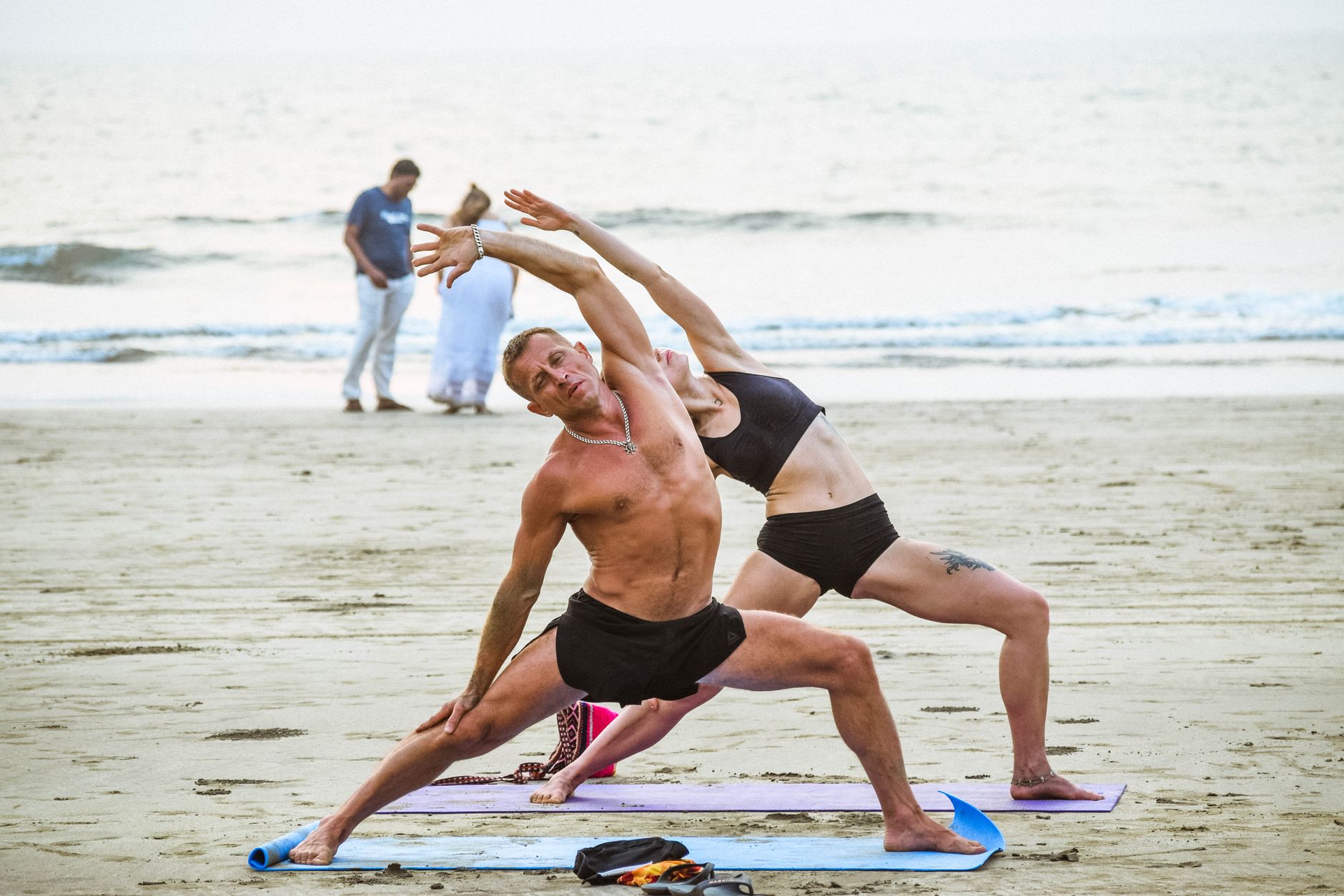
A 21-day yoga retreat in Thailand is one of the most transformative experiences you can give yourself. Three weeks is long enough to truly unwind, break unhelpful patterns, and dive deep into your practice—yet it's short enough to fit into many work schedules if you plan ahead. Thailand's combination of warm hospitality, affordable living, stunning natural settings, and authentic yoga instruction makes it an ideal destination for this kind of extended retreat.
If you're considering such a commitment, you likely have questions: What actually happens during three weeks? What's the daily schedule like? How do I choose between the dozens of retreats available? This guide walks you through what to expect and gives you practical criteria for selecting the right retreat for your goals and temperament.
Why Three Weeks? The Science Behind Retreat Length
Research on habit formation suggests it takes roughly 21 days for a behavior to become automatic. That's not coincidence—it's why 21-day retreats have become the sweet spot for yoga students seeking lasting change.
During the first week, your body adjusts to the schedule and you process the newness. Your nervous system begins to downshift from "fight or flight" mode. By week two, you're moving past the novelty phase and actually experiencing the deeper benefits of consistent practice. By week three, new neural pathways are forming. You've genuinely changed your relationship with your breath, your body, and your mind.
Studies show that extended yoga practice increases gray matter density in areas associated with emotional regulation and self-awareness. Three weeks gives you enough time for these neurological shifts to begin solidifying, so the benefits don't evaporate when you return home.
What a Typical Day Looks Like
Most 21-day retreats in Thailand follow a similar rhythm, though specifics vary by location and teacher. Here's what you can generally expect:
- 5:30–6:00 AM: Wake-up, optional meditation or pranayama
- 7:00–8:30 AM: Morning yoga class (usually vinyasa, hatha, or yin depending on the program)
- 8:30–9:30 AM: Breakfast (vegetarian or vegan, often included)
- 9:30 AM–1:00 PM: Free time, self-practice, or optional workshops
- 1:00–2:00 PM: Lunch
- 2:00–5:00 PM: Rest, nap, reading, journaling, or exploration
- 5:00–6:30 PM: Evening class (often gentler: restorative, yin, or child's pose and relaxation sequences)
- 6:30–7:30 PM: Dinner
- 7:30–8:30 PM: Meditation, chanting, or savasana practice
- 9:00 PM: Lights out (or free time to rest)
This isn't rigid—good retreats build flexibility into their schedules. You might skip an afternoon class to swim in the ocean, or opt out of morning practice if you need rest. The structure is a container, not a prison.
Physical and Mental Benefits You'll Actually Notice
Beyond the research-backed benefits, here's what retreat participants consistently report:
- Increased flexibility and strength. Practicing 90–120 minutes daily (often twice daily) will shift your body. That deep hip tightness from desk work? You'll feel real movement in poses like pigeon pose by week two.
- Better sleep. A consistent schedule, reduced screen time, and the physical demand of daily practice create the conditions for genuinely restorative sleep—often the first major shift people notice.
- Mental clarity. Three weeks away from email, news, and ambient stress gives your brain a chance to reset. Many people emerge with surprising clarity about what matters to them.
- Emotional release. Deep physical practice often brings suppressed emotions to the surface. This is normal and healthy. Good retreat teachers know how to hold space for this.
- Stronger breathing capacity. Pranayama becomes natural when you practice it daily. You'll notice you're calmer and more present in everyday life.
Types of 21-Day Retreats in Thailand
Not all retreats are the same. Understanding your options helps you choose wisely.
Immersive Teacher Training Retreats
These combine ongoing personal practice with teacher training. You'll learn anatomy, alignment, Sanskrit, philosophy, and teaching methodology. Ideal if you're considering becoming a teacher or deepening your understanding of yoga's foundations. These tend to be more structured and academically focused.
Deep Practice/Ashram-Style Retreats
These emphasize meditation, pranayama, and the philosophical teachings of yoga. You'll study texts like the Yoga Sutras, explore concepts like klesa (obstacles to peace), and engage in longer meditation sessions. Days often begin at 5 AM and maintain a monastic rhythm. These suit practitioners who want spiritual depth and aren't seeking "luxury" or social time.
Vinyasa Flow Intensives
These focus on dynamic, movement-based yoga. You might practice warrior poses, arm balances, and inversions. Less emphasis on meditation, more on building strength and fluidity. Great if you're an active person who loves movement.
Yin and Restorative Retreats
These slow things down. You'll spend 3–5 minutes in passive stretches, focus on stress relief, and prioritize nervous system healing. Perfect for people recovering from burnout, injury, or chronic stress.
Hybrid Retreats
Many retreats mix vinyasa, yin, meditation, and philosophy. This is often the best option if you're unsure what you need.
How to Choose the Right Retreat for You
With dozens of options across Thailand—from Chiang Mai to Krabi to smaller islands—here's how to narrow down:
Define Your Primary Goal
Are you seeking physical challenge, spiritual deepening, stress relief, or teacher training? Your goal determines the retreat style that will serve you best.
Research the Teachers
Who will be leading your classes? Look for bio information. How long have they been teaching? What's their lineage or training background? Do they have reviews or testimonials? A charismatic website doesn't equal great teaching. Look for depth and authenticity.
Consider the Setting and Amenities
Will you be in a monastery-like setting with minimal comfort, or a comfortable guesthouse? Some retreats are in silence; others have community dinners. Some allow Wi-Fi; others don't. Think honestly about what will serve you. If you need comfort to relax, a sparse ashram isn't the place. If you need silence to go deep, a social retreat will frustrate you.
Check Group Size and Structure
Smaller groups (under 15 people) usually allow for more personalized attention. Larger groups offer more community but less individual support. Some retreats are completely silent; others encourage interaction. Know what you're signing up for.
Verify Logistics
What's included? Accommodation, meals, classes—or do you pay separately? What's the cancellation policy? Does the retreat help with visa or airport transfers? How remote is the location, and do you need to be okay with that?
Start with Reputable Platforms
Sites like best yoga retreats in Thailand guides curate options and often include verified reviews. Your yoga studio might also have partnerships or recommendations. Ask your teacher if they know anyone who's attended.
Practical Tips for a Successful Retreat
Pack light. You don't need much. Bring comfortable clothes, a yoga mat (or rent one), toiletries, and a good book. Leave behind your work laptop and the pressure to stay connected.
Arrive a day or two early if possible. Jet lag is real. Giving yourself time to adjust to the time zone and settle into the space before the retreat officially begins makes a huge difference.
Communicate your needs and injuries. Tell your teacher about past injuries, current pain, or physical limitations on day one. Good teachers modify poses based on this information.
Expect a detox period. The first 3–5 days, you might feel tired, slightly irritable, or headachy as your body releases toxins and adjusts to less caffeine, sugar, and stimulation. This is normal and passes.
Bring a journal. You'll have insights during and after class. Writing them down helps you integrate the experience and remember what matters when you leave.
Be open to the unexpected. Some of the best moments on retreat are unplanned: a conversation with another student, a spontaneous trip to
Subscribe to the newsletter
Subscribe to my newsletter to get the latest updates and news