3 Helpful Restorative Yoga YouTube Videos for Beginners

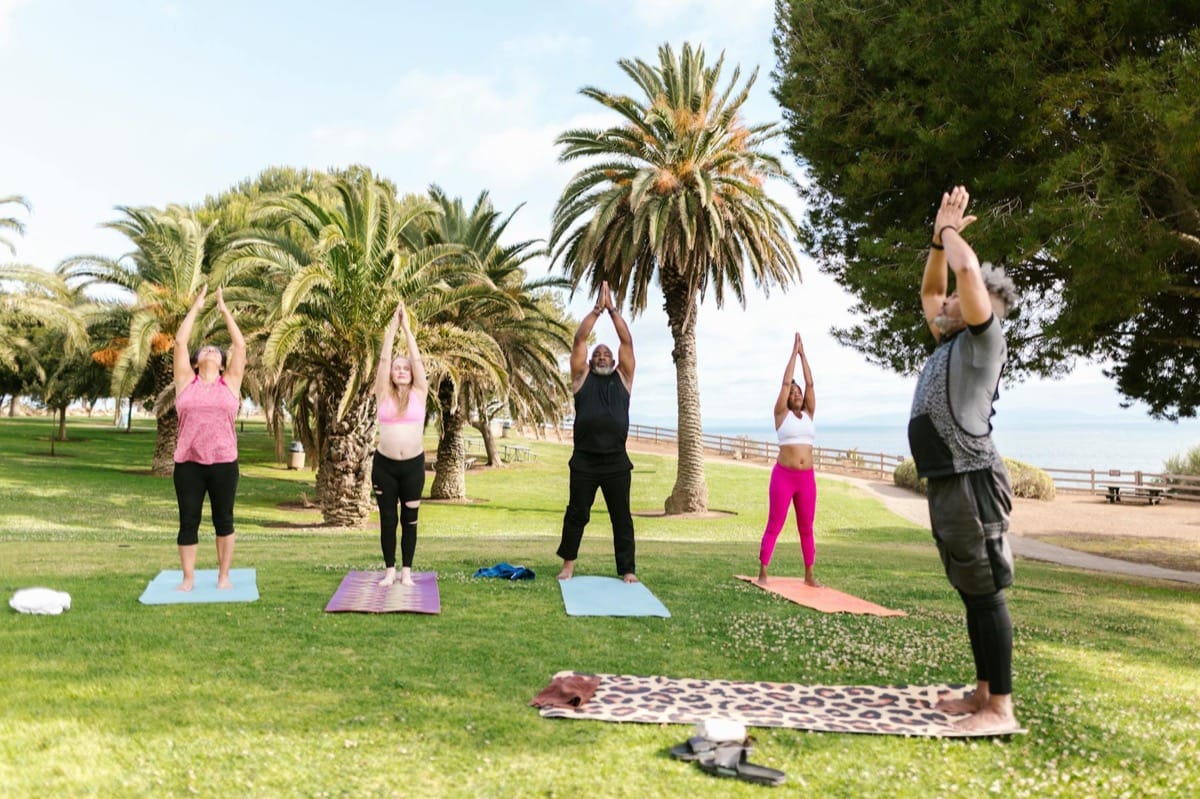
Starting a restorative yoga practice? These three YouTube instructors offer free, accessible tutorials perfect for beginners learning props, alignment, and the slower pace.
You've heard that restorative yoga is relaxing, but you're not sure where to begin. Maybe you're recovering from an injury, managing stress, or you simply want to slow down. The challenge is finding someone on YouTube who actually understands the philosophy behind restorative practice—not just someone leading a long, slow class. This article points you toward three trusted instructors whose free videos teach you the foundations: how to use props, why stillness matters, and when restorative practice fits into your week.
What Makes Restorative Yoga Different
Restorative yoga is not the same as slow yoga or yin yoga, though the terms get used loosely. Restorative practice relies on props—bolsters, blocks, blankets, straps—to support your body in poses held for 5 to 10 minutes. The idea comes from Judith Hanson Lasater's work in the 1970s, building on the teachings of B.K.S. Iyengar. Your muscles stay relaxed. Your nervous system downshifts. You're not working toward a deeper expression of a pose; you're arriving at ease and staying there. This distinction matters when you're watching YouTube tutorials. A video labeled "relaxing yoga" might still ask you to engage your core or build heat. True restorative practice does neither.
Yoga Tune Up with Jill Miller: Restorative Props and Anatomy
Jill Miller, founder of Yoga Tune Up, teaches from both movement science and somatic awareness. Her YouTube channel (over 200,000 subscribers) includes several shorter restorative videos, though her channel skews toward her signature self-massage and mobility work. For beginners, her video "Restorative Yoga for Stress Relief" (23 minutes) stands out because she explains the anatomical reason you're propping each pose. She shows you exactly where to place a bolster so your spine releases, not compresses. She uses accessible language: you're not "opening your hips"—you're helping your hip flexors let go after a day of sitting. Miller's background as a yoga teacher and movement educator means her cues match what your body actually needs.
Why This Video Works for Beginners
Miller holds each pose for 5 minutes. She never rushes. She demonstrates prop placement clearly and often shows modifications if you don't have a full set of props at home (a folded blanket works as a bolster; a sturdy pillow works too). Her voice is calm but not sing-song. You get the sense she respects your time and your body. The video covers Supported Child's Pose, Supported Reclined Butterfly, and Legs-Up-the-Wall Pose, three foundational restorative shapes. Total cost: free on YouTube.
Yoga with Adriene: Gentle, Accessible, Beginner-Centered
Adriene Mishler's YouTube channel (nearly 12 million subscribers) includes hundreds of free videos. Her appeal lies in warmth and a no-judgment approach that makes beginners feel welcome. She grew up in Austin, Texas, studied yoga in India, and teaches as though she's in your living room. Her video "Restorative Yoga" (28 minutes) uses minimal props and moves slowly enough that you can notice what your body is telling you. She emphasizes the Yama of Ahimsa (non-harming) throughout—yoga is not about pushing, controlling, or performing. It's about attending to yourself with kindness. For beginners who feel intimidated by yoga culture or unsure about their own abilities, Adriene's channel removes those barriers.
Props and Setup
Adriene shows you exactly what she uses: a yoga mat, one block, a blanket, and sometimes a pillow. If you have none of those, she offers workarounds. She teaches Supported Forward Fold, Supported Fish Pose, and Savasana with blanket support. Her teaching includes reminders to breathe deeply and let go of whatever you're holding in your shoulders and jaw. She names the practice as a way to activate the parasympathetic nervous system—your body's "rest and digest" mode. Total cost: free. She also offers a Patreon option if you want to support her work directly.
Rodney Yee: Classical Training Meets Accessible Teaching
Rodney Yee trained classically in yoga and has been teaching since 1989. His presence carries authority without arrogance. His YouTube channel has videos from his decades of teaching, and several focus on restorative practice. His video "Yoga for Relaxation" (30 minutes) draws from Iyengar yoga principles, which means precision in how you set up poses. He teaches props as tools that allow your body to rest fully, not shortcuts or modifications for "less flexible" people. Yee's pace is deliberate. He holds poses long enough that you can actually feel the shift from your sympathetic nervous system (fight-or-flight) to your parasympathetic system (rest-and-repair). If you've felt yoga before as a performance, Yee's approach may reset that understanding.
What to Expect
Yee covers Supported Bridge Pose, Supported Twist, Reclined Bound Angle, and longer Savasana. He uses a bolster, blocks, blankets, and a strap. He explains why each prop placement matters—a block under your sacrum in Bridge Pose, for example, reduces strain on your lower back and lets your chest lift naturally. His cueing is detailed without being overwhelming. He's teaching posture (asana) in the context of the Niyama of Svadhyaya—self-study. Notice what happens in your body when you're still. Total cost: free on YouTube.
How to Build Your Restorative YouTube Practice
Start with one video per week. Pick a time—Sunday afternoon, Wednesday evening—and commit to showing up. You need very little: a yoga mat, one pillow or folded blanket, and a quiet space. Restorative yoga works best when you're not thinking about what comes next. Silence your phone. Tell anyone you live with that you're unavailable for 20 to 30 minutes. The practice is short, but the quality of attention matters more than length.
Rotate between these three teachers. Each offers a different entry point. Miller's anatomical precision helps you understand why props matter. Adriene's warmth removes shame or anxiety around yoga. Yee's classical training gives you confidence that you're learning a legitimate lineage. After a few weeks, you'll sense which teacher's energy aligns with yours. You might return to one channel more often, or you might keep rotating. Notice how you feel in your body 30 minutes after practicing. That feedback is your best teacher.
When Restorative Yoga Belongs in Your Week
Restorative yoga is not warm-up or cool-down. It's a complete practice on its own, and it belongs in a balanced yoga routine. If you're doing vigorous yoga—vinyasa, power yoga, or high-energy hatha—restorative practice balances that intensity. If you're not doing any yoga, restorative is an entry point. The Yoga Sutras describe practice as having two qualities: Sthira (steadiness) and Sukha (ease). Vigorous yoga builds sthira. Restorative yoga cultivates sukha. Both are necessary. If you're stressed, recovering from injury, or managing a chronic condition, restorative practice becomes a cornerstone, not a luxury. Use YouTube as your starting point. If you fall in love with the practice, consider a local class or, eventually, a deeper teacher training course. But YouTube is a legitimate, generous first step.
A Note on Props
You don't need to buy expensive yoga props to start. A firm pillow, a rolled blanket, a bath towel, even a stack of books can support your body. Yoga props like Hugger Mugger bolsters (around $60–80) and Manduka blocks (around $15–20) are nice if you commit long-term, but they're not necessary at first. Some YouTube videos are filmed in studios with beautiful props, which can make beginner practice feel out of reach. It isn't. Start with what you have. Upgrade later if the practice sticks.
Subscribe to the newsletter
Subscribe to my newsletter to get the latest updates and news