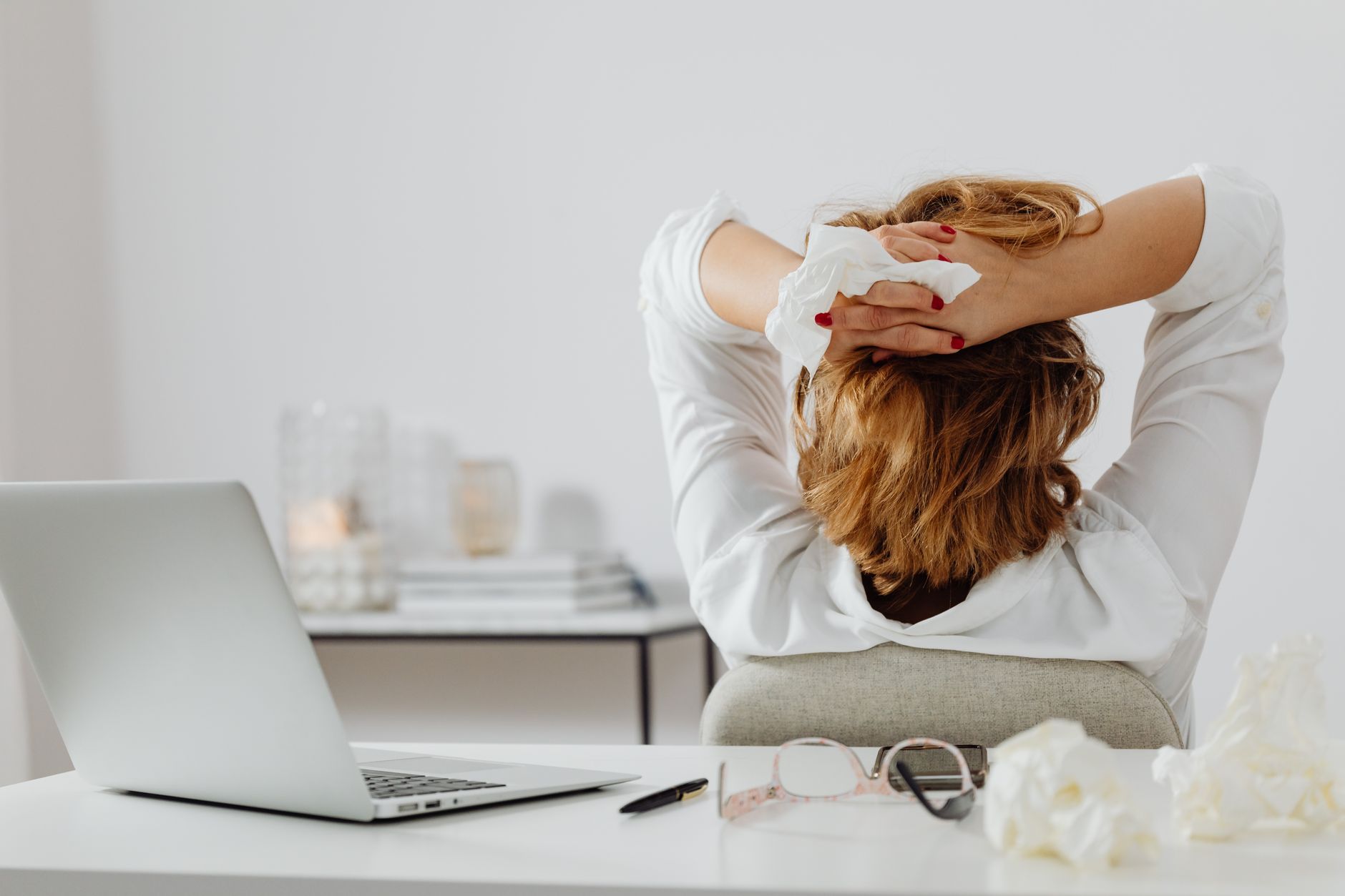
Yoga for Anxiety: A Calming Practice to Quiet Your Mind

When anxiety creeps in—whether it's that familiar tightness in your chest before an important meeting or the racing thoughts that keep you awake at night—your instinct might be to push harder, think faster, or grip tighter. But that resistance is often what feeds the anxiety cycle. Yoga offers a different path: one of gentle inquiry, breath awareness, and gradual softening. If you're looking for a natural, sustainable way to ease anxiety, you're in the right place. This guide will show you not just why yoga works for anxiety relief, but exactly how to use it as a tool in your daily practice.
Understanding Anxiety Through a Yoga Lens
Before we dive into practice, let's understand what's happening in your body when anxiety strikes. Anxiety isn't just a mental experience—it's a physiological one. When you're anxious, your nervous system is in a heightened state of alert, often called "fight-or-flight" mode. Your heart rate increases, your breathing becomes shallow and rapid, and your muscles tense up. Your mind starts spinning through "what-if" scenarios, and suddenly, you feel trapped in a loop you can't escape.
Yoga addresses anxiety at multiple levels simultaneously. Rather than trying to think your way out of anxiety (which rarely works), yoga helps you regulate your nervous system, calm your breath, release physical tension, and observe your thoughts without judgment. This multi-faceted approach is why so many people find it more effective than other single-method interventions.
The good news? Research backs this up. Studies have shown that regular yoga practice can reduce cortisol levels (your body's primary stress hormone), lower blood pressure, and decrease symptoms of generalized anxiety disorder. But you don't need a study to validate your own experience—when you practice yoga for anxiety relief, you feel it.
How Yoga Calms Your Nervous System
The primary mechanism behind yoga's anxiety-reducing power is its effect on the parasympathetic nervous system—your body's natural "rest and digest" mode. While most modern life activates your sympathetic nervous system (fight-or-flight), yoga deliberately triggers the parasympathetic response.
Here's what happens:
- Breath awareness slows your heart rate: When you practice slower, deeper breathing (like in pranayama), you send a signal to your vagus nerve that it's safe to relax. Your nervous system responds by downregulating the stress response.
- Physical postures release stored tension: Anxiety often gets trapped in your body—shoulders, jaw, hips. Gentle stretching and sustained poses help release this tension, signaling safety to your nervous system.
- Mindfulness quiets mental loops: By focusing on breath and body sensations during practice, you interrupt the anxiety thought spiral. You're training your attention to return to the present moment, not the imagined future.
- Movement regulates emotions: Gentle, flowing movement helps process and discharge the nervous energy that builds up with anxiety.
Best Yoga Poses for Anxiety Relief
Not all yoga poses are created equal when it comes to anxiety relief. You'll want to favor gentle, grounding, and inward-focused asanas over intense, heating, or inversion-heavy practices. Here are the most effective poses:
Child's Pose (Balasana)
This humble pose is a nervous system reset button. It naturally turns your attention inward, slows your breathing, and creates a sense of safety and containment. Hold it for 1–3 minutes, resting your forehead down. If your knees are sensitive, place a blanket underneath them.
Legs-Up-the-Wall Pose (Viparita Karani)
This restorative inversion calms anxiety without the intensity of traditional inversions. Lying on your back with your legs up the wall for 5–10 minutes signals rest to your entire system. Use a blanket under your hips if it feels more comfortable.
Cat-Cow Stretch (Marjaryasana-Bitilasana)
This gentle flowing movement pairs your breath with movement in a way that naturally regulates your nervous system. Move slowly, exhaling as you round your spine in Cat, inhaling as you lengthen in Cow. Do 8–10 rounds.
Supported Fish Pose (Matsyasana)
Supported variations of this pose open your chest and heart space—where anxiety often creates constriction. Place a yoga block or bolster lengthwise under your spine and rest here for 2–5 minutes. This pose is especially grounding for evening practice.
Corpse Pose (Savasana)
Never underestimate the power of complete relaxation. A 5–10 minute Savasana at the end of your practice is not optional—it's where the nervous system truly settles. The longer you can rest here, the deeper the regulation.
The Power of Pranayama for Anxiety
Breathwork might be the single most powerful tool yoga offers for anxiety relief. Your breath is the one autonomic function you can directly control, making it a bridge between your conscious mind and your nervous system.
Extended Exhale Breathing (Dirga Ujjayi)
Make your exhale longer than your inhale. Try breathing in for a count of 4, then exhaling for a count of 6 or 8. This activates your vagus nerve and signals deep relaxation. Practice for 2–5 minutes whenever you feel anxiety rising.
Nadi Shodhana (Alternate Nostril Breathing)
This balancing breath calms an overactive mind and harmonizes both brain hemispheres. Close your right nostril and inhale through the left, then switch. Continue for 5–10 rounds. The rhythmic, focused nature of this practice anchors your attention in the present moment.
Coherent Breathing
Simply breathing at a rate of 5–6 breaths per minute (about 5 seconds in, 5 seconds out) naturally induces a calm state. You can practice this during your commute, before bed, or whenever anxiety peaks.
Creating a Consistent Anxiety-Relief Practice
Knowing which poses and breaths help anxiety is valuable, but consistency is what transforms your life. Here's how to build a sustainable practice:
Start Small
A 10-minute daily practice is infinitely better than a 60-minute practice you do once every few weeks. Commit to what you can realistically maintain. Even 5 minutes of breathwork and gentle stretching makes a measurable difference.
Practice at the Same Time
Your nervous system loves rhythm and predictability. If you practice yoga at the same time each day, your body begins to anticipate and prepare for that state of calm. Mornings are ideal, but any consistent time works.
Create a Calm Environment
Dim the lights, maybe light a candle, and silence your phone. Your practice space should feel like a sanctuary—a place where anxiety doesn't have power. You don't need fancy equipment; a quiet corner and a yoga mat (or even a blanket) is enough.
Track Your Progress
Notice subtle shifts: Do you sleep better? Is your mind quieter? Are you reacting less to stressors? Anxiety relief isn't always dramatic, but it accumulates. Journaling even briefly after practice helps you recognize these changes.
When to Combine Yoga with Other Support
Yoga is powerful, but it's not a replacement for professional mental health care. If you're experiencing severe anxiety, panic attacks, or symptoms that interfere with daily functioning, please reach out to a therapist, counselor, or psychiatrist. Yoga works beautifully alongside other treatments—it's not either/or.
Many people find that yoga for sleep combined with anxiety-specific practices, along with therapy or medication, creates the most sustainable healing. The key is giving yourself permission to use multiple tools.
Yoga Styles That Excel at Anxiety Relief
While any mindful yoga practice can help, some styles are particularly effective for anxiety:
- Yin Yoga: Long, passive holds that allow deep nervous system reset.
- Restorative Yoga: Fully supported poses that require minimal effort—perfect for anxious minds that need permission to rest.
- Hatha Yoga: Slower-paced, deliberate practice with emphasis on breath and alignment.
- Yoga Nidra: A guided relaxation practice that takes you into a state of conscious sleep—extraordinarily calming for anxiety.
The Long-Term Transformation
The real gift of yoga for anxiety isn't just the calm you feel during practice—it's how that calm begins to ripple into your daily life. Over weeks and months of consistent practice, you develop the skills to meet anxiety with curiosity instead of resistance. You learn to notice the first whisper of tension and soften before it becomes a storm.
This isn't about eliminating anxiety entirely (it's a natural human emotion). It's about transforming your relationship with it. You become the observer of your anxiety rather than its prisoner.
Start today. Even five minutes on your mat is a declaration that you're worth the care, the breath, the softness. Your nervous system will thank you.
Related programs in our directory:
- trauma-informed yoga psychology school — 4.96★ · 76 reviews
- gentle yoga and mindfulness training — 4.96★ · 105 reviews
- alignment-oriented and spiritually-grounded yoga — 4.94★ · 125 reviews
Related Reading
Yoga for Stress Relief: Simple Poses for Everyday Overwhelm — Discover practical poses and techniques designed to ease daily tension and create lasting calm.
Yoga for Sleep: A Bedtime Sequence for Better Rest — Learn a restorative evening practice that complements anxiety relief and improves sleep quality.
What Is Breathwork in Yoga: Pranayama Techniques Explained — Dive deeper into pranayama practice and discover additional breathing techniques for nervous system regulation.
7 Benefits of Restorative Yoga for Rest, Recovery, and Nervous System — Explore why restorative practice is one of the most effective approaches for anxiety management and deep healing.
Medical disclaimer: This content is for informational purposes only and is not a substitute for professional medical advice, diagnosis, or treatment. Always consult a qualified healthcare provider before beginning any new exercise program, especially if you have injuries, chronic conditions, or are pregnant. Listen to your body and stop any practice that causes pain.
Subscribe to the newsletter
Subscribe to my newsletter to get the latest updates and news