What is Kundalini Yoga: A Grounded Introduction


Curious about kundalini yoga? Discover how this ancient practice awakens energy through asana, pranayama, and mantra—and whether it matches your goals.
You're exploring yoga to find calm, but the options feel endless. You've heard kundalini mentioned—maybe in a class description or from a friend—and wondered what sets it apart. Unlike other styles that emphasize alignment or flow, kundalini yoga operates from a different premise: that your body holds dormant spiritual energy waiting to be activated. This article explains what kundalini yoga actually is, how it works, and how to decide if it's the right fit for your practice.
The Core Philosophy Behind Kundalini Yoga
Kundalini yoga draws from ancient yogic texts, particularly the Upanishads and Tantric philosophy. The practice centers on the concept of kundalini—a Sanskrit word meaning "coiled" or "serpent." According to yogic tradition, kundalini energy (also called Shakti) rests at the base of your spine, coiled like a sleeping serpent. The goal of kundalini yoga is to awaken this dormant energy and guide it upward through the body's energy channels, called nadis, particularly the central channel known as Sushumna Nadi.
This isn't metaphorical wording—practitioners report genuine physical and psychological shifts. As kundalini moves up the spine, it passes through seven energy centers called chakras. Each chakra governs different qualities: the root chakra (Muladhara) handles stability and safety, while the heart chakra (Anahata) relates to compassion and connection. When energy flows freely through all seven, the tradition teaches you experience wholeness and alignment with your true nature.
How Kundalini Yoga Works: The Three Core Tools
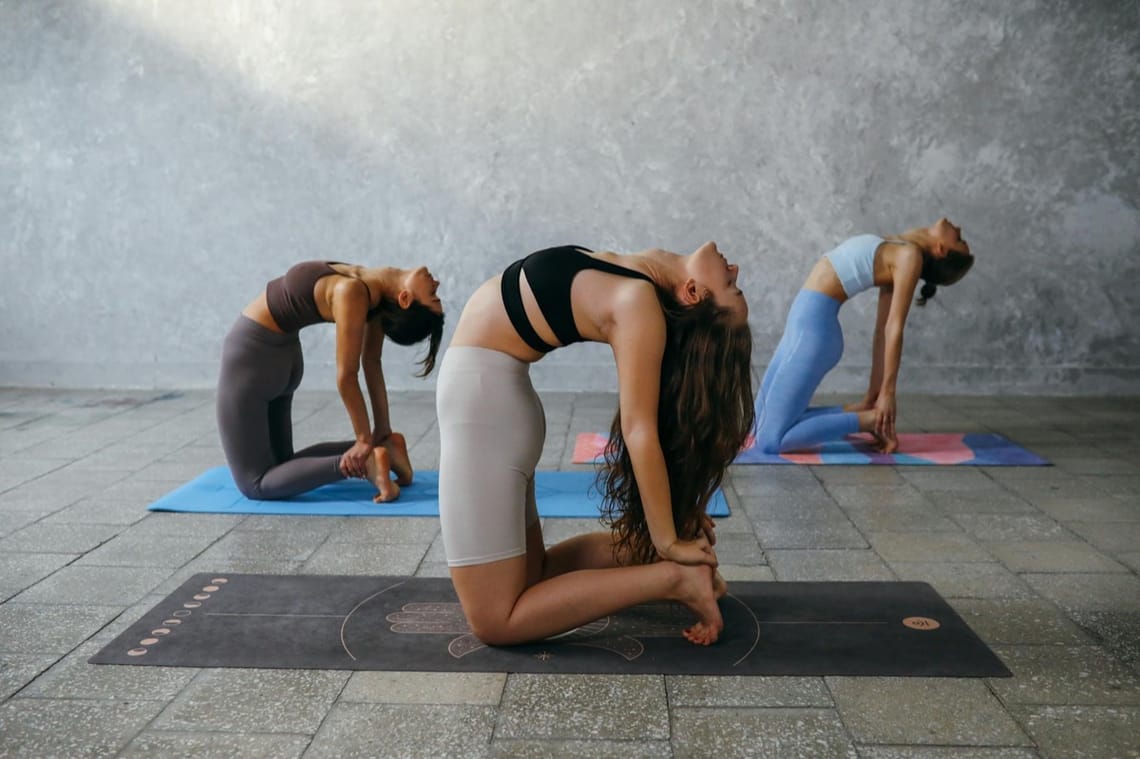
Kundalini yoga employs three primary techniques to move energy through the body. First comes asana (physical poses), but these aren't random stretches. Kundalini poses are often held for longer periods—sometimes three to eleven minutes—and focus on spinal flexibility, hip opening, and core strength. You might hold Child's Pose while chanting, or perform Cat-Cow for extended rounds.
Second is pranayama (breath work). Kundalini emphasizes specific breathing patterns to regulate energy. Alternate nostril breathing (Nadi Shodhana) balances left and right energy channels. Breath of Fire (Bhastrika)—rapid, rhythmic belly breathing—generates internal heat and stimulates awakening. These techniques aren't gentle; they're intentional and sometimes intense.
Third is mantra and sound. Kundalini yoga incorporates chanting, often in Sanskrit. The most famous mantra is Sat Nam (truth is my identity), which you'll hear in many kundalini classes. Sound vibration is believed to stimulate the nervous system and activate specific chakras. A typical kundalini class might include extended periods of chanting alongside movement.
What a Kundalini Class Actually Feels Like
A kundalini yoga class typically runs 60-75 minutes and follows a consistent structure. Classes begin with an opening chant—often "Ong Namo Guru Dev Namo," which honors the inner teacher. You'll then move through a kriya (a sequence of poses paired with breath and sound designed to target a specific outcome). One kriya might focus on spinal flexibility; another on nervous system regulation or emotional release.
Poses are held longer than in vinyasa or hatha classes—5 to 11 minutes isn't uncommon. This extended holding teaches patience and mental steadiness. You might spend 7 minutes in a seated forward fold, focusing on breath and internal sensation. The class includes pranayama techniques, often practiced in blocks of 5 to 10 minutes. Finally, you'll lie in Savasana (final rest) while the teacher guides meditation or sound bath. Many teachers end with three long "Sat Nams" to seal the practice.
Kundalini Yoga vs. Other Yoga Styles
If you've tried vinyasa or hatha yoga, kundalini will feel distinctly different. Vinyasa emphasizes fluid transitions and cardiovascular heat; kundalini prioritizes sustained energy work and nervous system activation. Hatha yoga often focuses on alignment details and form; kundalini cares less about "perfect" alignment and more about internal sensation and energetic effect.
Yin yoga and kundalini both hold poses longer, but yin targets connective tissue and fascia, while kundalini targets energy channels and chakras. Restorative yoga is calming; kundalini can be activating or grounding depending on the kriya. If you're looking for a vigorous, strength-building workout, kundalini isn't the match. If you want spiritual development paired with physical practice, it often is.
Finding Your First Kundalini Class
Kundalini has a devoted but smaller community than vinyasa or hot yoga. You'll find classes at dedicated studios, broader yoga centers, and increasingly online. Popular platforms include Yoga with Adriene (though Adriene teaches many styles, she has kundalini content), Alo Moves, and Udemy. For in-person classes, search "kundalini yoga near me" or check studios like Laughing Lotus (primarily in New York) or local studios affiliated with the Kundalini Yoga Teachers Association (KYTA).
Class costs vary. Drop-in classes typically run $15-25; class packages from $75-150 for 5-6 sessions; monthly unlimited passes from $80-150. Online subscriptions like Alo Moves cost around $12/month. Many studios offer intro discounts or free first classes.
Is Kundalini Yoga Right for You?
Kundalini works well if you're drawn to spiritual depth, interested in energy and chakras, or seeking nervous system healing. It's particularly helpful for anxiety, trauma recovery, and emotional release because the breath work directly regulates the parasympathetic nervous system. If you're seeking a meditative, introspective practice, kundalini delivers.
It's less ideal if you want vigorous cardio conditioning, are skeptical of Sanskrit and chanting, or prefer minimal spiritual content. Kundalini's philosophy is woven throughout—you can't separate the practice from its spiritual foundation. Also, some people experience intense emotional release or physical sensations during kundalini practice; if you're managing trauma, having a teacher-student relationship (rather than solo practice) is wise.
Starting Your Kundalini Practice
Begin with classes labeled "kundalini for beginners." Inform the teacher if you have spinal issues, hip injuries, or pregnancy—some kriyas need modification. Wear loose, comfortable clothes; white is traditional but not required. Bring a yoga mat and blanket.
The first experience can feel strange. You might feel energy shifts, emotional release, or deep calm. Some people feel nothing tangible but report long-term changes—better sleep, clearer thinking, emotional resilience. Give yourself at least 4-6 classes before deciding if it's your path. Like any yoga, consistency matters more than intensity.
The Science and Skepticism
Kundalini yoga has limited scientific validation in Western research. Studies on pranayama show real nervous system effects—breath work measurably changes heart rate variability and vagal tone. Chanting has been linked to parasympathetic activation. The sustained poses build strength and flexibility like any yoga. What science hasn't validated is the chakra system or kundalini energy itself as described in traditional texts.
This matters only if it matters to you. Many practitioners care deeply about the spiritual framework; others appreciate the physiological effects and ignore the metaphysics. Both approaches are valid. Kundalini yoga can be a legitimate tool for nervous system regulation and spiritual exploration even if you remain agnostic about chakras.
Subscribe to the newsletter
Subscribe to my newsletter to get the latest updates and news