
7-Day Yoga Retreats in Italy: What to Expect and How to Choose
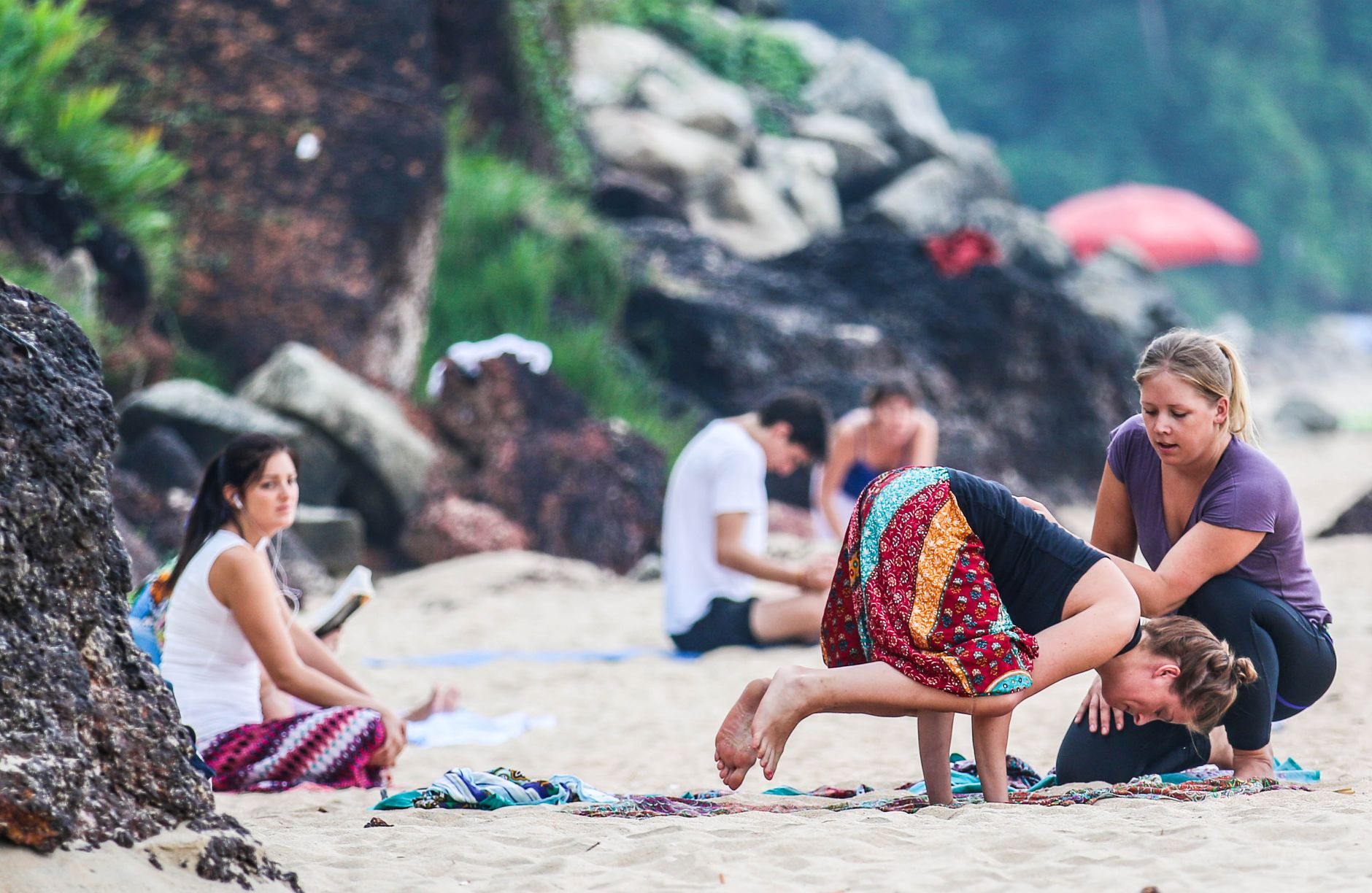
Italy has long been a destination for seekers and wanderers—artists, philosophers, and spiritual explorers drawn to its rolling hills, ancient history, and profound sense of beauty. A 7-day yoga retreat in Italy offers something rare: the chance to deepen your practice while immersed in one of the world's most inspiring landscapes. Whether you're looking to reconnect with your body, find mental clarity, or simply step away from the noise of daily life, a week-long retreat in Italy can be transformative.
Related: see our deeper guide on Online YTT Completion Rate Data: 7-Year Retention Study Results for a focused walkthrough on online ytt completion rate retention.
Related: see our deeper guide on Yoga Retreats in Tuscany Italy During Olive Harvest Season for a focused walkthrough on tuscany yoga olive harvest retreat.
Related: see our deeper guide on Flying Pigeon for Tight IT Bands: 6-Week Progression for a focused walkthrough on flying pigeon tight it band.
Related: see our deeper guide on Yoga for IBS-D vs IBS-C: Different Practices for Different Types for a focused walkthrough on yoga ibs-d ibs-c.
Related: see our deeper guide on Yoga Retreats on Crete Greece in Shoulder Season (Oct-Nov) for a focused walkthrough on crete yoga retreat shoulder season.
Related: see our deeper guide on Peacock Pose for Yogis with Weak Wrists: Strengthening Path for a focused walkthrough on peacock pose weak wrists.
Related: see our deeper guide on Budget Yoga Retreats in Sayulita Mexico Under $1,200/Week for a focused walkthrough on sayulita yoga retreat under 1200.
Related: see our deeper guide on Yoga for Vertigo Triggered by BPPV: Safe Epley Support Sequence for a focused walkthrough on yoga bppv vertigo epley.
Related: see our deeper guide on Yoga Retreats in the Algarve Portugal for Solo Women Travelers for a focused walkthrough on algarve portugal yoga solo women.
Related: see our deeper guide on Yoga Sequence for Frozen Shoulder Over 50 (Phase 2 Thawing) for a focused walkthrough on yoga frozen shoulder over 50 thawing.
Related: see our deeper guide on 7-Day Silent Yoga Retreats in Koh Phangan Under $800 for a focused walkthrough on silent yoga retreat koh phangan under 800.
The beauty of a 7-day retreat is that it's long enough to move past the surface-level relaxation and into genuine shifts in your nervous system, yet short enough to fit into most people's schedules and budgets. In this guide, I'll walk you through what to realistically expect, what makes Italy such a special setting for retreat work, and how to choose the right program for your needs.
Why Italy for a Yoga Retreat?
Italy isn't typically the first country that comes to mind for yoga retreats—that honor usually goes to India, Bali, or Thailand. But Italy offers something equally powerful: a sophisticated blend of spiritual practice and sensory richness that few places on earth can match.
The Italian landscape itself becomes part of your practice. Imagine practicing downward dog with views of Tuscan vineyards rolling toward the horizon, or moving through Warrior II as cypress trees frame your gaze. This isn't just aesthetic; research in environmental psychology shows that natural beauty and access to green spaces significantly enhance the benefits of meditation and mindfulness practices. When your brain is surrounded by beauty, it naturally settles more deeply.
Italy also offers a unique cultural texture. You'll encounter history at every turn—ancient Roman ruins, Renaissance art, centuries-old villages. This context reminds you that humans have always sought meaning, community, and transcendence. Many yoga teachers find that practicing in spaces with such deep human history creates a palpable sense of connection to something larger than ourselves.
Beyond philosophy, there's the practical matter of food and wellness infrastructure. Italy's food culture—built on fresh vegetables, high-quality olive oil, and mindful eating—naturally aligns with yogic principles of ahimsa (non-harm) and sattvic eating. Most retreat centers in Italy emphasize organic, local, seasonal cuisine that nourishes without overwhelming the digestive system.
What Happens During a Typical 7-Day Retreat
While every program is different, most 7-day yoga retreats in Italy follow a recognizable rhythm. Understanding this structure will help you prepare mentally and physically.
Daily Schedule
You'll typically wake early—often 6 or 6:30 AM—for meditation or pranayama (breathwork) before the first asana class around 7 or 8 AM. Morning practices tend to be more vigorous, focusing on building heat, strength, and mental clarity. You'll break for a vegetarian breakfast, usually featuring fresh fruit, yogurt or plant-based alternatives, granola, and fresh-pressed juices.
Mid-morning often includes workshops, philosophy talks, or personal study time. Some retreats build in free time for rest, exploration of the grounds, or journaling. Lunch is the main meal—substantial and nourishing, eaten mindfully and usually in silence or with soft background music.
The afternoon might include a gentler class focused on hip openers, restorative poses, or yin yoga. Many retreat centers schedule optional activities like guided walks through the surrounding countryside, cooking classes featuring local ingredients, or sessions with visiting Ayurvedic practitioners.
Evening brings a lighter dinner, followed by the day's most introspective practice. This might be a slower, yin-based class or a long Savasana experience. Many programs include evening teachings, kirtan (devotional chanting), or simply silent reflection time before bed around 9 or 10 PM.
The Inner Experience
Physically, expect some soreness if you're not a regular practitioner. Seven days of twice-daily yoga classes will ask things of your body it may not be used to. This is why retreat teachers always emphasize modifications—there's no achievement in pushing through pain.
Emotionally and mentally, expect fluctuation. Many people experience a "retreat high" by day 3 or 4 as their nervous system downshifts and stress hormones decrease. You might feel unusually emotional, more creative, or experience unexpected clarity about life decisions. This is normal. The consistent practice, the absence of digital noise, and the supportive community create conditions where your mind naturally begins to process what it's been too busy to address.
Some practitioners experience what's called "emotional release" during or after intense hip-opening poses or Child's Pose. This is not a failure or sign you're "doing it wrong"—it's actually a sign that you're working with authentic presence. Your yoga teacher will be familiar with this and can offer modifications or extra support if needed.
The Science Behind the Shift
There's real neurobiology happening during a retreat. Seven consecutive days of yoga practice, meditation, and reduced stress creates measurable changes in your brain.
A consistent asana practice activates the parasympathetic nervous system—your body's "rest and digest" mode. When you practice regularly, your vagal tone (the health of your vagus nerve) improves, making it easier for your nervous system to access calm even in stressful situations. Studies show that just 8 weeks of regular yoga practice can increase gray matter density in areas associated with emotional regulation and self-awareness.
Meditation, which is central to most retreat programs, increases activity in the prefrontal cortex (responsible for executive function and decision-making) while reducing activity in the default mode network—the mental circuits responsible for rumination and anxiety. After a week of daily practice, this shift becomes noticeable in real life.
The retreat environment amplifies these effects. Being away from your normal triggers, sleeping more, eating lighter, and being in nature all contribute to a genuine reset of your baseline stress level. Many practitioners find that returning home, they can maintain some of this calm because their nervous system has been recalibrated toward peace.
How to Choose the Right Retreat for You
Not all yoga retreats are created equal. Here's how to evaluate options:
Define Your Primary Goal
Are you coming to deepen an existing practice, recover from burnout, explore a specific yoga style, or simply rest? Be honest with yourself. A retreat heavy on advanced asana work will feel frustrating if what you really need is restoration. Conversely, a gentle restorative retreat might feel passive if you're looking for physical challenge.
Research the Teachers
This is crucial. Look for teachers with substantial experience and a lineage you connect with. Read testimonials, not for flowery language, but for specific details—did students feel seen and supported? Were modifications offered? Did teachers create a non-competitive atmosphere? A skilled teacher can make an ordinary location transcendent; a mediocre teacher can make paradise feel hollow.
Understand the Yoga Style
Do you prefer vinyasa flow, alignment-focused Iyengar, gentle Hatha, restorative yin, or something eclectic? Different styles create different experiences. Vinyasa is often more athletic and energizing; yin is more introspective and patient-based; Iyengar is detail-oriented and therapeutic. There's no "best," only what serves you right now.
Check the Accommodations
Are rooms private or shared? How's the bathroom situation? Is there WiFi, and if so, is it encouraged or discouraged? Some people thrive with complete disconnection; others need the security of being reachable. Know yourself. Also ask about bed quality, noise levels, and what the facility looks like during free time. A stunning location is less meaningful if you're uncomfortable where you sleep.
Examine the Food
Are meals included? Are they vegetarian, vegan, or do they accommodate various diets? Can they handle allergies and intolerances? Food is often where retreat expectations clash with reality. If you're a meat-eater uncomfortable with vegetarian meals, say so when inquiring. Many centers can adapt.
Look at the Community
Will you be with 8 people or 40? Will there be group activities designed to build connection, or is it more anonymous? Solo retreats offer different value than group retreats. Group retreats create accountability and shared energy; solo retreats allow deeper introspection.
Compare Similar Programs
Look at 2-3 options in your target region and timeframe. Compare teacher experience, student reviews, location details, and cost. Don't automatically choose the cheapest—sometimes lower cost reflects corners cut in teacher training or food quality. But also don't assume most expensive is best. Mid-range options are often ideal: they have good funding for quality teachers and facilities but aren't charging luxury resort markups.
When evaluating options in Italy, look into established retreat centers in Tuscany, Umbria, and the Amalfi Coast regions. These areas have the longest track records with yoga tourism and the most developed infrastructure.
Preparation: Setting Yourself Up for Success
Physical Preparation
If you're newer to yoga, start practicing 4-6 weeks before your retreat. This doesn't mean you need to be advanced—just regular enough that your body isn't entirely shocked by twice-daily classes. Focus on basic standing poses,
Subscribe to the newsletter
Subscribe to my newsletter to get the latest updates and news