Child's Pose: The Rest Posture Every Yoga Student Needs
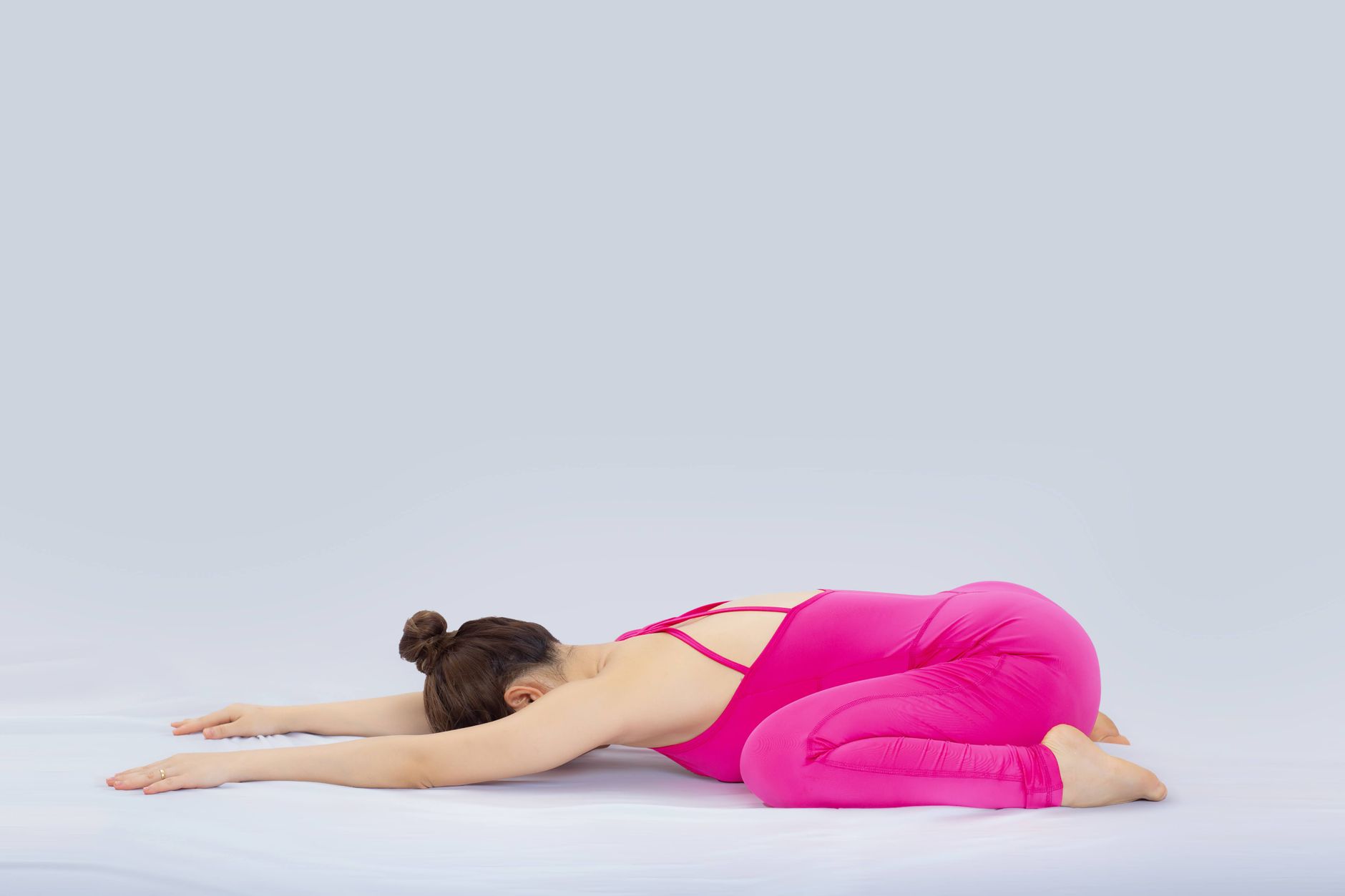
If you've ever attended a yoga class, you've likely heard your teacher invite you into Child's Pose—that gentle, folded resting posture where your forehead touches the mat and your arms extend forward. It's one of the most accessible poses in yoga, yet it's also one of the most misunderstood. Many students dismiss it as "just a break," something to do when they're tired. But Child's Pose is far more than a rest stop between more impressive-looking asanas. It's a therapeutic pose with genuine physical, mental, and emotional benefits that deserve your full attention.
Whether you're new to yoga or have been practicing for years, understanding the depth of Child's Pose can transform how you approach your entire practice. This humble posture teaches us that sometimes the quietest moments hold the most powerful medicine.
What Is Child's Pose?
Child's Pose, known as Balasana in Sanskrit (from "bala," meaning child), is a gentle forward fold performed on the knees. In its basic form, you kneel on your mat, bring your big toes together, widen your knees, and fold your torso forward until your forehead rests on the mat. Your arms can extend in front of you or rest alongside your body, depending on your comfort and intention.
The pose draws inspiration from the natural, instinctive way children rest—curled inward, protected, and grounded. This is why it carries such a calming quality. It's a posture of surrender and introspection, and it appears across multiple yoga traditions and styles as a foundational resting pose.
The Physical Benefits of Child's Pose
Beyond its spiritual and emotional qualities, Child's Pose offers tangible physical benefits that support both your immediate recovery and long-term mobility.
Stretches the Hips, Thighs, and Ankles
When you settle into Child's Pose with your knees wide and hips sinking back toward your heels, you create a gentle but effective stretch through the hip flexors and inner thighs. This is especially valuable if you spend long hours sitting at a desk. Many people benefit from yoga for hip flexors to counteract the tightness that accumulates from modern life, and Child's Pose is an excellent foundational posture for that work.
Relieves Tension in the Lower Back
The forward fold of Child's Pose gently lengthens the lower back and provides relief from tension in the lumbar spine. When held with mindfulness and proper alignment, it can be part of a therapeutic routine. If you're dealing with chronic discomfort, exploring yoga for back pain will show you how Child's Pose fits into a broader healing practice.
Calms the Nervous System
The inward-turning nature of Child's Pose—where your gaze is directed downward and inward—naturally activates the parasympathetic nervous system. This is your body's "rest and digest" mode, the opposite of the stress response. Research on yoga and nervous system regulation shows that gentle, introspective poses like this one reduce cortisol levels and lower heart rate and blood pressure. This makes Child's Pose particularly valuable in the evening or whenever you need to shift out of fight-or-flight mode.
Improves Digestion
The gentle compression of your abdomen against your thighs in Child's Pose can massage your digestive organs and support healthy digestion. Many yoga teachers recommend holding the pose for several breaths after meals (though not immediately) to aid the body's natural digestive processes.
Enhances Spinal Flexibility
The elongation of the spine in this pose, combined with the gentle opening of the back body, contributes to improved spinal mobility over time. When practiced regularly, it supports better posture and reduces the risk of spinal stiffness.
The Mental and Emotional Benefits
Child's Pose is as much a mental sanctuary as it is a physical one. The inward focus and surrendering quality of the posture creates space for emotional release and mental clarity.
Stress Relief and Anxiety Reduction: The pose signals safety to your nervous system. Your head is protected, your body is compact and enclosed, and there's nowhere to go and nothing to achieve. This creates a natural space for anxiety to dissolve. If you're interested in broader stress management through yoga, yoga for stress relief offers additional tools to complement your Child's Pose practice.
Mental Clarity: The downward gaze and quiet nature of the pose create an opportunity for the mind to settle. Unlike more dynamic poses that require balance and focus, Child's Pose invites you simply to be. This meditative quality can leave you feeling refreshed and mentally clear.
Emotional Release: Many practitioners find that Child's Pose is where emotion arises—sometimes unexpectedly. The posture creates a safe container for feelings you may have been holding in your body. Yoga teachers often respect this by simply allowing silence and stillness during extended holds in this pose.
How to Practice Child's Pose with Proper Alignment
While Child's Pose appears simple, thoughtful alignment ensures you receive its full benefits while avoiding discomfort or strain.
Basic Steps
- Start in a kneeling position on your mat with your knees hip-width to shoulder-width apart.
- Bring your big toes together so they touch, then widen your knees comfortably. How wide depends on your body—there's no universal "correct" width.
- Sink your hips back toward your heels. Your glutes should move down as much as feels good.
- Fold your torso forward and rest your forehead on the mat. If your forehead doesn't reach, use a block or folded blanket for support.
- Extend your arms forward with palms down, or rest them alongside your body with palms up. Choose whichever feels more restful.
- Breathe deeply for 5–10 breaths (or longer, if the pose feels good).
Key Alignment Cues
Protect Your Knees: Your knees should feel comfortable, not strained. If you have sensitive knees, place a blanket under them for cushioning. Never force your knees wider than feels natural.
Support Your Head: If your forehead doesn't comfortably reach the mat, don't strain to make it happen. Place a block, blanket, or pillow under your head. Your neck should be neutral, not twisted or overstretched.
Keep Your Shoulders Relaxed: Your shoulders should roll back and down, away from your ears. Don't force your forehead down if it rounds your upper back excessively.
Breathe Naturally: One of the most common mistakes is holding your breath in Child's Pose. Your breath should flow easily. If you find yourself unable to breathe comfortably, adjust your hip position or widen your knees.
Variations for Different Bodies and Needs
One of the beautiful aspects of Child's Pose is how it can be modified to suit nearly every body and situation.
Wide-Knee Child's Pose
For anyone with tight hips or those who find the traditional version uncomfortable, widening the knees significantly (even to the edges of your mat) makes the pose more accessible and just as beneficial.
Supported Child's Pose
Place a bolster, pillow, or stacked blankets lengthwise between your knees and rest your torso on them. This fully supported version is perfect for extended holds and is especially valuable if you're recovering from injury or illness.
Thread the Needle Variation
From Child's Pose, reach your right arm under your body and across toward the left side of your mat. This adds a gentle spinal twist that stretches the outer hip and upper back. Hold for several breaths, then repeat on the other side.
Child's Pose with Shoulder Opener
Interlace your hands behind your lower back while in Child's Pose, gently pressing your hands toward the back of the room. This opens the chest and shoulders while maintaining the calming downward gaze.
When to Use Child's Pose in Your Practice
Child's Pose is wonderfully versatile and fits into your practice in multiple ways.
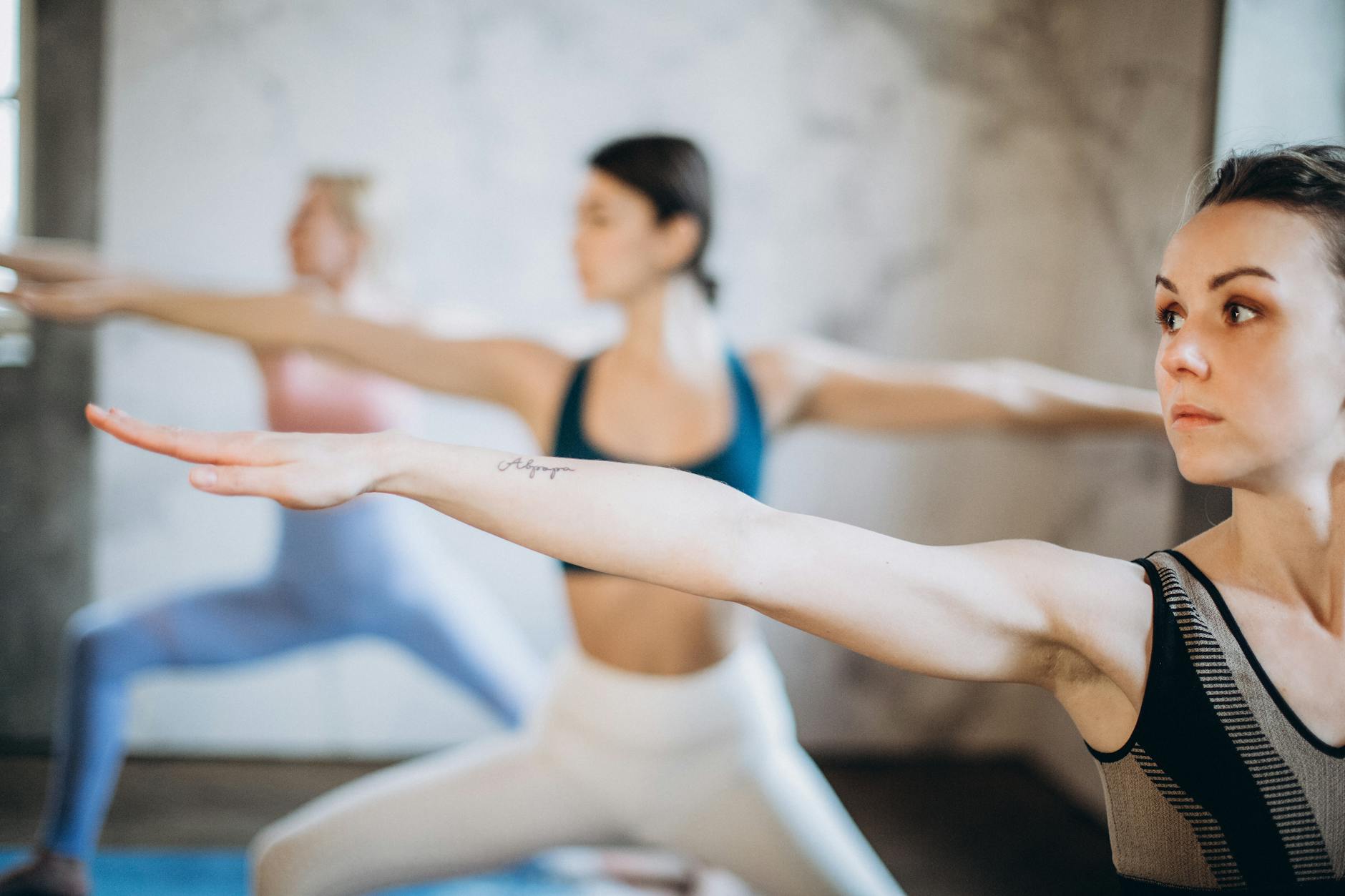
As a Rest Between Active Poses: This is the most common use. After a challenging sequence like Warrior II Pose or other standing poses, Child's Pose gives your body and mind a moment to integrate and recover.
As a Transition: Child's Pose makes an excellent bridge between different sections of your practice, helping you move from standing poses to floor work with intention.
As a Standalone Practice: You can spend an entire session—or a significant portion of one—in Child's Pose, perhaps exploring breath work or gentle movement within the posture. This is especially valuable on days when your body needs gentleness or when you're emotionally processing.
As a Pranayama Platform: Child's Pose is a grounded position from which to practice breathing exercises, creating a stable foundation for your breath work.
For Beginners: If you're just starting
Subscribe to my newsletter to get the latest updates and news