Yoga Retreats in the Algarve Portugal for Solo Women Travelers

You've been refreshing flight tabs for an hour. Lisbon, then a train south. Maybe a rental car. The Algarve keeps coming up in your searches, and something about those cliffs and quiet beaches feels right — but you're traveling alone, and you want to know what it's actually like before you book.
Solo women travelers have been quietly choosing the Algarve for years. The pace is slower than Lisbon. The coastline is wild without being remote. And the yoga scene here has grown into something genuinely grounded — small retreats run by women, eco-houses tucked into pine forests, surf-and-yoga combos that don't feel performative.
Here's what you need to know before you go.
Why the Algarve Works for Solo Women
Portugal consistently ranks among the safest countries in the world for solo female travel, and the Algarve specifically has a culture that's warm without being intrusive. You can walk to the beach at sunset on your own. You can eat dinner at a restaurant without anyone making you feel like a curiosity.
The region runs along Portugal's southern coast — about 150 kilometers of beaches, fishing villages, and inland hills. English is widely spoken in tourist-facing towns. Public transport works. Taxis and Bolt (the European rideshare) are affordable.
For yoga retreats specifically, the Algarve sits in a sweet spot. It's accessible (Faro Airport handles direct flights from most of Europe), the climate supports outdoor practice nine months of the year, and the retreat ecosystem here tends to attract teachers and hosts who care more about the work than the marketing.
If you're still weighing destinations, our breakdown of Spain vs Portugal for yoga retreats and Portugal vs Greece can help you sort the practical differences.
What Algarve Yoga Retreats Actually Look Like
Most retreats here run 5 to 10 days. The format is fairly consistent across hosts: morning practice, breakfast, free time or excursion, afternoon practice or workshop, dinner, optional evening session.
The morning class is usually the longer, more active one — vinyasa, hatha, sometimes ashtanga-influenced. Evenings lean restorative, yin, or yoga nidra. If you want to understand what each style asks of your body, our guide to choosing a yoga style is a good place to start.
Common retreat settings in the Algarve:
- Cliffside eco-houses near Sagres or Carrapateira — wilder coast, better for solitude and surfing
- Inland fincas and farmhouses in the hills behind Lagos or Aljezur — quieter, more affordable, often with pools
- Beach-adjacent villas near Salema, Burgau, or Praia da Luz — easier to walk into a village for coffee
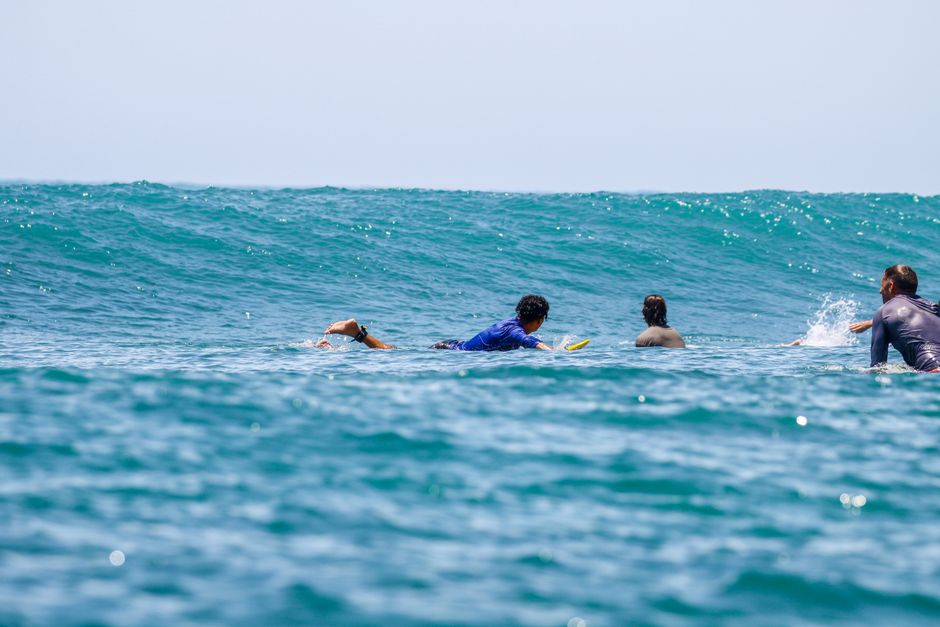
- Surf-and-yoga camps on the west coast — younger crowd, more social
Group sizes tend to stay small. Eight to fourteen guests is typical. That matters when you're traveling solo — it's the difference between feeling like you're at a conference and feeling like you've been folded into a temporary household.
What to Look For as a Solo Traveler
Not every retreat is built with solo travelers in mind. Some assume couples or pairs. A few things to check before you book:
Single occupancy without a punishing surcharge
Many retreats charge a single supplement — sometimes 30-50% on top of the base price. Look for retreats that offer shared rooms with other solo travelers, or that price single rooms fairly. The good ones will tell you upfront how many other solo women are booked.
A host who's actually present
Read the bios. Is the lead teacher running the retreat, or is it a property owner who's hired contract teachers? Both can work, but you want someone whose name is on it. Ask how long they've been teaching and where they trained. Of the 2,389 yoga teacher training schools we track globally, 1,617 are Yoga Alliance accredited — which doesn't guarantee great teaching, but it's a baseline credential worth checking.
Real downtime built in
The over-scheduled retreat is a real phenomenon. You'll see itineraries packed from 7 AM to 9 PM with optional everything. As a solo traveler, you need unstructured hours — to walk, to read, to sit with whatever's coming up. Look for at least 3-4 hours of genuine free time daily.
Dietary transparency
Most Algarve retreats serve vegetarian or pescatarian food, often with vegan options and local produce. If you have specific dietary needs, ask for a sample menu before booking.
The Practice Itself: What to Expect on the Mat
Algarve retreats tend to draw experienced students, but they're not exclusionary. If you've been practicing at home — and our home practice guide covers how to build that base — you'll be fine in most retreat settings.
Expect mixed-level classes. A good teacher will offer modifications for foundational poses like downward dog and warrior II, and give you permission to drop into child's pose whenever you need it.
The Algarve climate means a lot of practice happens outdoors — under shade structures, on terraces, sometimes on the beach at sunrise. This changes things. The mat moves on sand. Wind affects balance. Sunlight hits your closed eyelids during savasana. It's beautiful, and it's also a different practice than your studio at home.
If you've been desk-bound and your hips and lower back are tight when you arrive — which is most of us — be gentle with yourself the first two days. Our pieces on yoga for sciatica from desk work and hip flexor release cover what's happening in those tissues and what helps.
When to Go: Seasons, Crowds, and Cost
The Algarve has a long shoulder season, which is a gift if you're willing to travel outside July and August.
April–June: Wildflowers, comfortable temperatures (18-25°C), fewer tourists, lower prices. The water is still cold for swimming but fine for surfing in a wetsuit. This is arguably the best window for yoga.
September–October: Warm sea, long days, golden light. Prices drop after early September. Many retreats consider this peak season for serious practitioners.
November–March: Quiet, cool, occasionally rainy. Some retreats close. The ones that stay open offer the deepest experience — fewer guests, more attention, better rates. If you want a winter reset, this is it.
July–August: Hot, crowded, expensive. The coastline fills with European holidaymakers. Most serious yoga retreats avoid this window or move inland.
Pricing varies widely. A simple shared-room retreat in the off-season might run €700-900 for a week, all-inclusive. A boutique retreat with private rooms in peak shoulder season can run €1,800-2,500. Surf-and-yoga camps tend to fall in the middle.
What to Pack and Arrange
The Algarve is more rugged than you might expect. Pack accordingly.
- Layers. Mornings and evenings can be cool even in summer. A light wool sweater for sunrise practice is wise.
- Your own mat (if you fly with checked luggage). Most retreats provide mats, but if you're particular, bring one. Our yoga mat guide covers what travels well.
- Reef-safe sunscreen. Portugal cares about its coastline.
- Walking shoes. The cliff trails are real trails — not paved promenades.
- A journal. You'll want one.
For getting there: fly into Faro. From Faro, most retreats arrange airport pickup or send detailed instructions for the regional bus or train. Don't try to figure it out at midnight after a delayed flight — confirm transfers in advance.
If you're considering renting a car for the days before or after your retreat, the Algarve is easy to drive. Roads are well-maintained. Parking in small villages can be tight in summer.
The Solo Experience Itself
Here's the part nobody warns you about: solo retreat travel can feel exposed in the first 48 hours. You don't know anyone. The teacher is kind but busy. Other guests have arrived in pairs or already seem to know each other. You eat your first dinner answering "where are you from?" five times.
This passes. Almost always by day three.
What helps:
- Arrive a day early if you can. Spend a night in Lagos or Tavira. Walk around. Get your bearings before you're "on retreat."
- Use the free time alone, deliberately. Don't fill every gap with conversation. Solo retreat means you actually get to be solo.
- Tell the host you're traveling alone. Most will quietly seat you near other solo guests at meals.
- Don't perform wellness. If you need to nap through afternoon practice on day two, nap. If you cry during savasana, that's the practice doing its work.
Most solo women come home from these retreats saying some version of the same thing: I didn't realize how loud my regular life was. The Algarve has a particular kind of quiet — Atlantic wind, distant goats, church bells from a village two valleys over. It does something.
If You're Still Deciding
Booking a solo retreat is a real decision, especially the first time. Take your time. Read host bios. Email them with questions — the way they respond tells you a lot.
If you want to keep researching before you commit, our curated guide to Portugal yoga retreats covers options across the country, and our 10-day Portugal retreat guide goes deeper on longer formats. For broader context on what European retreats deliver compared to other regions, the Spain retreat overview is a useful comparison point.
You don't have to book the perfect retreat. You just have to book one that's honest about what it offers, run by people who care, and timed for a season that suits you. The Algarve will do the rest.
Mind is the master. The body remembers. And the cliffs at Sagres have been there a long time, waiting.
Related Reading
Subscribe to the newsletter
Subscribe to my newsletter to get the latest updates and news