
Yoga Retreats in Tuscany Italy During Olive Harvest Season
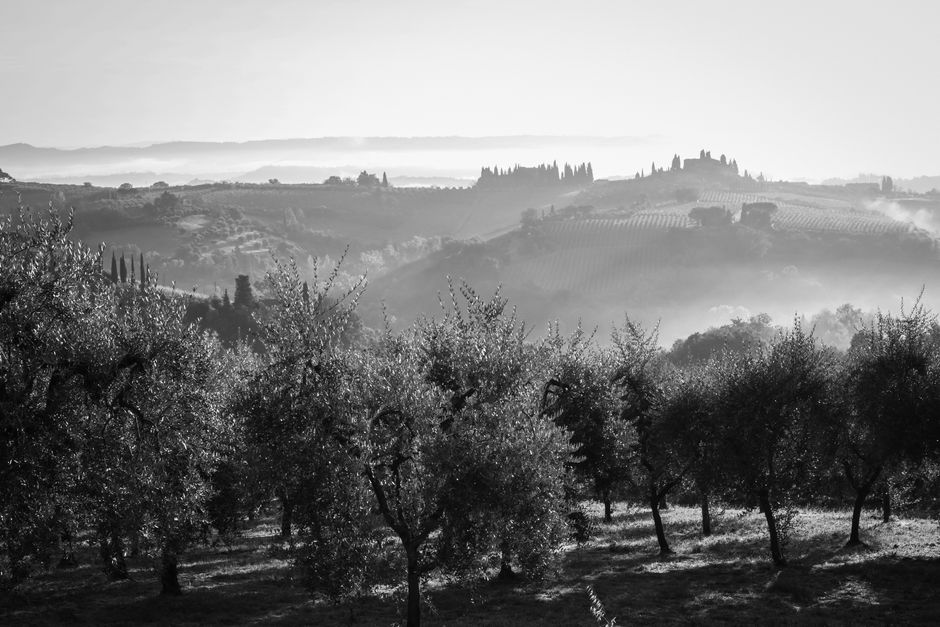
You've been scrolling retreat sites at 11pm again. The Bali photos blur together. The Costa Rica jungle starts feeling like every other jungle. And somewhere between the third "tropical paradise" headline, you realize what you actually want isn't another beach — it's something slower. Something that smells like woodsmoke and crushed leaves. Something that tastes like new oil on warm bread.
That's Tuscany in late October. And specifically, that's a Tuscany yoga retreat timed to la raccolta delle olive — the olive harvest — when the hills tilt gold, the air sharpens, and the whole region quietly stops to bring in the year's most important crop.
If you've been thinking about a fall yoga retreat that feels rooted in place rather than staged for Instagram, let's talk about what these weeks actually look like, what to ask before you book, and how to know if this is your kind of slow.
Why Olive Harvest Season Changes the Retreat
Tuscan olive harvest runs roughly mid-October through mid-November. Exact dates shift each year based on rain, temperature, and the ripeness of the fruit. This isn't a marketing window — it's an agricultural one, set by the trees.
What that means for you as a retreat guest: the energy of the property you're staying on is working energy. Nets are spread under the trees. Wooden rakes (the traditional pettini) comb branches. Crates fill with green-purple olives that need to reach the frantoio (mill) within hours to keep acidity low. The first pressing — olio nuovo — is electric green, peppery, almost spicy in the throat.
The retreats that lean into this rhythm tend to:
- Schedule morning yoga early, then release you to help in the groves if you want
- Time evening restorative practice around sunset, which arrives early in November
- Build menus around what's being harvested — chestnuts, late figs, kale, beans, of course the new oil
- Bring you to the mill to taste oil straight from the centrifuge
This isn't agritourism with yoga bolted on. The best ones thread the two together so the asana, the meal, and the work of the land become the same practice.
What the Practice Actually Looks Like in November Tuscany
Let's be honest about the weather first. October mornings in the Chianti or Val d'Orcia hills can sit around 8-12°C (46-54°F). By midday it warms to a soft 18-20°C (64-68°F). November is cooler, often misty at dawn, with crisp clear afternoons. You'll want layers, real ones, not athleisure-as-costume.
Outdoor practice happens, but usually mid-morning when the stones have warmed. Most properties hold the bulk of practice in a heated studio — often a converted stone barn or limonaia. The light through old windows at this time of year is the thing photographers come for, and it's even better when you're inside it.
Expect a slower, more grounding pace than a summer retreat. Teachers who know the season tend to program:
- Morning: A warming vinyasa or hatha flow, 75-90 minutes. Sun salutations make sense here — the sun is actually rising during them.
- Afternoon: Free time, often with optional walks, mill visits, or hands-on harvest hours.
- Evening: Restorative, yin, or yoga nidra. Long holds. Bolsters. The kind of practice that meets the body after a day spent outdoors.
If you arrive carrying tight hips from a desk job, the slower tempo actually serves you. Pairing the retreat with a working knowledge of hip flexor release for sitting all day means you'll arrive ready to receive the deeper work rather than spending three days just unwinding the flight.
Who This Rhythm Suits
This is a good fit if you:
- Prefer practice that's grounded and seasonal over hot and athletic
- Like the idea of doing something with your hands during the day
- Want food to be part of the practice, not separate from it
- Are comfortable with quiet — Tuscan villages get very still in November
It's probably not your retreat if you want surf access, a club scene nearby, or guaranteed swimming weather. For coastal warmth that runs later into autumn, an Ibiza retreat outside party season or a Crete retreat in shoulder season may suit you better.
Tuscan Regions and What They Each Feel Like
Tuscany is not one place. The retreat experience changes dramatically depending on which corner you choose.
Chianti (between Florence and Siena)
The postcard. Rolling vineyards, cypress lanes, hill towns like Greve and Radda. Lots of agriturismi with established yoga programs. Easy access from Florence airport (FLR), about 45-60 minutes by car. Good food density. Slightly higher prices because of the name.
Val d'Orcia (south of Siena)
The sculptural Tuscany of Pienza, Montalcino, Bagno Vignoni. Wider, more open landscapes. Fewer trees per hectare than Chianti, but the olive estates that exist tend to be serious producers. Quieter, more remote. Best if you want stillness over social.
Maremma (southwest coast and inland)
Wilder, less manicured. Forested hills meeting the Tyrrhenian Sea. Olive groves here often share land with sheep and cinta senese pigs. The retreats are scrappier, more rustic, and usually cheaper. November can be warmer here than inland.
Lucca and Garfagnana (northwest)
The Apennines start here. More chestnut than olive in the higher zones, but the lowland groves around Lucca produce some of Italy's most respected oils. Cooler weather. Excellent for practitioners who want long mountain walks built into the week.
For a broader sense of what Italian retreats include across regions and seasons, the 7-day yoga retreats in Italy guide covers the structural pieces — meals, room types, pricing tiers — that apply across the country.
What to Look For When You Book
The "olive harvest yoga retreat" search has gotten crowded. Some properties stick a few olive trees on a flyer and call it a harvest experience. Here's how to tell the real ones.
Ask About the Mill
A serious property will know exactly which frantoio they use, when their pressing slot is booked, and whether you'll visit during your stay. If the retreat coordinator can't answer this, they don't actually harvest — they buy oil like everyone else.
Ask About the Cultivar
Tuscan oils are typically a blend of Frantoio, Leccino, Moraiolo, and Pendolino. A property that knows their cultivars is a property that treats the harvest as part of their identity. This matters because the taste of the oil — and therefore the food you'll eat all week — depends on it.
Ask About Hands-On Time
Some retreats offer one demonstration morning. Others let you spend three afternoons in the groves if you want. Neither is wrong, but you should know which you're booking. If you want the embodied experience — ladders, nets, the surprising weight of a full crate — say so when you inquire.
Ask About the Teacher's Credentials and Approach
Italy doesn't have a single national yoga teaching standard. Most reputable teachers running retreats hold Yoga Alliance accreditation through one of the schools in our database — globally we track 2,389 yoga teacher training schools, with 1,617 holding RYS status. Italy's teacher pool is well-trained but small, so many retreats also bring in guest teachers from the UK or Germany (the UK has 66 registered schools, Germany 75).
What matters more than the badge is whether their teaching philosophy matches yours. Ask for a class recording or a video. A teacher who's clear about their lineage and pacing will share readily.
Ask About Food Specifics
"Farm to table" is meaningless. Ask: Who cooks? Is the kitchen on the property? Are vegetables grown on-site or sourced from a specific farm? Can they accommodate your needs without making it a production? Tuscan retreat food at its best is simple — ribollita, farro salads, roasted vegetables drowned in new oil, a piece of pecorino from the next hill over. You don't need elaborate. You need real.
What a Typical Week Actually Costs
Let's be transparent. Tuscan harvest retreats are not budget retreats. The season is short, the labor is real, and the properties tend to be small.
Realistic 2026 pricing for a 6-7 night retreat, all-inclusive of meals, daily practice, and harvest activities:
- Shared room, rustic agriturismo: €1,400-1,900
- Private room, mid-range: €2,100-2,800
- Private room with bath, premium property: €2,900-4,200
Add flights, ground transfer (figure €80-150 from Florence airport), and incidentals. If you're a teacher considering bringing your own group instead of joining one, the math is different — and you'll want to think carefully about liability coverage for outdoor and international teaching before you start collecting deposits.
If those numbers don't fit this year, there are gentler entries to the same general experience — a 7-day Spain retreat in olive country (Andalucía has its own harvest tradition that runs slightly later) or a Portuguese retreat in the Alentejo can offer similar rhythms at lower price points.
Practical Packing and Preparation
A few things people forget for November Tuscany:
- Closed shoes you don't mind getting muddy. Sneakers are fine, but waterproof is better. Olive groves have netting underfoot and sometimes rain the day before.
- A real layer system. Thermal base, mid-layer, a light puffer or wool sweater, and a shell. Mornings bite. Afternoons soften. Evenings are stone-cold by 6pm.
- Yoga clothes warmer than you think. Even heated studios can be cool first thing. Long sleeves, leggings, socks for restorative.
- A scarf or pashmina for savasana. Non-negotiable.
- A book. The internet often works, but the rhythm of the place doesn't want you on it.
- Cash in euros. Rural mills, small producers, and roadside chestnut vendors are cash-first.
If your body tends to stiffen with travel and cool weather, prep with a few weeks of consistent practice before you go. A 20-minute morning practice in the weeks leading up will mean your first day on the mat in Italy isn't spent unkinking. Travelers prone to chronic tightness might also look at iliopsoas release for desk workers — long flights are essentially extreme sitting.
The Quieter Thing This Trip Offers
Most retreat marketing sells you transformation. We don't. What an olive harvest retreat actually offers is more modest and, honestly, more useful.
You spend a week tied to something that has a real beginning and end. The olives are ripe. The olives get picked. The oil gets pressed. The oil goes on the table. Nothing about that cycle cares about your calendar, your inbox, your aesthetic, or your follower count. It happened last year. It will happen next year. You're a brief, welcomed participant.
That's the medicine. Not because you'll come back "transformed" — you probably won't, and anyone promising that is selling something. But you'll come back with a body that remembers a different pace. You'll know what fresh oil tastes like on day one versus day six. You'll know the weight of a full crate. You'll know how cold the stone floor of a 400-year-old kitchen is at 6am, and how warm coffee feels after.
The principle of sadhana — consistent practice — applies here too. A week in Tuscany isn't a shortcut. It's a setting that makes the practice obvious. You take it home as a reference point.
If late October to mid-November doesn't work this year, hold the idea. The trees will be there. So will the mill. The good properties book six to nine months ahead for harvest week, so the planning itself becomes part of the season — something to look toward through summer.
Related reading
Subscribe to the newsletter
Subscribe to my newsletter to get the latest updates and news