Yoga for Hip Flexors: Release Tightness from Sitting All Day
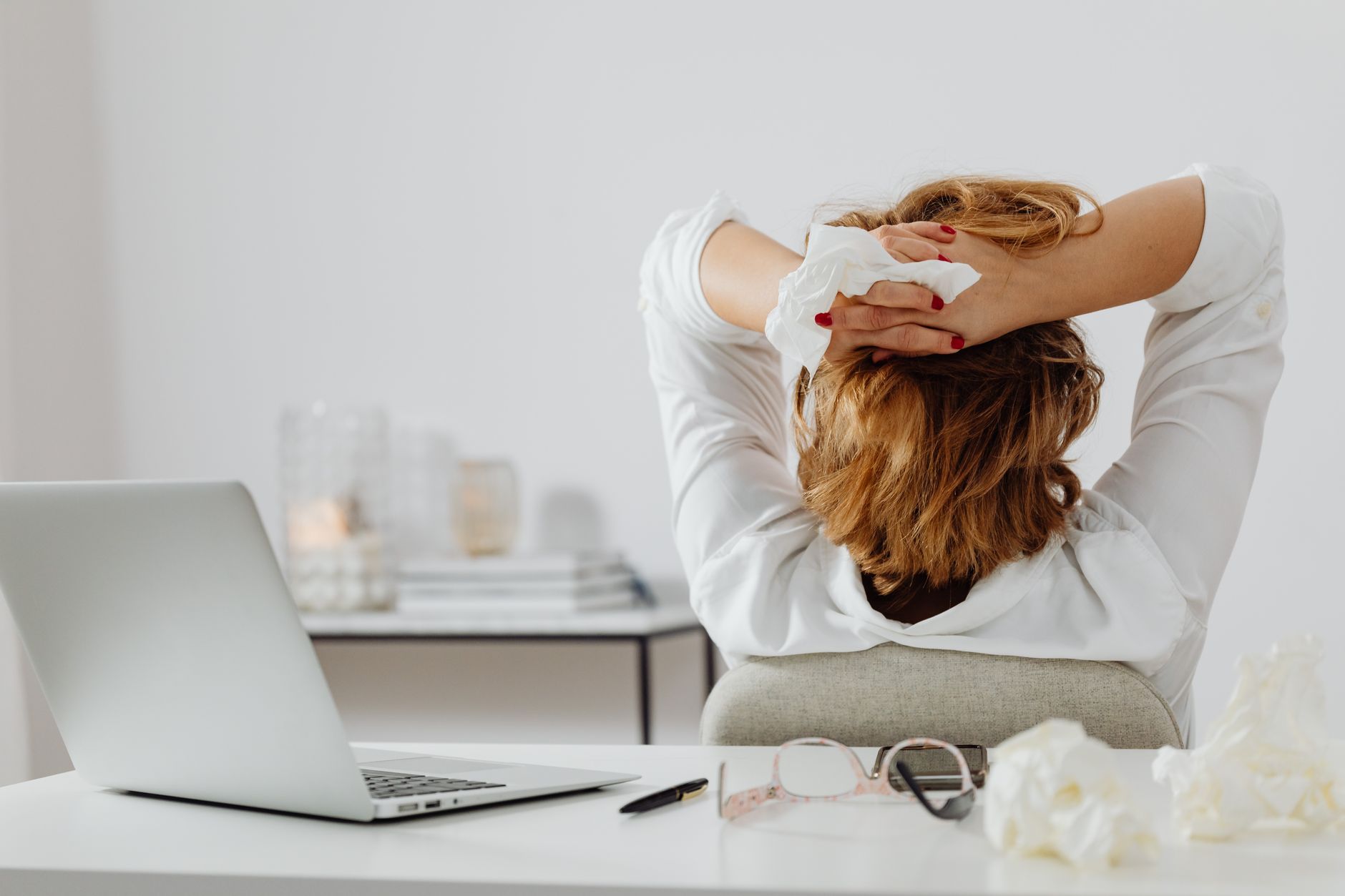
If you spend most of your day sitting—whether at a desk, in a car, or on the couch—your hip flexors are probably tight. This muscle group, which includes the iliopsoas and rectus femoris, works overtime to keep your legs in a bent position. Over time, this constant contraction shortens the muscles, pulling your pelvis forward and creating a domino effect of postural problems throughout your body. The good news? Yoga offers powerful, accessible ways to release this tension and restore mobility to your hips.
Hip flexor tightness is one of the most common complaints I hear from yoga students, and it's rarely talked about enough. Many people don't realize that tight hip flexors can contribute to lower back pain, knee issues, and even poor breathing patterns. The even better news is that with consistent, mindful practice, you can undo years of sitting and feel the difference in just a few weeks.
Understanding Your Hip Flexors and Why They Get Tight
Before we talk about releasing your hip flexors, let's understand what they are and why sitting is so hard on them. Your hip flexors are a group of muscles at the front of your pelvis that bring your knee up toward your chest. The main player here is the iliopsoas—a deep muscle that connects your spine to your thighbone. When you sit, this muscle stays shortened. Day after day, year after year, it adapts to that shortened position and loses its ability to fully lengthen.
The rectus femoris, part of your quadriceps, also functions as a hip flexor and gets equally tight from sitting. When these muscles tighten, they tilt your pelvis forward, which flattens your lower back's natural curve. This places stress on your lumbar spine and can lead to chronic back pain.
What's fascinating from a biomechanical perspective is that tight hip flexors can actually weaken your glutes. Your body is smart—if your hip flexors are always pulling your leg forward, your glutes don't need to work as hard to stabilize your pelvis. Over time, your posterior chain weakens, which perpetuates the problem. This is why simply stretching isn't always enough; you also need to strengthen the muscles that oppose the hip flexors.
How Sitting Creates Hip Flexor Tightness
Modern life is engineered for sitting. We sit at work, sit in traffic, sit to eat, and sit to relax. Studies show that the average person sits between 7.7 and 10 hours per day. That's a lot of time for your hip flexors to be in a shortened position.
When a muscle stays in a shortened position for extended periods, the muscle spindles—sensory organs that detect length changes—become desensitized. Your nervous system essentially recalibrates and thinks your hip flexors' shortened position is normal. This makes the tightness feel even more stubborn when you finally try to stretch it.
Additionally, sitting often involves rounded shoulders and a forward head posture, which creates tension throughout your entire front body, including your hip flexors. It's a postural pattern that reinforces itself until you consciously intervene with stretching and strengthening.
The Best Yoga Poses for Hip Flexor Release
Let's get into the practical work. These poses are designed specifically to lengthen your hip flexors safely and effectively. Hold each pose for at least 5 deep breaths, and remember: sensation is good, but pain is a signal to back off.
Low Lunge (Anjaneyasana)
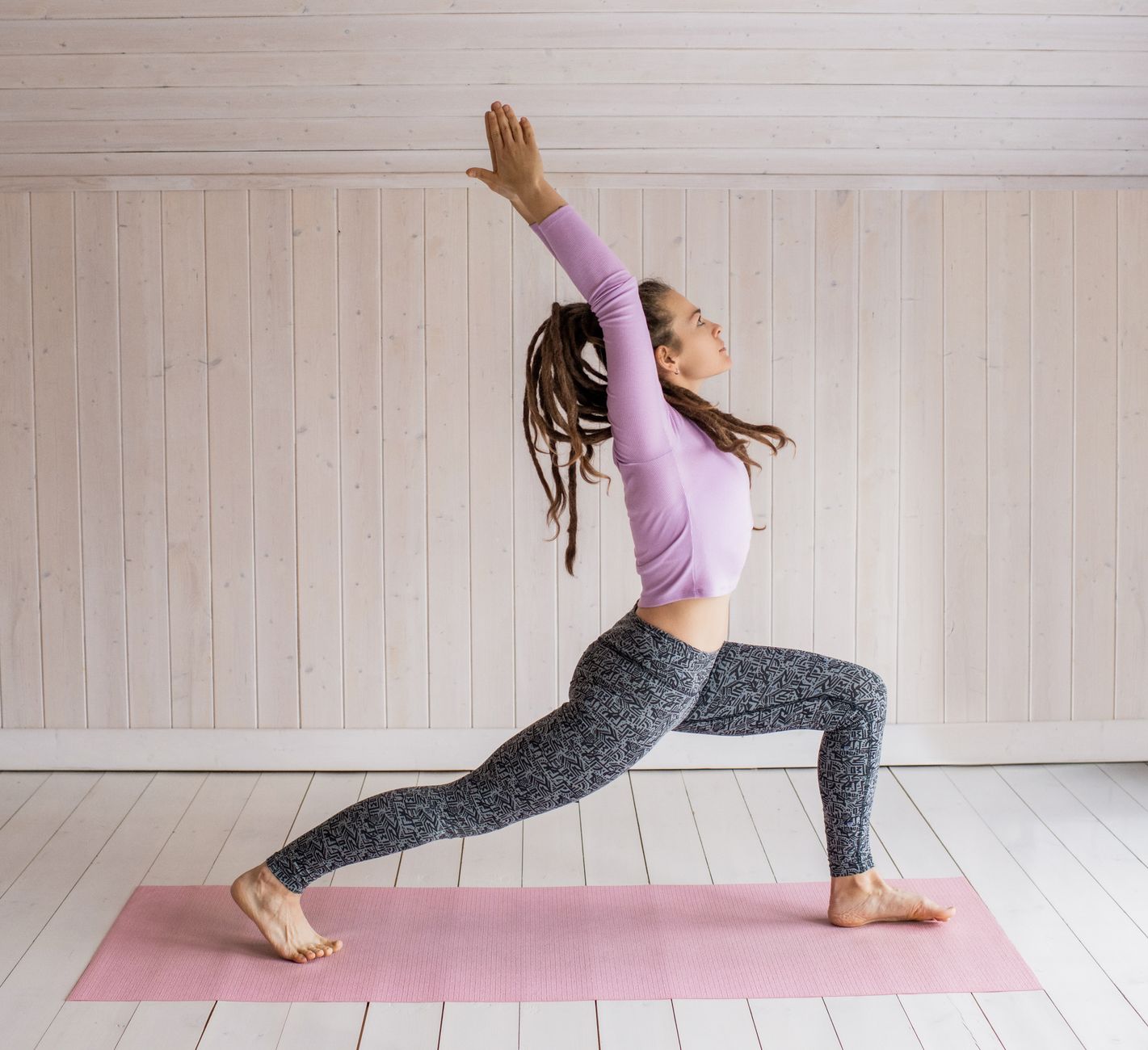
This is the bread and butter of hip flexor release. Step your right foot forward into a lunge, then lower your left knee to the ground. Tuck your left toes under or place the top of your foot flat—whichever feels more supported. Square your hips forward and gently shift your weight into your front foot, feeling a deep stretch along the front of your left hip.
To deepen the stretch, drop your hips lower or reach your arms overhead. Keep your front knee stacked over your ankle to protect your knee joint. Breathe into the sensation for 8-10 breaths, then switch sides.
Crescent Lunge with a Quad Stretch
Once you're in a low lunge, reach your back hand down and gently pull your back foot toward your glute. This targets both the hip flexor and the quadriceps muscle, which is a two-for-one release. Be gentle here—your knee is in a vulnerable position, so never force the stretch. You should feel a strong but pleasant sensation along your entire front thigh.
Reclined Hero Pose (Supta Virasana)
This is an advanced pose, so approach it mindfully. Sit in hero pose (kneeling with your knees apart and your feet beside your hips) and slowly lower your back down to the floor. If this is too intense, place a yoga block or pillow under your back for support. This pose creates an intense stretch through your quadriceps and hip flexors.
Many students only reach a halfway position, resting on their hands, and that's perfectly fine. Listen to your body and don't force yourself into the full expression of the pose.
Pigeon Pose (Eka Pada Rajakapotasana Prep)
While pigeon pose primarily targets your external hip rotators (like the piriformis), it also indirectly releases hip flexor tension by creating space in the hip joint overall. From downward dog, bring your right shin forward toward your right wrist. Keep your left leg extended behind you. Fold forward over your right leg and breathe deeply.
Lizard Pose (Utthan Pristhasana)
This pose is underrated for hip flexor release. From a low lunge with your right foot forward, place both hands inside your front foot and sink your hips low. The back leg is extended, and you're creating length along the entire back line of your body. This pose combines hip flexor opening with a bit of shoulder and chest opening.
Strengthening Exercises to Balance Your Practice
Here's something many yoga teachers don't emphasize enough: stretching alone won't fix tight hip flexors. You need to strengthen the muscles that oppose them—your glutes and hamstrings. When these posterior chain muscles are strong, they naturally create better pelvic balance and reduce compensatory tightness in your hip flexors.
Bridge Pose (Setu Bandhasana) is your best friend here. Lie on your back with your knees bent and feet hip-width apart. Press through your feet and lift your hips high, engaging your glutes at the top. Hold for 5-10 breaths and repeat 5-8 times. This activates your glutes and teaches your pelvis to move out of that anterior tilt that sitting creates.
Locust Pose (Salabhasana) strengthens your entire back body, including your glutes and hamstrings. Lie face down, arms at your sides, and press your pubic bone into the floor to engage your core. On an exhale, lift your chest, arms, and legs away from the floor. This pose is powerful for undoing the forward slouch of sitting.
Incorporating these strengthening poses 3-4 times per week will dramatically improve your results.
A Practical Daily Routine for Hip Flexor Relief
Consistency matters more than intensity. A 10-minute daily practice will serve you better than a 60-minute session once a week. Here's a simple routine you can do every morning or evening:
- Downward dog (8-10 breaths) for general opening
- Low lunge on each side (10 breaths each) — the main event
- Crescent lunge with quad stretch on each side (8 breaths each)
- Pigeon pose on each side (1-2 minutes each)
- Bridge pose (5-8 rounds)
- Child's pose (1 minute) to cool down
This sequence takes about 10-15 minutes and targets everything you need. Do it daily, and you'll notice a significant difference in your flexibility and comfort within two to three weeks.
Lifestyle Modifications That Complement Your Practice
Yoga is powerful, but it's only half the equation. If you spend eight hours a day sitting and 15 minutes stretching, the stretching won't fully counteract the tightness. Here are some lifestyle adjustments that multiply the benefits of your practice:
Stand and move more throughout your day. Set a timer to stand and walk for 2-3 minutes every hour. This prevents your hip flexors from staying in that shortened position all day long.
Adjust your workspace. Make sure your desk and chair are ergonomically set up. Your knees should be at a 90-degree angle, and your monitor should be at eye level. A standing desk or alternating between sitting and standing can make a huge difference.
Sleep in a hip-opener-friendly position. If you sleep on your back, place a pillow under your knees to reduce the forward tilt of your pelvis. Avoid sleeping in the fetal position, which keeps your hip flexors shortened all night.
Consider supplementing with yoga for runners if you're active. If you run, cycle, or do other activities that also shorten hip flexors, these targeted stretches become even more important.
When to Expect Results and How to Track Progress
Patience is key. You didn't develop tight hip flexors overnight, and they won't release overnight either. However, most people notice measurable improvements within 2-3 weeks of consistent practice.
Track your progress by paying attention to:
- How easily you can drop your hips in a lunge
- Whether you have less lower back pain or discomfort
- Your ability to stand tall without anterior pelvic tilt
- General ease of movement and less stiffness after sitting
- Improved breathing—tight hip flexors restrict diaphragmatic breathing
After 4-6 weeks of consistent practice, most people experience a noticeable shift. After 8-12 weeks, the change is often dramatic. The key is consistency; sporadic practice won't create lasting change.
Common Mistakes to Avoid
Even with the best intentions, people often undermine their own progress. Here are the most common mistakes I see:
Pushing too hard in stretches. Pain is not gain in yoga. You should feel a stretch, not sharp pain. If you're grimacing, you've gone too far. The nervous system tightens up when you go too deep, which actually makes the muscle tighter.
Only stretching, never strengthening. As mentioned earlier, stretching alone isn't enough. Without glute and hamstring strengthening, your hip flexors will re-tighten.
Inconsistent practice. Three intense sessions per week won't beat one gentle session daily. Your nervous system responds better to consistency than intensity.
Ignoring your sitting habits. You can't out-stretch a bad lifestyle. If you sit eight hours a day without breaks, your yoga practice will always be fighting an uphill battle.
Modifications for Different Bodies
Everyone's body is different, and what works for one person might not work for another. Here are modifications for common situations:
For people with very tight hip flexors: Start with gentle, shorter holds (3-5 breaths) and gradually increase. Consider using props like blocks or pillows to make poses more accessible.
For people with knee issues: Be extra cautious with deep lunges. Keep more weight in your back foot, and consider practicing gentler variations until your hip flexors release enough to take pressure off your knees.
For people with lower back pain: Focus more on strengthening than stretching initially. A weak core and glutes often contribute to the pain, so bridge pose and locust pose might be more important than deep lunges.
For athletes and active people: Your hip flexors probably need extra attention. Combine this routine with your regular training, and make sure you're spending adequate time on recovery and mobility work.
The Bigger Picture: Hip Flexors and Overall Wellness
Releasing your hip flexors is about more than just comfort and flexibility. When your hip flexors are tight, your entire body suffers. Your breathing is restricted, your posture collapses, and your nervous system stays in a state of mild stress because your body is literally in a contracted position all day.
By dedicating just 10-15 minutes daily to hip flexor release and strengthening, you're not just improving your flexibility. You're improving your breathing, your posture, your lower back health, your athletic performance, and even your nervous system regulation. It's one of the most accessible and impactful practices you can do.
The beautiful thing about yoga is that it meets you where you are. Whether you're a desk worker, an athlete, or somewhere in between, these poses and practices can be adapted to your body and your life. Start where you are, be consistent, and trust the process. Your hips will thank you.
Related programs in our directory:
- an alignment-oriented yoga school — 4.94★ · 227 reviews
- alignment-focused yoga teacher training — 4.95★ · 114 reviews
Related Reading
Hip Mobility Yoga Poses — Release Tight Hips and Back Pain — Discover seven gentle hip mobility poses that complement hip flexor work and address the entire hip joint.
Yoga for Back Pain: 10 Poses That Actually Help — Learn evidence-based poses that address the lower back pain often caused by tight hip flexors and poor posture.
Yoga for Stress Relief: Simple Poses for Everyday Overwhelm — Understand how releasing physical tension in your hips and body reduces overall stress and nervous system activation.
Yoga for Beginners: Everything You Need to Start a Home Practice — Get a complete foundation for building a consistent daily yoga practice at home without gym equipment.
Medical disclaimer: This content is for informational purposes only and is not a substitute for professional medical advice, diagnosis, or treatment. Always consult a qualified healthcare provider before beginning any new exercise program, especially if you have injuries, chronic conditions, or are pregnant. Listen to your body and stop any practice that causes pain.
Subscribe to the newsletter
Subscribe to my newsletter to get the latest updates and news