
Yoga for Beginners: Everything You Need to Start a Home Practice
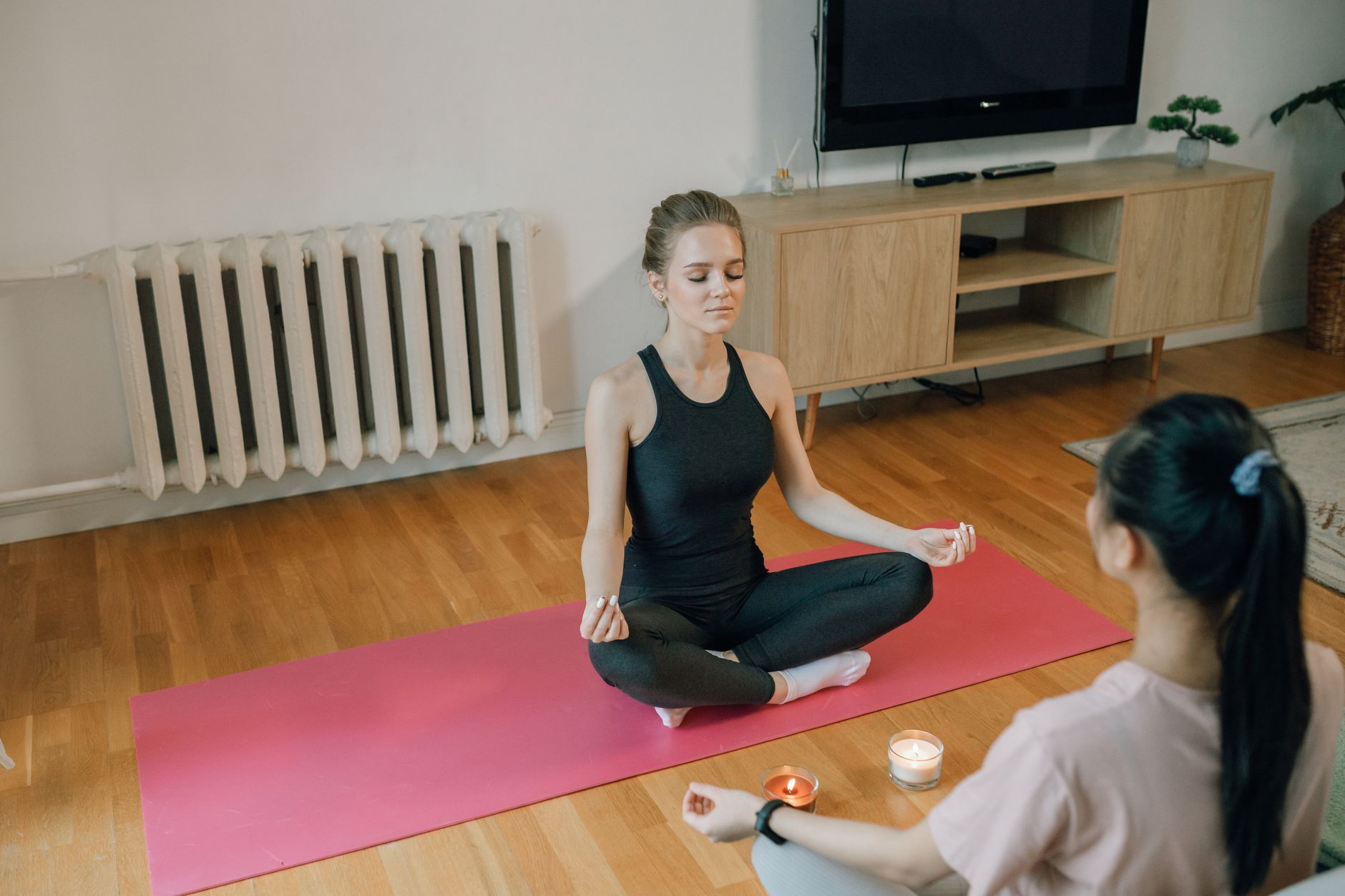
Yoga for Beginners: Everything You Need to Start a Home Practice

Starting a yoga practice at home can feel both exciting and overwhelming. You might be wondering where to begin, what you'll need, and whether you can actually do this without a teacher guiding you in person. The good news? Home yoga is entirely achievable—and for many people, it's the perfect entry point into a lifelong practice.

Whether you're drawn to yoga for stress relief, better flexibility, strength building, or simply curiosity, this guide will walk you through everything you need to know to establish a sustainable home practice. We'll cover the fundamentals, help you set up your space, and give you practical steps to build confidence as a beginner.

Understanding What Yoga Actually Is

Before rolling out your mat, it helps to understand that yoga isn't just about twisting your body into pretzel shapes. While the physical poses—called asanas—are what most people recognize as yoga, the practice is much broader.

Yoga is an ancient system that includes physical postures, breathing techniques (pranayama), meditation, and philosophical principles. When you practice yoga, you're working with your body, mind, and breath together. This integrated approach is part of why yoga has such powerful effects on both physical and mental health.

Research published in medical journals has shown that regular yoga practice can reduce cortisol levels (the stress hormone), lower blood pressure, improve flexibility and strength, and enhance mental clarity. These benefits aren't mystical—they're measurable and backed by science.

For beginners, this means you don't need to aim for complex poses. Simple, mindful movement combined with conscious breathing will give you real results.

Setting Up Your Home Yoga Space

You don't need a dedicated yoga room to start practicing. What you do need is a clean, relatively quiet space where you won't be interrupted for 20 to 60 minutes.

The Essentials

  • A yoga mat: This provides cushioning and grip. It doesn't need to be expensive—a basic mat from any retailer works fine. If you don't have one yet, you can practice on a towel or carpet, though a mat does make a difference for comfort and stability.
  • Comfortable, breathable clothing: Wear something that allows you to move freely. You don't need special yoga clothes—athletic wear or even loose cotton clothing works perfectly.
  • Water nearby: Keep a water bottle within reach. Staying hydrated is important, especially as your body warms up during practice.

Optional But Helpful Props

  • Yoga blocks: These foam or cork blocks help you modify poses, making them more accessible while you build strength and flexibility.
  • A yoga strap or belt: Useful for deepening stretches safely and maintaining proper alignment.
  • A folded blanket or bolster: Provides support in certain poses and makes seated or lying positions more comfortable.

Props aren't luxuries—they're tools that let you practice safely and effectively. Using props as a beginner isn't "cheating." It's smart practice that helps you build proper alignment habits from the start.

Environment Matters

Clear some space so you have room to move without knocking things over. If possible, practice somewhere quiet or use soft background music. Temperature matters too—a slightly cool room is better than a warm one, as you'll naturally heat up during practice.

Choosing the Right Type of Yoga

Different yoga styles have different focuses and intensities. As a beginner, understanding these distinctions helps you pick what aligns with your goals.

Beginner-Friendly Styles

  • Hatha Yoga: A traditional style that holds poses for several breaths, making it ideal for learning proper alignment. Classes move at a slower pace, giving you time to understand each posture.
  • Iyengar Yoga: Emphasizes precise alignment and often uses props extensively. Perfect if you want detailed instruction on how to position your body safely.
  • Restorative Yoga: Uses props to support your body in relaxing poses held for longer periods. Excellent for stress relief and recovery, though less focused on strength building.
  • Vinyasa Flow: Links breath with movement in a flowing sequence. While often taught at faster paces, beginner versions exist and build cardiovascular fitness alongside strength.

For your first home practice, start with Hatha or a beginner-specific class. You can explore other styles once you're comfortable with basic poses and breathing.

Finding Quality Instructional Resources

The internet offers endless yoga content, but quality varies widely. Here's how to find resources you can trust:

Online Platforms

Several platforms offer structured, beginner-friendly content from certified instructors:

  • YouTube channels from established yoga teachers (look for instructors with proper credentials)
  • Dedicated yoga apps with beginner programs and structured progressions
  • Online yoga studios offering live or recorded classes with experienced teachers
  • Websites like Online Yoga Planet that curate quality instructors and classes

What to Look For

Choose instructors who:

  • Explain modifications for different ability levels
  • Emphasize alignment and proper form over flashy poses
  • Have actual yoga teacher training (look for certifications from recognized organizations)
  • Speak in calm, clear language and move at a reasonable pace
  • Offer classes specifically labeled "beginner" rather than assuming you know terminology

Building Your First Practice Routine

Consistency matters more than intensity when you're starting out. A 20-minute practice three times a week will serve you better than sporadic longer sessions.

A Simple Beginner Structure

A basic home yoga session follows this flow:

  1. Centering (2–3 minutes): Sit comfortably and focus on your breath. This settles your mind and signals to your body that practice has begun.
  2. Warm-up (5 minutes): Gentle movements like neck rolls, shoulder circles, and cat-cow stretches prepare your body for deeper poses.
  3. Standing poses (10–15 minutes): These build strength and balance. Mountain pose, warrior poses, and triangle pose are foundational.
  4. Seated stretches and forward folds (5 minutes): Work on flexibility and calm your nervous system.
  5. Savasana or final relaxation (5 minutes): Lie down and let your body absorb the benefits of practice. This is as important as the active poses.

Frequency and Duration

Start with three 20-minute sessions per week. Once you're comfortable, gradually extend to 30 or 45 minutes if you wish. More advanced practitioners might practice daily, but for beginners, regularity beats length.

Learning Proper Breathing Technique

Breath is the foundation of yoga. Proper breathing calms your nervous system, oxygenates your blood, and helps you move with control and awareness.

Ujjayi Breath (The Foundational Breath)

This gentle oceanic breathing technique is the most common pranayama used in yoga classes. To practice it:

  1. Breathe in and out through your nose
  2. Slightly constrict your throat so your breath makes a gentle, ocean-like sound
  3. Keep your breath smooth and even, without forcing
  4. Maintain this pattern throughout your practice

Ujjayi breath warms your body, focuses your mind, and regulates your pace during movement. Start with just a few minutes to get the feel of it, then gradually extend it throughout your practice.

The Four-Count Breath

If ujjayi feels advanced, try this simpler technique:

  1. Inhale for a count of four
  2. Exhale for a count of four
  3. Match this rhythm to your movements

This basic pattern immediately calms your nervous system and helps you focus inward.

Common Beginner Mistakes to Avoid

Learning from others' missteps can accelerate your progress:

  • Pushing too hard too fast: Yoga isn't about achievement. Respect your body's current limits. Pushing into pain (not the gentle stretch sensation) risks injury and discourages long-term practice.
  • Ignoring alignment: Sloppy form now creates bad habits later. When in doubt, use props or modify poses to maintain proper alignment.
  • Skipping savasana: The final relaxation pose isn't a luxury—it's where your nervous system integrates the benefits of practice. Never skip it.
  • Practicing on a full stomach: Eat a light meal 2–3 hours before practice, or wait 30 minutes after a snack.
  • Getting discouraged by comparison: Every body is different. Your neighbor's deep forward fold isn't your goal—your own progress is.

Tracking Your Progress

Progress in yoga isn't always visible. Keep a simple practice journal noting:

  • When you practice and for how long
  • How you felt before and after
  • Any poses that felt easier than before
  • Observations about your breathing or mental clarity

Over weeks and months, you'll notice improvements in flexibility, strength, focus, and emotional resilience. These subtle shifts are the real benefits of a home practice.

Making Your Practice Sustainable

Starting is exciting. Staying consistent is the real challenge. Here's how to build a lasting habit:

  • Schedule it like an appointment: Pick the same time each day or specific days each week. Your practice becomes non-negotiable.
  • Start small: A 15-minute daily practice beats sporadic 60-minute sessions. Build gradually.
  • Have a dedicated space: Even a corner of your bedroom signals to your brain that it's time to practice.
  • Join a community: Online yoga groups or apps with progress tracking add accountability and motivation.
  • Be flexible with yourself: Life happens. Practicing 10 minutes is better than skipping entirely. Consistency matters more than perfection.

When to Consider Formal Training

Many beginners eventually want deeper knowledge. If you find yourself drawn to teaching or want comprehensive training, online yoga teacher training programs offer structured pathways. But that's a future decision—first, enjoy exploring your home practice and discovering what yoga means to you.

Final Thoughts

A home yoga practice is an act of self-care and self-discovery. You're not training for competition or comparing yourself to others. You're creating a personal ritual that honors your body, calms your mind, and connects you to something larger than yourself.

Start simple. Be consistent. Listen to your body. Over time, this daily or weekly commitment will transform how you feel physically, mentally, and emotionally. The mat you roll out in your living room can become one of the most meaningful spaces in your life.

The 7 Best Yoga Books for Beginners: Build Your Foundation — Deepen your understanding of yoga philosophy and practice with author-recommended books designed specifically for those starting their journey.

10 Benefits of Daily Yoga Practice: Physical, Mental, and Spiritual — Discover the measurable benefits you can expect as you establish a consistent home practice over weeks and months.

10 Tips for Beginners Learning Yoga Online: Start Your Practice With Confidence — Get practical advice for navigating online resources, staying motivated, and avoiding common pitfalls when practicing at home.

5 Best Online Yoga Courses for Lower Back Pain: Teacher Training and Therapeutic Programs — If you're practicing yoga to address specific physical concerns, explore structured courses that target common problem areas.

Subscribe to the newsletter

Subscribe to my newsletter to get the latest updates and news