Yoga for Stress Relief: Simple Poses for Everyday Overwhelm

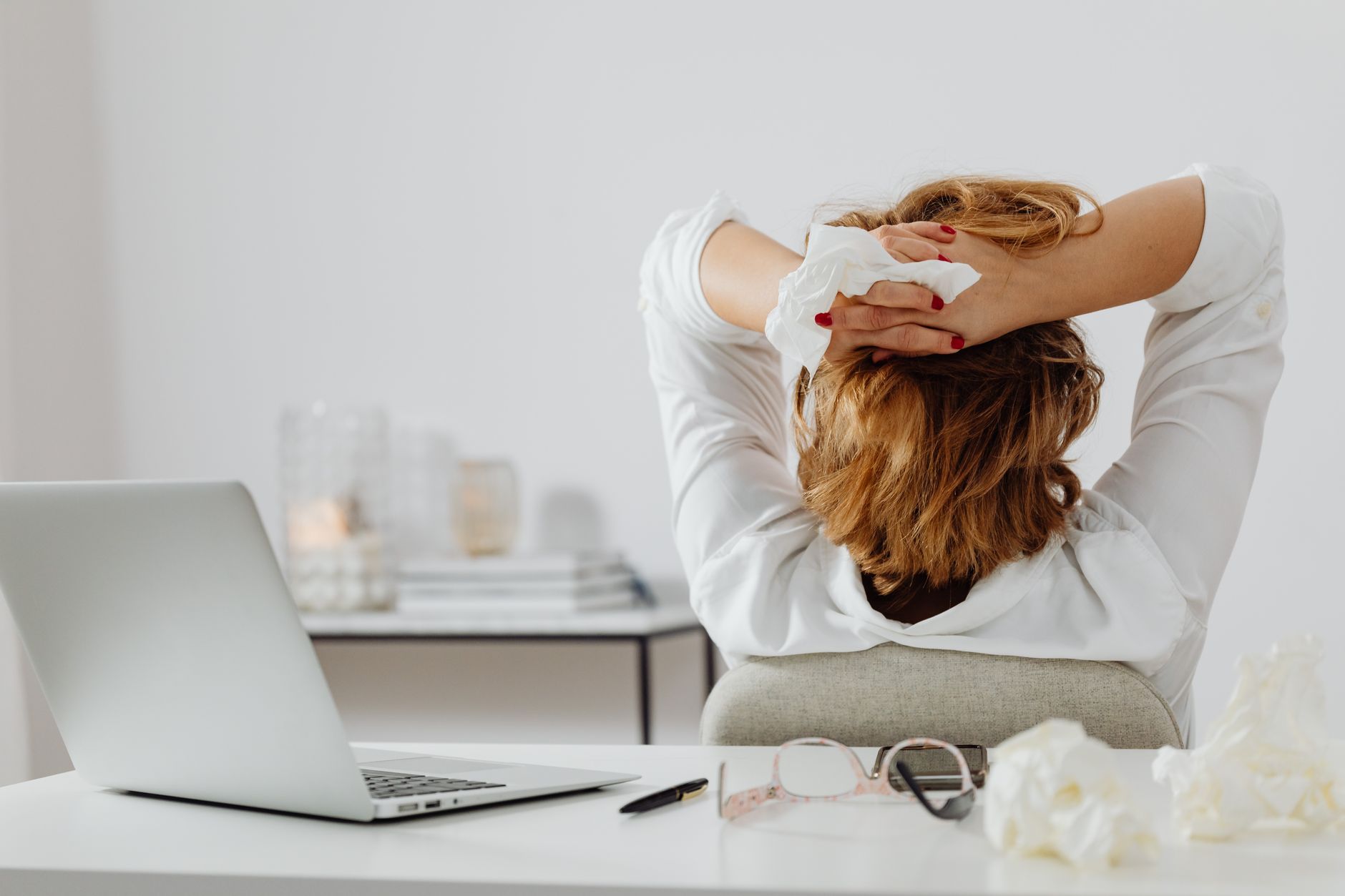
We've all been there—that moment when your shoulders creep up toward your ears, your breathing becomes shallow, and your mind spins with an endless to-do list. Modern life comes with chronic stress that doesn't always announce itself loudly. Instead, it quietly builds, day after day, until you realize you've forgotten what it feels like to simply breathe.
The good news? Yoga is one of the most effective, accessible tools for melting away that accumulated tension. Unlike expensive therapies or pharmaceutical solutions, yoga works with your nervous system to create lasting calm. You don't need expensive equipment, a fancy studio, or years of practice. You just need your body, a little floor space, and the willingness to pause.
In this guide, we'll explore how yoga reduces stress at a physiological level, and I'll walk you through a collection of simple, powerful poses you can practice anywhere—whether you have five minutes or thirty.
How Yoga Actually Reduces Stress (The Science Behind It)
Before we jump into poses, let's understand why yoga works so well for stress relief. When you're stressed, your sympathetic nervous system—your "fight or flight" response—stays activated. Your body releases cortisol and adrenaline, your heart rate elevates, and digestion slows. You're essentially running from an invisible tiger all day.
Yoga activates your parasympathetic nervous system—your "rest and digest" response. Research published in the International Journal of Yoga shows that regular yoga practice lowers cortisol levels, reduces blood pressure, and decreases heart rate variability in ways similar to meditation. But yoga goes further by combining physical movement, breath work, and mindfulness into one practice.
The magic happens through several mechanisms:
- Breath awareness (pranayama) directly signals your vagus nerve to downregulate stress responses
- Stretching and gentle movement release physical tension stored in muscles
- Mindful presence interrupts the thought loops that fuel anxiety
- Grounding postures activate stabilizing muscles and create a sense of safety in your body
In other words, yoga doesn't just calm your mind—it rewires your body's stress response at a nervous system level.
The Best Yoga Poses for Stress Relief
These poses are intentionally simple and gentle. You're not working toward Instagram-worthy alignment; you're working toward feeling better. Hold each pose for as long as feels comfortable—typically 30 seconds to two minutes—and breathe naturally unless otherwise noted.
Child's Pose (Balasana)
This is the foundational rest pose in yoga, and for good reason. It gently stretches your back, hips, and shoulders while naturally turning your gaze inward.
How to practice it: Kneel on the floor and bring your big toes together, letting your knees fall wide apart. Sink your hips back toward your heels and fold forward, resting your forehead on the mat. Let your arms lie alongside your body with palms facing up, or extend them forward. Breathe deeply. If your forehead doesn't reach the ground comfortably, rest it on a block or pillow.
This pose signals safety to your nervous system. The forward fold naturally calms the mind, and the inward focus creates a sense of retreat from the world's demands.
Cat-Cow Stretch (Marjaryasana-Bitilasana)
This flowing movement releases tension from your spine and synchronizes breath with movement—a powerful stress-busting combination.
How to practice it: Start on your hands and knees. Inhale as you drop your belly, lift your gaze, and open your chest (Cow). Exhale as you round your spine, tuck your chin, and draw your belly in (Cat). Move fluidly between these positions for 1–2 minutes, syncing each movement with your breath.
The rhythmic nature of this pose calms your mind while releasing tension from your neck, shoulders, and lower back—areas where we habitually store stress. If you experience persistent neck and shoulder pain, this gentle flow is an excellent starting point.
Legs-Up-the-Wall Pose (Viparita Karani)
This is perhaps the most restorative pose you can practice. It's deeply calming and requires almost no effort.
How to practice it: Sit sideways against a wall with your hip touching it. Slowly swing your legs up the wall as you lower your torso to the floor. Lie flat on your back with your legs extended up the wall, forming an L-shape. Rest your arms at your sides with palms facing up. Stay here for 5–10 minutes.
This pose reverses blood flow, calms your nervous system, and gently stretches your hamstrings. It's excellent to practice in the evening before bed or anytime you feel overwhelmed. The inversion signals your brain that there's no immediate threat—a deeply relaxing message. This pose is also featured in many yoga for sleep routines.
Downward-Facing Dog (Adho Mukha Svanasana)
Don't let the name fool you—this pose is about finding ease, not effort. It's a mild inversion that calms your mind while gently strengthening your body.
How to practice it: Start on your hands and knees. Press your palms firmly into the floor and tuck your toes. Lift your hips high, creating an inverted V-shape with your body. Your head hangs freely between your arms. Press firmly through your fingers and engage your legs. Breathe steadily for 5–10 breaths.
This pose stretches your hamstrings, calves, shoulders, and back while the mild inversion calms your nervous system. It's energizing without being activating—the sweet spot for stress relief. For a deeper understanding of this foundational pose, explore our complete guide to downward dog.
Supported Bridge Pose (Setu Bandha Sarvangasana)
This gentle backbend opens your chest and heart space—areas that contract when we're stressed and defensive.
How to practice it: Lie on your back with knees bent and feet hip-width apart, parallel to each other. Press through your feet to lift your hips off the ground. Clasp your hands beneath you and press your shoulders into the mat. Hold for 30 seconds to 2 minutes, breathing deeply. To deepen the pose, place a block under your sacrum.
This pose counteracts the hunched posture of stress and worry. By opening your chest, you quite literally create more space for breath and calm.
Corpse Pose (Savasana)
This final relaxation pose is essential. Many people skip it, but it's where the deepest integration and nervous system reset happens.
How to practice it: Lie flat on your back with legs extended, feet falling naturally open. Arms rest at your sides with palms facing up. Close your eyes and let your entire body relax completely. There's nothing to do, nothing to achieve. Simply be here for 5–10 minutes.
If your lower back is uncomfortable, place a pillow under your knees. This pose allows your nervous system to shift fully into parasympathetic mode, cementing the benefits of your practice.
Building a Simple Daily Practice
You don't need a 90-minute class to experience stress relief from yoga. In fact, consistency matters more than duration.
For 5 minutes: Practice Cat-Cow (1 minute), Downward Dog (1 minute), Child's Pose (2 minutes), and end with three conscious breaths.
For 10 minutes: Child's Pose (2 minutes), Cat-Cow (2 minutes), Downward Dog (2 minutes), Bridge Pose (2 minutes), Legs-Up-the-Wall (2 minutes).
For 20 minutes: Include all the poses above, holding each for longer, and end with 5 minutes in Savasana.
Related programs in our directory:
- an alignment-focused yoga school in Santa Fe — 4.94★ · 125 reviews
- a gentle yoga school in New York — 4.96★ · 105 reviews
- a trauma-informed and gentle yoga school in Canada — 4.96★ · 76 reviews
Related Reading
Yoga for Anxiety: A Calming Practice to Quiet Your Mind — Discover targeted poses and breathing techniques that help quiet racing thoughts and activate your body's natural calm response.
Yoga for Sleep: A Bedtime Sequence for Better Rest — Learn a gentle evening sequence featuring restorative poses that prepare your body and mind for deep, restful sleep.
10 Benefits of Daily Yoga Practice: Physical, Mental, and Spiritual — Explore the science-backed benefits of maintaining a consistent yoga practice for long-term stress management and well-being.
What Is Restorative Yoga? A Guide to Deep Rest and Healing — Understand the principles of restorative practice and how supported poses can help your nervous system heal from chronic stress.
Medical disclaimer: This content is for informational purposes only and is not a substitute for professional medical advice, diagnosis, or treatment. Always consult a qualified healthcare provider before beginning any new exercise program, especially if you have injuries, chronic conditions, or are pregnant. Listen to your body and stop any practice that causes pain.
Subscribe to the newsletter
Subscribe to my newsletter to get the latest updates and news