Warrior I Pose (Virabhadrasana I): How to Do It and Why It Matters

Warrior I, or Virabhadrasana I, is one of the most iconic poses in yoga practice. If you've ever attended a yoga class, you've probably heard an instructor say, "Flow into Warrior I," or watched someone hold this powerful stance with poise and grace. But beyond the aesthetics, Warrior I is a transformative posture that builds strength, opens the hips, and cultivates mental resilience. Whether you're new to yoga or returning to your practice after a break, understanding how to practice this pose correctly and knowing its profound benefits can deepen your yoga journey significantly.
What Is Warrior I Pose?
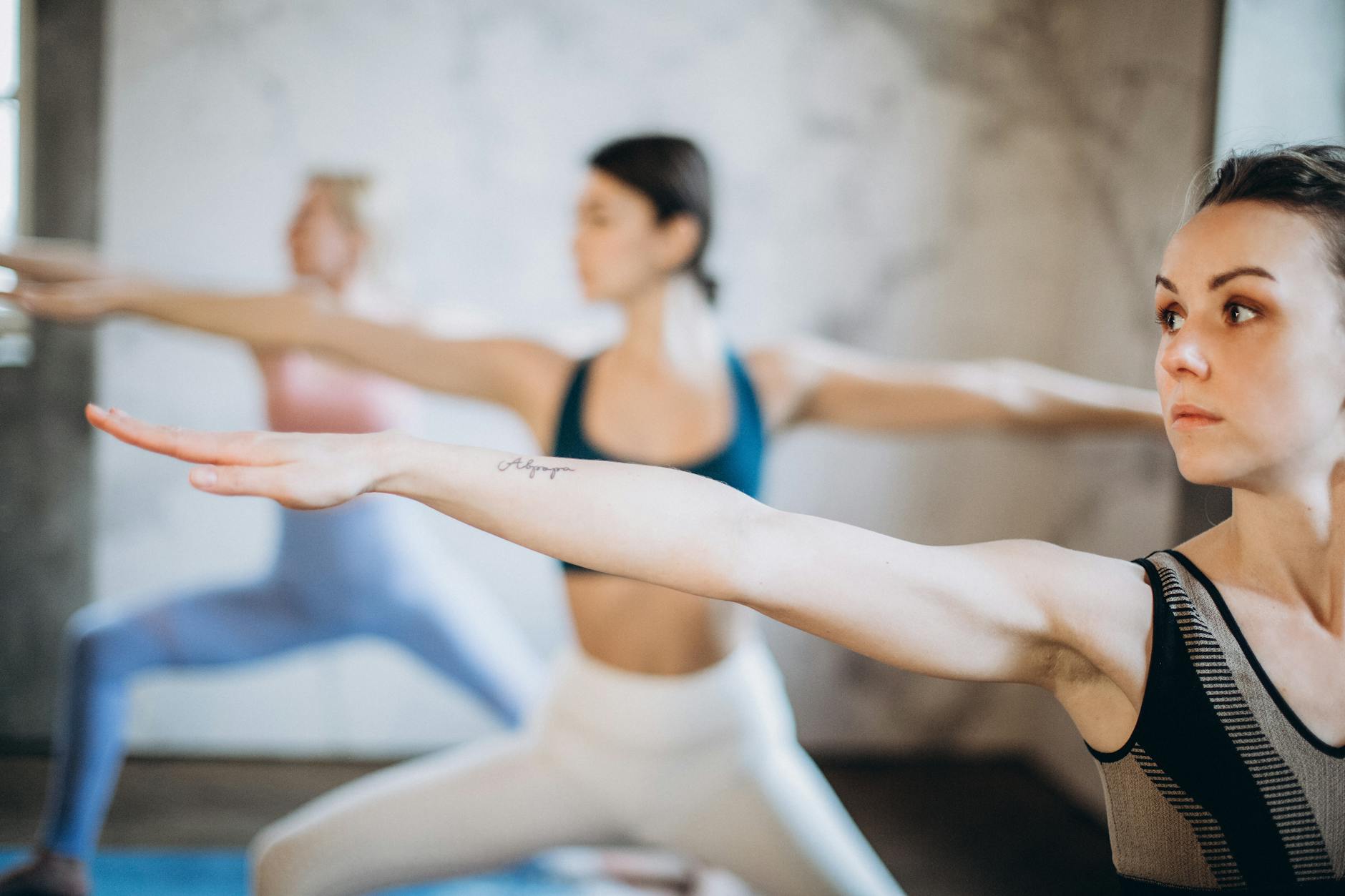
Warrior I, derived from Sanskrit "Vira" (hero) and "Bhadra" (friend or auspicious), is a standing pose that embodies strength, stability, and groundedness. In this pose, you step one foot back while keeping both feet grounded, lower into a lunge position, and extend your arms overhead. The front knee bends at roughly a 90-degree angle, while the back leg straightens, and your hips square toward the front of your mat.
This pose is often considered an intermediate-level posture, though beginners can practice modified versions with proper guidance. It's typically practiced during the warm-up or standing sequence of a yoga class and serves as a foundation for more advanced balancing and strengthening poses.
How to Practice Warrior I: Step-by-Step Instructions
Getting into Warrior I properly is essential for reaping its benefits safely. Follow these detailed instructions:
Starting Position
- Begin in Mountain Pose (Tadasana) at the top of your mat, feet hip-width apart and arms at your sides.
- Ground all four corners of your feet and take a few centering breaths.
Step Back
- Inhale and step your left foot back about 3 to 4 feet, or roughly the length of one leg.
- The distance varies depending on your height and flexibility—experiment to find what feels right.
- Turn your back foot out about 45 degrees so your toes point toward the upper left corner of your mat.
- Keep your front foot pointing forward.
Square Your Hips
- This is crucial: rotate your hips so they face the front of your mat as much as possible.
- Many practitioners struggle here—your back hip naturally wants to splay outward. Actively draw your back hip forward and your front hip back to create alignment.
- If you have tight hip flexors, you may not achieve a perfect 90-degree square. That's okay; work to the best of your ability without forcing.
Bend the Front Knee
- Exhale as you bend your front right knee, stacking it directly over your ankle.
- Aim for the front thigh to be parallel to the ground, though deeper bends are possible as you build strength.
- Press the outer edge of your back foot firmly into the mat to engage your back leg.
Extend Your Arms
- Inhale and reach both arms overhead, shoulders stacked over hips.
- Keep your shoulders relaxed away from your ears.
- If shoulder flexibility is limited, keep your hands shoulder-width apart or turn your palms to face each other.
- Gaze slightly upward without crunching your neck, or look straight ahead if that's more comfortable.
Hold and Breathe
- Hold for 5 to 10 breaths initially, building up to 30 seconds or longer as you grow stronger.
- Maintain steady, even breathing—this is not the place for breath-holding.
- Step forward to return to the top of your mat and repeat on the opposite side.
Common Mistakes to Avoid
Even experienced yogis sometimes fall into old patterns with Warrior I. Being aware of these pitfalls helps you practice more effectively:
Letting Your Back Heel Lift: This weakens the pose and reduces hip opening. Press down through the entire outer edge of your back foot, even if it means taking a shorter stance.
Allowing Your Front Knee to Collapse Inward: Your front knee should track directly over your second toe. If it caves inward, you're either going too deep too quickly or your stance is too narrow.
Twisting Your Torso: Your shoulders and hips should align with the front of your mat. Twisting reduces the hip-opening benefit and can strain your lower back.
Over-Arching Your Lower Back: While reaching your arms overhead, maintain a neutral spine. Engage your core to prevent excessive lumbar arch, especially if you're very flexible.
Warrior I Pose Benefits
Warrior I offers a comprehensive range of physical, mental, and energetic benefits that extend far beyond a single class:
Physical Strength and Endurance
Holding Warrior I builds serious lower body strength. Your quadriceps, glutes, hamstrings, and calf muscles all engage intensely. Over time, consistent practice increases muscular endurance, making everyday activities like climbing stairs or walking uphill feel easier. Research published in the International Journal of Yoga has shown that regular yoga practice, including standing poses, significantly improves lower limb strength and stability.
Hip Flexor and Hip Opening
Tight hip flexors are a modern epidemic, exacerbated by sitting at desks all day. Warrior I stretches the hip flexors of your back leg deeply while simultaneously opening the hips. This dual action helps restore balance to your hip complex, reducing tension and improving mobility. Regular practice can alleviate lower back pain that often stems from tight hips.
Improved Balance and Proprioception
Although Warrior I is a grounding pose, it requires significant proprioceptive awareness—your body's sense of where it is in space. This improved balance carries over into daily life, reducing fall risk and enhancing athletic performance. Studies suggest that yoga poses that challenge balance activate the vestibular system, improving coordination and spatial awareness.
Enhanced Core Stability
Maintaining proper alignment in Warrior I requires constant core engagement. Your abdominal muscles, obliques, and deep stabilizers work to keep your torso upright and prevent excessive arching. Strengthening these muscles supports healthy posture and protects your spine.
Mental Resilience and Focus
The name "Warrior" isn't accidental. This pose cultivates mental strength and determination. Holding Warrior I while breathing steadily teaches you to remain calm under physical challenge—a skill that translates beautifully to stressful situations off the mat. Many practitioners report feeling more grounded, focused, and emotionally stable after practicing strong standing sequences.
Improved Circulation and Energy
The muscular engagement in Warrior I increases heart rate and circulation without the impact of running or jumping. This makes it excellent for cardiovascular conditioning and energizing your practice. Practitioners often describe feeling more vitalized and awake after holding standing poses.
Modifications for Different Levels
Not everyone can practice full Warrior I immediately, and that's completely normal. Here are helpful modifications:
Beginner Modification: Keep your back heel slightly lifted or place it on a block. This reduces the intensity of the hip opening and allows you to focus on proper alignment without overstressing. You can also shorten your stance length and practice against a wall for stability.
Intermediate Modification: Practice Warrior II as a transitional pose before moving into full Warrior I. This allows your hips to warm up progressively and builds the strength needed for deeper hip opening.
Advanced Variation: Once you've mastered standard Warrior I, deepen the front knee bend further or add a gentle backbend by lifting your gaze and opening your chest. Some advanced practitioners practice flowing between Warrior I and Warrior II or linking it with other standing sequences.
Warrior I in Different Yoga Styles
While Warrior I appears across all major yoga traditions, different styles emphasize different aspects:
Vinyasa and Power Yoga: These dynamic styles flow through Warrior I as part of energizing sequences, often linking it with Downward Dog and other standing poses for cardiovascular benefits.
Hatha Yoga: Hatha practices hold Warrior I longer, allowing for deeper hip opening and greater mind-body awareness.
Iyengar Yoga: This precision-focused style uses props like blocks and straps to achieve perfect alignment, making it accessible to practitioners of all abilities.
Troubleshooting Common Alignment Issues
If you're struggling with Warrior I, here are solutions to common problems:
Hips Won't Square Forward: Your hip flexors may be tight. Dedicate time to hip flexor stretches outside of standing sequences, and consider shortening your stance in Warrior I until flexibility improves.
Front Knee Pain: Ensure your front knee tracks over your ankle, not beyond your toes. Pain typically indicates either knee misalignment or moving into the pose too quickly.
Back Heel Keeps Lifting: Turn your back foot out more, take a wider stance, or practice against a wall to build confidence and stability before moving into full expression of the pose.
Lower Back Discomfort: Engage your core more actively and reduce the depth of your front knee bend. Over-arching the lumbar spine is the primary culprit in most cases.
Integrating Warrior I Into Your Practice
To maximize the benefits of Warrior I, consider how you use it within your broader practice:
If you're just starting your yoga journey, explore beginner-friendly yoga practices that introduce Warrior I gradually alongside other foundational poses.
For ongoing growth, consider working with a qualified teacher who can provide personalized feedback. If you're interested in deepening your knowledge of alignment across poses, online yoga teacher training programs offer comprehensive education in anatomical alignment and pose progression.
Many yogis also find that combining standing poses with yin or restorative practices creates balance. After holding strong standing sequences, gentle hip-opening poses help prevent tightness and support recovery.
Conclusion
Warrior I is far more than a powerful Instagram-worthy pose—it's a comprehensive practice that strengthens your body, steadies your mind, and connects you to the warrior spirit within. By understanding proper alignment, respecting modifications, and practicing consistently, you'll unlock profound physical and mental benefits. Whether you're practicing in a studio or at home, approach Warrior I with patience, mindfulness, and the knowledge that every practitioner, regardless of level, has something valuable to gain from this transformative posture.
Related programs in our directory:
- an alignment-focused yoga school — 4.97★ · 352 reviews
- a flow and alignment-oriented yoga school — 4.98★ · 171 reviews
Related Reading
Warrior II Pose: Alignment, Benefits, and Common Mistakes — Learn the sister pose to Warrior I and understand how to link these foundational standing postures for a complete standing sequence.
Yoga for Hip Flexors: Release Tightness from Sitting All Day — Complement your Warrior I practice with targeted hip flexor stretches to improve mobility and reduce lower back tension.
Yoga for Beginners: Everything You Need to Start a Home Practice — Discover how to safely introduce Warrior I and other foundational poses into your daily home practice.
Online Yoga Teacher Training Programs — Deepen your understanding of alignment principles and learn how to teach Warrior I safely and effectively to others.
Subscribe to the newsletter
Subscribe to my newsletter to get the latest updates and news