Yoga Retreats in Iceland Under Midnight Sun (June-July Only)
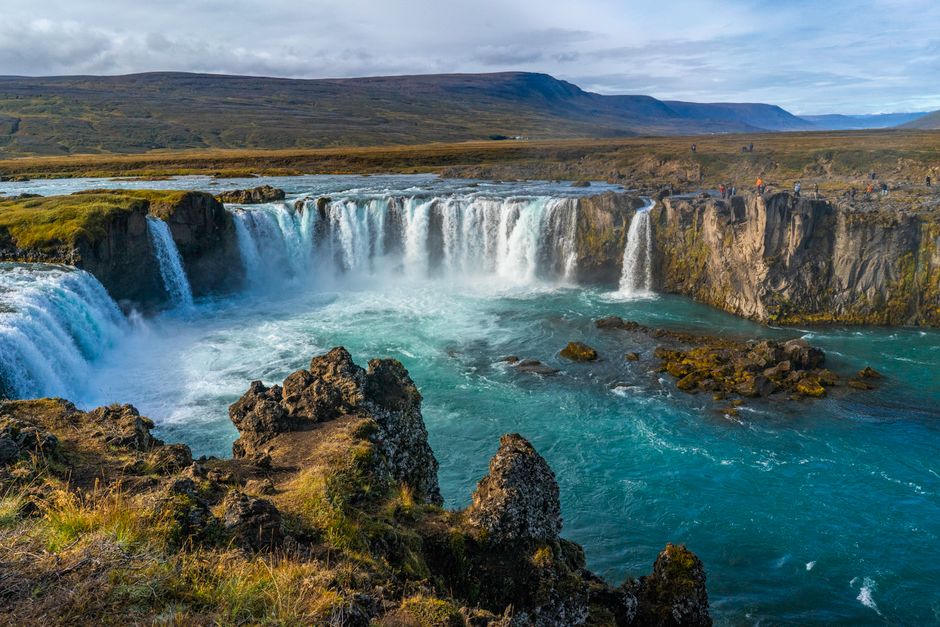
You've been scrolling Iceland retreat listings at 11pm, and something about the photos keeps pulling you back. Sun on a mountain ridge at what should be midnight. A yoga shala with floor-to-ceiling glass and no curtains, because why would you need curtains. A small group in wool sweaters drinking tea on a lava field.
You're not imagining it. June and July in Iceland deliver a kind of light most practitioners have never moved through. The sun barely sets. Your nervous system gets confused, then settles into something new. And if you time it right, you can practice asana outdoors at 1am with the same clarity you'd have at noon.
Here's what to actually expect from an Iceland yoga retreat under the midnight sun, what it costs, and how to choose one that matches your body and your budget.
Why June and July Are the Only Real Window
The midnight sun isn't a metaphor. From roughly June 17 to early July, the sun in Reykjavík dips below the horizon for only two to three hours, and even then the sky stays bright. Above the Arctic Circle, on Grímsey island, the sun doesn't set at all near the solstice.
By August, you've already lost meaningful evening light. By May, you're not quite there yet and the weather is more volatile. So when retreat operators advertise "midnight sun yoga" outside these six weeks, they're stretching the truth.
The trade-off: this is also peak Iceland tourism. Prices are highest. Flights from North America and Europe book out months ahead. Retreats sell out by March for the following June.
The honest math: if midnight sun is your reason for going, you have a narrow window. If you're flexible, September retreats with northern lights cost roughly 40% less. But that's a different article.
What the Practice Actually Looks Like in Endless Light
Your circadian rhythm will struggle for the first 48 hours. This isn't a failure of your meditation practice. It's biology. Most practitioners report waking at 3am, fully alert, wondering if they've overslept.
Good retreat hosts plan around this. The schedule usually looks something like:
- 7:00am — Pranayama and gentle morning practice (often indoors, blackout-curtained room)
- 9:00am — Breakfast, then a hike, hot spring visit, or rest
- 1:00pm — Lunch and free time
- 5:00pm — Stronger asana practice, often outdoors when weather permits
- 9:00pm — Light dinner
- 11:30pm — Optional midnight sun practice, usually yin or restorative
That last block is the one you came for. A 90-minute yin sequence on a wooden deck while the sun grazes a glacier is the kind of practice that rearranges something quietly in you. No drama, no peak experience. Just light, breath, cold air, and a sense of time stretching sideways.
If you've worked with surrender as a niyama, this is where Ishvara Pranidhana as a secular practice stops being abstract. Iceland's landscape does the heavy lifting.
Who Actually Runs These Retreats (and How to Vet Them)
Iceland has no domestic yoga teacher training scene to speak of. OYP's directory tracks 2,389 yoga teacher training schools globally, and exactly zero of the top-five country list (United States 1,280, India 181, Canada 152, Germany 75, United Kingdom 66) is Iceland. Almost every retreat there is led by a visiting teacher who flies in for the season.
This isn't bad. Some of the best teachers I've met run summer retreats in Iceland because they love the land and the light. But it does mean the quality varies wildly. A few things to check before you book:
- Who is the lead teacher, and what's their actual certification? A 200-hour from a Yoga Alliance school is the baseline. Of the 2,389 schools in the directory, 1,617 are RYS-badged and 2,220 offer the foundational 200-hour. Ask which one your teacher trained at.
- Have they led a retreat in Iceland before, or is this their first? First-timers underestimate the weather and the light disruption. Ask directly.
- Who owns the venue? Some retreats are at established yoga centers. Others rent a guesthouse for the week. Both can work, but the latter often means fewer props and less weatherproofing.
- What's the cancellation policy? Iceland weather can ground flights. Read this clause carefully.
If you're a solo woman traveling for the first time, I'd add one more filter. The safety-rated operator guide for solo female travelers applies to Iceland too, though Iceland generally ranks among the safest destinations globally.
What It Costs (the Real Number)
Let's be transparent. A week-long Iceland yoga retreat in June or July typically runs $2,400 to $4,200 per person, accommodation and meals included. Flights are extra and usually $600 to $1,100 from major US cities.
That's not in the same universe as budget retreats under $500 including flight from NYC. Iceland is one of the most expensive countries in Europe for travelers, and the midnight sun premium is real.
What you're paying for, roughly:
- Lodging: $180-$320/night per person, often in shared cabins or guesthouses
- Food: Iceland imports almost everything. Local meals run $30-$50 even at modest places
- Teacher fee: Visiting senior teachers command higher rates here
- Transport: Most retreats include airport transfer and excursions, which would otherwise cost $400+ on your own
- Hot springs access: Often built into the schedule
If the price feels steep, it's because it is. If you want a lower-cost retreat in similarly beautiful terrain, Crete in October or November or the Algarve in Portugal deliver a lot for half the cost.
What to Pack and What to Skip
Iceland in June is not warm. Daytime highs in Reykjavík average 54°F (12°C). Wind chill on a coastal hike can drop that another ten degrees. Outdoor practice without proper layers turns from grounding to suffering fast.
Bring:
- A wool base layer (merino, not synthetic)
- Waterproof shell — the kind that actually keeps rain out, not a fashion windbreaker
- Wool socks, two pairs minimum
- A heavy-duty eye mask. Your room may have blackout curtains, but the cracks of light at 2am are real
- A swimsuit. You'll use it more than your yoga clothes — hot springs are the unofficial second practice
- Melatonin or your usual sleep support, with your doctor's approval
Skip:
- Heavy yoga mat — most retreats provide them, and the weight will cost you on baggage fees
- Most of your "yoga clothes." You'll practice in leggings and a wool sweater more often than you think
- Expensive jewelry. Hot springs and silver don't mix
Who This Is and Isn't For
Iceland retreats are physical. Even gentle retreats include daily walks on uneven terrain. Hot spring soaks involve cold-water swims between pools. The light disruption taxes your nervous system in ways that take real recovery.
If you're in a chronic-fatigue phase — say, long COVID with POTS in month 6-12 or a fibromyalgia flare — this isn't the retreat for you right now. The light alone is enough to dysregulate. Pick a destination where you can rest horizontally for half the day without missing the headline experience.
If you're working through anxiety vs panic — the distinction matters, as the different-treatment guide covers — Iceland's isolation can amplify either pattern. Talk with your therapist first.
Who it is for: practitioners who've established a steady home practice, who can hold their own emotionally in a small group of strangers, and who feel a genuine pull toward landscapes that don't apologize for being strange. If you've been practicing tapas as a late-night practitioner, the midnight sun will feel like vindication. You were always meant to move at this hour.
The Three Regions Most Retreats Choose
South Coast (Vík, Skógar, Sólheimar)
Easiest to reach from Reykjavík (2-3 hours by van). Black sand beaches, waterfalls, glaciers. Most beginner-friendly retreats land here. Weather is the most volatile — bring layers.
Westfjords (Patreksfjörður, Ísafjörður)
Remote. Long drive or short flight. Fewer tourists, dramatic fjord landscapes, fewer English-speakers in the villages. Retreats here tend to be smaller (6-10 people) and more contemplative. If you want silence, this is your region.
North Iceland (Akureyri, Húsavík, Mývatn)
Closer to the Arctic Circle, so the midnight sun is more intense. Geothermal landscapes — steam vents, natural hot pools, volcanic terrain. Whale watching from Húsavík is often integrated into retreats. Worth the extra travel time.
How to Prepare the Week Before You Fly
Don't try to "pre-adjust" your sleep schedule. It doesn't work for this kind of light disruption. Instead:
- Sleep extra in the three nights before departure. Bank what you can.
- Reduce caffeine starting four days out. You'll want a clean baseline.
- Re-read your Sunday self-study questions if journaling is part of your practice. Iceland is a powerful container for svadhyaya — bring a real question with you.
- Pack your sleep tools first. Eye mask, earplugs, your usual pillow if you can fit it. Sleep is the foundation of every other practice you'll do on this trip.
And lower your expectations about productivity. You'll probably nap at strange hours. You'll cry once for no reason. You'll laugh on a hike and not remember why. That's the retreat working.
The Quiet Part No Brochure Mentions
Mind is the master, and Iceland tests that master harder than most landscapes. The light doesn't ask permission. The wind doesn't soften for your meditation. You'll have moments where the whole environment feels indifferent to you, and that indifference will start to feel like a gift.
You'll come back changed in a way that's hard to explain to people at home. Not "transformed." Just slightly rearranged. A little more spacious. A little less reactive to small things. That's worth the price of admission, if you're ready for it.
If you're not sure yet, that's information too. There's no rush.
Related Reading
- Best Yoga Retreats in the United Kingdom: A Curated Guide for 2026 — closer to home if Iceland feels like a stretch
- Yoga Retreats in Tuscany During Olive Harvest Season — for a warmer, slower autumn alternative
- How to Build a Home Yoga Practice — the foundation that makes any retreat actually land
Subscribe to the newsletter
Subscribe to my newsletter to get the latest updates and news