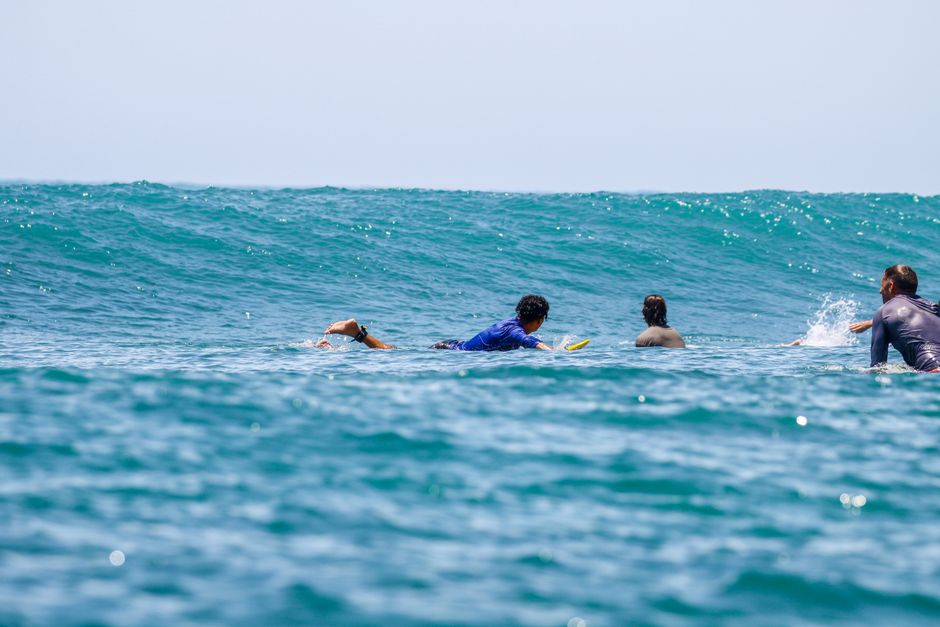
10 Reasons Why a Yoga and Surfing Retreat Is Amazing for Your Mind and Body

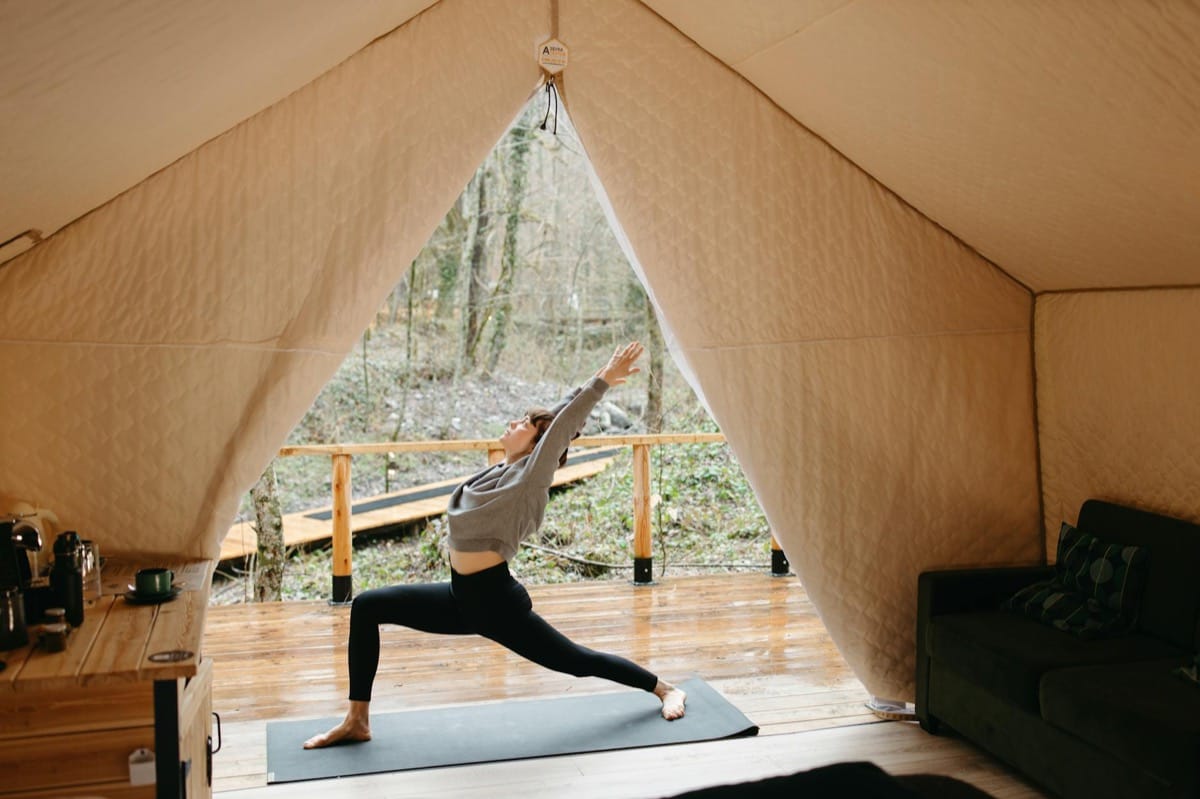
Yoga and surfing retreats blend mindfulness with ocean adventure. Here's why thousands of people return year after year.
You're scrolling through retreat options and keep coming back to yoga and surfing combinations. Maybe you've always done yoga but never surfed. Or the opposite. Either way, you're wondering if mixing them actually works—or if it's just marketing. The truth: it's one of the most effective ways to rewire your nervous system while building real strength. Most people don't realize how much yoga and surfing have in common, or how much deeper your practice becomes when you do them together.
The Core Connection: Why Yoga and Surfing Work Together
At their core, both yoga and surfing demand presence. In yoga, you move with intention and breath—the eight limbs of yoga outlined in Patanjali's Yoga Sutras start with asana (pose) paired with pranayama (breath control). Surfing demands the same thing. When you're on the water, your mind can't wander. You're reading the wave, the wind, your body's position, your breath. There's no room for distraction. That alignment between body and mind—what yogis call samadhi, or one-pointed focus—is already built into surfing. Yoga teaches you to cultivate it. A yoga and surfing retreat simply names the thing that's already happening and deepens it intentionally.
Reason 1: You Build Functional Strength Without Trying
Surfing builds strength in ways traditional gym work doesn't. You're using stabilizer muscles in your shoulders, core, and hips to balance on an unstable surface. Paddling builds shoulder and back endurance. Popping up uses explosive power through your legs and chest. Yoga in the morning prepares these exact muscles—specific poses like Chaturanga Dandasana (four-limbed staff pose), Navasana (boat pose), and Warrior III target the stabilizers that make you a better surfer. By the end of a week-long retreat, you'll notice improved balance both on the board and in standing poses. The strength is real, but you build it doing something you enjoy rather than grinding through repetitions.
Reason 2: Your Nervous System Gets Genuinely Reset
Both practices activate your parasympathetic nervous system—the rest and digest response. Yoga does this through controlled breathing and gentle movement. The ocean does this through negative ions, cold water immersion, and the rhythm of waves. When you combine them, the effect compounds. Morning yoga classes on the beach naturally incorporate ocean sounds and salt air. Evening sessions after a day in the water leave your nervous system in a deeply calm state. Studies have shown that just 20 minutes in ocean water reduces cortisol and activates the vagus nerve, the primary nerve of parasympathetic function. Add intentional breathwork and you're creating conditions for genuine rest—not just time off, but actual physiological reset.
Reason 3: You Learn Breath Control in Real Conditions
Why Pranayama Matters in Surfing
Yoga teaches pranayama—breath techniques like Ujjayi (victorious breath) and Nadi Shodhana (alternate nostril breathing). These aren't just meditation tools. They're practical skills for surfing. When you wipe out, panic tightens your chest and you hold your breath. Practiced pranayama teaches you to stay calm underwater, breathe efficiently when you surface, and recover faster. You'll also paddle longer without exhaustion because your breathing is controlled rather than frantic. Retreats typically teach pranayama in morning sessions, then you immediately apply it in the water. You're not learning theory—you're drilling survival skills while also deepening your meditation practice.
Reason 4: The Community Element Reduces Isolation
Yoga retreats attract people seeking depth. Surfing attracts people seeking adventure and connection. Combine them and you get a community built on shared vulnerability. You're learning together, failing together, cheering for each other in the water. Most yoga and surfing retreats run 5-7 days with group meals, shared accommodations, and evening gatherings. This isn't a luxury spa where you're isolated in your room. You're with 10-30 other people doing something challenging. By day three, you know these people. By day seven, you're exchanging contact info and planning your next trip. For many people, this social reset—genuine connection without the performance of home—is as valuable as the practice itself.
Reason 5: Your Yoga Practice Deepens Through Practical Application
Yoga philosophy talks about the yamas—ethical guidelines including ahimsa (non-harming). In a retreat setting, this becomes concrete. You're practicing non-judgment when someone can't pop up on the board. You're practicing santosha (contentment) when the swell isn't ideal. You're practicing aparigraha (non-grasping) when you let go of the urge to force a wave. These concepts are real, not abstract. They show up in the water and in the mirror during evening yoga. Many practitioners say their sitting meditation deepens after a yoga and surfing retreat because they've lived the philosophy, not just read about it.
Reason 6: You Get Results Faster Than Yoga Alone
Traditional yoga retreats focus on asana, philosophy, and meditation over 3-7 days. By day four, you're solid in your practice but not transformed. Surfing accelerates this. The physical challenge of surfing creates what neuroscientists call neuroplasticity—your brain is actively rewiring under conditions of challenge and reward. When you combine this with yoga's systematic approach to breath and mind, your nervous system reorganizes faster. Many retreats show measurable improvements: better sleep from day two onward, noticeable shoulder mobility shifts by day four, significant improvements in balance and proprioception by day six. The timeline is compressed because you're engaging multiple systems—muscular, cardiovascular, neurological, and psychological—simultaneously.
Reason 7: You Leave With a Sustainable Practice
Home yoga routines often fizzle. Surfing communities are local and seasonal. But a yoga and surfing retreat habit is sustainable because it's flexible. You can do yoga daily. You can surf when conditions allow. You don't need both simultaneously—the retreat simply showed you how they fit together. Many people return home and establish morning yoga practices because they've felt the difference in the water. Others keep surfing but add yoga on days they don't surf. Some join local yoga studios and seek out beach towns. The retreat becomes the spark for a lifestyle, not a one-time experience.
Reason 8: The Skill Progression Keeps You Engaged
Unlike a passive retreat, there's constant progression. In surfing, you move from paddling to popping up to catching waves to controlling your line. In yoga, you progress from basic poses to deeper variations. Most well-designed retreats scaffold this. You start in beginner-friendly waves, progress to slightly more challenging breaks, and by day five you're hunting for good conditions with growing confidence. Yoga sequences build similarly—easier flows early in the week, more challenging alignments by the end. This progression keeps your brain engaged. You're not just relaxing; you're learning tangible skills. For many people, this is more satisfying than a passive resort experience.
Reason 9: You'll Sleep Deeper Than You Have in Years
This isn't metaphorical. The combination of physical exertion from surfing, parasympathetic activation from yoga, and the circadian rhythm reset from ocean time creates ideal sleep conditions. Most people report falling asleep before their heads hit the pillow by night two. Sleep quality improves measurably—deep sleep phases lengthen, REM sleep becomes more regular. This is because you've exhausted your muscles, calmed your nervous system, and synchronized your body clock with natural light and ocean rhythms. That sleep quality often persists for weeks after the retreat. Better sleep means better mood, clearer thinking, stronger immunity—the whole cascade that follows genuine rest.
Reason 10: You Get Clarity About What You Actually Want
This is the quietest benefit, but often the most important. Away from work email, social media, and daily obligations, with a calm nervous system and a tired body, your mind settles. Real thoughts emerge. Should you change careers? Is this relationship working? Do you want to move? What's actually important to you? Yoga philosophy calls this buddhi—discriminative wisdom that arises in stillness. Most people book these retreats thinking they want fitness or relaxation. What they actually get is permission to think clearly about their lives. Many people return home with specific decisions made, not because the retreat told them what to do, but because they finally had the space to listen to themselves.
What to Look For in a Yoga and Surfing Retreat
Not all yoga and surfing retreats are equal. Look for instructors who know both practices deeply—many yoga teachers dabble in surfing, and vice versa, but few truly understand the philosophy of both. Check that the yoga instructor is trained through a reputable program (Yoga Alliance 200-hour minimum) and that the surfing instructor has real teaching experience, not just personal skill. Read reviews specifically about the balance—some retreats lean heavily toward yoga with token surfing, others are mostly surfing with light yoga. Decide which balance appeals to you. Cost typically ranges from $1,200-$3,500 for a week depending on location and accommodations. Coastal areas like Costa Rica, Mexico's Pacific coast, and Bali offer excellent options with established retreat centers. Quality retreats include meals, instruction, accommodations, and ground transfers—read the fine print to confirm what's included.
Before You Book: Honest Prerequisites
You don't need prior surfing experience—most retreats accommodate complete beginners. You should be reasonably comfortable in water and willing to get knocked down occasionally. You don't need advanced yoga knowledge either, though basic comfort with movement helps. What you do need is genuine willingness to be uncomfortable. You'll fall off the board. Your muscles will be sore. You might feel emotionally raw when your defenses come down. The magic happens in that discomfort, not despite it. If you're looking for a luxurious escape without challenge, this isn't it. If you're ready for genuine change—quieter mind, stronger body, clearer direction—it absolutely is.
The real reason yoga and surfing retreats are amazing is simple: they work. They work because they address the whole person—body, breath, nervous system, mind, and spirit. You don't get that from yoga alone or surfing alone. You get it from the specific alchemy of both, done together, away from home, with skilled teachers and honest community. Book one with realistic expectations and you'll understand why people return again and again.
Related Reading
how to pick your next yoga retreat
yoga and surfing retreats in Costa Rica
benefits of daily yoga practice
LEARN WITH BE WELL ACADEMY
Yoga for Surfers
Suzanne Borovcova built this course specifically for surfers — focusing on hip mobility, shoulder stability, spinal rotation, and the breathwork that keeps you calm when a set catches you off guard. Train on land. Surf better in the water.
Explore the Course →$119 · One-time · Lifetime access
Subscribe to the newsletter
Subscribe to my newsletter to get the latest updates and news