10 Benefits of Daily Yoga Practice: Physical, Mental, and Spiritual Gains

Daily yoga builds measurable changes—stronger muscles, better flexibility, quieter mind. Real benefits from consistent practice, not marketing hype.
You practice yoga, or you're thinking about starting, and somewhere in the back of your mind is a question: what's actually going to change if I do this every day? Not the Instagram version of change. The real one. The kind where you notice your shoulders don't live in your ears anymore, or you can finally touch your toes, or the constant hum of anxiety quiets down enough that you can sleep. That's what this article is about.
Daily yoga practice builds measurable changes in your body and mind—not because of marketing, but because of how consistent movement, breath work, and stillness actually work on your nervous system, muscles, and mental clarity. The benefits aren't mystical. They're physiological, psychological, and sometimes spiritual. And they're real.
1. Increased Flexibility and Range of Motion
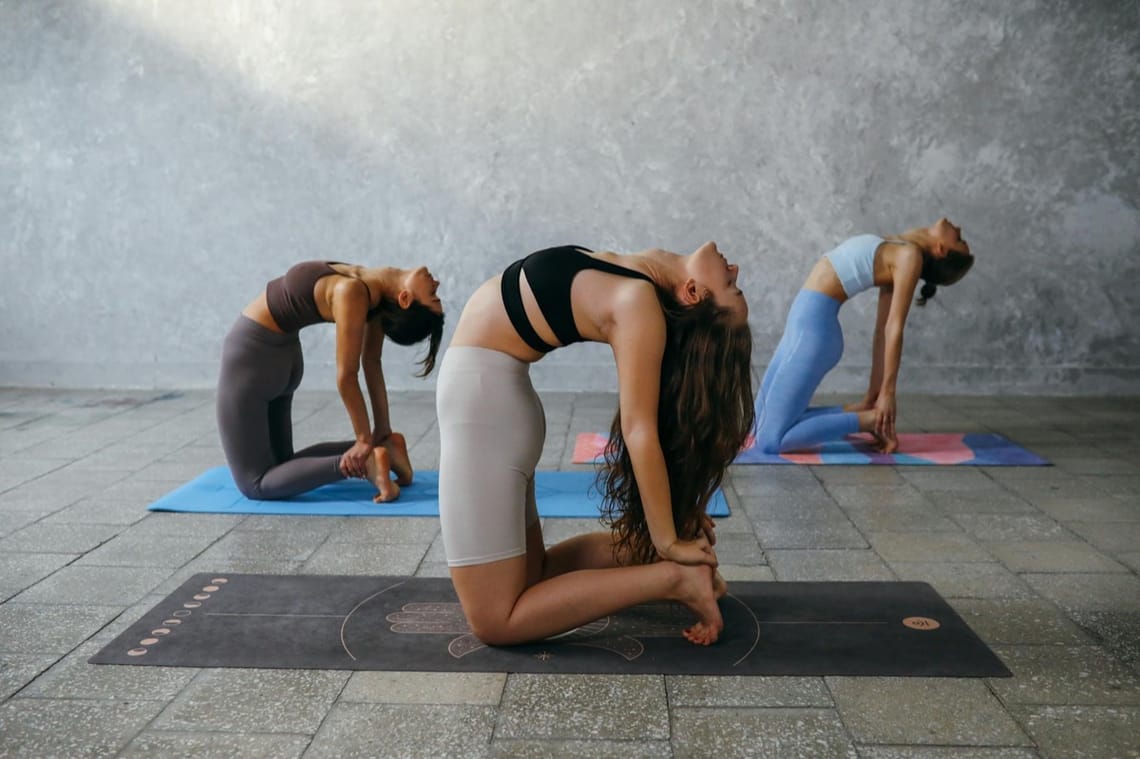
This is the most obvious benefit and also the one most people underestimate. When you practice asana daily, you're not just stretching muscles—you're working with fascia, the connective tissue that wraps every muscle fiber. Fascia tightens when you're sedentary or stressed. Yoga releases it.
Within two to four weeks of consistent practice, you'll notice changes. Your forward folds deepen. Your hips open. You can rotate your spine without that locked feeling. If you're over 40, this becomes particularly important—flexibility doesn't maintain itself, and daily practice is the most sustainable way to keep it. Poses like Uttanasana (forward fold), Pigeon Pose, and Anjaneyasana (low lunge) target the tight spots most of us share: hamstrings, hip flexors, shoulders.
2. Stronger Muscles and Improved Posture
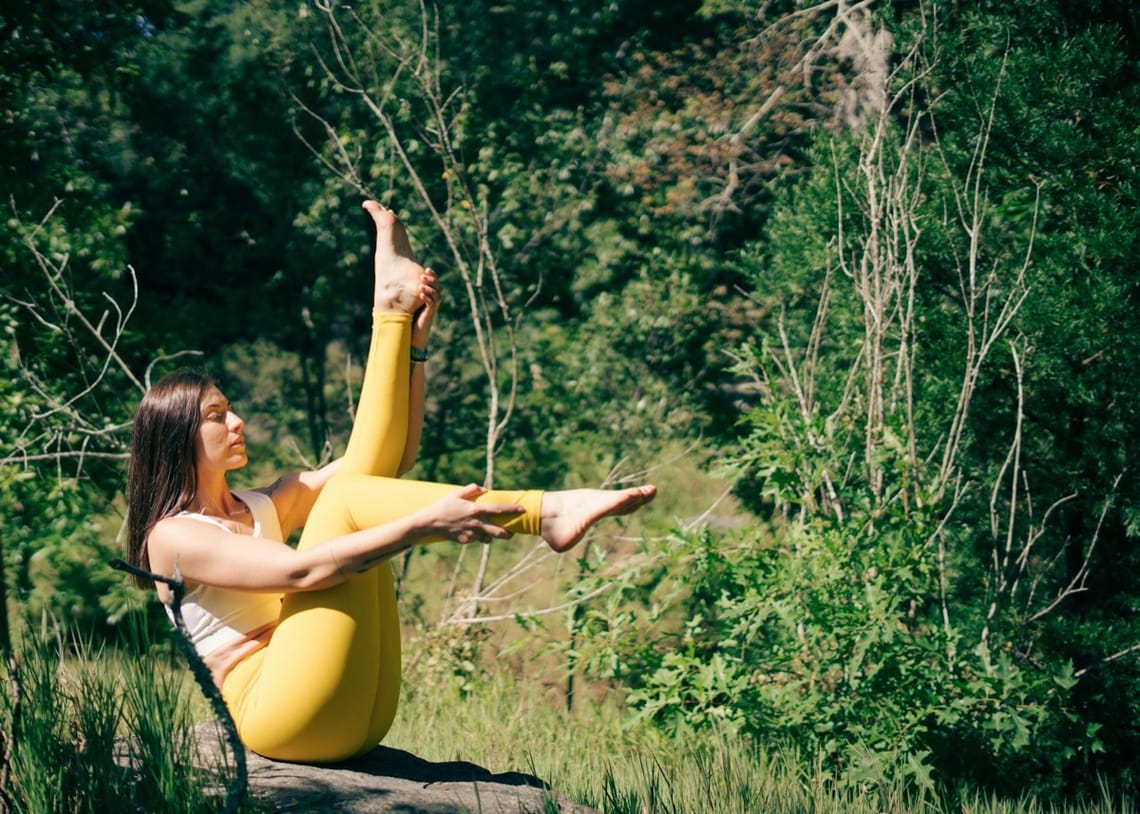
Yoga is not cardio, but it is strength training. Vinyasa flows, chair pose holds, chaturangas, and arm balances build functional strength—the kind you actually use in daily life, not the kind that only works in the gym.
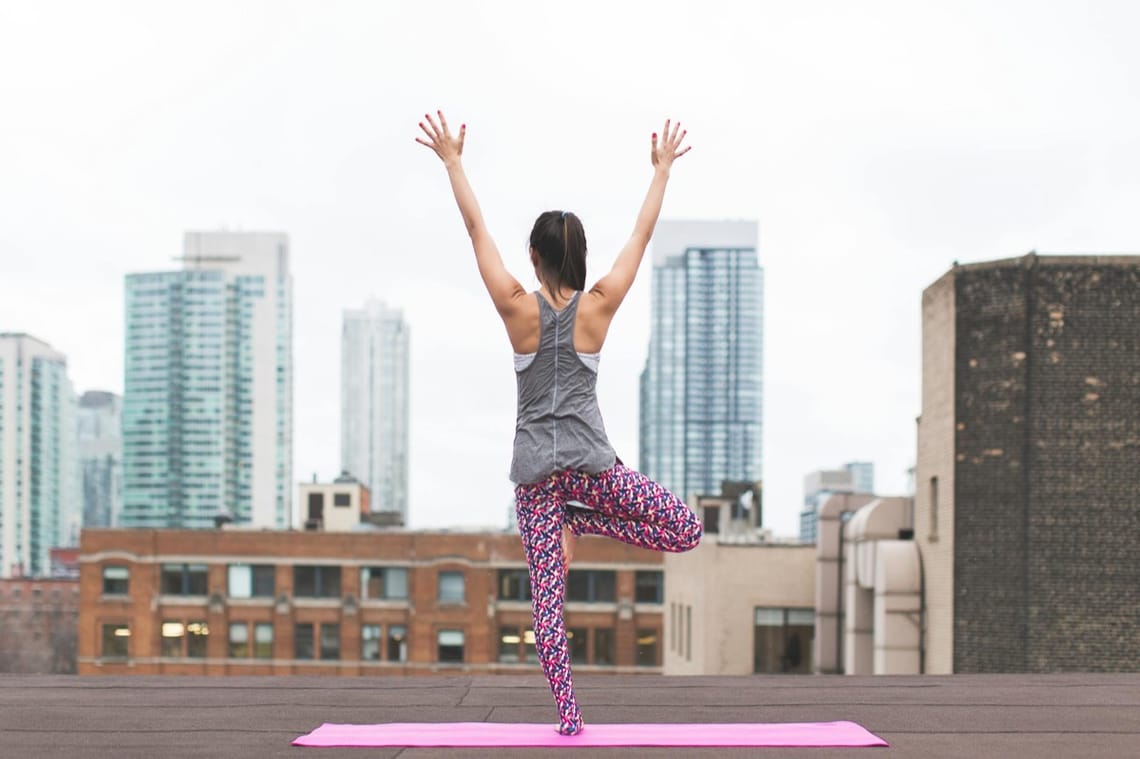
More importantly, yoga strengthens the deep stabilizer muscles that support your spine. These are the muscles that keep your posture upright when you're hunched over a desk. Daily practice trains these muscles to engage automatically. After weeks of practice, you'll find yourself sitting taller without thinking about it. Your core feels more solid. Your back doesn't ache by 3 p.m. This is real functional improvement, not aesthetic alone.
3. Reduced Stress and Anxiety
Here's where the nervous system science matters. Yoga activates your parasympathetic nervous system—the rest-and-digest side that most of us neglect in favor of constant sympathetic (fight-or-flight) activation. Pranayama (breath work), gentle stretching, and the meditative aspect of practice all signal to your body that you're safe.
Cortisol levels drop with regular practice. Your heart rate variability improves, which means your nervous system becomes more resilient. Studies show that even 20 minutes of daily yoga reduces anxiety symptoms measurably. If you practice Yin or Restorative yoga—slower, longer-held poses—the effect is even more pronounced because you're spending extended time in parasympathetic activation. This isn't a temporary fix. Daily practice rewires your baseline stress response.
4. Better Sleep Quality
Insomnia and shallow sleep often trace back to an overactive nervous system. You lie in bed and your mind won't stop. Your body feels restless. Yoga addresses both.
A regular practice, especially one that includes restorative poses and pranayama techniques like Nadi Shodhana (alternate nostril breathing) or Sama Vritti (equal-ratio breathing), prepares your nervous system for sleep. You're literally training your body to transition into parasympathetic dominance at night. Many people who add daily yoga report falling asleep faster and waking fewer times during the night. The quality of sleep deepens because your nervous system isn't running on high alert.
5. Enhanced Mental Clarity and Focus
Daily practice sharpens attention in a way that's different from caffeine. When you're on your mat, you're training proprioception—awareness of your body in space—which demands present-moment attention. You can't do Warrior III while checking your phone. The practice forces you into now.
This state of focused attention carries off the mat. After weeks of daily practice, many people notice they're less scattered at work. They can concentrate for longer stretches. Distractions feel less compelling. This isn't just feeling calmer—it's actual cognitive improvement that comes from training attention like a muscle.
6. Better Breathing Habits and Lung Capacity
Most people are chronic shallow breathers. Your breath lives in your chest, not your belly. You don't fully oxygenate your lungs. Yoga rewires this.
Through pranayama and the deliberate breath awareness built into asana practice, you learn to breathe diaphragmatically again—the way you breathed as an infant. This alone increases oxygen intake and blood oxygen saturation. Over time, your lung capacity improves. You recover faster from exertion. You feel less winded climbing stairs. The Niyamas teach Tapas (discipline), and consistent pranayama practice is one of the most direct applications: you're disciplining your breath to be deeper, fuller, more conscious.
7. Improved Heart Health and Lower Blood Pressure
Regular yoga practice lowers blood pressure and improves cardiovascular function. The combination of gentle movement, parasympathetic activation, and stress reduction creates measurable cardiac benefits. Research published in the American Journal of Hypertension found that people with hypertension who practiced yoga regularly for eight weeks showed significant reductions in systolic and diastolic blood pressure.
This isn't gentle yoga only. Vinyasa flows, which elevate your heart rate, also build cardiac strength. The key is consistency—daily practice, even 20 to 30 minutes, delivers better cardiovascular outcomes than sporadic longer sessions. If you're managing hypertension or cardiac risk, check with your doctor, but yoga is a legitimate part of heart health.
8. Stronger Immune Function
The immune system lives in your nervous system. When you're chronically stressed, immune function drops. When you're in parasympathetic activation, your body can allocate resources to immunity.
Daily yoga, particularly practices that balance activity and rest, supports immune resilience. Your body isn't constantly fighting a stress response, so it has resources to fight actual pathogens. Lymphatic circulation improves with movement and inversion poses like Shoulderstand or Legs-Up-the-Wall. You won't get sick less often overnight, but consistent practitioners often report catching fewer colds and recovering faster when they do get ill.
9. Emotional Regulation and Stability
Yoga, through the framework of the Yamas and Niyamas, cultivates emotional steadiness. These eight ethical principles teach you how to show up in the world with less reactivity. But the somatic part matters too: your emotions live in your body, not just your mind.
When you hold a challenging pose, you practice tolerating discomfort without panicking. When you breathe through frustration on the mat, you're building capacity to do the same off the mat. Daily practice rewires your emotional response patterns. You become less reactive to small irritations. You can hold space for bigger emotions without being overwhelmed by them. This is the Yama of Ahimsa (non-violence) applied inward—you're learning not to harm yourself with reactivity.
10. A Deeper Connection to Purpose and Meaning
This benefit is harder to quantify, but real practitioners feel it. Yoga is not just physical. The Yoga Sutras define yoga as chitta vritti nirodhah—the cessation of the fluctuations of the mind. When you practice daily, you're creating space between your thoughts and your reactions. You're meeting yourself more honestly.
Over time, this clarity often leads to clearer values. You start making choices aligned with what matters to you, not what anxiety or habit dictates. You notice what drains you and what energizes you. You become more intentional. This isn't spiritual bypassing—it's spiritual grounding. It's practical wisdom that shows up as better life decisions, stronger relationships, and a quieter mind.
How Long Until You Notice Real Changes?
Physical changes: two to four weeks. Flexibility increases, you feel stronger in poses, your body feels less stiff.
Mental changes: three to four weeks. Sleep deepens, stress feels more manageable, focus sharpens.
Deeper changes: eight weeks and beyond. Emotional patterns shift, your baseline anxiety lowers, you feel more stable, relationships improve.
The timeline depends on frequency and consistency. Daily practice beats three times a week. Twenty minutes of genuine practice beats one hour of distracted practice. The nervous system responds to regularity, not duration.
Making Daily Practice Sustainable
The real benefit of daily yoga only arrives if you actually do it daily. That means designing a practice that fits your life. Ninety minutes of hot vinyasa looks good, but if you only show up twice a month, it won't deliver. Twenty minutes of yoga you actually do every day will.
Start with what you'll sustain. A simple morning flow. An evening wind-down practice. A lunch-break reset. Pick a time your body wakes up or winds down naturally. Set it in your calendar like any other commitment. The benefits are tied to consistency, not intensity. Your nervous system learns from repetition.
The changes you're hoping for—the ones that feel real and sustainable—come from showing up on the mat when you don't feel like it as much as when you do. That's not poetic. That's how nervous system rewiring works. Daily practice means you catch the quiet moments when change is happening, not the Instagram highlight reel, but the actual shift in how you move, breathe, and show up in your life.
Astrology and yoga share deep roots in the same spiritual traditions. For the astrological perspective, explore Online Astrology Planet.
Go Deeper
Compare real programs in the OYP YTT Database:
Related programs in our directory:
- an alignment-focused yoga school in Boulder — 4.98★ · 171 reviews
- a wellness-oriented yoga center in Massachusetts — 4.87★ · 1602 reviews
Related Reading
Subscribe to the newsletter
Subscribe to my newsletter to get the latest updates and news