
200-Hour Yoga Teacher Training in Ubud with Accommodation Under $3,000
You've been pricing out yoga teacher trainings for weeks now. Every spreadsheet tab tells the same story: the tuition looks reasonable until you add accommodation, food, transport, and the surprise fees nobody mentions on the landing page. Suddenly that "affordable" 200-hour in Ubud has crept past $4,500, and you're wondering if certification was meant for people with savings cushions you don't have.
Here's the good news. A genuine, Yoga Alliance-recognized 200-hour YTT in Ubud with accommodation included for under $3,000 still exists in 2026. You just have to know what to look for, what's a red flag, and what you can quietly let go of without sacrificing the quality of your training.
Let's walk through it together.
Why Ubud Still Makes Sense for a Budget-Conscious 200-Hour
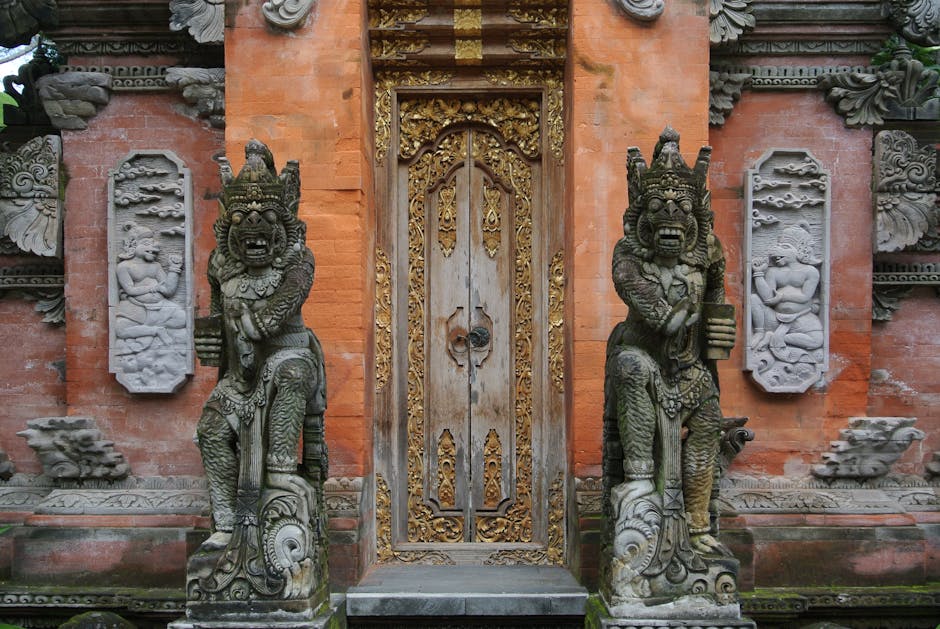
Ubud earned its reputation honestly. The town sits in Bali's central highlands, surrounded by rice terraces, river gorges, and a community of teachers who've been holding space for decades. There's an ecosystem here that newer YTT destinations simply don't have yet.
According to OYP's directory of 2,389 yoga teacher training schools globally, Indonesia ranks among the top destinations students actively search for. Of those 2,389 schools, 2,220 offer the foundational RYS-200 program, and a significant cluster of those Indonesian options are concentrated in Ubud. That density matters. It means competition keeps prices honest and quality reasonably high.
The cost of living also still works in your favor. A nasi campur lunch runs $2-3. A scooter rental for a month runs $60-80. You can eat well, move easily, and live simply without the constant low-grade money stress that follows you around in Europe or North America.
If you're still weighing destinations, our comparison of India vs Bali for yoga immersions and Bali vs Thailand can help you sort which environment matches your nervous system.
What Under $3,000 Actually Buys You
Let's be transparent about what this budget gets you and what it doesn't. Schools advertising 200-hour Ubud trainings in the $2,400-$2,950 range with accommodation typically include:
- Shared accommodation — usually a twin room with a fan, occasionally air conditioning. Private rooms add $400-700.
- Two meals per day — vegetarian, often vegan, served family-style. Breakfast and lunch most commonly. Dinners are on you.
- All training hours — typically 200+ contact hours over 22-26 days.
- Manual and printed materials — your reference for the rest of your teaching life.
- Yoga Alliance certification fee — sometimes. Always ask.
- Cultural excursions — a temple visit, a waterfall hike, a closing ceremony.
What's almost never included: flights, visa, travel insurance, the Yoga Alliance personal registration ($50/year for students plus $115 application), additional therapies, and that scooter you'll absolutely want.
Build your real budget by adding $400-600 for personal expenses across a month, plus your flight. If you fly from the US East Coast, expect $900-1,400 round-trip. From Europe, $700-1,100. From Australia, $400-700.
How to Vet a School Before You Wire Anything
Cheap doesn't mean compromised, but cheap also doesn't automatically mean honest. Here's how to separate the schools quietly doing good work from the ones cutting corners you can't see from a website.
Check the Yoga Alliance Registration Yourself
Don't trust the badge on the school's website. Go to yogaalliance.org, search the school name, and verify the RYS-200 designation is current. Of the 2,389 schools in OYP's directory, 1,617 are actively Yoga Alliance accredited. Most legitimate Ubud schools are. The few that aren't usually have a reason worth investigating.
Read the Reviews That Aren't on Their Website
Search the school name on Google, Reddit, and Facebook groups for yoga teachers. Look for patterns. A few negative reviews are normal. The same complaint appearing across five different sources is a signal. Pay attention to comments about lead teacher availability, accommodation cleanliness, and how complaints were handled.
Ask About Lead Teacher Hours
This is the single most important question and almost nobody asks it. How many hours will the lead teacher (the one in the marketing photos) actually teach? In some budget programs, they show up for the opening ceremony and one weekend. The rest is handled by junior facilitators. That's not necessarily bad, but you deserve to know before you pay.
Our piece on what to look for in a YTT in 2026 goes deeper into vetting questions, and what's actually included in yoga teacher training breaks down the curriculum side.
Confirm the Daily Schedule
A real 200-hour packs roughly 8-10 hours of contact time per day across 22-26 days. If the schedule looks suspiciously light, the school may be padding the hours with self-study or "integration time" that won't hold up under scrutiny if you ever pursue advanced credentials later.
What a Solid 200-Hour Curriculum Actually Covers
A foundational training in Ubud should give you the same core competencies you'd get anywhere else, plus the texture of practicing in a place where yoga is woven into daily Balinese life. Expect these pillars:
- Asana practice and methodology — typically Hatha and Vinyasa, sometimes with Yin or restorative modules. You'll practice, then learn to teach what you practice.
- Anatomy and biomechanics — including the three planes of movement and how to cue safely.
- Pranayama and meditation — daily, not as an afterthought. Our breakdown of pranayama as breath awareness is a good primer if you want to walk in prepared.
- Yoga philosophy — Patanjali's Sutras, the Bhagavad Gita, the eight limbs. Look for schools that engage with the philosophy as living practice, not historical trivia.
- Teaching methodology — sequencing, cueing, hands-on adjustments (with consent culture), classroom management, how to hold space.
- Practicum — you should teach. Multiple times. To real humans who give you feedback.
If you're new to philosophy, getting familiar with concepts like the yamas and satya before you arrive will free up bandwidth for the harder material once training begins.
Accommodation Realities: What Shared Living Actually Looks Like
Most under-$3,000 programs put you in shared accommodation, and this is where some students struggle more than they expected. You're tired, your body is sore, you're processing a lot, and you're sharing a room with someone whose sleep schedule may not match yours.
This isn't a deal-breaker. It's something to prepare for.
Bring earplugs and an eye mask. Bring a sarong you can hang as a privacy curtain. Have a quiet conversation with your roommate on day one about quiet hours and shared bathroom logistics. Most conflicts come from unspoken assumptions, not incompatibility.
The accommodations themselves vary. Some are traditional Balinese homestays with open-air bathrooms and gecko roommates. Some are modern guesthouses with pools. Some are converted family compounds where you'll eat with the owner's grandmother. Ask for specific photos of your room type, not just the property.
One small note: rural Ubud means insects, occasional power blips, and humidity that will rust anything metal you brought. Pack accordingly.
Hidden Costs Nobody Mentions and How to Plan for Them
Here's the part most blog posts skip. The training fee is one number. Your actual outflow is another. Plan for these:
- Visa. Indonesia's visa-on-arrival is 30 days, extendable once for another 30. Budget $35 for arrival, $50-80 for the extension if your training crosses the threshold.
- Travel insurance. Non-negotiable. World Nomads or SafetyWing run $40-90 per month.
- Scooter rental and gas. $60-80/month plus $15-25 for fuel.
- Dinners and snacks. $8-15/day if you eat at warungs.
- Massage and bodywork. You'll want it. Budget $10-15 per session, two or three times a month.
- Mat and props. Some schools provide, some don't. A travel mat is wise either way. Our yoga mat guide covers what holds up in humidity.
- SIM card and data. $8-12 for the month.
- Yoga Alliance registration. After graduation, $115 application plus $65 annual.
Add it all up and your real cost for a sub-$3,000 training in Ubud lands closer to $4,200-4,800 all in, including a moderately priced flight. That's still meaningfully cheaper than equivalent programs in the US, where the same certification often runs $3,500-5,500 in tuition alone.
Making the Decision Without Burning Out Before You Arrive
If you've read this far, you're probably ready. The last hurdle is usually internal, not financial. The doubt that whispers am I really going to do this.
A few grounding thoughts.
You don't need a perfect practice to start training. Most YTT students arrive with two to four years of consistent practice, some bodyweight strength, and gaps in flexibility they think disqualify them. They don't. The training itself fills those gaps.
You don't need to know what kind of teacher you'll become. Some students arrive sure they'll teach Vinyasa and leave drawn to restorative or yoga nidra. The training reveals you to yourself. Trust that.
You don't need to teach to make the training worth it. Many graduates use their 200-hour to deepen personal practice, support a career pivot later, or simply to spend a month with their attention turned inward. That's enough.
If a 200-hour feels like more than you're ready for right now, our breakdown of 200-hour vs 300-hour and our look at 14-day Indonesian retreats offer gentler entry points.
When to Book and When to Wait
Ubud's high seasons (June-August, December-January) book out four to six months ahead and run the highest prices. Shoulder seasons (March-May, September-November) often have last-minute openings at the under-$3,000 tier and slightly fewer crowds at the temples and warungs.
Rainy season (roughly December through March) means daily afternoon downpours, but mornings stay clear and prices soften. If you don't mind a drenched scooter ride now and then, this is the budget sweet spot.
Ask the school about cancellation and rescheduling policies before paying your deposit. Reputable schools offer credit toward future trainings if you need to postpone. Schools that demand non-refundable deposits with no flexibility are telling you something about how they handle the rest of the relationship.
Pay your deposit by credit card if possible. It's a layer of protection wire transfers don't give you.
The Quiet Part Most Schools Won't Say
The certification is the smallest part of what you'll take home. The bigger thing is what happens to your nervous system across 26 days of practice, study, community, and silence. You'll meet teachers who reshape how you think about your body. You'll meet trainees who become friends for life. You'll meet a version of yourself that's been waiting underneath the noise.
That part isn't on the price sheet. It also isn't guaranteed by paying more.
Mind is the master. The training you can afford, taught by people who care, in a place that holds you, will give you what you came for. Spending more doesn't accelerate the work. It just rearranges the surroundings.
If you're ready to start short-listing schools, make a spreadsheet with these columns: total cost, lead teacher contact hours, accommodation type, dietary options, Yoga Alliance verification status, cancellation policy, and a column for the gut feeling you got when they replied to your first email. That last column matters more than people think.
Related Reading
- Yoga Teacher Training in Ubud Bali Under $2,500 for 2026
- Best Yoga Retreats in Indonesia: A Curated Guide for 2026
- Can You Make a Living Teaching Yoga? The Honest Answer
If something here resonated, take it with you. Sit with it. The right training tends to find you when you stop chasing and start listening.
Subscribe to the newsletter
Subscribe to my newsletter to get the latest updates and news


