Best Online Yoga Philosophy Courses: Go Beyond the Mat

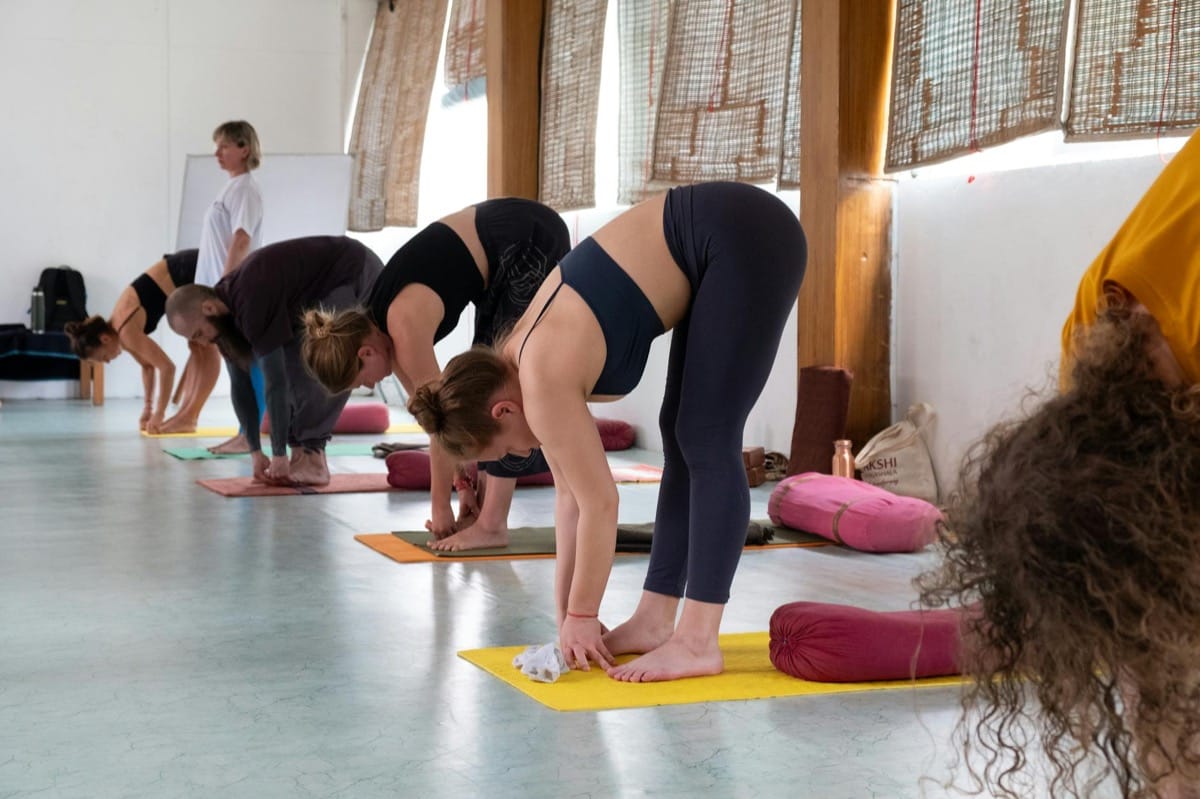
Ready to understand what yoga actually means? Here's where to study philosophy online—no studio required.
You've been doing downward dog for years. Maybe you're thinking about teaching. And somewhere along the way, you realized that yoga's real depth isn't in how flexible you are—it's in understanding *why* these practices exist. That's where yoga philosophy comes in. It's the framework that makes sense of everything else.
Most online yoga classes focus on asana. They don't dig into the eight limbs, or what the Yoga Sutras actually say, or the difference between samadhi and just feeling nice on your mat. If you want that foundation—whether for teaching, deepening your own practice, or pure curiosity—a dedicated philosophy course changes everything.
Why Yoga Philosophy Actually Matters
Yoga philosophy isn't abstract. It's practical guidance wrapped in 2,500 years of tested wisdom. When you understand the Yamas and Niyamas (ethical foundations), you're not just memorizing Sanskrit terms. You're looking at how to actually live. When you study the Yoga Sutras, you're learning what the ancient teachers said about the mind—insights that feel oddly current.
For yoga teachers especially, philosophy knowledge is essential. The Yoga Alliance (which accredits most legitimate programs) requires 200-hour teacher trainings to include 30 hours of philosophy and related topics. But even if you're not teaching, understanding philosophy deepens your own practice. It answers the question: what am I actually doing here?
What to Look For in an Online Philosophy Course
Accreditation and Credentials Matter
Not all online yoga courses are created equal. If you're taking a philosophy course as part of teacher training, make sure your program is registered with Yoga Alliance. The organization maintains standards that actually mean something. Look for RYT (Registered Yoga Teacher) accreditation or IAYT (International Association of Yoga Therapists) if you're interested in therapeutic applications.
Real Texts vs. Watered-Down Summaries
You want courses that work directly with primary texts—the Yoga Sutras, Bhagavad Gita, Upanishads, Hatha Yoga Pradipika. Not courses that just reference them. When an instructor teaches from actual translations and digs into specific sutras, you're getting real education. Generic 'yoga wisdom' courses are less valuable than ones with actual Sanskrit study and text analysis.
Instructor Background
Check who's teaching. Do they have their own teacher lineage? Are they scholars, not just yoga personalities? Look for instructors who've studied with recognized teachers or have formal training in philosophy—not just yoga experience. A good philosophy teacher will cite sources, acknowledge different interpretations, and admit when Sanskrit meanings are debated.
Depth and Duration
Philosophy deserves time. A solid course is at least 20-40 hours of material. Anything shorter is likely surface-level. Longer programs (60+ hours) give space for deep dives into texts, discussion, and integration. Self-paced options are great if you're busy, but check that deadlines exist—some structure helps actual learning happen.
Top Online Yoga Philosophy Courses
Yoga Alliance Registered 200-Hour Teacher Trainings with Philosophy Focus
If you're training to teach, many Yoga Alliance-registered online programs integrate philosophy excellently. Programs like Yoga Basics, Yoga Works, and Alo Moves Yoga Teacher Foundations include 30+ hours of philosophy as part of their accredited training. These cost $1,200–$3,500 depending on the program. The advantage: you're getting philosophy plus teaching methodology. The philosophy section covers the eight limbs, Yoga Sutras, ethics, and sometimes Sanskrit.
Dedicated Philosophy Courses Outside Teacher Training
If you already teach or just want depth without full certification, standalone philosophy courses exist. Bastyr University's Online Yoga for Health program includes philosophy modules. The Yoga Sutras Project (various instructors offer versions online) focuses entirely on one text. These are often $200–$800 for shorter courses, $1,000+ for comprehensive programs.
University-Level Yoga Philosophy
Some universities offer online yoga philosophy through continuing education or regular coursework. CalArts, UC Berkeley Extension, and others occasionally run online Sanskrit or yoga studies courses. These are scholarly, rigorous, and often inexpensive ($300–$600). They won't give yoga certifications, but if you want academic credibility, this is solid.
Traditional Lineage-Based Programs
Teachers from specific lineages (Iyengar, Ashtanga, Kundalini, Vedanta) often offer philosophy courses rooted in their tradition's approach. These tend to be specialized. For example, some Vedanta-focused teachers offer online courses ($400–$1,200) that center on Advaita philosophy and non-dualism. Lineage courses give you contextualized learning within a particular school of thought.
What You'll Actually Learn
The Eight Limbs of Yoga (Ashtanga)
This is foundational. The Yamas (restraints) and Niyamas (observances) are ethical guidelines. Then asana, pranayama, pratyahara, dharana, dhyana, and samadhi. Every course touches this. Understanding that yoga's goal isn't flexibility but mental clarity changes how you practice entirely.
The Yoga Sutras Deep Dive
Patanjali's 196 aphorisms are dense. A good course breaks them into digestible sections. You'll learn what 'yoga chitta vritti nirodhah' (yoga is the cessation of mental fluctuations) means and why it matters. Most courses cover all four chapters across several weeks or modules.
Sanskrit Basics
Many philosophy courses include introductory Sanskrit—enough to recognize word roots and understand terms without needing fluency. This isn't required, but it deepens everything. You'll see how philosophy and language are inseparable.
Historical Context and Schools of Thought
Good courses explain *when* texts were written and *why*. You'll learn that yoga philosophy has many schools—some emphasize devotion, others knowledge, others physical practice. Understanding these differences prevents oversimplification.
How to Choose the Right Course for You
Ask yourself: Are you training to teach? If yes, choose a Yoga Alliance-registered program with integrated philosophy. Want depth without certification? Look for dedicated philosophy courses. Prefer academic rigor? University options work. Drawn to a particular lineage? Seek teachers from that tradition.
Check course reviews on Yoga Alliance's site, read instructor bios carefully, and don't hesitate to email with questions. A good philosophy instructor welcomes curiosity. Watch sample videos if available. Does the teaching style click? Philosophy is personal—your teacher's approach matters.
Budget $500–$3,000 depending on depth and accreditation. Shorter courses run $200–$600. Full teacher trainings with philosophy run $2,000+. Free resources (podcasts, YouTube) exist but aren't substitutes for structured learning. You get what you invest.
Making Philosophy Stick
Studying philosophy alone isn't enough. Real learning happens when you integrate it. Keep a sutras journal. Notice ethical choices (Yamas and Niyamas) in your daily life. Practice meditation specifically to observe your own mental patterns. Read assigned texts multiple times—understanding deepens on rereads.
Online courses require self-discipline. Set a weekly study time. Participate in any live sessions or forums. If the course allows, find a study buddy. Teaching what you're learning (to friends, in your yoga classes) forces clarity.
The Practical Payoff
Here's what actually happens when you study yoga philosophy: Your own practice becomes less about looking good and more about understanding your mind. You teach (if you teach) from grounded knowledge, not Instagram posts. You recognize that yoga's real power isn't in touching your toes. You make clearer choices guided by Yama and Niyama principles. You realize the ancient teachers had useful things to say about how to live.
An online philosophy course is an investment in understanding yourself and a tradition that's been refined over millennia. It's not flashy. It won't give you a six-pack or Instagram content. But it'll change how you approach everything on the mat and off.
Go Deeper
Compare real programs in the OYP YTT Database:
Related programs in our directory:
- a spiritually-oriented yoga school in New Delhi — 4.99★ · 154 reviews
- an online yoga institute with spiritually-oriented training — 4.91★ · 200 reviews
Related Reading
yoga philosophy and meditation
yoga philosophy and principles
Subscribe to the newsletter
Subscribe to my newsletter to get the latest updates and news