Can Christians Practice Yoga? Faith, Philosophy, and Finding Your Own Path

Many Christians practice yoga successfully. Here's how to understand yoga's philosophy, address faith concerns, and practice in a way that honors both traditions.
If you're a Christian drawn to yoga's physical and mental benefits but uncertain whether the practice aligns with your faith, you're not alone. This question sits at the intersection of ancient tradition, modern wellness, and personal belief—and it deserves more than a yes or no answer.
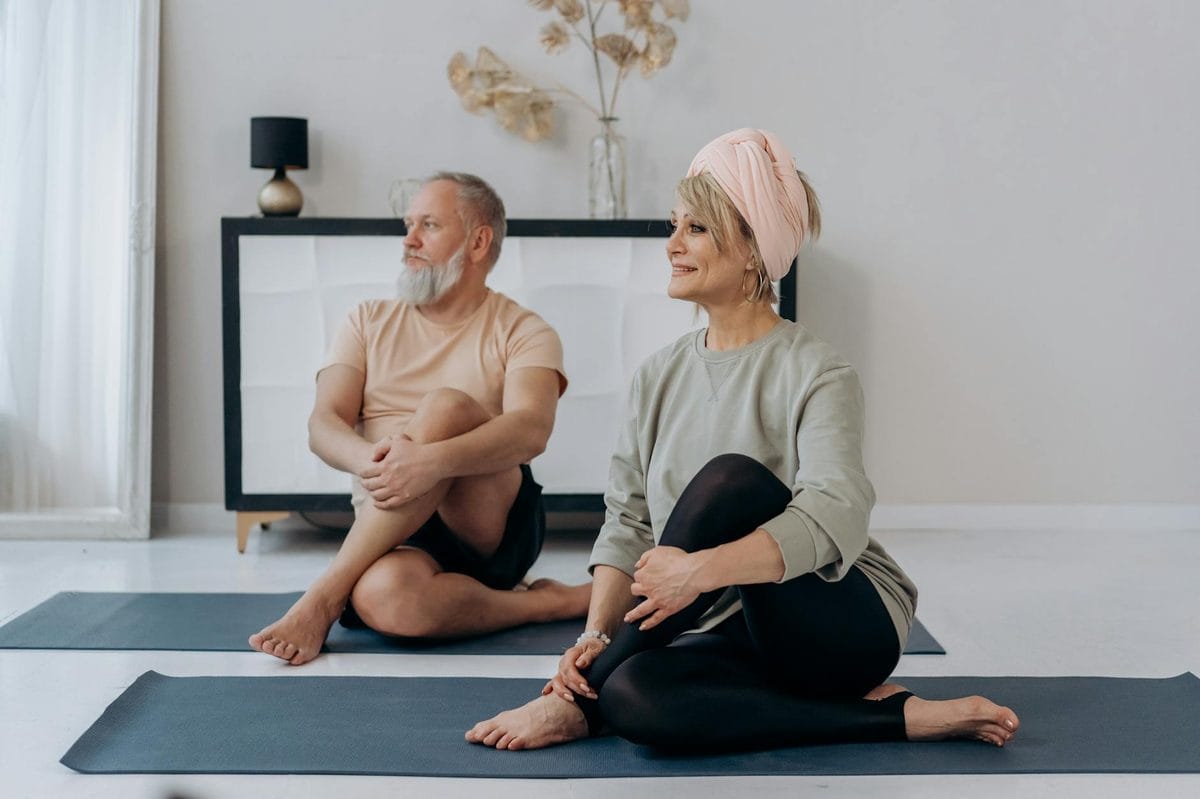
Yoga's roots run deep in Hindu and Buddhist philosophy, developed over thousands of years as a path toward spiritual liberation and union with the divine. When you step into a yoga class, you're engaging with a system that originated in contexts very different from Christianity. Yet millions of people across faiths practice yoga today, and many of them are Christians asking sincere questions about how to do this respectfully and authentically.
The compatibility question isn't really about whether the physical postures (asanas) work for Christian bodies—they clearly do. It's about intention, practice structure, and what you're inviting into your spiritual life.
The Spiritual Foundations of Yoga
To make an informed choice, it helps to understand what yoga actually is. In the Yoga Sutras of Patanjali, yoga is defined as Chitta Vritti Nirodhah—the stilling of the mind's fluctuations. This ancient text outlines the Eight Limbs of Yoga, which include ethical guidelines (the Yamas and Niyamas), physical postures (asana), breath work (pranayama), and meditation.
The spiritual goal of classical yoga is moksha—liberation from the cycle of rebirth—achieved through union with Brahman, the ultimate divine reality in Hindu philosophy. This is fundamentally different from Christian theology, where salvation comes through faith in Christ and grace. When you practice yoga as a complete system, you're engaging with a worldview and spiritual aim that doesn't align with Christian doctrine.
However, modern yoga in Western fitness studios often operates differently. Many classes focus almost exclusively on asana and pranayama—the physical and breathing practices—with little or no attention to the philosophical or devotional aspects. This separation is worth examining.
What Christians Can Authentically Practice
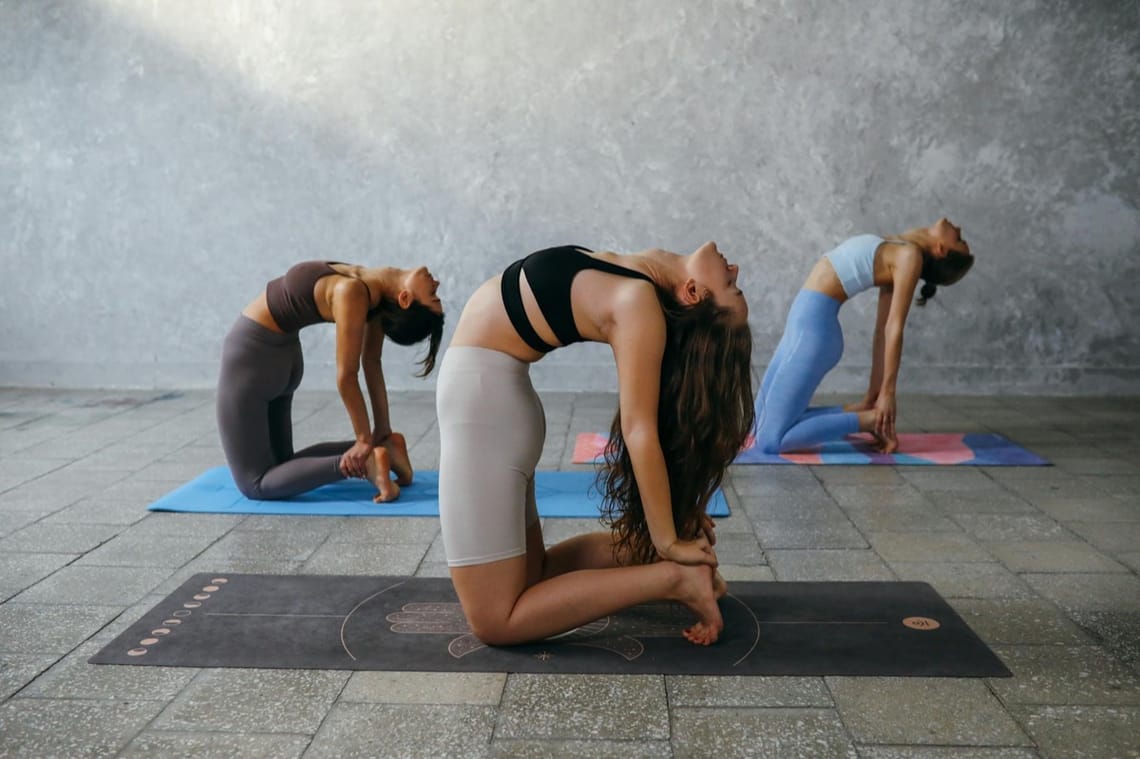
The physical benefits of yoga are real and measurable. Improved flexibility, strength, balance, and proprioception don't require you to adopt a different spiritual worldview. A Christian can do downward-facing dog (Adho Mukha Svanasana) and gain the same physical benefit as anyone else. Pranayama techniques like alternate nostril breathing reduce stress and activate the parasympathetic nervous system regardless of your religious background.
Many Christians find that they can practice these elements while maintaining their own prayer practices and spiritual orientation. Some substitute Christian meditation or prayer for the traditional yoga meditation components. Others attend secular fitness yoga classes where the teacher focuses on form, breath, and body awareness without devotional or spiritual framing.
What matters is intention and honesty. If you're practicing yoga poses and breathing techniques as physical self-care—similar to how you might take a barre class or go swimming—and you're not adopting the underlying spiritual philosophy, this can work. The key is conscious choice rather than accidental absorption of beliefs.
Where Caution Matters
Some yoga contexts do present genuine concerns for Christians. Certain teachers and studios intentionally teach yoga as a spiritual path with Hindu or Buddhist elements. If you're attending classes where the teacher regularly discusses chakras (energy centers in the body), guides you to connect with deities, uses mantras (repetitive phrases meant to invoke spiritual states), or frames the practice as a path to enlightenment, you're being invited into a different belief system.
Teacher trainings—like 200-hour YTT programs offered by schools such as Yoga Alliance-affiliated studios—typically include modules on yoga philosophy, meditation practices rooted in Hindu and Buddhist traditions, and sometimes Sanskrit chanting. If you pursue teacher training, you'll encounter these elements directly. Many Christians have taken these trainings and filtered the material through their own faith, but it requires discernment.
Brands and studios vary widely in their approach. A mainstream fitness-focused studio like CorePower Yoga or a local gym's yoga class may look completely different from a dedicated yoga studio steeped in traditional philosophy. Lululemon's involvement in yoga retail doesn't make the practice itself any less tied to its origins; it just reflects how yoga has become commercialized in the West.
The Role of Intention and Modification
Christian teachers have created alternatives. Some yoga classes are explicitly marketed to Christians, incorporating Christian prayer or meditation instead of traditional yoga philosophy. Programs like Christian yoga from teachers who specifically market to churches offer poses and breathing work without the spiritual elements that conflict with Christian faith.
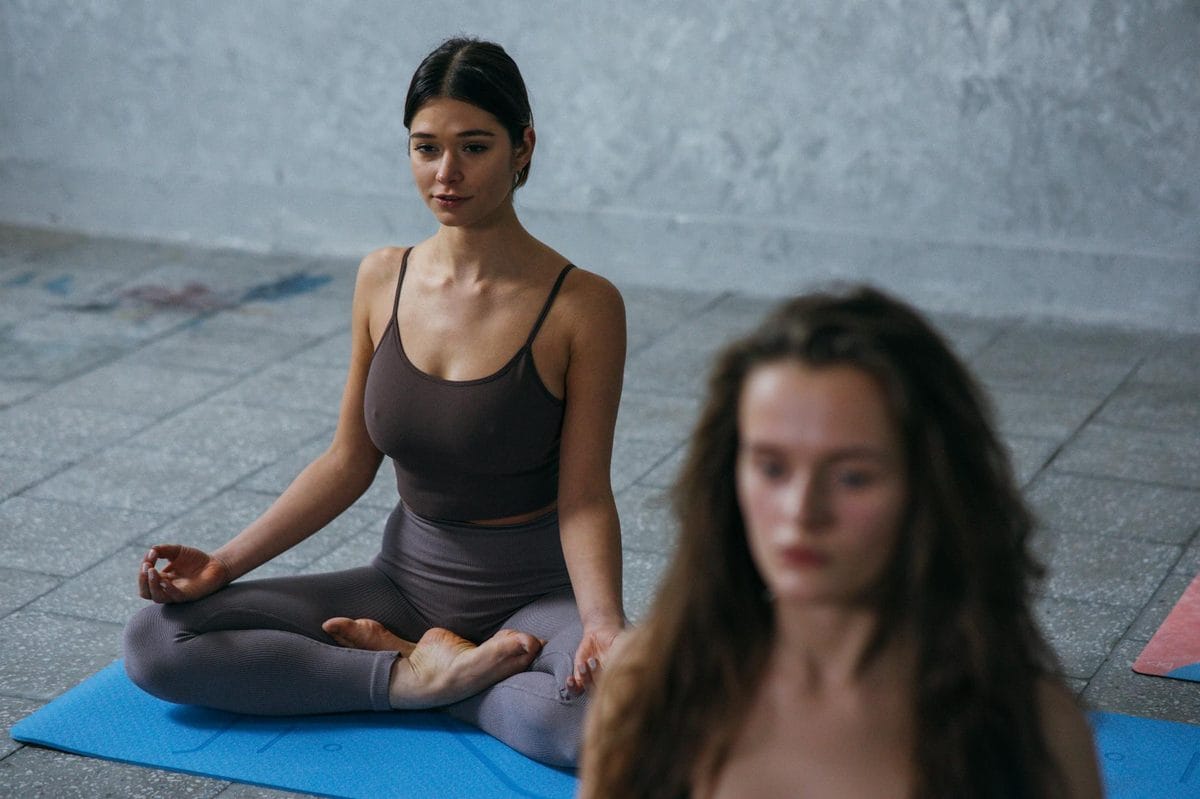
You can also modify your personal practice. If you attend a regular yoga class, you might skip chanting, interpret chakra discussion as metaphorical rather than spiritual reality, or use those quiet moments to pray to Jesus rather than to engage in secular meditation. This requires active intention—you're not passively absorbing the teacher's framework; you're choosing what to accept and what to replace.
Some Christians practice what they call 'Christian stretching' or 'biblical yoga,' which borrows poses from yoga but frames them within Christian prayer and Scripture. Whether this is yoga in any authentic sense is debatable, but it reflects how people navigate the compatibility question.
Questions to Ask Yourself
Before settling into a regular practice, consider these honest questions: Am I drawn to yoga primarily for physical benefits, or am I seeking spiritual experience? If the latter, am I seeking that through yoga philosophy or through my Christian faith? Does this specific teacher or studio present yoga as a complete spiritual system, or as a practice focused on physical wellness? Can I practice in this setting while maintaining clarity about my own spiritual commitments?
If you're new to yoga, asking the teacher directly about their approach is fair. A good teacher can explain whether their class emphasizes spiritual philosophy or physical practice. You might ask: 'Do you teach the spiritual philosophy of yoga, or is this class focused on asana and pranayama?' Their answer will tell you what you need to know.
Respecting the Tradition
One more consideration: respect. Yoga comes from Hindu and Buddhist traditions with deep spiritual meaning for millions of practitioners. If you practice yoga, you're borrowing from those traditions. This can happen respectfully—by learning something about yoga's origins, acknowledging them, and not claiming yoga as a Christian practice when it's not. But it can also happen dismissively, by cherry-picking poses while disregarding the philosophical context entirely.
Many Hindu and Buddhist teachers welcome Christians and people of all faiths to practice yoga. They don't require you to convert or abandon your faith. But they do appreciate recognition of yoga's origins and authenticity. This is worth holding alongside your own faith commitments.
A Path Forward
So can Christians practice yoga? Yes—with awareness. You can attend a yoga class, practice asanas and pranayama, and gain real benefits for your body and nervous system while remaining firmly grounded in your Christian faith. Many do this successfully.
The key is making that choice consciously. Know why you're practicing. Know what the teacher is offering. Know which elements align with your faith and which don't. If you're seeking spiritual depth, find that through your Christian tradition—prayer, Scripture, community, worship. Let yoga be what it can legitimately be for you: a physical practice that serves your body and mind.
Your faith and your body both matter. You don't have to choose between caring for one and caring for the other. You just have to practice with intention, honesty, and respect for both traditions.
Go Deeper
Compare real programs in the OYP YTT Database:
Related programs in our directory:
Subscribe to the newsletter
Subscribe to my newsletter to get the latest updates and news