Evening Yoga: Wind Down with This Calming Nighttime Sequence

When the sun sets and your to-do list finally quiets down, your body and mind need permission to slow down too. An evening yoga routine isn't just a nice way to end your day—it's a powerful tool for regulating your nervous system, improving sleep quality, and releasing the tension you've been carrying since morning.
Many of us spend our evenings scrolling through screens or replaying stressful conversations in our heads. This keeps our cortisol levels elevated and our minds racing long after we should be winding down. A dedicated evening yoga practice signals to your body that it's time to transition from the active, sympathetic nervous system (fight-or-flight) to the parasympathetic nervous system (rest-and-digest). The result? Deeper sleep, less anxiety, and a genuine sense of calm that carries into the next day.
In this guide, I'll walk you through why evening yoga works, what makes it different from other times of day, and a complete 20-30 minute sequence you can practice tonight.
Why Evening Yoga Is Different From Morning Practice
Your body operates on a circadian rhythm. Your energy, hormone levels, and nervous system responsiveness all shift throughout the day. This means your evening yoga practice should look and feel different from a morning flow.
In the morning, you might practice Downward Dog, standing sequences, and energizing breathwork to build heat and alertness. Evening yoga, by contrast, moves slower, stays lower to the ground, and emphasizes gentle stretches and restorative poses.
Research published in the Journal of Clinical Sleep Medicine shows that gentle, slower-paced yoga performed 2-3 hours before bed significantly improves sleep quality and reduces the time it takes to fall asleep. This isn't coincidence—it's physiology. When you move slowly and focus on longer holds, your parasympathetic nervous system activates, your heart rate drops, and your body begins releasing melatonin.
The key difference: morning yoga builds energy, evening yoga dissolves tension.
The Best Time to Practice Evening Yoga
Timing matters. If you practice yoga too close to bedtime, you might feel too energized to sleep. If you do it too early, the calming effects may wear off.
Ideally, practice your evening sequence 1-3 hours before bed. If you have a typical 10 PM bedtime, a 7-8 PM practice is perfect. This gives your body time to fully absorb the parasympathetic activation while keeping the benefits fresh when you lie down to sleep.
If you practice closer to midnight, use even slower, more restorative poses and longer holds. If you practice earlier (right after work, for example), you can include slightly more active poses like gentle backbends and hip openers.
Setting Up Your Evening Yoga Space
Environment shapes your practice. Create a dedicated corner where you practice each evening—your nervous system will begin to associate this space with relaxation.
- Lighting: Dim the lights or use soft, warm lamps. Avoid harsh overhead lighting. If possible, practice by candlelight or near a window during dusk.
- Temperature: Keep your space warm. Your body temperature naturally drops as you prepare for sleep, so a cool room can be distracting. Layer blankets for final relaxation poses.
- Sound: Silence is fine, but many students prefer gentle background music or nature sounds. Keep volume low.
- Props: Have a yoga mat, bolster or pillows, and yoga blocks nearby. Props aren't luxury items for evening yoga—they're essential for properly supporting your body in relaxation poses.
- Phone: Put it in another room. This is non-negotiable.
Your Complete Evening Yoga Sequence (25-30 Minutes)
Opening: Centering and Breath (2-3 minutes)
Sit cross-legged on your mat. Close your eyes and spend 1-2 minutes simply observing your natural breath. Don't change it—just notice. This acts as a bridge between your busy day and your practice. It signals your brain that something intentional is beginning.
Then practice 5-10 rounds of Extended Exhale Breathing: inhale for a count of 4, exhale for a count of 6-8. The longer exhale activates your parasympathetic nervous system immediately. You'll feel your shoulders soften and your jaw relax.
Gentle Movement Sequence (8-10 minutes)
Move slowly and deliberately. Each pose should feel like a gentle exploration, not an achievement.
- Cat-Cow (Marjaryasana-Bitilasana): 8-10 rounds, moving with your breath. Move slowly—this isn't about warming up, it's about gently mobilizing your spine.
- Downward Dog: Hold for 5 breaths. This time, let your head hang heavy and relax your neck. Press your hands firmly into the mat to ground yourself.
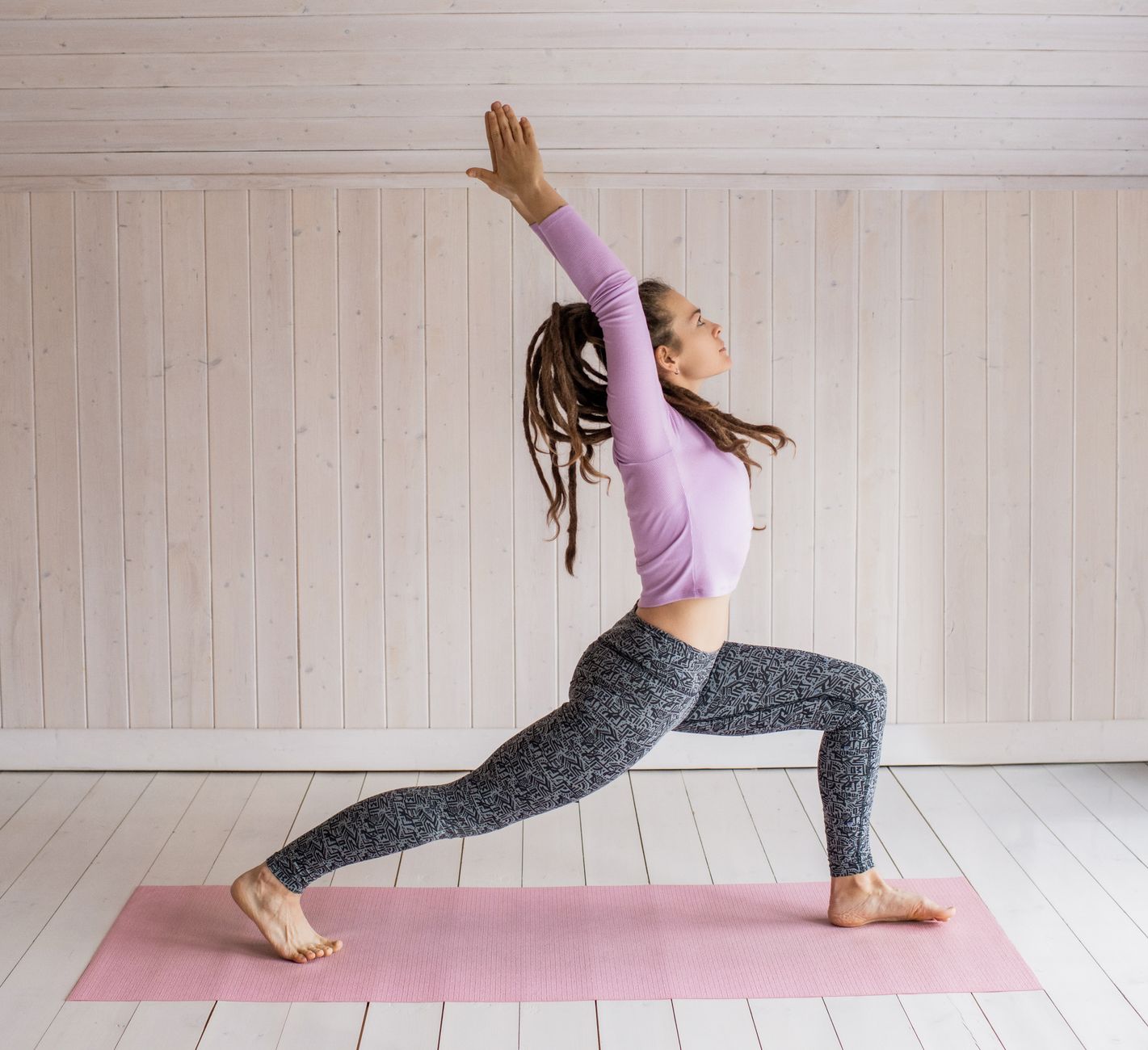
- Low Lunge (Anjaneyasana): Hold each side for 5-8 breaths. Use a block or cushion under your back knee for comfort. Sink your hips forward gently.
- Pigeon Pose: Hold each side for 8-10 breaths. Hip openers release stored tension and emotion. Stay present with whatever arises.
- Seated Forward Fold: Hold for 8-10 breaths. Let your head and arms hang heavy. No forcing—just gravity and breath.
Deeper Hip and Hamstring Work (6-8 minutes)
Hip tension is often where we store stress. Releasing it signals deep relaxation.
- Reclined Figure Four: Lie on your back, one ankle crossed over the opposite knee, and gently draw the bottom leg toward your chest. Hold each side 8-10 breaths. This is deeply relaxing and accessible.
- Happy Baby (Ananda Balasana): Rock gently side to side. This pose naturally calms the nervous system.
- Child's Pose: Hold for 8-10 breaths. Use a bolster under your torso if needed. This pose is deeply grounding.
Restorative Poses (6-8 minutes)
These poses do the work for you. Your only job is to breathe and receive.
- Supported Reclined Butterfly: Lie on your back with a bolster under your spine, soles of feet together. Stay for 1-2 minutes. This gently opens the chest and heart space.
- Legs-Up-the-Wall (Viparita Karani): Lie on your back near a wall with your legs up the wall. Stay for 1-2 minutes. This is profoundly calming for your nervous system and improves circulation.
Final Relaxation: Savasana (5-8 minutes)
Lie on your back with a blanket over you. Let your feet fall open, arms at your sides, palms facing up. Your only job is to be here. Don't try to relax—just allow relaxation to happen. If your mind wanders, gently return to the sensation of your breath and the weight of your body.
Stay until you feel genuinely settled. There's no rush to finish.
Props That Support Evening Practice
Don't skip props. They're not cheating—they're intelligence. Using yoga blocks, bolsters, and blankets allows you to hold poses longer without strain, which is exactly what evening practice requires. You're aiming for comfort and parasympathetic activation, not flexibility gains.
What to Avoid in Your Evening Routine
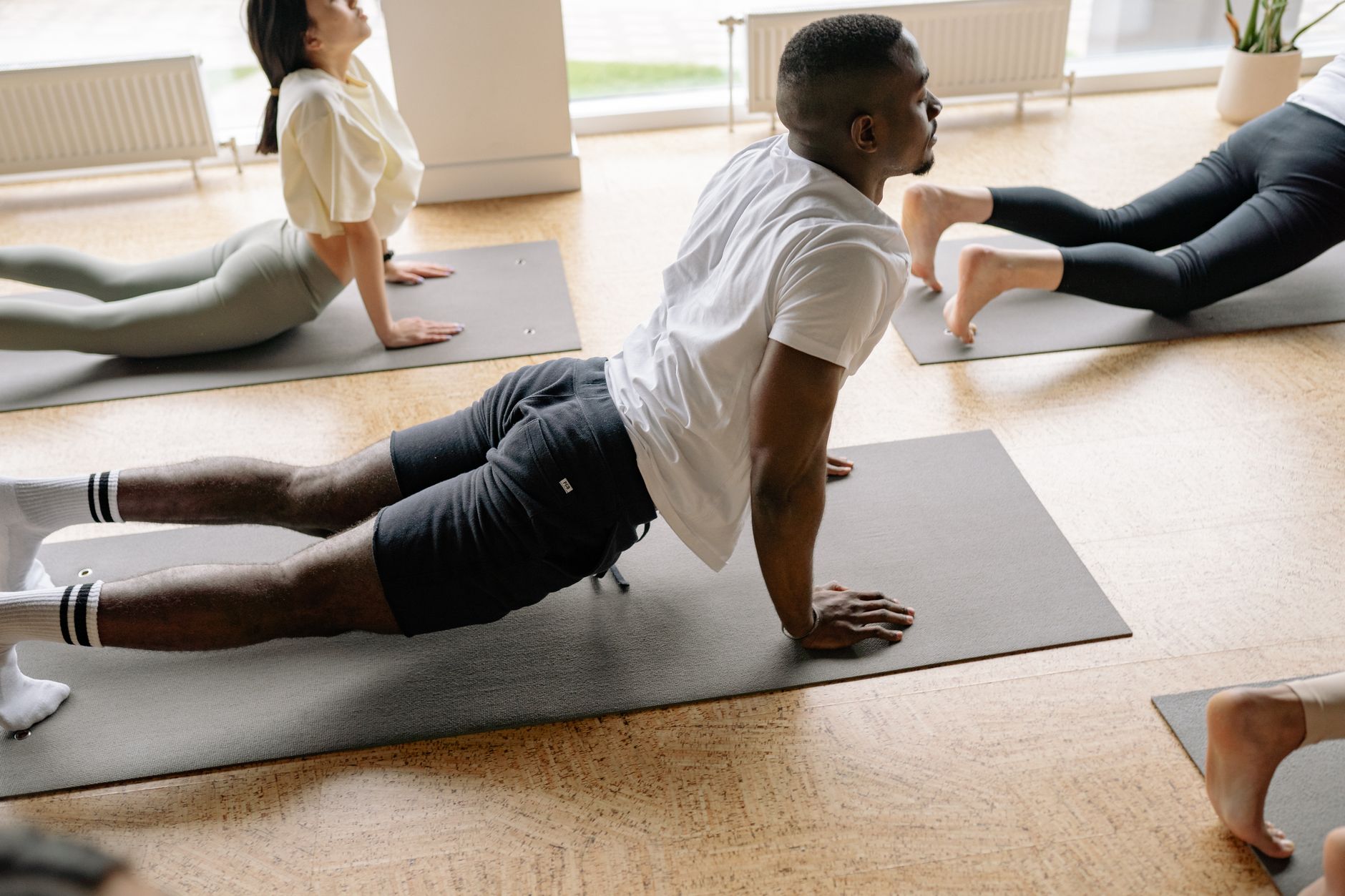
- Intense backbends: Backbends are energizing. Save Urdhva Mukha Svanasana and deep Wheel Pose for morning.
- Fast-paced flows: Skip the vinyasa sequences. You want to calm your nervous system, not stimulate it.
- Vigorous breathwork: Avoid Breath of Fire or other energizing pranayama techniques. Stick with gentle, extended exhale breathing.
- Headstands or inversions: These can be stimulating. Save them for morning or midday.
- Caffeine or screens beforehand: Stop caffeine by 2 PM. Turn off screens 30 minutes before practice if possible.
Making Evening Yoga a Sustainable Habit
The best practice is the one you actually do. Start small—even 10-15 minutes is powerful. Set a specific time and treat it like an important appointment. Many students find it helpful to practice at the same time each evening, as this trains your body to recognize the transition into relaxation mode.
If you're interested in deepening your understanding of yoga's nervous system benefits, consider exploring
Related programs in our directory:
- a gentle yoga center in Maryland — 4.94★ · 227 reviews
- a gentle yoga studio in New York — 4.96★ · 105 reviews
- an alignment-focused yoga school in Santa Fe — 4.94★ · 125 reviews
Related Reading
Subscribe to the newsletter
Subscribe to my newsletter to get the latest updates and news