Yoga Retreats in Nicaragua for Surfers Without Surfing Experience
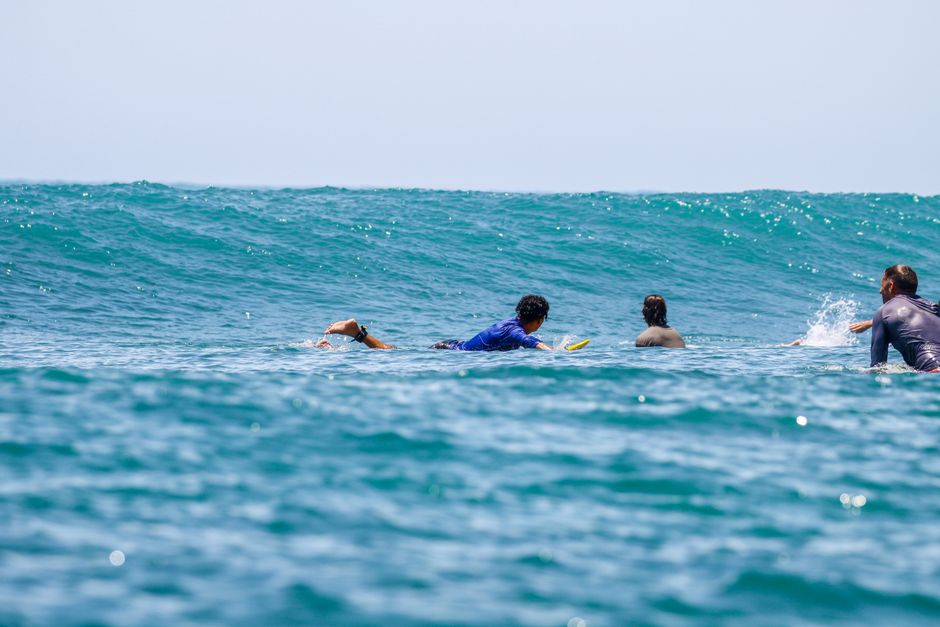
You've watched the surf retreat videos. Tan bodies popping up on longboards, sunset savasana on the sand, smoothie bowls that look like art. And somewhere in the middle of all that aspiration, a quiet thought: I've never actually surfed. Maybe you've never even stood on a board. Maybe you're worried you'll be the only one in the lineup who doesn't know how to paddle.
Here's the truth most retreat marketing won't tell you: Nicaragua's surf-yoga scene is built for people exactly like you. The Pacific coast — especially the stretch from San Juan del Sur to Popoyo — has spent the last decade welcoming beginners who showed up nervous and left with sand in their hair and a new sense of what their body can do.
Let's talk honestly about what a Nicaragua yoga retreat for surf beginners actually looks like, how to choose one that won't humble you into hiding in your cabana, and what to expect when you've never touched a wax bar.
Why Nicaragua Works for First-Time Surfers
Nicaragua's geography does most of the work for you. The offshore winds blow nearly year-round, the water is warm enough that you'll never need a full wetsuit, and the beach breaks along Playa Maderas, Playa Hermosa, and Aposentillo are forgiving — sandy bottoms, long whitewater sections, and waves that crumble rather than slam.
Compare that to Costa Rica's busier surf towns or the heavy reef breaks of Bali, and Nicaragua starts to feel like the kindest classroom in Central America. It's also still meaningfully cheaper. A week at a yoga-surf retreat here often costs less than a long weekend in Tulum.
Most retreats run two daily yoga sessions — a longer morning practice and a restorative evening session — bookending surf instruction designed for people who have literally never done it. The yoga isn't a side dish. It's prep work and recovery rolled into one.
What a Typical Day Actually Looks Like
Here's a real schedule from a beginner-friendly retreat near San Juan del Sur:
- 6:30 AM — Light fruit, coffee, and a 75-minute vinyasa or hatha class focused on shoulders, thoracic mobility, and hip openers
- 8:30 AM — Breakfast (usually gallo pinto, eggs, fresh papaya)
- 10:00 AM — Beach transport and a 2-hour beginner surf lesson (pop-up drills on sand, then whitewater practice)
- 1:00 PM — Lunch and a long hammock window
- 4:30 PM — Restorative yoga, yin, or pranayama
- 7:00 PM — Dinner, optional cacao circle or sound bath
The morning yoga isn't accidental. Good retreat teachers sequence specifically for what your body is about to do — the paddle-out demands serious thoracic rotation, the pop-up needs hip mobility and core integration, and your shoulders will be screaming by day three if no one preps them.
If you've ever tried our work on shoulder release for swimmers, the morning sequences here will feel familiar. The mechanics overlap heavily.
How Yoga Actually Makes You a Faster Surf Learner
This isn't a marketing claim. There's a real reason yoga and surf instruction pair so well, and it has nothing to do with vibes.
The pop-up is a vinyasa
If you can move from low plank to upward dog to a low lunge with control, you have most of the kinetic chain a pop-up requires. Surf coaches will tell you the students who already do yoga progress two to three times faster than total movement beginners.
Breath under stress
Getting tumbled in whitewater is uncomfortable. Pranayama practice — even just the box breathing you learn in week one of any beginner course — gives you a nervous system tool the non-yogi tourist doesn't have. You stay calmer when the ocean disagrees with your plan.
Hip and thoracic mobility
Two areas most adult bodies neglect. Surfing demands both. If you've explored mobility work for sports — say, the kind covered in our piece on yoga for cyclists or the iliopsoas release for desk workers — you're already ahead of where you think you are.
Choosing the Right Retreat When You're Truly a Beginner
Not every "surf and yoga" retreat in Nicaragua is built for first-timers. Some assume you can already paddle out and catch unbroken waves. Here's what to look for in the fine print.
Look for the phrase "beginner-only groups"
This matters. Mixed-level surf groups mean you might end up dragged out to a break that's beyond you while the instructor watches the intermediates. Beginner-only groups stay in whitewater and small reform waves until you're ready.
Check the student-to-instructor ratio
Anything beyond 4:1 in the water is too much for true beginners. The good operators keep it at 3:1 or even 2:1.
Ask about board options
You want soft-tops in the 8' to 9' range. If the retreat website shows everyone on shortboards, that retreat isn't for you yet.
Verify the yoga teacher's credentials
Our directory tracks 2,389 yoga teacher training schools globally, with 1,617 Yoga Alliance accredited. A teacher with at least an RYS-200 background — and ideally training in sports-specific yoga — will sequence your morning class with your afternoon surf in mind. A teacher running a generic flow doesn't.
Solo traveler? Read this first
If you're a woman traveling alone, the safety questions matter more than the surf questions. Our guide to retreats for first-time solo female travelers walks through operator vetting in detail.
Budget, Timing, and What Things Actually Cost
A week-long surf-yoga retreat in Nicaragua typically runs $1,100 to $2,200 for shared accommodation, all meals, daily yoga, and daily surf instruction. Private rooms add $300-$600. Boards, leashes, and rash guards are usually included.
The dry season — November through April — is the most popular window, with the most consistent waves and reliable offshore winds. May through October brings green-season pricing (sometimes 30% off) and bigger swell, which can be too much for absolute beginners at exposed breaks but is manageable at protected ones like Playa Maderas.
If your budget is tight, our piece on affordable Caribbean retreats under $1,500 covers other options in the region, and budget retreats in Sayulita, Mexico offer a similar beginner surf scene at a lower entry point.
What to Pack and How to Prep at Home
You don't need much. The retreat provides boards, wax, and usually rash guards. What you should bring:
- Reef-safe sunscreen (SPF 50, mineral-based) — the equatorial sun is no joke
- Two swimsuits that actually stay on (test them in a pool with a friend who'll knock you over)
- A long-sleeve rash guard for sun protection during long paddle sessions
- Your own yoga mat if you're picky, though most retreats provide them
- Electrolytes — dehydration sneaks up fast between yoga, surf, and heat
For at-home prep in the four to six weeks before you go, focus on three things: shoulder mobility, hip openers, and core endurance. A daily 20-minute session is enough. If you're starting from zero, our 20-minute morning yoga practice is a reasonable place to begin. Build from there.
One more honest note: surf paddling uses your shoulders in ways yoga generally doesn't. If you have any history of impingement, ease in. The first three days of paddling will humble even strong yogis.
What No One Tells You About Surf-Yoga Retreats
A few quiet realities worth knowing before you book.
You will be tired. Two yoga sessions and two hours of paddling is a real load. Eat the rice and beans. Sleep when sleepy. The retreat schedule looks lighter on paper than it feels in your nervous system.
You will fall a lot. Falling is the curriculum. The pop-up takes most people three to seven days to start landing consistently. Trust the process and stop counting attempts.
The yoga community will carry you. Most beginner retreats attract people in their late 20s through 50s who are also nervous, also doubting their fitness, also wondering if they're too old to learn. You'll find your people fast.
The integration matters. The principle of sadhana — consistent practice — applies to surfing too. One retreat won't make you a surfer. But it will plant something. Whether that becomes a lifelong practice is up to what you do when you get home.
Frequently Asked Questions
Do I need to be flexible or fit before a Nicaragua surf-yoga retreat?
No, but a baseline of cardiovascular endurance helps. Surfing is a paddling sport more than anything else, and your arms will tire faster than you expect. If you can walk briskly for 30 minutes without struggle and do a few sun salutations without stopping, you have enough fitness to start. Flexibility builds during the retreat itself.
Is Nicaragua safe for solo travelers right now?
The Pacific surf zones — particularly San Juan del Sur, Popoyo, and surrounding beach areas — have remained welcoming to international travelers and operate normally for tourism. Reputable retreat operators handle airport pickup, ground transport, and local logistics. Solo travelers, especially first-timers, should book directly with established retreats rather than improvising. Always check your government's current travel advisory before booking and trust operators with verifiable reviews going back several years.
What if I can swim but I'm scared of the ocean?
You're more common than you think. Good beginner programs spend the first day or two entirely in whitewater that's only waist-deep, so you're standing on sand the whole time. The fear softens with familiarity. Tell your instructor on day one — they'll adjust the pace and never push you past your edge. Pranayama practice in the morning yoga sessions directly helps with ocean anxiety.
How is this different from a regular yoga retreat with optional surf lessons?
True surf-yoga retreats sequence the yoga specifically for surfers — meaning shoulder mobility, hip openers, and thoracic rotation drive the morning class, while evening sessions focus on recovery and nervous system regulation. Retreats that bolt surf lessons onto a generic yoga schedule don't deliver the same physical preparation, and you'll feel the difference by day three. Ask about teacher specialization before booking.
Related Reading
- Jungle Yoga Retreats in Belize on Reef Access: Mayan Ruins Included
- Yoga Retreats at Lake Atitlan Guatemala: Shamanic vs Secular Options
- Best Yoga Retreats in Mexico: A Curated Guide for 2026
If Nicaragua's been circling your imagination, take that as data. The wave you've been watching from shore is closer than it looks — and you don't need to be a surfer to deserve the water. Mind is the master. Trust what it's already telling you.
Subscribe to the newsletter
Subscribe to my newsletter to get the latest updates and news