Jungle Yoga Retreats in Belize on Reef Access: Mayan Ruins Included

You've been scrolling retreat sites for weeks. Bali keeps coming up. Costa Rica too. But you want something different — somewhere the jungle still feels wild, the reef is genuinely close, and the history under your feet is older than the practice you're traveling for.
Belize quietly checks all three boxes. It's the only country in Central America where English is the official language, the world's second-largest barrier reef sits a short boat ride from the mainland, and Mayan temples rise out of the rainforest within driving distance of most retreat centers. For yogis who want movement, water, and meaning in one trip, this is one of the few places that delivers on all of it without much performance.
Here's what to know before you book.
What a Belize Jungle Retreat Actually Offers
Most Belize yoga retreats sit in one of three zones: the Cayo District inland (Mayan ruins, rivers, dense jungle), the southern coast around Placencia or Hopkins (reef access, Garifuna culture), or hybrid programs that split nights between both. The hybrid model is what makes Belize unusual.
You can practice sunrise asana on a wooden platform surrounded by howler monkeys, then snorkel a coral wall the same afternoon. That's not marketing language. It's geography. Belize is small — roughly the size of Massachusetts — and the road from San Ignacio to the coast takes about three hours.
A typical week looks something like this:
- Two morning vinyasa or hatha sessions on covered jungle decks
- One restorative or yin practice in the late afternoon
- Half-day excursions to ruins, caves, or the reef
- Meals built around local produce, cacao, and fresh fish
- Optional evening pranayama or sound sessions
The pace is slower than what you'll find in Bali's more curated programs. There's less Instagram production, fewer surprise add-on fees, and more time built into the day for actually doing nothing. If you're new to retreat travel, our notes on safety-rated operators for first-time solo female travelers apply well to Belize too.
The Reef Component: Why Access Matters
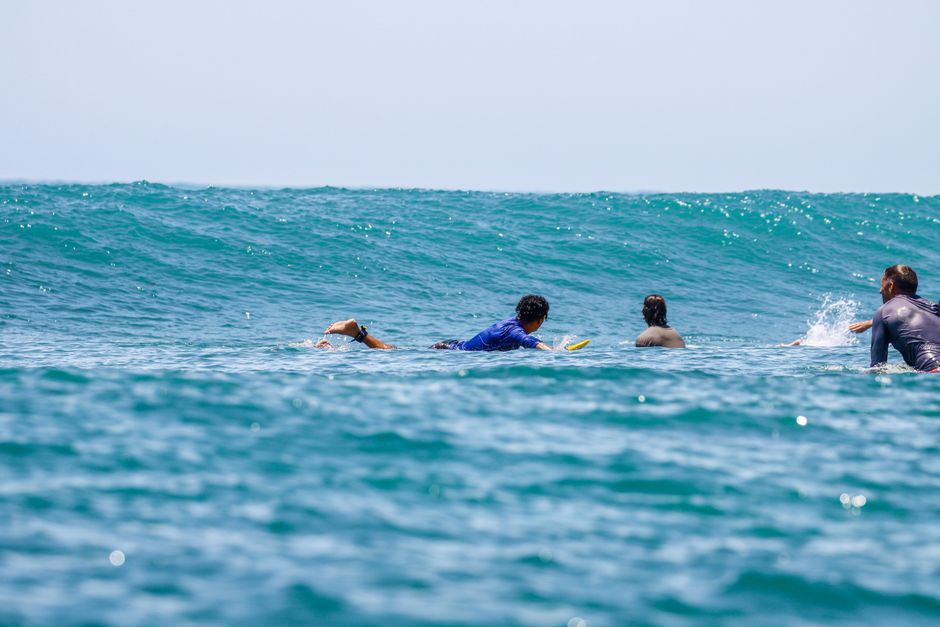
The Belize Barrier Reef is a UNESCO site, second only to Australia's Great Barrier Reef in size. What makes it special for retreats isn't just the snorkeling. It's the proximity. From Placencia or Hopkins, you can reach the reef in under an hour by boat. Some retreat centers have private docks. A few sit on caye islands — meaning you walk off the yoga deck and into the water.
For practitioners, this changes the practice in real ways. Saltwater buoyancy resets the nervous system. Floating supine after a vinyasa session does something to the breath that a savasana on land can't replicate. If you've been working through shoulder issues, the gentle resistance of open water often does what dry land mobility can't — see our breakdown of post-practice release for swimmers with shoulder impingement for context on why.
Reef etiquette matters here. Coral is fragile and Belize takes conservation seriously. Reputable retreats will brief you on reef-safe sunscreen (mineral only — no oxybenzone), how to enter the water without kicking sand onto coral, and which caye operators run ethical tours. If a retreat doesn't mention any of this in their materials, that's information.
Mayan Ruins, and What "Included" Really Means
The big names are Caracol, Xunantunich, Cahal Pech, and Lamanai. Each has a distinct character.
Caracol is the largest and most remote — a four-hour round trip from San Ignacio over rough roads, but the main temple (Caana, "Sky Palace") is still the tallest man-made structure in Belize. Xunantunich is closer, more accessible, and you cross a hand-cranked ferry to reach it. Cahal Pech is small but sits right above San Ignacio town, which makes it an easy half-day. Lamanai is reached by river boat through mangrove channels and tends to be the most atmospheric.
When a retreat says "Mayan ruins included," ask which one and how the day is structured. A real included excursion means transport, entrance fees, a licensed guide, and lunch. A loose "ruins day" might mean they drop you at the gate and you figure it out. Both can be good. Just know which you're paying for.
Some retreats build a contemplative element into the ruin visits — short meditation at sunrise on a temple platform (where permitted), or a quiet pranayama session before crowds arrive. If you've ever practiced at Lake Atitlan in Guatemala, the energy at these Mayan sites will feel familiar — they're part of the same cultural lineage.
Who This Trip Actually Suits (and Who It Doesn't)
Belize works well for:
- Mid-level practitioners who want variety beyond a daily 90-minute flow
- Couples or solo travelers looking for a retreat that doesn't feel like a silent monastery or a wellness resort
- Yogis with curiosity about history — the Mayan context isn't decoration, it's the whole point
- Snorkelers and swimmers who want the reef as part of the practice, not an upsell
- People who want warm-water travel without a 20-hour flight from the eastern US or Canada
It's a less obvious fit if you want a strict Ashtanga schedule with multiple Mysore sessions weekly, if you need urban infrastructure (Belize is rural and slow), or if you're sensitive to heat and humidity in a way that affects your practice. The jungle in March through May runs warm. Bring electrolytes.
If your hips have been giving you trouble from long flights or daily sitting, do some prep beforehand. The iliopsoas release sequence for desk workers is a good starting place a week before you fly.
Cost, Logistics, and What to Budget
Belize retreats generally run higher per night than budget options in Mexico or Guatemala — but lower than Costa Rica. A week-long all-inclusive jungle program typically lands between $1,400 and $2,800 depending on accommodation tier. Programs that include both jungle and caye nights cost more because of the boat transfers.
For those watching the total spend, our roundup of affordable Caribbean yoga retreats under $1,500 includes a few Belize options worth knowing about. The under-$1,500 tier exists, but usually requires shoulder-season booking (September through early November) and shared cabin accommodation.
Flights are the variable. Belize City (BZE) is direct from Houston, Dallas, Miami, Newark, Atlanta, and Charlotte. From the west coast you'll connect. From Europe, you'll connect twice. The retreat usually handles the ground transfer from BZE to wherever you're going — confirm this, because a private shuttle to Cayo can run $150–$200 if you book it separately.
What to pack beyond the obvious:
- Reef-safe mineral sunscreen (hard to find locally, expensive when you do)
- A rashguard for snorkeling — the sun is intense at 17° latitude
- Sturdy sandals for ruin walks (uneven limestone steps)
- A travel mat or know that the retreat provides them — most do
- Cash in small US bills (USD is accepted everywhere at a fixed 2:1 with Belize dollars)
- Insect repellent for evening hours
How to Vet a Belize Retreat Before You Book
The Belize wellness scene is smaller than Bali's or Costa Rica's, which is mostly good news — fewer fly-by-night operators, more centers with 10+ year track records. Still, vetting matters. A few questions to ask:
- Who is the lead teacher and where did they train? Our YTT directory tracks 2,389 schools globally, with 1,617 holding Yoga Alliance accreditation. A teacher trained at an RYS-200 or RYS-500 program will note this readily. If they're vague, ask again.
- Is the retreat center owner local, or owned from abroad? Both can be ethical. But locally-owned programs typically reinvest more in the community and source food and labor locally.
- What's the reef operator partnership? Reputable retreats work with licensed Belizean tour guides, not the cheapest boat captain on the dock.
- What happens if it rains? Jungle weather is unpredictable. The retreat should have indoor or covered practice space, not just an open deck.
- What's actually included? Ask for a line-item breakdown. Excursion fees, gratuities, and airport transfers are the usual fine print.
If you're traveling with a partner and the trip carries some weight beyond a vacation, our notes on therapeutic-led couples retreats offer a framework for evaluating whether a program is set up to hold that kind of space — or whether it's just a holiday with mats.
Building the Week Around the Practice (Not the Other Way Around)
Here's the trap with adventure-style yoga retreats: the excursions take over. You spend so much time on boats and in caves that the practice becomes an afterthought, and you arrive home physically tired instead of integrated.
The Belize retreats that work well build rest into the structure. One full reef day, one full ruin day, and two or three days where the schedule is just morning practice, slow meals, afternoon swimming, evening restorative. That ratio respects what you came for.
If you're the type to over-schedule yourself, this matters. The Yamas have something to say about it — aparigraha, non-grasping, applies to experiences too. You don't need to do every excursion to have had the trip.
The mind is the master here. A week of Mayan ruins, reef swims, and jungle vinyasa won't shift much if you're internally still in optimization mode. The shift happens when you let the place actually slow you down. That usually starts on day three or four — the day you stop checking your phone for the weather and just go outside to see what it's doing.
Related Reading
- Best Yoga Retreats in Mexico: A Curated Guide for 2026 — useful if you're comparing Central American options before committing
- Yoga Retreats in Peru's Sacred Valley — another option where ancient sites and practice intersect
- 7 Easy Tips for Nurturing Your Yoga Practice — for keeping the post-retreat momentum once you're home
If a Belize trip is calling — even quietly — let it sit for a few days before you book. The right retreat tends to feel obvious when you stop trying to decide.
Subscribe to the newsletter
Subscribe to my newsletter to get the latest updates and news