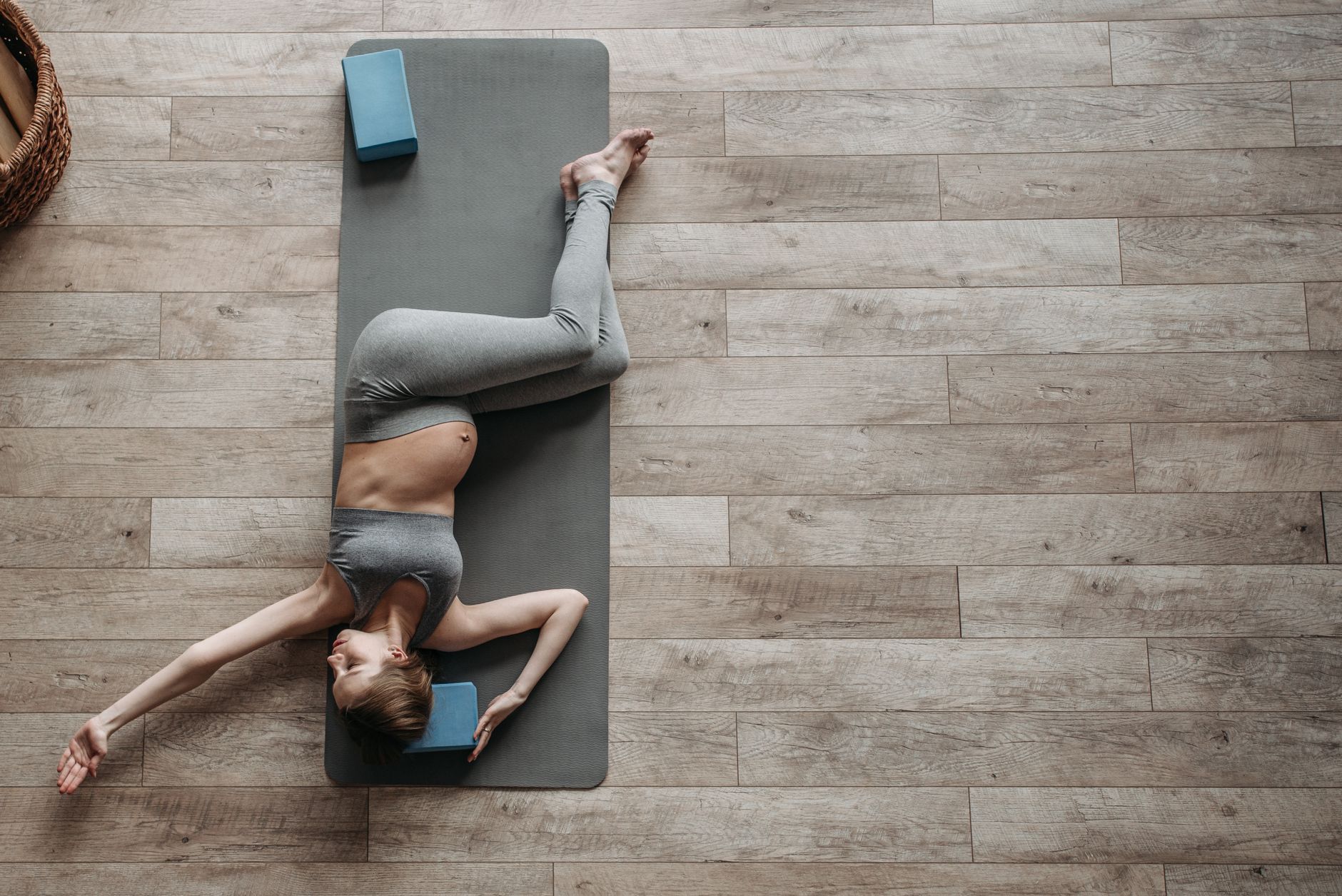
What Is Sivananda Yoga? The Five Points of Yoga

When you first step onto a yoga mat, you might feel a little overwhelmed by all the different styles and philosophies available. Hatha yoga, vinyasa flow, kundalini, yin—the list goes on. But if you're looking for a traditional, holistic approach that addresses your whole self—body, mind, and spirit—Sivananda yoga might be exactly what you need. This ancient lineage offers a complete system rooted in practical wisdom that has guided seekers for centuries.
Sivananda yoga is a traditional form of practice that emphasizes balance and harmony in all aspects of life. What makes it unique is its structured framework: the Five Points of Yoga. This elegant system breaks down the entire philosophy into five interconnected principles that work together to transform your health, mental clarity, and spiritual growth. Whether you're new to yoga or an experienced practitioner looking to deepen your understanding, understanding these five points will give you a solid foundation for meaningful practice.
What Is Sivananda Yoga?
Sivananda yoga traces its lineage back to Swami Sivananda, a renowned spiritual master who lived in Rishikesh, India during the 20th century. Though Swami Sivananda didn't invent yoga—the practice is thousands of years old—he organized and systematized it in a way that makes it accessible and practical for modern practitioners. His disciple, Swami Vishnudevananda, brought this teaching to the West and established the International Sivananda Yoga Vedanta Centers, which continue to operate today.
What distinguishes Sivananda yoga from other styles is its emphasis on a holistic, integrated approach. Rather than focusing solely on physical postures or just meditation, Sivananda yoga recognizes that genuine well-being requires attention to the whole person. The practice weaves together asana (postures), pranayama (breathing techniques), meditation, proper diet, positive thinking, and selfless service into one comprehensive system.
This style typically flows at a slower, more meditative pace than many modern yoga classes. You won't find the fast-paced vinyasa transitions or Instagram-worthy arm balances here. Instead, Sivananda classes focus on foundational poses held longer, allowing deeper awareness and alignment. This makes it excellent for all ages and fitness levels, and particularly beneficial for those seeking stress relief and spiritual growth.
The Five Points of Yoga Explained
The heart of Sivananda yoga philosophy rests on five fundamental points. These aren't arbitrary rules; they're interconnected pillars that support each other and create a balanced life. Let's explore each one in depth.
1. Asana (Physical Postures)
Asana refers to the physical yoga poses that most people recognize when they think of yoga. In Sivananda practice, asanas serve multiple purposes beyond just physical fitness. They:
- Strengthen and tone the body
- Improve flexibility and range of motion
- Calm the nervous system and reduce stress
- Prepare the body for meditation by releasing tension
- Balance the flow of energy (prana) throughout the body
Rather than performing a large variety of poses, Sivananda yoga typically focuses on a core sequence of foundational asanas: the twelve basic poses. These include standing poses like mountain pose and triangle pose, forward bends, backbends, inversions, and twists. By practicing the same poses regularly, you develop deeper understanding and refinement in each one.
A practical tip: When practicing asanas, focus on alignment and breath rather than depth. Moving into a gentle backbend with full awareness and steady breathing is more valuable than forcing yourself into a deep pose while holding your breath. Quality of presence matters more than quantity of flexibility.
Scientific research supports asana practice. Studies show that regular yoga practice increases flexibility, improves balance, and reduces chronic pain. Regular practitioners also experience lower cortisol levels (the stress hormone) and improved immune function.
2. Pranayama (Breathing Techniques)
Pranayama is the practice of controlling and extending the breath. The word itself breaks down into "prana" (life force energy) and "ayama" (to extend or control). Your breath is a direct link between your conscious and unconscious mind, making it a powerful tool for transformation.
When you're stressed or anxious, your breath becomes shallow and rapid. Conversely, when you consciously slow and deepen your breath, your nervous system receives the signal that you're safe, and relaxation naturally follows. Pranayama techniques include:
- Nadi Shodhana (alternate nostril breathing): Balances the left and right hemispheres of the brain and calms the mind
- Ujjayi (victorious breath): Creates internal heat and focus; commonly used during asana practice
- Kapalabhati (skull-shining breath): Energizes and purifies the respiratory system
- Bhastrika (bellows breath): Generates heat and awakens dormant energy
Even five minutes of pranayama daily can significantly reduce anxiety and improve mental clarity. Research published in the International Journal of Yoga demonstrates that pranayama practice lowers heart rate, blood pressure, and anxiety levels while improving cognitive function.
A practical tip: Start with simple practices like extended exhale breathing (where your exhale is longer than your inhale) before moving to more complex techniques. Begin with just 5-10 rounds per day and gradually increase. Never force your breath; it should always feel natural and comfortable.
3. Meditation (Dhyana)
Meditation is the practice of training your mind to focus and achieving a state of inner stillness. In our modern world of constant stimulation, meditation is more valuable than ever. The Sivananda approach to meditation is gentle and accessible, suitable for beginners.
The basic practice involves sitting comfortably, closing your eyes, and directing your attention inward—typically by focusing on your breath, a mantra, or an inner visualization. When your mind wanders (which it will), you simply notice without judgment and return your attention to your chosen focus point.
Regular meditation practice offers profound benefits:
- Reduces stress and anxiety by lowering cortisol levels
- Improves focus, memory, and cognitive function
- Enhances emotional resilience and well-being
- Lowers blood pressure and supports heart health
- Increases self-awareness and emotional intelligence
Neuroscience confirms what yogis have known for millennia. Brain imaging studies show that regular meditation increases gray matter density in areas associated with learning, memory, and emotional regulation.
A practical tip: Start with just 5-10 minutes of meditation daily. Find a quiet, comfortable space, sit upright (you can use a cushion or chair), and focus on your natural breath. Don't judge yourself for having thoughts; meditation isn't about achieving a blank mind—it's about gently returning your focus when you notice your mind has wandered.
4. Proper Diet (Ahara)
Sivananda yoga recognizes that what you eat directly affects your physical health, mental clarity, and spiritual development. The philosophy advocates for a sattvic diet—foods that are pure, light, and promote physical and mental clarity.
Sattvic foods include:
- Fresh fruits and vegetables
- Whole grains and legumes
- Nuts, seeds, and plant-based proteins
- Dairy products (if consumed)
- Herbal teas and pure water
Foods to minimize or avoid in a sattvic diet include:
- Processed and refined foods
- Heavy, fried foods
- Stimulants like caffeine and alcohol
- Meat and fish (traditionally avoided, though some modern practitioners include them)
- Overly spiced foods that overstimulate the senses
The Sivananda approach isn't about restriction or deprivation—it's about choosing foods that support your overall well-being. A sattvic diet naturally supports your yoga practice by keeping your mind clear and your body light and energized. The timing of meals also matters: eating your largest meal at midday when digestion is strongest, and eating lighter in the evening allows your body to focus on rest and repair.
A practical tip: You don't need to become vegetarian overnight to align with Sivananda principles. Start by incorporating more whole, unprocessed foods and noticing how different foods affect your energy, mood, and practice. Pay attention to how you feel after eating, and gradually shift toward foods that leave you feeling energized and clear rather than sluggish or foggy.
5. Positive Thinking and Meditation (Visaya)
The fifth point encompasses positive thinking, prayer, and meditation—the mental and spiritual dimension of yoga. Sivananda yoga recognizes that your thoughts shape your reality, and cultivating positive mental patterns is as important as physical practice.
This principle includes:
- Positive affirmations: Consciously directing your thoughts toward what you want to cultivate (peace, strength, compassion, health)
- Gratitude practice: Recognizing and appreciating what you have rather than focusing on lack
- Prayer or intention-setting: Connecting with something greater than yourself, whether that's divine energy, nature, or your highest self
- Self-reflection: Examining your thought patterns and habits, and consciously choosing more supportive ones
- Selfless service (karma yoga): Contributing to others without expecting reward, which shifts your consciousness from ego to compassion
Negative thinking creates stress, weakens immunity, and clouds your perception. Research in positive psychology shows that people who practice gratitude and positive visualization experience better physical health, stronger relationships, and greater overall life satisfaction.
A practical tip: Start a simple gratitude practice. Each morning or evening, write down three things you're grateful for—no matter how small. Notice how this practice gradually shifts your perspective and helps you see more abundance in your life. Over time, this becomes your natural mental baseline.
How Sivananda Yoga Differs from Other Styles
While all yoga practices share common roots, each style emphasizes different aspects of the yogic path. Sivananda yoga's strength lies in its comprehensive, balanced approach:
- vs. Vinyasa: Vinyasa flows dynamically between poses in synchronization with breath, creating a cardiovascular workout. Sivananda moves more slowly, holding poses longer, making it more accessible and meditative.
- vs. Iyengar: Iyengar emphasizes precise alignment and uses props extensively. Sivananda focuses on the philosophical and spiritual aspects alongside postures, with less emphasis on technical perfectionism.
- vs. Kundalini: Kundalini emphasizes energy awakening through intense practices. Sivananda takes a gentler, more balanced approach to energy work.
- vs. Bikram/Hot Yoga: Hot yoga classes are practiced in high temperature. Sivananda doesn't require heat, making it more environmentally sustainable and accessible.
Getting Started with Sivananda Yoga
If you're interested in exploring Sivananda yoga, you have several options:
Find a class: Search for Sivananda Yoga Vedanta Centers in your area, or look for local teachers trained in this tradition. The structured format means you'll get a consistent, authentic experience.
Online learning: Many Sivananda-certified teachers offer online classes, making this practice accessible from your home. Whether you're looking for foundational understanding or deeper training, there are online yoga teacher training programs and courses available.
Attend a retreat: Many Sivananda centers offer weekend and week-long retreats where you can immerse yourself in the practice. Experiencing this tradition in a concentrated setting with other practitioners can deepen your understanding significantly. Check out yoga retreats in your region or consider traveling to Sivananda centers in places like Rishikesh, India—the birthplace of this lineage.
Study the philosophy: Read primary texts or beginner-friendly books on Sivananda yoga to understand the deeper philosophy beyond just the physical practice.
Is Sivananda Yoga Right for You?
Sivananda yoga is ideal if you:
- Want a structured, time-tested system rather than a trendy approach
- Seek balance between physical, mental, and spiritual development
- Prefer slower-paced, meditative practice over intense cardiovascular workouts
- Are interested in the philosophical and spiritual dimensions of yoga
- Want a practice suitable for multiple life stages (from teenagers to seniors)
- Are looking for stress relief and mental clarity alongside physical benefits
It may be less ideal if you:
- Prefer dynamic, fast-paced workouts
- Are primarily focused on building significant muscle or cardiovascular endurance (though yoga supports these indirectly)
- Want a spiritually neutral practice without philosophical or ethical components
That said, yoga is wonderfully diverse. Many practitioners benefit from exploring multiple styles and integrating elements from different traditions into their personal practice.
The Timeless Wisdom of Sivananda
Sivananda yoga represents a complete system designed for genuine transformation—not just physical fitness, but the development of a healthy, peaceful, purposeful life. By embracing the five points, you're not following arbitrary rules but participating in a time-honored approach that countless practitioners have found genuinely life-changing.
The beauty of this system is its accessibility and flexibility. You don't need to be flexible, young, or spiritually advanced to start. You simply need curiosity and a willingness to explore what this ancient wisdom has to offer. Begin where you are, practice consistently, and let the five points gradually transform your relationship with your body, mind, and spirit.
Sivananda Swami's teaching remains relevant today precisely because it addresses the whole person. In a world of increasing stress, distraction, and disconnection, his integrated approach offers a genuine path back to balance, health, and inner peace.
Related programs in our directory:
- a spiritually-oriented yoga school in New Delhi — 4.99★ · 154 reviews
- a traditional yoga center in California — 4.91★ · 200 reviews
Related Reading
What Is Hatha Yoga? The Foundation of All Yoga Styles — Explore the foundational yoga style that shares many principles with Sivananda yoga and forms the basis of most traditional practices.
What Is Kundalini Yoga? Energy, Breath, and Awakening Explained — Discover another traditional yoga path that emphasizes energy work and spiritual awakening through pranayama and meditation.
7 Health Benefits of Practicing Pranayama in Yoga — Learn the science-backed benefits of breathing techniques central to Sivananda practice and how they transform your nervous system.
The 20 Best Online Yoga Teacher Training Programs: What Actually Works — Find accredited programs where you can deepen your understanding of Sivananda philosophy and earn your yoga teaching certification.
Subscribe to the newsletter
Subscribe to my newsletter to get the latest updates and news