
Best Yoga Retreats in United States: A Curated Guide for 2026
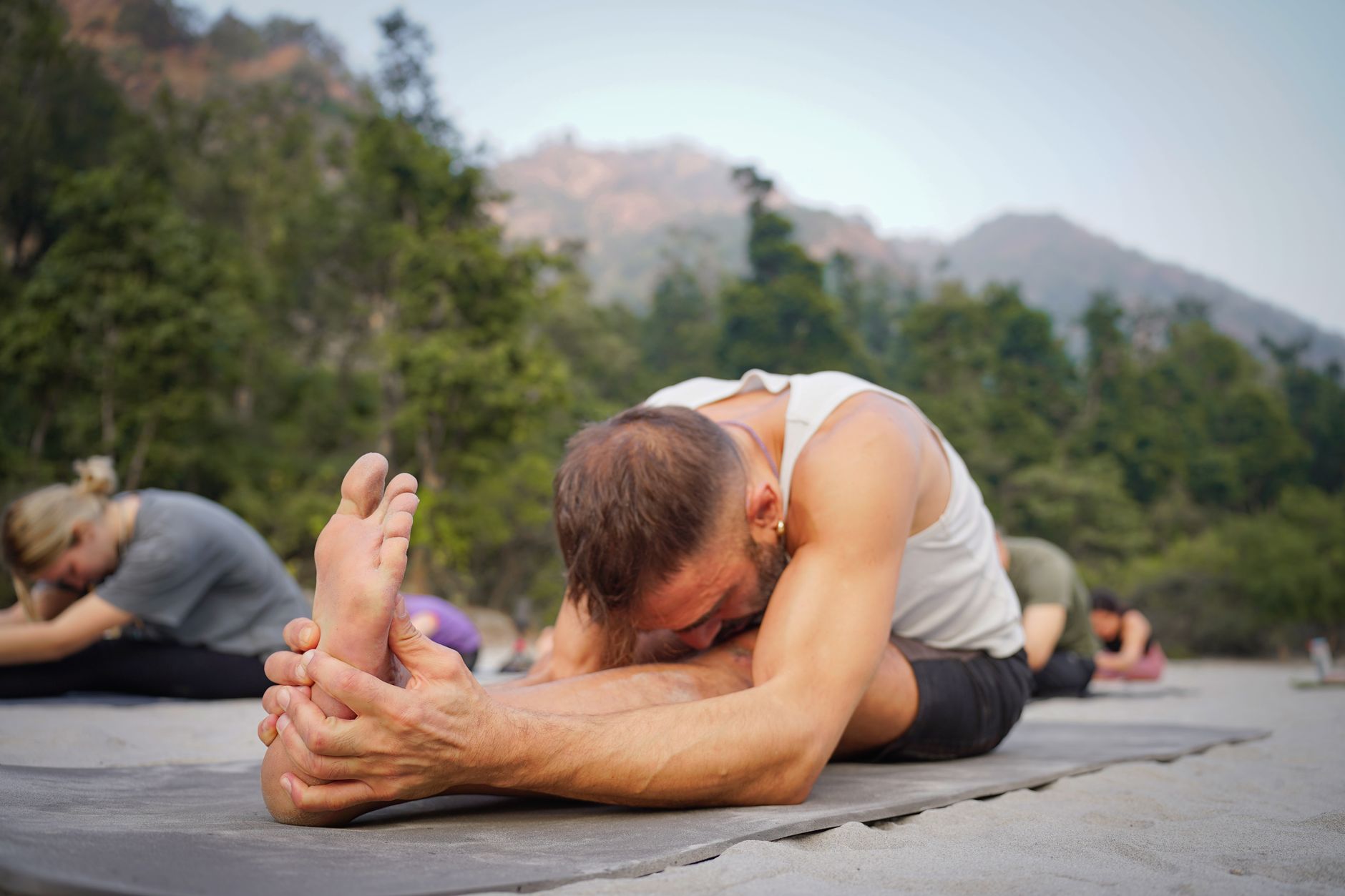
If you're thinking about stepping away from your regular routine to deepen your practice, 2026 is the perfect year to explore what the United States has to offer. Yoga retreats in America have evolved significantly—no longer confined to quiet ashrams in remote mountains, they now blend traditional teachings with modern amenities, diverse landscapes, and specialized programs tailored to different experience levels and goals.
Whether you're a beginner looking for your first immersive experience, an advanced practitioner seeking to refine your technique, or someone simply needing rest and renewal, the best yoga retreats in the United States deliver transformative experiences right here at home. The beauty of choosing a domestic retreat is convenience: no passport required, minimal travel time, and often lower costs than international alternatives. Let me walk you through what makes these retreats special and how to find the right one for you.
Why Choose a Yoga Retreat in the United States?
A yoga retreat isn't just a vacation—it's a structured environment designed to interrupt your normal patterns and create space for genuine transformation. Research shows that immersive wellness experiences can reduce cortisol levels by up to 25% and improve sleep quality for weeks after returning home. When you remove yourself from daily stressors, your nervous system gets permission to reset.
U.S.-based retreats offer distinct advantages. First, there's accessibility. You're not battling jet lag or adapting to extreme climate changes, which means your body can focus entirely on the practice. Second, the diversity of landscapes is remarkable—you can practice yoga in mountain settings, coastal environments, desert terrain, or forest sanctuaries, each offering unique energetic qualities. Third, many American retreats incorporate pranayama and breath awareness techniques alongside asana work, creating a more holistic experience than some international programs.
Additionally, U.S. retreats often feature teachers trained at established yoga schools. If you're considering yoga teacher training yourself, understanding what makes quality yoga education will help you recognize excellent instruction during a retreat as well.
Mountain Retreats: Colorado and California
Mountain environments naturally amplify yoga's meditative benefits. The altitude, fresh air, and panoramic views create a grounding backdrop for your practice.
Colorado's High Country Retreats
Colorado offers some of the most stunning mountain settings in the country. Retreats in the Boulder and Aspen areas typically feature morning practices timed with sunrise, afternoon philosophy sessions, and evening restorative yoga. The elevation (7,000–10,000 feet) naturally increases oxygen utilization, strengthening your cardiovascular system even during gentle practices.
California's Sierra Nevada and Big Sur
If you prefer dramatic coastal mountain views, California's retreats near Big Sur are unbeatable. These programs often combine yoga with hiking, so you'll practice asana in the morning, spend the afternoon exploring trails, and return for yin yoga as the sun sets. The combination of movement and stillness is particularly effective for stress relief.
Coastal Retreats: Florida, South Carolina, and California Coast
Water has a naturally calming effect on the nervous system. Coastal retreats leverage this, often incorporating breathing practices that align with ocean rhythms.
Florida's Wellness Centers
South Florida retreats offer year-round warm weather, making them ideal for winter escapes. Many include beach yoga at sunrise, followed by studio classes and evening walks along the shore. The consistent warmth means you'll stay flexible and relaxed throughout your stay.
South Carolina's Lowcountry Sanctuaries
The Charleston and Beaufort areas host retreats that blend yoga with local wellness traditions. Many programs feature salt water therapy and grounding practices in nature—perfect if you're interested in root chakra healing and grounding work.
Desert and Southwest Retreats: Arizona, New Mexico, Utah
Desert environments demand presence. The open space, silence, and expansive sky create ideal conditions for deep introspection and pranayama work.
Sedona, Arizona
Sedona's red rocks are famous for their spiritual energy, and the town hosts numerous retreat centers. Programs here often emphasize vinyasa flow and alignment-based styles, with the landscape as your natural meditation object. Many retreats in Sedona run 5–7 days and include meals featuring fresh, local produce.
Santa Fe and Taos, New Mexico
These high-desert towns attract serious practitioners. Retreats often involve smaller group sizes (12–20 people) with more personalized attention. You'll find programs focusing on specific styles—whether you're drawn to traditional Hatha, modern Vinyasa, or specialized practices like yin yoga for injury recovery.
Forest Retreats: Vermont, Oregon, and the Pacific Northwest
Forest bathing—or simply being present in a wooded environment—has documented benefits for immune function and mental clarity. Forest-based retreats combine these benefits with yoga practice.
Vermont's Green Mountains
Vermont retreats offer intimate, small-group experiences often limited to 15–25 participants. The autumn foliage (September–October) is particularly stunning. These programs typically emphasize Iyengar or alignment-based yoga, with careful attention to proper form and understanding the three planes of movement.
Oregon's Pacific Northwest
Oregon's retreat centers offer eco-conscious programs in stunning forest settings. Many integrate yoga with permaculture education, local food sourcing, and environmental activism—ideal if you want your retreat to align with deeper values.
Specialized Retreat Programs for 2026
Beyond traditional all-yoga retreats, consider specialized programs matching your specific needs.
Yoga for Athletes and Recovery
If you're an active person, retreats focusing on injury prevention and recovery might serve you better. Many U.S. centers now offer yoga for cyclists and athletes, with teachers trained in anatomy and therapeutic applications. These retreats blend strengthening poses with deep stretching and mobility work.
Teacher Training Intensives
Some U.S. retreats double as intensive teacher training programs. A 7–10 day immersion can deepen your understanding of alignment, philosophy, and teaching methodology. Even if you're not planning to teach, these programs offer profound learning.
Retreat Meets Adventure
Increasingly popular are hybrid retreats combining yoga with hiking, kayaking, or skiing. These appeal to people who love movement variety and want to experience yoga as part of a holistic wellness lifestyle rather than isolated practice.
What to Look for When Choosing Your Retreat
Teacher Credentials and Teaching Style
Verify that teachers are registered yoga instructors with recognized certifications. Look for bios mentioning specific training lineages and years of experience. The best retreats are transparent about teacher backgrounds.
Group Size and Accommodation
Smaller retreats (under 20 people) allow for more personal attention. Consider whether you want private rooms or are comfortable with shared accommodation—often the latter creates stronger community bonds and costs less.
Schedule and Pace
Some retreats pack classes from 6 a.m. to 8 p.m.; others balance practice with free time. Know yourself: do you thrive with structure, or do you need flexibility?
Meals and Dietary Accommodations
Ask whether meals are included, and if special diets (vegan, gluten-free, allergies) are accommodated. Nutrition plays a crucial role in retreat experiences—fresh, whole foods complement the physical and mental reset you're pursuing.
Cost and Value
U.S. retreats range from $800–$3,000+ for a week. Higher cost doesn't always mean better quality. Compare what's included: meals, accommodations, number of classes, teacher experience, and location amenities. A $1,200 retreat offering three meals daily, private room, and five classes per day is better value than a $1,500 retreat with shared rooms and two daily classes.
Practical Tips for Your Retreat Experience
Prepare Your Body Beforehand
If you've been inactive or practicing sporadically, begin a gentle home practice 4–6 weeks before your retreat. This prevents soreness and helps you progress faster during the intensive schedule. Building a home yoga practice beforehand transforms your retreat experience.
Set an Intention
Before arriving, clarify why you're going. Are you seeking healing from an injury, stress relief, spiritual deepening, or community? Having a clear intention guides your experience and helps you extract maximum value.
Arrive Early
If possible, arrive a day before the official start. This lets you acclimate to the environment, meet teachers and fellow participants, and settle your nervous system before intensive practice begins.
Embrace the Digital Detox
Most retreats discourage or ban phones and internet. Use this as permission to truly disconnect. The first 24–48 hours feel uncomfortable for many; by day three, most people feel profound relief.
Journal Your Experience
Bring a notebook. Evening journaling helps consolidate insights and gives your mind something productive to do during free time. Retreats often generate subtle shifts in perspective that journaling helps you articulate
Subscribe to the newsletter
Subscribe to my newsletter to get the latest updates and news