What's in a Yoga Teacher Training Course: A Detailed Breakdown

yoga teacher training course

Not sure what to expect from yoga teacher training? Here's what legitimate programs actually teach—and what to look for when choosing one.

You've been practicing yoga for a few years now. You understand the difference between a cue and a correction. You feel grounded on the mat. And you're wondering: could I teach this? If that's where you are, a yoga teacher training course might be your next step. But before you enroll, it helps to know exactly what you're signing up for—not just the hype, but the actual structure, content, and rigor of a real training program.

What a Yoga Teacher Training Course Actually Is

A yoga teacher training course is a structured program designed to prepare you to teach yoga safely and effectively to others. Unlike a yoga class, which focuses on your personal practice, teacher training focuses on anatomy, sequencing, cueing, philosophy, and how to adapt poses for different bodies and needs. The course equips you with both the knowledge and the skills to step into a teaching role with competence and confidence. Most programs culminate in certification—either a 200-hour RYT (Registered Yoga Teacher) through Yoga Alliance, or other credentialing bodies like the International Association of Yoga Therapists (IAYT) for specialized training.

The Core Curriculum: What You'll Study

Asana Practice and Anatomy

The foundation of any yoga teacher training is deep study of asana—the physical poses. You'll learn proper alignment, common misalignments, and how to recognize when someone's body isn't suited to a particular pose. This isn't casual observation. You're learning skeletal anatomy, joint structure, and how different bodies move differently. Programs cover the skeletal and muscular systems in practical terms: where the femur sits in the hip socket, how the shoulder girdle connects to the spine, what's happening in your knees when you fold forward. You'll study contraindications—which poses are unsafe after injury, during pregnancy, or for people with certain conditions. This knowledge prevents injury and keeps your students safe.

Philosophy and the Eight Limbs of Yoga

Yoga is not just physical. A credible teacher training program teaches the philosophical roots of yoga, particularly the Yoga Sutras of Patanjali and the eight limbs (ashtanga). You'll study the Yamas (ethical restraints like ahimsa, non-harming) and Niyamas (personal observances like saucha, purity). You'll explore what dharma, karma, and tapas mean in practical life. Some programs include texts like the Bhagavad Gita or the Upanishads. This isn't academic busywork—understanding these principles gives you a framework for teaching yoga as more than exercise. It informs how you show up as a teacher and what values you bring to your classes.

Pranayama and Meditation

Breath work and meditation are core yoga practices, not add-ons. You'll learn specific pranayama techniques—Ujjayi breathing, Nadi Shodhana (alternate nostril breathing), Kapalabhati (skull-shining breath)—and when to teach them, to whom, and why they work. You'll practice meditation daily and study how different techniques affect the nervous system. You'll learn how to guide students safely into meditation, handle common challenges like racing thoughts, and adapt practices for beginners and experienced meditators. This section often includes study of the chakra system and the subtle body, though the depth varies by program.

Teaching Skills and Class Management

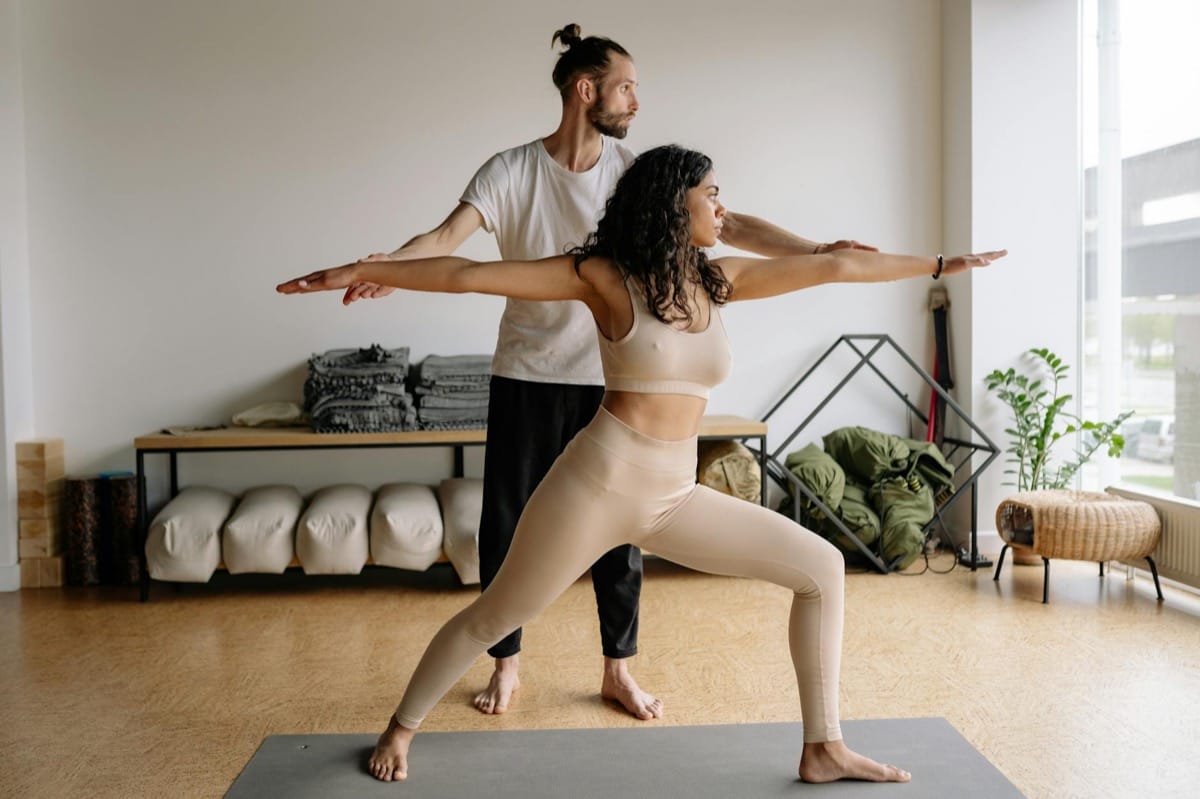
Theory alone doesn't make you a teacher. Strong programs dedicate significant time to teaching methodology. You'll practice cueing—how to use words, hands-on adjustments (if your lineage includes them), and demonstration to guide students into poses. You'll learn to sequence classes with purpose and flow. You'll study how to manage a class: pacing, timing, energy, transitions between poses. You'll practice giving feedback without judgment. You'll learn the business side too—how to market yourself, set rates, build a client base, and understand the contracts and liability issues of teaching yoga. Some programs include modules on social media, studio management, or niche teaching (prenatal yoga, yoga for athletes, yoga for trauma).

Program Format and Duration

200-Hour Yoga Teacher Training

The 200-hour program is the entry-level standard set by Yoga Alliance. It's the minimum hour requirement to become an RYT-200. You'll need 50+ hours of asana instruction, 50+ of philosophy and history, 50+ of teaching methodology, and 10+ of practicum (actually teaching under supervision). The remaining hours are flexible and might cover anatomy, pranayama, meditation, business, or specialized topics. Most 200-hour programs run 4-6 weeks full-time (immersive intensives), 2-3 months in daily evening classes, or 6-12 months part-time with weekend intensives. Costs range from $2,000 to $5,000 domestically, often more for immersive programs in popular locations like Bali or Costa Rica.

Advanced and Specialty Programs

After your 200-hour training, many teachers pursue additional credentials. 300-hour programs (which combine with your 200-hour to reach 500 hours) go deeper into philosophy, advanced teaching techniques, and anatomy. Specialty certifications focus on prenatal yoga, trauma-informed yoga (often through programs aligned with IAYT standards), yoga for anxiety, chair yoga for seniors, or yoga therapy. These typically range from 40 to 300 hours depending on the credential, with costs between $1,500 and $10,000. Organizations like Yoga Alliance and IAYT set standards and accredit many programs, though not all legitimate trainings carry their seal.

What to Look For in a Program

Accreditation and Lineage

Check whether the program is registered with Yoga Alliance (look for RYA on their site or YACEP for continuing education). This doesn't guarantee quality, but it means the program met minimum standards for hours, curriculum, and instructor credentials. Know your teacher's lineage. Did they train in Hatha, Vinyasa, Iyengar, Kundalini, Yin, or another style? Each has different emphases. Iyengar programs emphasize precise alignment. Vinyasa focuses on flowing movement and breath-to-movement connection. Kundalini emphasizes energy and mantra. None is superior—but they're different, and you should know what you're getting.

Teacher Credentials and Experience

Your teachers should be experienced. A responsible program has instructors with at least 10 years of personal practice, several years of teaching experience, and ideally their own advanced certifications. Ask how long each instructor has been teaching and whether they're actively teaching beyond the training program. An instructor who only teaches trainings is less grounded in real student dynamics than one who runs regular classes.

Community and Practicum

The best programs have cohesion. You're learning alongside people who'll support you and challenge you. Look for programs with practicum built in—actual teaching experience with feedback. Some offer ongoing community support after graduation. A program that drops you at the finish line is less useful than one that continues to mentor and train you as you start teaching.

Online vs. In-Person Training

Online yoga teacher training has expanded, especially since 2020. Many reputable programs now offer hybrid or fully online options. Online works if you have discipline, reliable internet, and honest assessment of your alignment (or you attend occasional in-person intensives for hands-on feedback). In-person training is traditionally stronger for receiving adjustments, real-time feedback on your teaching, and community building. Hybrid models—mostly online with required in-person intensives—often strike a balance. Yoga Alliance now accepts online training if certain standards are met, but research each program individually. An online program from a respected teacher or studio with active feedback is better than a mediocre in-person program.

The Practicum: Your First Real Teaching

One of the most valuable parts of any training is the practicum—the hours you actually spend teaching real students under supervision. You'll teach short classes, receive constructive feedback, and learn what it feels like to hold space and responsibility for others' safety. Most programs require you to teach a minimum number of classes (often 10-12) to others in the program. Some extend beyond that and have you teach community classes or private sessions with evaluation from an instructor. This is where theory becomes real. Your teacher will point out when your cueing was unclear, when you missed someone struggling, when your sequencing didn't flow. This feedback, while sometimes uncomfortable, is invaluable.

After Certification: What Happens Next

Finishing your 200-hour training is the beginning, not the end. You'll receive your certification and RYT-200 status (through Yoga Alliance, if your program is registered). You can now legally market yourself as a certified yoga teacher and teach in studios, gyms, corporate settings, or privately. But your learning doesn't stop. Most studios expect ongoing professional development—attending workshops, refining your practice, possibly pursuing advanced certifications. Yoga Alliance requires continuing education (30 hours every three years) to maintain your RYT status. The best teachers never stop being students.

Choosing the Right Program for You

Start by asking yourself what kind of yoga resonates with you and what kind of teaching environment you envision. Do you want to teach in studios or start your own practice? Do you want to work with a specific population—kids, seniors, athletes, people in trauma recovery? Different programs emphasize different applications. Talk to graduates. Ask teachers at studios you respect where they trained. Sit in on a class with a potential trainer if possible. Request a conversation with the program director. Ask specific questions: How much hands-on anatomy will I learn? Will I practice adjusting students? What happens if I'm struggling with the material? Are there scholarships or payment plans? What's the typical class size during training? A good program will answer these thoughtfully and won't pressure you into enrollment.

A yoga teacher training course is significant—in time, money, and commitment. It's also one of the most rewarding investments you can make if you're called to teach. The right program will deepen your own practice, give you practical skills, ground you in philosophy, and prepare you to guide others safely. Take time to find it.

Subscribe to the newsletter

Subscribe to my newsletter to get the latest updates and news