Yoga Retreats in Nosara Costa Rica with Surfing Included
Imagine waking up to the sound of ocean waves, rolling out your yoga mat on a wooden deck overlooking the Pacific, and spending your morning moving through sun salutations as the Costa Rican sun rises. Then, after a nourishing lunch and rest, you paddle out into warm water to catch some of the best waves on the country's west coast. This is the reality of a yoga retreat in Nosara, Costa Rica—a place where the ancient practice of yoga meets the modern thrill of surfing.
Nosara has become one of Central America's premier destinations for yoga and wellness seekers, especially those who want to combine their practice with adventure. The region's consistent warm weather, pristine beaches, and welcoming community make it ideal for both beginners and experienced practitioners. Whether you're looking to deepen your yoga journey, learn to surf, or simply unplug from the demands of daily life, Nosara offers something genuinely transformative.
Why Nosara Is Special for Yoga and Surfing
Nosara sits on the Nicoya Peninsula, a region so renowned for its longevity and wellness culture that it's considered one of the world's "Blue Zones"—areas where people consistently live longer, healthier lives. The combination of clean ocean air, nutrient-rich local food, and a laid-back pace of life creates an ideal environment for retreat.
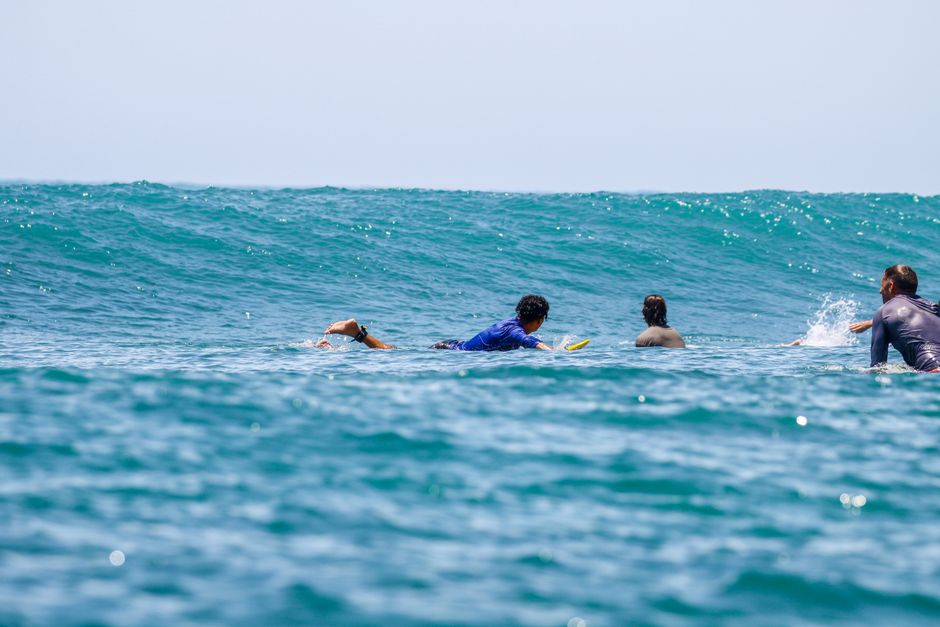
The beaches here—particularly Playa Guiones and Playa Pelada—offer consistent, rolling waves suitable for surfers of all levels. Unlike more intense surf spots, Nosara's waves are forgiving enough for beginners yet engaging enough for intermediate surfers. The water temperature hovers around 80°F year-round, so you won't need a wetsuit, and the offshore breezes create clean wave faces in the morning hours.
What makes Nosara different from other yoga destinations is this dual focus. You're not just practicing yoga in isolation; you're combining it with a physical, exhilarating activity that demands presence, breath awareness, and mental clarity—all core principles of yoga philosophy. Surfing itself can be seen as a moving meditation.
The Physical Benefits of Combining Yoga and Surfing
When you pair yoga with surfing, you're creating a comprehensive physical training program that addresses strength, flexibility, balance, and endurance.
Strength and stability: Paddling out and popping up on the board demands explosive power from your shoulders, core, and legs. A regular yoga practice—especially styles that emphasize arm balances, standing poses, and core work—prepares these muscle groups and prevents injury. Yoga also improves proprioception, your body's awareness of itself in space, which directly translates to better balance on the board.
Flexibility and recovery: Surfing is intense and can leave you sore, especially in the shoulders, lower back, and hip flexors. Yoga's stretching sequences help maintain range of motion and speed recovery between sessions. Styles like pigeon pose for hip opening are particularly valuable after surfing.
Breath control: Both practices emphasize breath awareness. Pranayama breathing techniques taught in yoga strengthen your respiratory capacity, making it easier to paddle harder and stay calm when you're caught in a challenging situation in the water. This nervous system regulation carries over into your daily life as well.
Mental resilience: Surfing teaches you to embrace discomfort and uncertainty. Yoga teaches you to observe sensations without judgment. Together, they cultivate mental toughness and equanimity—the ability to remain calm whether you're wiping out or nailing a perfect wave.
What to Expect from a Typical Yoga and Surf Retreat Day
Most retreats in Nosara follow a similar rhythm, though specific schedules vary by program. Here's what a typical day might look like:
- 6:00–7:00 AM: Early morning yoga class, often focusing on gentle flows and breath work to prepare both mind and body for the day ahead.
- 7:00–8:00 AM: Breakfast featuring fresh tropical fruit, eggs, whole grains, and local coffee.
- 8:30–11:00 AM: Surfing session. Instructors teach fundamentals to beginners and offer tips for intermediate surfers. The early morning is when waves are cleanest.
- 11:30 AM–12:30 PM: Recovery yoga—gentler stretching and restorative poses to help your muscles integrate the work from surfing.
- 12:30–2:00 PM: Lunch, usually a substantial meal with local fish, vegetables, and rice.
- 2:00–4:00 PM: Free time for rest, exploring the town, getting a massage, or practicing on your own.
- 4:00–5:30 PM: Optional afternoon yoga class, often a more vigorous vinyasa flow or strength-building sequence.
- 5:30–6:30 PM: Sunset time—many people relax on the beach or take a final dip in the ocean.
- 6:30–8:00 PM: Dinner and evening activities, which might include meditation, sound baths, or guest talks on nutrition and wellness.
Choosing the Right Retreat for You
Not all yoga and surf retreats are created equal. Here's what to evaluate:
Experience level: Be honest about your yoga and surfing backgrounds. Some retreats cater exclusively to beginners, while others assume intermediate proficiency. A good retreat offers modifications for different levels within the same class.
Class size: Smaller groups (8–12 people) allow for more personalized attention. Larger retreats (20+ people) offer more community and are often more affordable, but the instruction may be less tailored.
Teacher qualifications: Your yoga instructor should hold a recognized certification—ideally a 200-hour minimum. Your surf instructor should have experience teaching beginners safely. Ask about their background before booking.
Accommodation and food: Retreat centers range from basic beachfront cabins to upscale villas. Consider whether vegetarian or vegan options are available if that matters to you. Read recent reviews about food quality and quantity.
Included vs. optional: Clarify what's bundled into the retreat cost. Some programs include all meals and activities; others charge à la carte. Understand cancellation policies and what happens if you're injured.
Curriculum and philosophy: Some retreats blend yoga philosophy with surfing in intentional ways, while others simply offer both activities separately. If integration appeals to you, look for programs that explicitly teach the mind-body connections between the two practices.
Best Times to Visit Nosara
Timing affects both wave quality and your comfort on the retreat.
Dry season (December–April): This is peak retreat season. Weather is consistently sunny, waves are reliable, and the town is vibrant with other travelers. Prices are higher, and retreats fill up faster. January and February are the busiest months.
Green season (May–November): Afternoon rain is common, but mornings are usually clear and suitable for yoga and surfing. Fewer tourists mean lower prices and a more intimate experience. The water is warmest in September and October. August can be rainy.
Wave conditions: Nosara has swell most of the year. Waves are generally better (more consistent and organized) from May through October, with August–October offering particularly good conditions. During the dry season, waves can be smaller or mushier, though still suitable for learning.
Practical Tips for Your Retreat
- Arrive a day early: Jet lag and travel fatigue are real. Arriving one or two days before your retreat officially starts gives your body time to acclimate and reduces the chance of injury.
- Bring sun protection: Even in morning classes, UV exposure is intense near the equator. Pack reef-safe sunscreen (crucial for protecting ocean ecosystems), a hat, and a lightweight, long-sleeved rash guard for surfing.
- Stay hydrated: The tropical heat combined with physical exertion means you'll lose water faster than you think. Drink more than you think you need, and include electrolytes.
- Manage expectations about progress: You won't become an expert surfer in a week, nor will your yoga practice transform overnight. Reframe the retreat as an immersion and seed-planting, not a quick fix.
- Bring a good yoga mat or use theirs: If you're particular about your mat, choosing a quality yoga mat for travel is worthwhile. Most retreats provide mats, but personal preference matters for your practice.
- Plan for soreness: Your shoulders and hamstrings will likely be sore on days 2–3. Expect this, and don't skip recovery yoga thinking you're weak. This is normal adaptation.
- Bring a waterproof journal: Nosara inspires reflection. Having a place to process insights, gratitude, and observations enriches the experience.
After Your Retreat: Sustaining the Practice
The real value of a retreat emerges in how you integrate it into your life afterward. Many people return home energized but lose momentum within weeks. Here's how to maintain the benefits:
- Establish a consistent home yoga practice. Building a home yoga practice doesn't require perfect conditions—even 15 minutes daily will maintain your progress.
Subscribe to my newsletter to get the latest updates and news