Yoga for Sleep: A Bedtime Sequence for Better Rest

Yoga for Sleep: A Bedtime Sequence for Better Rest

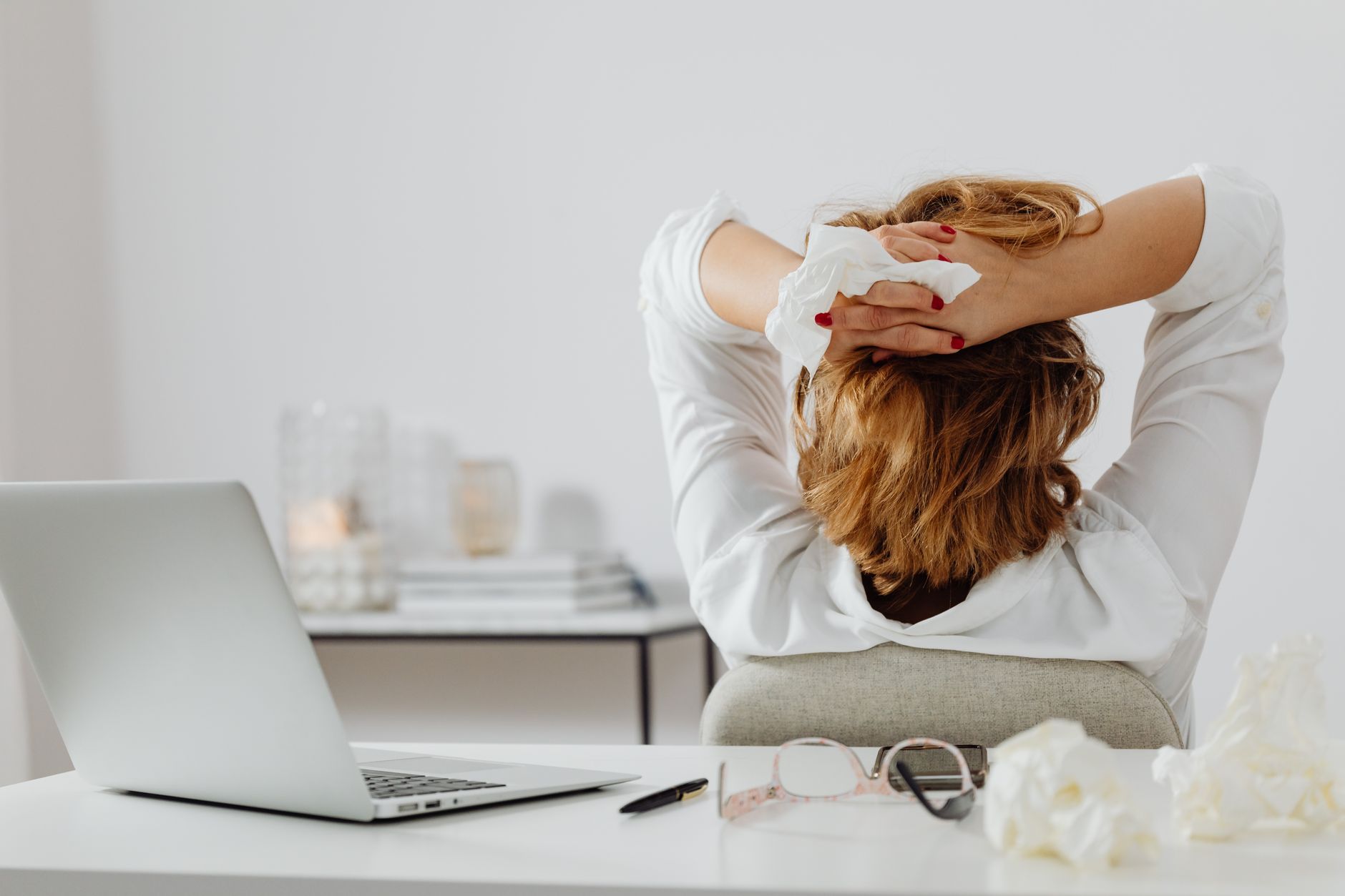
If you're lying awake at night, watching the clock and wondering why sleep won't come, you're not alone. Millions of people struggle with insomnia and poor sleep quality, reaching for pills or scrolling through their phones in desperation. But there's a gentler, more natural approach waiting for you on your yoga mat.

Yoga has been used for thousands of years to calm the nervous system and prepare the body for rest. Modern science now backs up what yogis have always known: specific poses, breathing techniques, and mindfulness practices can significantly improve sleep quality. In this guide, I'll share a complete bedtime yoga sequence designed to ease tension, quiet your mind, and set the stage for restorative, deep sleep.

Why Yoga Works for Better Sleep

Before we dive into the sequence itself, let's understand why yoga is so effective for sleep. When stress and anxiety build up during the day, they lodge in your body as physical tension. Your nervous system stays in a heightened state, making it difficult to switch into the parasympathetic mode—the "rest and digest" state where sleep naturally occurs.

Yoga addresses this on multiple levels. Gentle stretching releases muscle tension and signals to your brain that it's safe to relax. Conscious breathing slows your heart rate and lowers cortisol levels. Forward folds and restorative poses activate the parasympathetic nervous system directly. And the mindful awareness built into a yoga practice helps quiet the racing thoughts that keep so many of us awake.

Research published in medical journals has shown that regular yoga practice improves sleep onset latency (how quickly you fall asleep), increases sleep duration, and enhances overall sleep quality. Even a short 10-15 minute practice before bed can make a noticeable difference within a few weeks.

How to Prepare Your Space and Body

The environment matters. Create a dedicated sleep sanctuary by dimming the lights 30 minutes before your yoga practice. Use warm, soft lighting—a bedside lamp or candles work well. If possible, practice in your bedroom so there's no transition time between finishing yoga and getting into bed.

Wear comfortable, loose clothing and have a blanket nearby. Your body temperature naturally drops as you wind down, and you'll appreciate having extra warmth during relaxation poses. Keep your yoga mat or a cushion handy, and consider having a pillow for supported poses.

Set an intention before you begin. This might be something simple like "I release the day and welcome rest" or "My body is ready for deep, healing sleep." An intention helps anchor your practice and signals to your mind that this time is sacred.

The Complete Bedtime Yoga Sequence

This sequence is designed to be practiced 20-30 minutes before sleep. Move slowly and mindfully through each pose, spending 1-2 minutes in gentler stretches and 3-5 minutes in deeper, more restorative poses. If any pose causes discomfort, skip it and move to the next one. Your body's comfort is more important than perfect form.

Child's Pose (Balasana)

Begin here to center yourself. Kneel on your mat, bring your big toes together, and sink your hips back to your heels. Let your forehead rest down and extend your arms forward. This pose naturally calms the nervous system and signals that your practice—and your winding down—has begun. Breathe deeply for 1-2 minutes.

Cat-Cow Stretch (Marjaryasana-Bitilasana)

Move to a tabletop position with wrists under shoulders and knees under hips. Inhale as you drop your belly, lift your gaze, and let your chest open (cow pose). Exhale as you round your spine, tuck your chin, and draw your navel in (cat pose). Move slowly and fluidly for 8-10 rounds. This gentle movement releases tension from your spine and synchronizes breath with movement.

Downward-Facing Dog (Adho Mukha Svanasana)

From tabletop, press your hands firmly into the mat and lift your hips high, forming an inverted V-shape. Press your chest toward your thighs. This pose stretches your hamstrings, calves, and shoulders while promoting blood flow to your brain. Stay for 5-8 breaths, then walk your feet closer to your hands.

Forward Fold (Uttanasana)

Standing or with feet hip-width apart, fold your torso over your legs. Let your head hang heavy—this is key. Tension in the neck and shoulders is often the culprit behind sleep troubles, and this pose releases it beautifully. Grab opposite elbows if that feels good, and let gravity do the work. Breathe here for 1-2 minutes.

Shoulder Rolls and Neck Stretches

Stand upright and gently roll your shoulders backward 5-10 times, then forward. This releases held tension. Then slowly tilt your right ear toward your right shoulder, feeling a gentle stretch on the left side of your neck. Hold for 20-30 seconds, then repeat on the other side. Do this twice on each side.

Supine Twist (Supta Matsyendrasana)

Lie on your back and hug your right knee toward your chest. Exhale as you gently draw it across your body toward the left side, allowing your spine to twist. Keep your left leg extended and turn your gaze to the right if that's comfortable for your neck. This pose aids digestion and calms the nervous system. Hold for 1-2 minutes, then repeat on the other side.

Happy Baby Pose (Ananda Balasana)

Lying on your back, hug both knees toward your chest. Grab the outer edges of your feet and gently rock side to side. This playful pose relieves lower back tension and has a naturally calming effect. Spend 1-2 minutes here, letting go of any remaining tension in your hips and back.

Legs Up the Wall (Viparita Karani)

If possible, scoot your hips close to a wall and extend your legs up the wall while your torso remains on the floor. This inversion is incredibly restorative—it reverses the effects of gravity on your lymphatic system and gently calms your nervous system. If you can't do the full pose, simply lying with your legs elevated on a chair works wonderfully. Stay here for 5-10 minutes if possible.

Corpse Pose with Extended Relaxation (Savasana)

This is where the magic happens. Lie flat on your back, legs extended and slightly apart, arms at your sides with palms facing up. Close your eyes and let your entire body relax into the mat. Don't try to do anything—just be. If your mind wanders (and it will), gently guide it back to the sensation of your breath.

Spend at least 5-10 minutes here. Some people prefer guided meditation or a body scan during this time. Others simply focus on their breath, mentally releasing each body part as they breathe out. You might even set a gentle alarm so you can simply drift into sleep if that happens.

Breathing Techniques to Enhance Sleep

Pair your sequence with pranayama (breathing techniques) to deepen the sleep-promoting effects. Dirga Pranayama (three-part breath) is particularly effective: breathe deeply into your belly, then rib cage, then chest. Then exhale in reverse order. Do this for 5-10 rounds before bed.

Another powerful technique is 4-7-8 breathing: inhale for 4 counts, hold for 7 counts, and exhale for 8 counts. The extended exhale activates your parasympathetic nervous system. Practice this for 5-8 rounds.

Creating a Consistent Practice

The key to experiencing real benefits is consistency. Aim to practice this sequence at least 4-5 nights per week. Your nervous system will begin to recognize the cues—the familiar poses, the breathing, the intention—and start preparing for sleep before you even finish.

If 20-30 minutes feels like too much, even 10-15 minutes will help. Start with just Child's Pose, Forward Fold, and Savasana if that's all you have time for. Something is always better than nothing, and a shorter consistent practice beats a longer sporadic one.

Track your sleep for a few weeks before starting this sequence, then continue tracking as you practice. You'll likely notice improvements in sleep onset, duration, and quality within 2-3 weeks. Many people report feeling more rested, having fewer nighttime awakenings, and waking up with more energy.

Common Mistakes and How to Avoid Them

Practicing too close to sleep. While the sequence is designed to prepare you for rest, practicing immediately before bed can sometimes backfire if you're not winding down properly. Aim for 20-30 minutes before sleep to give yourself transition time.

Pushing too hard in poses. This is restorative practice, not a workout. If you feel strain or effort, you're pushing too hard. The goal is to signal safety to your nervous system, not to achieve perfect alignment or depth in poses.

Staying in savasana too short. Many people rush through the final relaxation pose. This is where the deepest benefits happen. Commit to at least 5-10 minutes of true rest.

Inconsistent timing. Practicing at different times each night can confuse your nervous system. Pick a consistent time and stick to it. Your body will begin to anticipate sleep at that hour.

When to Seek Additional Support

While yoga is incredibly effective for most people, some sleep issues have deeper roots. If you've been practicing this sequence consistently for 6-8 weeks and still experiencing significant sleep problems, consider reaching out to a healthcare provider or sleep specialist. Conditions like sleep apnea, restless leg syndrome, or underlying anxiety disorders may require additional treatment alongside your yoga practice.

You might also explore Yoga Nidra for emotional healing, which uses guided meditation and body awareness to process stress at deeper levels and promote restorative sleep.

Final Thoughts

Sleep is not a luxury—it's a biological necessity. By dedicating 20-30 minutes each evening to this gentle yoga sequence, you're honoring your body's need for rest and recovery. You're signaling to your nervous system that it's safe to let go, and you're creating a sacred ritual that separates the busyness of your day from the peace of your night.

The poses in this sequence have been used for thousands of years because they work. Modern science confirms what ancient yogis knew: gentle movement, conscious breathing, and mindful relaxation can transform your sleep. Give this practice time, stay consistent, and trust the process. Better sleep—and all the health benefits that come with it—is waiting for you on your yoga mat.

Yoga for Anxiety: A Calming Practice to Quiet Your Mind — Learn how specific yoga practices can ease racing thoughts and calm your nervous system before bed.

What Is Yoga Nidra? The Complete Guide to Yogic Sleep — Explore the practice of yogic sleep, which pairs beautifully with bedtime yoga sequences for deep rest.

7 Benefits of Restorative Yoga for Rest, Recovery, and Nervous System Healing — Discover how restorative poses activate your parasympathetic nervous system and promote healing.

5 Real Benefits of Yoga Nidra: What Science and Practice Show — Understand the science-backed benefits of yoga nidra for improving sleep quality and overall wellness.

Medical disclaimer: This content is for informational purposes only and is not a substitute for professional medical advice, diagnosis, or treatment. Always consult a qualified healthcare provider before beginning any new exercise program, especially if you have injuries, chronic conditions, or are pregnant. Listen to your body and stop any practice that causes pain.

Subscribe to the newsletter

Subscribe to my newsletter to get the latest updates and news