Yoga for Kids: How to Build a Fun, Age-Appropriate Practice

If you've ever watched a child move through the world—tumbling, stretching, exploring—you've already seen yoga in action. Kids are naturally flexible, curious, and present in the moment. The challenge for parents and teachers is channeling that beautiful energy into a structured practice that keeps them engaged, safe, and grounded.
Yoga for children isn't just a watered-down version of adult practice. When designed thoughtfully, it becomes a powerful tool for building strength, improving focus, managing emotions, and fostering a lifelong relationship with movement and mindfulness. Whether you're a parent looking to introduce yoga at home or an instructor developing age-appropriate classes, this guide will walk you through the essentials.
Why Yoga Matters for Children
The benefits of yoga extend far beyond the physical. Research shows that children who practice yoga experience improvements in flexibility, balance, and core strength—foundational skills that support other sports and activities. But the real magic happens on the inside.
Yoga teaches children to notice their breath, recognize their emotions, and respond rather than react. In a world where kids are increasingly overstimulated by screens and structured activities, yoga offers a space to slow down and reconnect with their bodies. Studies have shown that even short regular practices can reduce anxiety, improve sleep quality, and enhance emotional regulation in children.
Physical benefits include improved posture, coordination, and body awareness. Mental and emotional benefits encompass stress relief, better focus, increased confidence, and tools for self-regulation. Over time, children develop a sense of agency—they learn that they can influence how they feel through breathing, movement, and mindfulness.
Understanding Developmental Stages
Not all children are the same, and yoga practices should shift with age and developmental capacity. What works for a six-year-old will bore a teenager, and what captivates a toddler may be too simplistic for a school-age child.
Ages 3–5: Movement and Storytelling
Young children learn through play and imagination. They have limited attention spans (typically 5–10 minutes for formal practice) and need constant engagement. Focus on animal poses (cat, dog, butterfly), games with breath work, and short guided movements paired with stories.
Safety is paramount at this age. Avoid deep backbends, intense twists, and poses that require sustained balance. Keep instruction simple and use lots of encouragement and fun sound effects. A "roaring lion" breath is far more engaging than "ujjayi pranayama."
Ages 6–8: Rules, Games, and Growing Strength
Children in this range thrive with structure and can handle slightly longer sessions (10–15 minutes). They understand rules, enjoy games, and are developing stronger bodies capable of holding poses a bit longer. Introduce basic sun salutations, simple balance work, and breath awareness through playful exercises like "balloon breathing" or "bee breath."
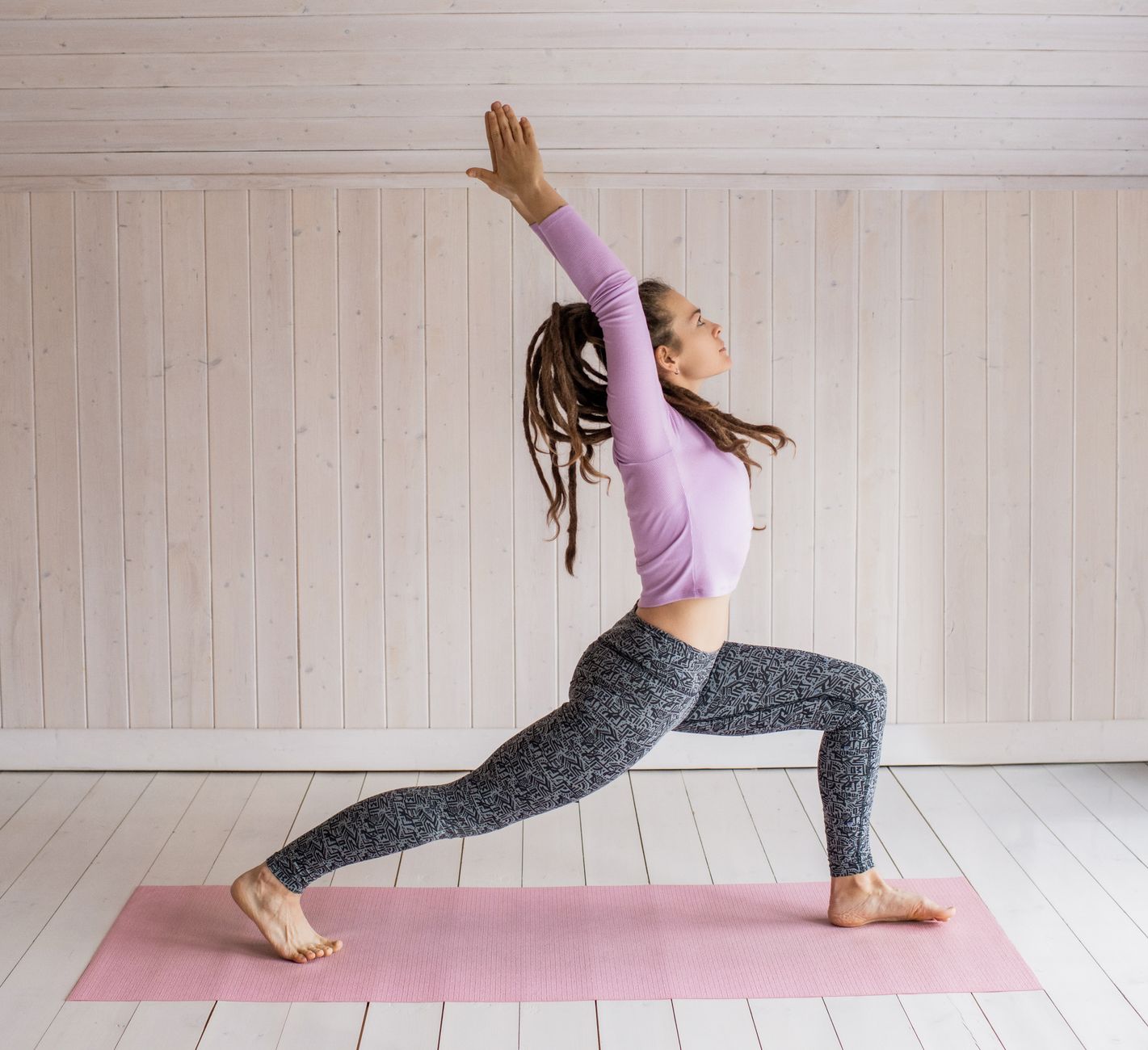
This is an ideal age to begin teaching emotions through poses—tall warrior poses for confidence, gentle forward folds for calming, twists for "wringing out" stress. Children are developing body awareness and can start understanding alignment basics.
Ages 9–12: Building Challenge and Autonomy
Older children want to feel capable and appreciated. They can handle longer classes (20–30 minutes), enjoy learning the "real" names of poses, and appreciate challenges and goal-setting. Introduce variations, teach them why poses matter, and allow them some choice in the practice.
This age group responds well to partner poses, challenges ("Can you hold warrior two for five breaths?"), and understanding the "why" behind practice. They're developing self-consciousness, so create a safe, non-judgmental space and avoid comparisons.
Ages 13+: Teens as Young Adults
Teenagers benefit from yoga as a tool for stress, anxiety, and body image concerns. They appreciate authentic instruction, can handle full-length classes, and often respond well to the philosophy and mental benefits of yoga. Avoid making practice feel childish, but also avoid pushing them toward advanced physical poses prematurely.
This age group may struggle with body image, peer pressure, and academic stress. Frame yoga as a tool for resilience, focus, and self-care—not performance or aesthetics.
Building a Safe, Age-Appropriate Practice
Start with Breath
Breath is the gateway to yoga. Before moving, teach children to notice their breath. Simple exercises like "smell the flower, blow out the candles," alternate nostril breathing, or counting breaths help anchor their attention and activate the parasympathetic nervous system.
Always make breath work playful for young children. Never force deep breathing; let them explore at their own pace.
Keep Poses Accessible
Avoid forcing children into "perfect" alignment if it means they disengage or feel frustrated. A child in child's pose who's paying attention is getting more from yoga than a child in a technically perfect downward dog while thinking about lunch. Offer modifications, celebrate effort over achievement, and remind them that yoga isn't about looking a certain way.
Use Props Generously
Blocks, straps, cushions, and bolsters aren't "training wheels"—they're tools that help children find comfort and stability. A child using a block in forward fold will actually access more of the stretch and feel more successful than one fighting without support.
Create Consistent Rituals
Children thrive on routine. Open with the same breathing exercise, include a familiar song or chant, and close with the same relaxation technique. Over time, these rituals signal to their nervous system that it's time to settle and focus.
Incorporate Mindfulness Naturally
Rather than asking children to "meditate," weave mindfulness into movement. Invite them to notice how their feet feel on the ground, what they hear, how their chest rises and falls. A "mindful walk" through the room or a "five senses" game during relaxation feels more engaging than sitting in silence.
Practical Tips for Teaching or Practicing with Kids
Keep classes short and structured. Thirty minutes maximum for most children, with a clear beginning, middle, and end. Younger children need shorter sessions with more transitions and variety.
Use language carefully. Instead of correcting posture with "don't," reframe with "try this instead." Avoid any language that shames the body. Say "strong legs" instead of "tight hamstrings"; "brave heart" instead of "you're scared."
Plan for movement breaks. Children can't be still for long. Alternate between active poses, calming poses, and short walking breaks. Mix it up to maintain engagement.
Involve them in naming. Ask children what animals or objects poses remind them of. This builds ownership and creativity. Maybe downward dog is a "diving dolphin" in your class.
Make it inclusive. Offer alternatives and modifications without calling them out. "If you want an extra challenge, try this variation" feels better than singling someone out.
Sample Sequences by Age
Ages 3–5: 10-Minute Sequence
Opening (1 min): Sit in a circle. Practice "smell the flower, blow out the candles" breathing.
Warm-up (2 min): Gentle stretches, shoulder rolls, neck circles. Move like animals: stretch like a cat, lumber like a bear.
Poses (4 min): Hold each pose for 2–3 breaths. Cat/cow, butterfly, tree (with support), downward dog (as "puppy pose"), child's pose.
Cool-down and closing (3 min): Gentle guided relaxation lying down. Use calming language and perhaps soft music or a bell to signal the end.
Ages 6–8: 15-Minute Sequence
Opening (2 min): Seated breathing and a brief centering activity (e.g., "Think about how your body feels today").
Warm-up (2 min): Cat/cow, gentle twists, forward folds.
Main practice (8 min): Simple sun salutation (3–5 rounds), standing poses like tree pose, warrior I, and warrior II. Hold each for 4–5 breaths.
Cool-down (3 min): Seated forward fold, butterfly, child's pose, and guided relaxation with a body scan.
Ages 9–12: 25-Minute Sequence
Opening (3 min): Seated breathing, intention-setting.
Warm-up (3 min): Warm-up flows with more dynamic movement.
Main practice (15 min): Sun salutations (5–8 rounds), standing sequence (warrior poses, balance work), seated poses, gentle backbends and forward folds.
Cool-down (4 min): Wind-down sequence, final relaxation, and closing.
When to Consider Yoga Teacher Training
If you're interested in teaching yoga to children professionally, formal training is invaluable. Children's yoga teacher training programs cover child development, age-appropriate modifications, behavior management, and safe sequencing. Many teachers pursue a 200-hour yoga certification first, then specialize in working with kids.
Whether you're teaching your own children at home or developing a class for a studio, the principles remain the same: meet kids where they are, keep them engaged, prioritize safety, and foster a genuine love of movement.
Related programs in our directory:
- a children's yoga specialist school — 4.93★ · 122 reviews
- a studio offering specialty yoga for kids — 4.95★ · 177 reviews
Related Reading
Yoga for Anxiety: A Calming Practice to Quiet Your Mind — Learn how yoga reduces stress and anxiety in people of all ages, including children navigating modern pressures.
Yoga for Sleep: A Bedtime Sequence for Better Rest — Discover gentle poses and techniques to help children wind down and improve sleep quality naturally.
10 Best Children's Yoga Teacher Training Programs Online in 2025 — Explore accredited programs if you want to teach yoga to kids professionally or deepen your knowledge.
What Are Yoga Blocks: A Practical Guide to Using Props for Better Alignment — Master the use of props to make yoga more accessible and enjoyable for young practitioners.
Medical disclaimer: This content is for informational purposes only and is not a substitute for professional medical advice, diagnosis, or treatment. Always consult a qualified healthcare provider before beginning any new exercise program, especially if you have injuries, chronic conditions, or are pregnant. Listen to your body and stop any practice that causes pain.
Subscribe to the newsletter
Subscribe to my newsletter to get the latest updates and news