
Yoga for Beginners: Everything You Need to Start a Home Practice
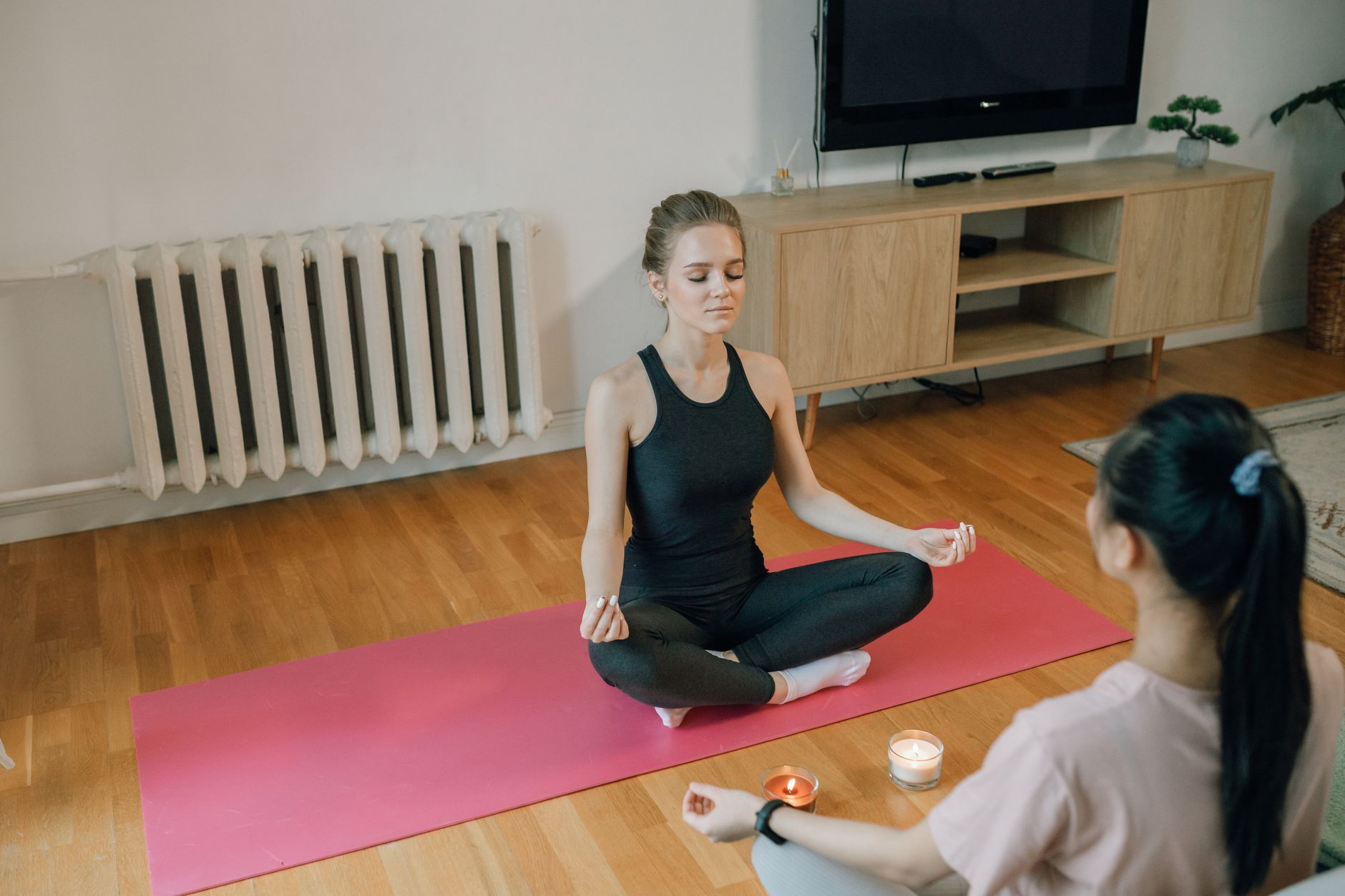
Starting a yoga practice can feel intimidating. You might worry about flexibility, worry you'll "do it wrong," or feel overwhelmed by the sheer number of styles and sequences available online. The truth? Yoga is for every body, every flexibility level, and every schedule—especially when you practice at home.
A home practice removes the pressure of keeping up with a class full of strangers. It gives you permission to move at your own pace, pause when you need to, and build confidence in your own body. Whether you have 10 minutes or an hour, a yoga mat or just a carpeted corner, you can start today.
This guide will walk you through everything you need to begin a sustainable, enjoyable home yoga practice.
Why Start a Home Yoga Practice?
There are real, measurable reasons why beginning yoga at home works so well for beginners. First, there's no judgment. You're not comparing yourself to the flexible person in the front row. Second, you control the pace. If a pose doesn't feel right, you can modify it or skip it entirely. Third, consistency becomes easier. You don't have to schedule around class times or commute anywhere. You roll out your mat whenever suits you best.
The scientific evidence supports yoga as a practice tool for beginners. Research published in the International Journal of Yoga shows that even 8 weeks of regular yoga practice can improve flexibility, balance, and strength. Other studies show measurable reductions in anxiety and cortisol (stress hormone) levels after just a few weeks of consistent practice. When you remove barriers like commute time and self-consciousness, you're far more likely to stick with it long enough to feel those benefits.
What You Actually Need to Get Started
One of the biggest myths about yoga is that you need lots of expensive gear. You don't. Here's the bare minimum:
- A yoga mat: This prevents your hands and feet from slipping and provides cushioning for your joints. A basic mat costs $15–30 and will serve you well as a beginner. You don't need a premium mat yet.
- Comfortable clothes: Anything you can move freely in works. Loose pants or leggings, a t-shirt or tank top. Nothing restricting around your belly or chest.
- A quiet space: Even a corner of your bedroom or living room is fine. You need enough room to extend your arms and legs in all directions without hitting furniture.
- An online resource: A YouTube channel, app, or subscription service. More on this below.
That's genuinely all you need to begin. Props like blocks, straps, and bolsters are helpful as you progress, but they're not necessary for starting out. If you do want to explore props later, you can find affordable options online or even make substitutions (a sturdy chair can replace a block, a belt or scarf can work as a strap).
Choosing a Style That Fits Your Goals
Yoga isn't monolithic. There are many styles, each with a different emphasis. As a beginner, you're not choosing your "forever style"—you're just picking a starting point. You can always explore other styles later.
Hatha Yoga is the most beginner-friendly traditional style. Poses are held longer, which gives your body time to adjust and your mind time to settle. There's less flowing between poses, so you won't feel rushed.
Vinyasa Yoga moves more fluidly, linking breath with movement. It builds heat and strength. Some beginner classes in this style move slowly enough to be accessible, but be honest with yourself about your fitness level. You can always explore Power Yoga later as you build strength.
Yin Yoga involves holding poses for longer periods (2–5 minutes), targeting deep connective tissues. It's deeply relaxing and perfect for flexibility and stress relief, though it can feel boring if you prefer movement.
Kundalini Yoga emphasizes breath work, meditation, and chanting alongside physical poses. The philosophy is more explicit, and many people find it profoundly spiritual—though some beginners find it feels less "traditional."
For most absolute beginners, a beginner Hatha class or a slow vinyasa flow is the sweet spot. You'll get clear instruction, time to explore each pose, and a sense of accomplishment without feeling overwhelmed.
Finding Reliable Online Resources
YouTube offers thousands of free yoga videos. The downside? Quality varies wildly. Look for channels with high view counts, clear production, and teachers who move slowly and give clear cues. Popular beginner-friendly channels include Yoga with Adriene, Down Dog, and Fightmaster Yoga.
If you prefer a more structured approach, consider a subscription service like Yoga with Adriene's membership, Glo, or Peloton Digital. These platforms vet their teachers, organize classes by level and length, and often include meditation and breathwork alongside asana (poses). Most offer free trials, so you can test before committing.
You can also explore local yoga studios offering online classes. Many independent studios and established schools have moved to hybrid or fully online teaching models, giving you access to experienced teachers without leaving home. Some traditional training centers like yoga teacher training programs also offer beginner courses designed for home practice.
How to Structure Your First Week
Don't try to practice every day at first. Your body needs recovery time, and building a sustainable habit is more important than rushing through intense practice.
Days 1–3: Explore the basics
Find a 20–30 minute beginner class and do it. Don't worry about "doing it right." Your only job is to move your body and get familiar with basic poses: downward dog, child's pose, mountain pose, warrior one, and cat-cow. Notice how your body feels. Do you prefer slower or faster-paced instruction? More talking or less?
Days 4–5: Repeat or try something different
Do the same class again (repetition helps you learn), or try a different class from a different teacher. You're looking for what clicks. Maybe you love a calming teacher's voice, or you prefer a faster pace. There's no wrong answer—just what works for you.
Days 6–7: Rest or gentle practice
Take a complete rest day, or do a 10–15 minute gentle class or stretching video. Your nervous system needs downtime to integrate the practice.
Essential Beginner Poses and Their Benefits
You'll encounter these poses repeatedly in any beginner class. Knowing what they're supposed to feel like helps you practice safely.
Mountain Pose (Tadasana): Stand with feet hip-width apart, arms at your sides, weight distributed evenly. This seems simple, but it teaches you proper alignment and engages your entire body. It's foundational for standing poses.
Downward Dog (Adho Mukha Svanasana): An inverted V-shape. This stretches your hamstrings, calves, and shoulders while building arm strength. Don't worry if you can't put your heels flat on the ground—that comes with time.
Child's Pose (Balasana): A restorative pose where you kneel, sit your hips back to your heels, and rest your forehead on the mat. This is your "home base" when you need a break. You can do child's pose anytime during practice without needing permission.
Warrior One (Virabhadrasana I): A powerful standing pose that builds leg strength and confidence. Many beginners feel stronger just by holding this pose.
Cat-Cow (Marjaryasana-Bitilasana): A gentle flowing sequence on your hands and knees. It warms up your spine and teaches breath-movement coordination.
As you progress, you'll naturally want to explore deeper poses and sequences tailored to specific needs, but these five are your foundation.
Common Beginner Mistakes to Avoid
Pushing too hard too fast: Yoga isn't about achieving the "perfect" pose shape. It's about listening to your body and respecting your current flexibility. You'll get deeper with time. Pushing aggressively invites injury and frustration.
Holding your breath: Many beginners tense up and forget to breathe, especially in challenging poses. Breath keeps oxygen flowing and helps you relax. If you're holding your breath, you're probably pushing too hard.
Comparing yourself to the person in the video: That instructor has done thousands of hours of practice. You're on day three. Of course it looks different. Your only job is to meet yourself where you are today.
Skipping warm-up or cool-down: Jumping straight into standing poses cold invites injury. Jumping out of a deep practice without a cool-down or meditation leaves your nervous system overstimulated. A complete class (warm-up, standing poses, floor work, cool-down, savasana) takes longer but serves your whole body.
Ignoring pain signals: Stretching should feel like a mild pull, not sharp pain. If you feel sharp or shooting pain, back off immediately. Distinguish between the sensation of a good stretch and the warning signal of injury.
Using Breath to Deepen Your Practice
Breath is the bridge between body and mind in yoga. Most beginner classes
Subscribe to my newsletter to get the latest updates and news