
Yoga for Alcohol Use Disorder: Month 1 of Sobriety Sequence
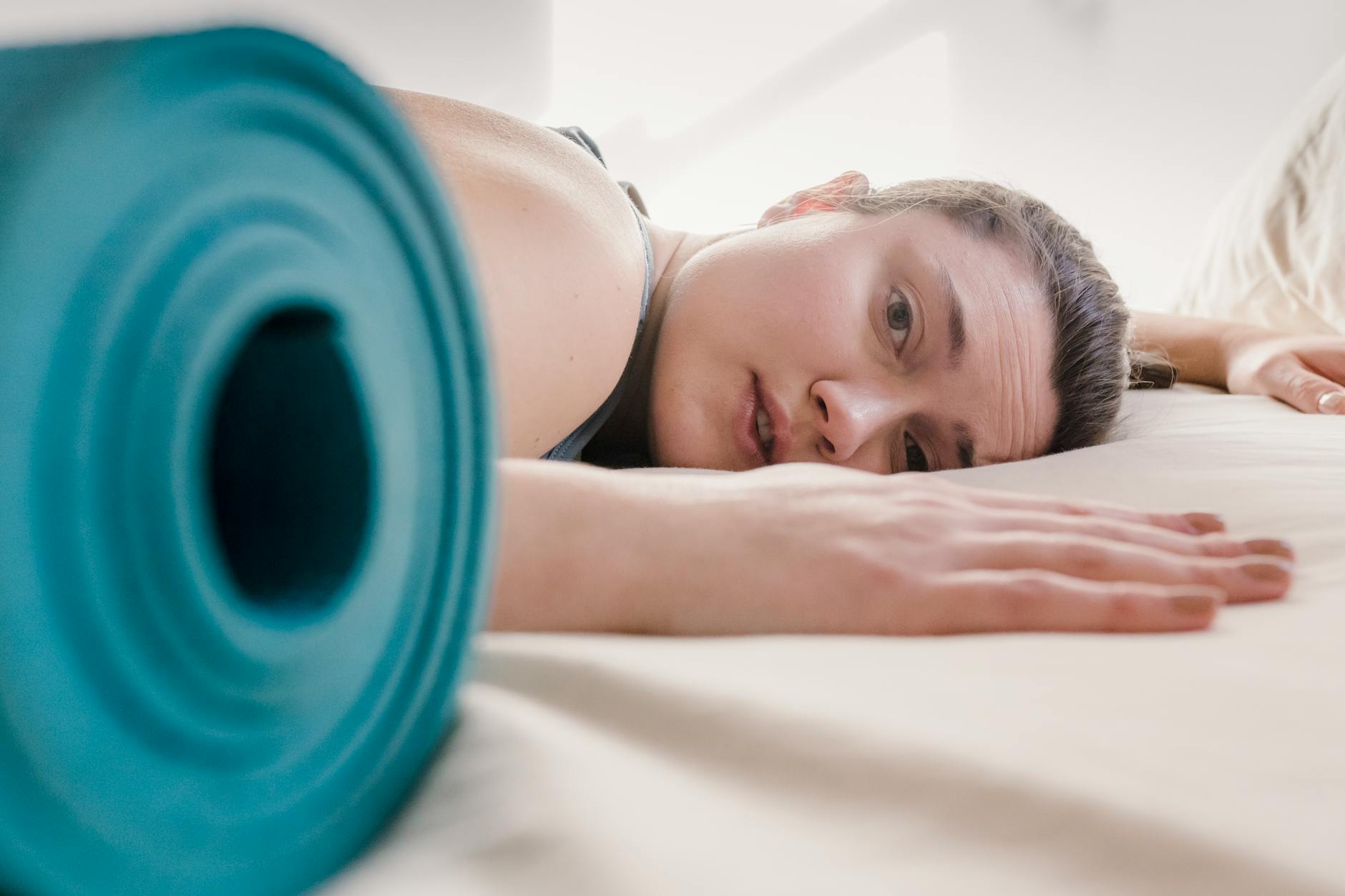
The first month without alcohol is not just a mental challenge. It's a physical one. The nervous system, which adapted to the depressant effect of alcohol, is now recalibrating without it. Sleep is poor. Anxiety is often elevated. The body is clearing metabolic byproduct. Cravings arrive unpredictably and feel overwhelming in a way that's hard to explain to anyone who hasn't experienced it.
Yoga can be a genuine support during this month — not as a cure for addiction, not as a replacement for professional treatment, but as a tool for nervous system regulation at a time when the nervous system needs every tool available.
What alcohol withdrawal does to the nervous system
Alcohol is a central nervous system depressant. In people with alcohol use disorder, the brain compensates by upregulating excitatory neurotransmitters — essentially turning up the volume to compensate for the chemical that's turning it down. When alcohol is removed, that compensatory upregulation stays active for days to weeks. The result: an overexcited nervous system that's anxious, hypervigilant, and reactive.
This is why withdrawal from alcohol (unlike most other substances) can be medically dangerous and should always be supervised by a physician. This post is for people who have completed the acute medical phase and are in the early weeks of stable sobriety.
Why most yoga classes aren't ideal in month one
A vigorous vinyasa class spikes the sympathetic nervous system. The heat, the challenge, the novelty, the social stimulation — all of that creates an arousal state that can intensify anxiety and cravings rather than relieving them. If you're in early recovery and you've tried a standard yoga class and felt worse afterward, this is likely why.
What the nervous system needs in month one is parasympathetic activation — the rest-and-digest signal. Slow, supported, predictable movement. Low stimulation. Structure that the nervous system can anticipate.
A month-one nervous system regulation protocol
Morning: 10-minute grounding practice. Before coffee, before phone. Feet on the floor. Three minutes of slow belly breathing. Five minutes of gentle cat-cow or seated forward fold. One minute of stillness with hands on the chest, feeling the heartbeat. This anchors you in your body at the start of the day before the day's demands arrive.
Midday: body check-in. Two minutes. Scan from feet to head. Notice tension without trying to change it. This builds interoceptive awareness that was likely blunted by alcohol's numbing effect — a core recovery skill.
Evening: 15-minute wind-down practice. This is your most important session. Extended exhale breathing for three minutes. Supported legs-up-the-wall for seven minutes. Slow body scan in savasana for five minutes. The goal is to bring the nervous system into a parasympathetic state before sleep — which in month one is often disrupted by anxiety and early-morning waking.
Managing cravings with breath
Cravings in early sobriety are often accompanied by a characteristic physical signature: quickened breath, tightened chest, narrowed attention. Breath is the fastest intervention available. Box breathing — four counts in, four hold, four out, four hold — gives the prefrontal cortex something to do while the craving wave passes. Most cravings peak and begin to subside within 10–20 minutes if you don't act on them. Breath practice buys you that time.
A note on yoga and recovery community
Some people in recovery find yoga classes to be a genuinely useful community supplement to their other recovery support (AA, SMART Recovery, therapy). Yoga studios tend to be alcohol-free, relatively non-judgmental environments where sobriety isn't notable. If community is part of what you're rebuilding, a beginner-friendly class can serve that function as well as a physical one.
Frequently asked questions
Is yoga a substitute for addiction treatment?
No. Alcohol use disorder benefits from medical supervision, behavioral therapy, and often medication-assisted treatment. Yoga is a complementary tool — useful alongside professional support, not instead of it. If you haven't already connected with a treatment provider, please do.
What about hot yoga or vigorous practice?
Wait until month three at earliest, and ideally longer. The physiology of early recovery doesn't need additional challenge — it needs support. There's time for vigorous practice. Month one is not it.
Where can I find yoga in recovery communities?
Many yoga studios offer donation-based or community classes that are accessible without cost barriers. Some treatment centers integrate yoga into their programming. Browse the OYP blog for more yoga therapy resources, and our teacher training directory for teachers with therapeutic specializations who may offer recovery-focused classes.
Subscribe to the newsletter
Subscribe to my newsletter to get the latest updates and news